
Finding a dining table that balances daily family life with the festive spirit of Filipino gatherings requires careful planning. In many households, a standard six-seater table handles breakfast and dinner comfortably. However, when Sunday lunches, birthdays, or holiday feasts bring extended family together, seating capacity must quickly scale to accommodate eight or ten guests. An extendable wooden dining table set offers a practical solution, transitioning smoothly between these two configurations without permanently crowding your dining area.
Selecting the right set involves evaluating your available floor space, understanding the durability of different extension mechanisms, and choosing wood species and finishes that can withstand the local tropical climate. By focusing on structural integrity and material quality, you can find a versatile set that serves your family reliably for years. This guide outlines the essential steps to measure your space, compare mechanisms, and inspect materials before making your purchase.
Measuring Your Space for Daily and Extended Configurations
To ensure your dining room remains functional in both daily and extended modes, start by measuring the physical footprint of the table. A typical six-seater wooden dining table requires a length of approximately 150 to 180 centimeters. When extended to seat ten people, the table length must expand to at least 240 to 300 centimeters to prevent guests from bumping elbows. The width of the table should ideally measure between 90 and 100 centimeters, providing enough central space for serving platters of local dishes alongside individual place settings.
Products mentioned in this guide
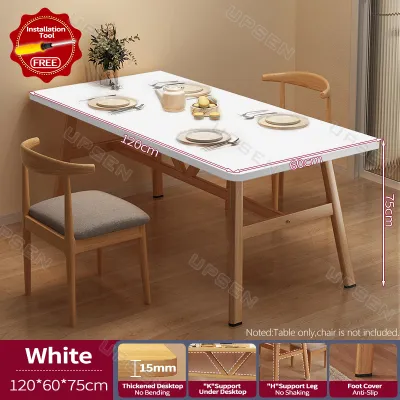
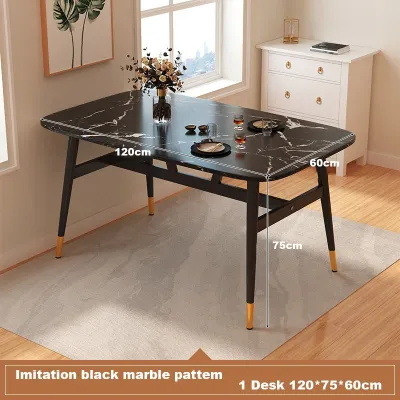
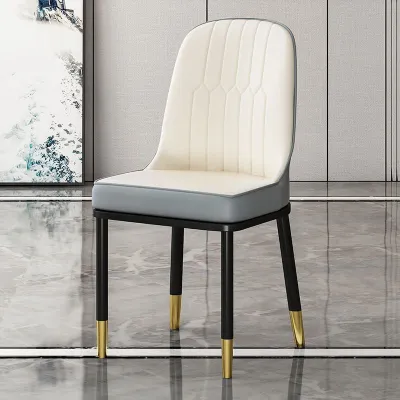
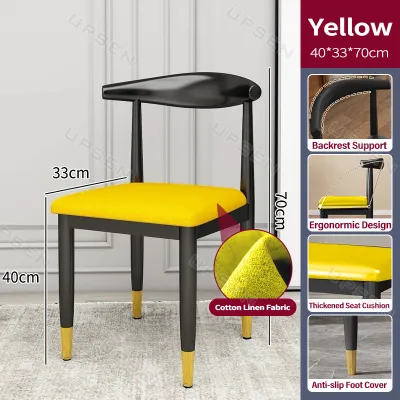
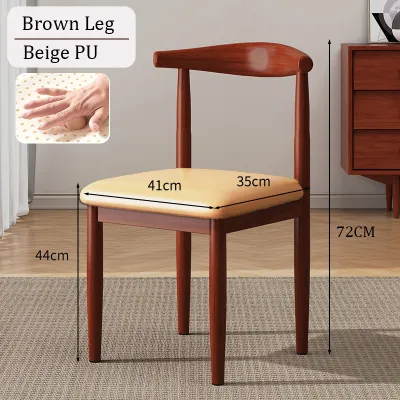
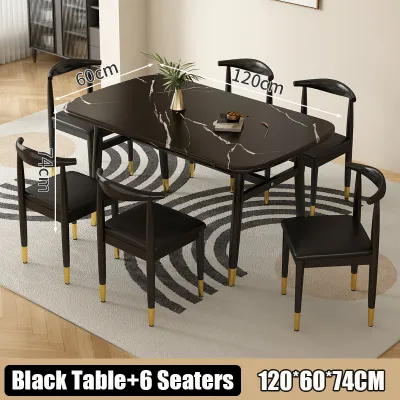
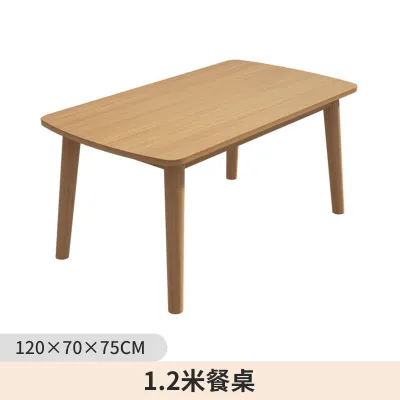
Prices are valid at publication and may change. Please refer to the product page for the latest price.
Clearance around the table is just as critical as the table’s dimensions. For comfortable movement, maintain a minimum of 90 centimeters of open space between the edge of the table and the nearest wall or piece of furniture. If the dining room serves as a primary walkway to the kitchen or living area, increase this clearance to 120 centimeters. This extra space ensures that family members can easily walk behind seated guests without forcing anyone to squeeze past.
Additionally, take note of permanent architectural features and existing furniture in the room. Large display cabinets, sideboards, and low-hanging pendant lights can interfere with an extended table layout. Ensure that overhead lighting remains relatively centered over the table when it is fully extended, or choose fixtures that distribute light broadly. Door swing paths must also be kept clear to prevent accidental bumps when family members enter or exit the room during busy meals.
Comparing Extension Mechanisms for Long-Term Durability
The longevity of an extendable dining table depends heavily on the design and quality of its extension mechanism. Removable center leaves are a traditional option where the table slides apart to accept one or two separate wooden panels. While this design offers a highly stable surface, you must inspect the seam alignment when the leaves are inserted to ensure a flat, continuous tabletop. Keep in mind that these loose leaves require dedicated, safe storage in a closet or under a bed when the table is kept in its daily six-seater configuration.

For greater convenience, butterfly or self-storing leaves fold and store directly inside the table frame. This design eliminates the need for external storage and allows a single person to extend the table quickly. When evaluating these models, inspect the internal metal tracks, hinges, and alignment pins. The hardware should operate smoothly without catching or requiring excessive force. Because the hardware remains hidden inside the table, check that the metal components are treated to resist rust, which can develop quickly in humid environments.
Drop-leaf designs feature hinged panels at the ends of the table that hang vertically when not in use. This style is highly space-efficient for tight dining areas but requires careful inspection of the support brackets underneath. Verify that the pull-out wooden supports or metal brackets are robust enough to hold the weight of heavy serving dishes when the leaves are raised. Avoid designs with loose or wobbly hinges, as any instability at the table ends can lead to spills during lively family gatherings.
Selecting the Right Wood and Finish for Tropical Climates
The tropical climate of the Philippines presents unique challenges for wooden furniture, making material selection a primary durability factor. Solid hardwoods such as acacia, mahogany, and teak are highly valued for their strength and natural grain patterns. However, solid wood naturally expands and contracts in response to seasonal humidity shifts. When browsing options, check manufacturer specifications to ensure the wood has been properly kiln-dried, which significantly reduces the risk of warping, cracking, or splitting over time.
Engineered wood options, including high-quality medium-density fiberboard (MDF) topped with real wood veneers, offer an alternative that is highly resistant to humidity-induced warping. If you choose an engineered wood set, review the manufacturer’s structural descriptions to confirm that the edges are fully sealed against moisture. Unsealed edges can absorb ambient humidity or spilled liquids, causing the material to swell and ruin the table’s flat surface.
The protective finish applied to the wood determines how well the table resists daily wear and tear. Look for tables finished with polyurethane, catalyzed lacquer, or moisture-resistant sealants that protect against water rings from cold drinks and heat marks from serving bowls. Always check the manufacturer’s care instructions to see if the finish requires regular reapplication of protective oils or waxes, and verify whether the surface can be cleaned with standard mild soap and water without degrading the protective layer.
Building Your Shortlist: Pre-Purchase Inspection Checklist
Before making a final decision, compile a checklist to verify the structural integrity and practical compatibility of the dining set. Start by checking the base stability and leg placement of the table. When the table is fully extended, the legs should ideally move outward to the corners to provide maximum support. If the legs remain fixed in the center while the tabletop extends outward, test or verify the manufacturer’s specifications to ensure the overhanging ends do not tip or sag when downward pressure is applied.
Next, measure the dimensions of the chairs included in the set or those you plan to purchase separately. Ensure that the width of the chairs allows them to slide fully under the table apron when not in use, especially when the table is in its compact six-seater mode. The height of the table apron—the wooden panel directly beneath the tabletop—must leave enough clearance for comfortable legroom and prevent chair armrests from scraping against the wood.
Finally, consider the logistics of delivery and assembly. Large, solid wood dining tables are exceptionally heavy and may arrive in large, non-flexible boxes. Measure your doorways, hallways, stairwells, and elevator cabins to confirm the packaged furniture can safely reach your dining room. Review the assembly instructions to determine if professional installation is recommended, and check the warranty terms to ensure coverage extends to the moving parts of the extension mechanism.
Frequently Asked Questions (FAQ)
How do I prevent the wood from warping when extending the table?
To protect your wooden table from warping, maintain a stable indoor environment by keeping the furniture away from direct sunlight, open windows during heavy rains, and direct drafts from air conditioning units. Rapid temperature and humidity changes can cause uneven expansion in the wood fibers, particularly on the extension leaves that are stored separately. Follow the manufacturer’s care label by using coasters, trivets, and placemats to shield the wood from hot dishes and condensation. When storing removable leaves, keep them flat in a dry, temperature-controlled closet to ensure they align perfectly with the main table when reinserted.
Can I mix and match chairs with an extendable dining set?
Yes, mixing and matching chairs is an excellent way to customize your dining space, provided you verify the physical dimensions beforehand. Measure the distance from the floor to the underside of the table apron to establish the maximum allowable seat and armrest height. Standard dining chairs typically have a seat height of 45 centimeters, which pairs well with standard 75-centimeter-high tables. If you plan to use folding chairs or benches for the extra four seats during large gatherings, ensure their seat heights match the main chairs to keep all guests at a comfortable dining level.

Community discussion
Share your experience or ask a question. Comments are reviewed before publication.