
Maximizing a compact living room in the Philippines requires a thoughtful balance of style, scale, and utility. As urban apartments, townhouses, and condominiums become the standard for modern living, homeowners often face the challenge of selecting furniture that feels substantial without overcrowding the floor plan. The Nordic design aesthetic—characterized by its clean lines, organic materials, and minimalist philosophy—offers an elegant solution to this spatial puzzle. A well-chosen Nordic center table not only serves as a functional anchor for your seating area but also enhances the visual flow of the room, making even the tightest layouts feel open and inviting.
Finding the right piece involves looking beyond surface-level aesthetics to evaluate how a table interacts with your existing furniture and daily routines. By focusing on precise proportions, climate-appropriate materials, and smart space-saving features, you can select a center table that elevates your home’s interior design while remaining highly practical for everyday use.
Key Dimensions and Proportions for Compact Spaces
The golden rule of coffee table placement is maintaining adequate clearance. In a small living room, every centimeter counts. Aim for a distance of 30 to 45 centimeters between the edge of your sofa cushions and the edge of the center table. This gap provides enough legroom for comfortable movement and easy passage while keeping the table surface within arm’s reach for drinks, books, or remote controls.
Products mentioned in this guide
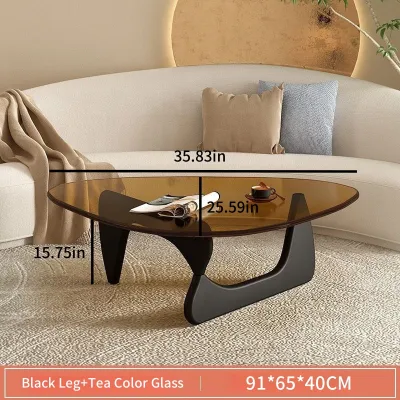
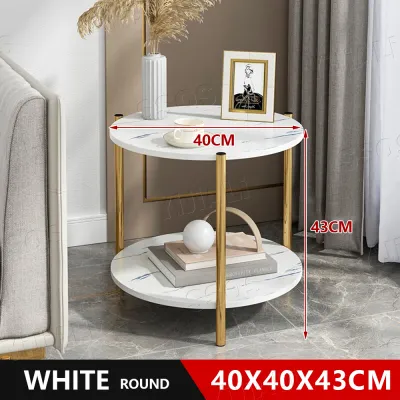
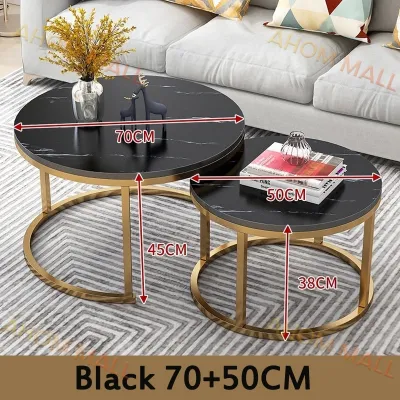
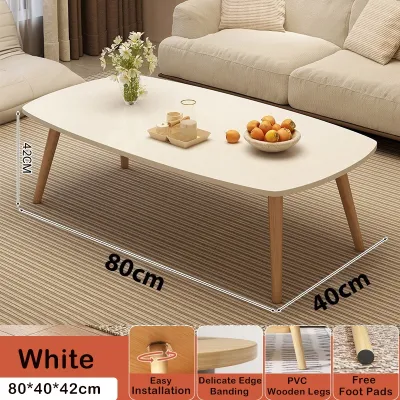
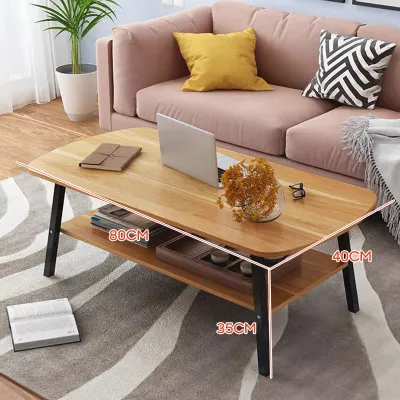
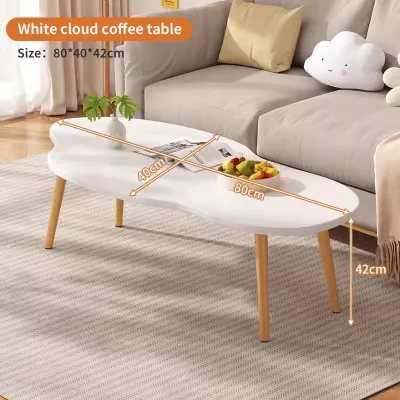
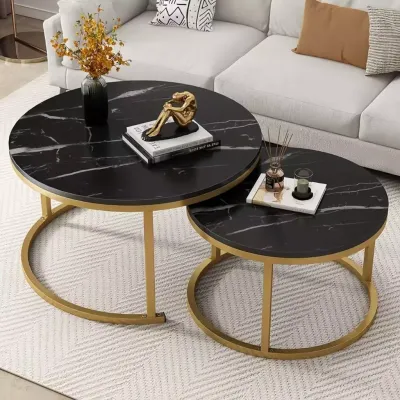
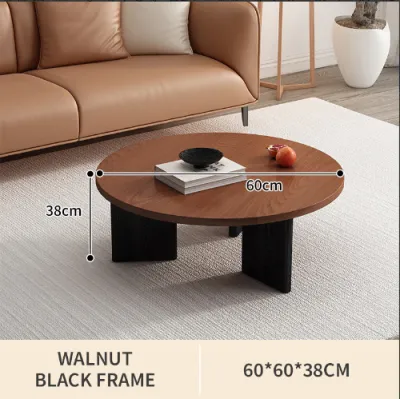
Prices are valid at publication and may change. Please refer to the product page for the latest price.
Height alignment is equally critical for both comfort and visual harmony. Ideally, the top of your Nordic center table should sit level with, or up to 5 centimeters lower than, the top of your sofa’s seat cushions. A table that is too tall disrupts the sightline and makes the room feel fragmented, while a table that is too low requires awkward bending. Measuring your sofa’s seat height before browsing ensures you select a piece that supports natural posture.
Visual weight plays a major role in how a piece of furniture affects the perception of space. In narrow living rooms, a rectangular or oval table works best because it mirrors the elongated shape of the room and allows traffic to flow smoothly along the sides. For square-shaped seating arrangements, a round or square table creates a centralized focal point that balances the surrounding furniture.
To keep your living room from looking disproportionate, apply the two-thirds rule. The length of your center table should be approximately two-thirds the total length of your sofa. If you have a compact two-seater sofa measuring 150 centimeters, a table around 90 to 100 centimeters in length will look balanced. Anything larger will overwhelm the sofa, while anything smaller may look lost and prove impractical for daily use.
Defining the Nordic Aesthetic: Materials and Finishes
Authentic Nordic design is rooted in a deep appreciation for nature, which is reflected in the choice of materials. Light-toned woods such as oak, ash, beech, and pine are staples of this style. When shopping, it is essential to distinguish between solid wood and wood veneers. Solid wood offers longevity and can be sanded down and refinished, but it is more susceptible to climate-induced movement. Wood veneer, which consists of a thin layer of real wood bonded to an engineered core like medium-density fiberboard, provides a stable, warp-resistant alternative that captures the natural grain pattern at a more accessible price point.

The tropical climate of the Philippines presents unique challenges for wooden furniture, particularly high humidity and seasonal temperature fluctuations. Unprotected wood can absorb moisture from the air, leading to swelling, warping, or joint separation. To prevent these issues, verify the surface treatment of the table. Look for products finished with water-resistant polyurethane, protective lacquer, or specialized wood oils that seal the pores without masking the natural texture. Matte or satin finishes are preferred in Nordic design, as they preserve the organic look of the wood while providing a barrier against moisture.
Color selection is another powerful tool for manipulating the perceived size of a room. The classic Nordic palette relies on light, neutral tones—such as natural oak, soft whites, muted grays, and pale birches—that reflect both natural and artificial light. By bouncing light around the room, these lighter surfaces prevent the center table from becoming a dark, heavy visual block in the middle of your floor plan.
Pay close attention to the design of the table legs, as they dictate how much floor space remains visible. Nordic tables often feature slender, tapered legs, wireframe metal bases, or tripod structures that lift the tabletop high off the ground. This open space underneath allows light to pass through and keeps the floor line continuous. When your eyes can see the floor extending beneath the table, the entire room instantly feels larger and less cluttered.
Multifunctional Features for Small Philippine Homes
In compact homes, furniture must often perform double duty. Nesting tables are an exceptionally practical choice for small living rooms because they offer expandable surface area on demand. A typical nesting set consists of two or three tables of graduating heights that slide completely underneath one another when not in use. During daily life, they occupy the footprint of a single small table; when hosting guests, they can be pulled out to create multiple surfaces for drinks and snacks, or even used as temporary side tables next to different chairs.
Built-in storage is another highly effective way to maintain a clean, minimalist aesthetic in a limited space. Look for Nordic center tables that incorporate lower open shelves, shallow drawers, or sliding compartments. These storage areas allow you to clear the tabletop of daily clutter—such as remote controls, reading materials, coasters, and chargers—while keeping them easily accessible. An open lower shelf preserves a sense of lightness, while closed drawers hide visual clutter entirely.
Lightweight and modular designs provide the flexibility needed for dynamic, multi-use spaces. In many Philippine households, the living room serves multiple purposes throughout the day, from a home office to a workout space or a play area for children. Selecting a table made from lightweight materials, or one equipped with lockable casters, allows you to effortlessly slide the table out of the way when you need open floor space.
Some modern Nordic-inspired tables feature lift-top mechanisms that elevate the tabletop to dining or working height. While these designs are slightly heavier, they eliminate the need for a separate dining table or desk in studio apartments. If choosing a lift-top model, ensure the lifting hardware is robust and operates smoothly, and check that the base is sufficiently weighted to prevent tipping when the top is fully extended.
How to Evaluate and Shortlist Options Online
Shopping for furniture online requires a strategic approach to avoid common pitfalls like incorrect sizing or poor material quality. When searching e-commerce platforms, refine your queries by using precise, descriptive keywords. Instead of searching for a broad term like “coffee table,” use specific phrases such as “round Nordic nesting table,” “solid oak center table,” or “minimalist wood coffee table with shelf.” This filters out irrelevant styles and helps you focus on pieces that match your aesthetic and spatial constraints.
Never rely solely on the main product images, which are often digitally rendered or styled in large, sunlit studios that distort the true scale of the item. Always scroll down to the detailed specifications section to find the exact dimensions: length, width, and height. Use a tape measure or lay down newspaper on your living room floor to physically map out these dimensions. This simple exercise gives you a realistic sense of how much physical and visual space the table will occupy in your actual room.
Customer reviews are an invaluable resource for verifying the quality and appearance of a table before purchasing. Look for reviews that include real-life photos taken in home environments. These images reveal how the wood grain and color look under standard indoor lighting, which often differs from professional studio photography. Pay attention to comments regarding the stability of the table, the smoothness of the finish, and how well the pieces fit together during assembly.
Finally, consider the logistics of delivery and assembly. Many online furniture purchases arrive flat-packed to reduce shipping costs. Check the product description to see if assembly tools are included and whether the process requires one or two people. Additionally, verify the dimensions of the shipping box against your building’s elevator doors, stairwells, and main entryway. Ensuring the package can physically reach your unit prevents stressful delivery-day surprises.
Frequently Asked Questions (FAQ)
What is the best shape for a center table in a very narrow living room?
For very narrow living rooms, oval or rounded rectangular shapes are highly recommended. These designs eliminate sharp corners, which can be hazardous in tight walkways where people frequently pass by. The curved edges soften the overall look of the room and allow for smoother traffic flow, preventing painful bumps. Additionally, round and oval tables have a smaller visual footprint than their square or rectangular counterparts, helping to maintain an airy, unobstructed feel throughout the space.
How can I protect a light-colored Nordic wood table from humidity and spills?
Protecting light-colored wood in a humid environment starts with preventive care and regular maintenance. Always use coasters under cold drinks to prevent condensation from leaving water rings, and use trivets or heat-resistant mats under hot items. Clean up spills immediately with a soft, dry microfiber cloth to prevent liquid from penetrating the wood grain. Check the manufacturer’s care label to see if the table has been treated with a polyurethane or lacquer finish; if it is an oiled finish, plan to reapply a compatible wood oil periodically to maintain its water-resistant barrier.
Should I choose a glass or wood top for a minimalist small space?
The choice between glass and wood depends on your lifestyle and maintenance preferences. A glass-top table is excellent for small spaces because it is visually transparent, allowing light to pass through completely and making the room feel larger. However, glass requires frequent cleaning to remove fingerprints, dust, and smudges, and it may not be ideal for households with active pets or young children. A wood-top table offers warmth, natural texture, and durability, but it has more visual weight. If you prefer low-maintenance warmth, choose a light wood; if you prioritize maximum visual openness, a glass top with a slender wooden frame is an excellent compromise.

Community discussion
Share your experience or ask a question. Comments are reviewed before publication.