
Finding a stylish retro office chair in the Philippines within the ₱3,000 to ₱15,000 price range is highly achievable, but it requires a careful balance between vintage aesthetics and daily physical support. While classic mid-century modern silhouettes or tufted leather finishes elevate the look of a home office, they often lack the adjustable features found in modern ergonomic chairs. To make a smart purchase, you must evaluate how many hours you spend at your desk, how the materials perform under local tropical humidity, and what build quality to expect at different price points.
Balancing Retro Aesthetics with Ergonomic Needs
Retro design in office furniture typically draws inspiration from mid-century modern styles, vintage industrial elements, or classic executive boardrooms. Common visual features include curved bentwood frames, ribbed or tufted upholstery, and metallic bases with brass or chrome finishes. These elements create a sophisticated, nostalgic workspace, but they can present functional challenges when used for long working hours.
The primary tension between strict vintage aesthetics and modern ergonomic design lies in frame adjustability. True vintage chairs often feature fixed, rigid shells that do not allow you to modify the seat depth, backrest angle, or lumbar support. Sitting in a static position for hours can lead to muscle fatigue, poor posture, and lower back strain. Modern ergonomic chairs, by contrast, are built to move with your body and adjust to your specific dimensions.
Products mentioned in this guide
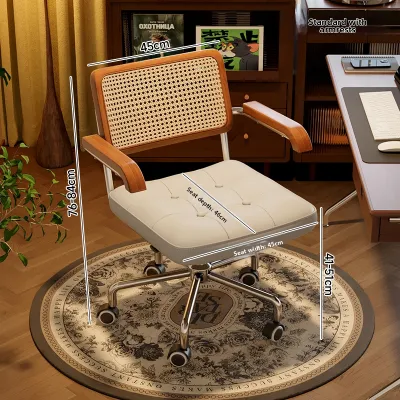
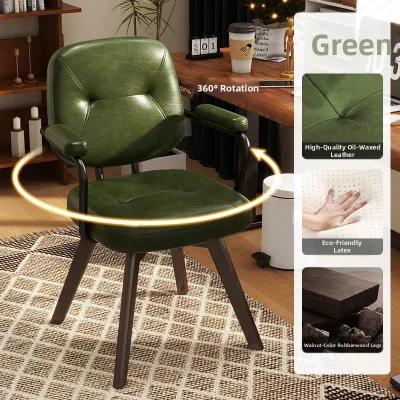
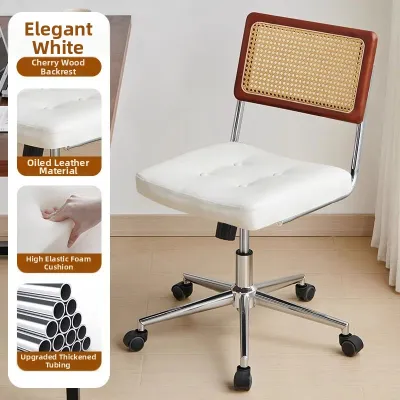
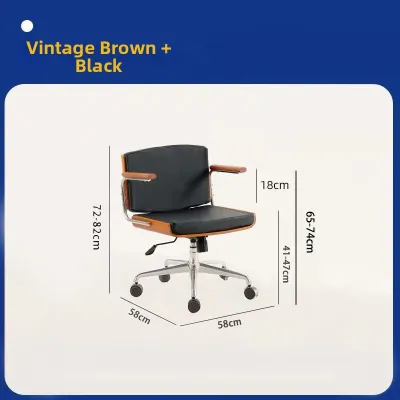
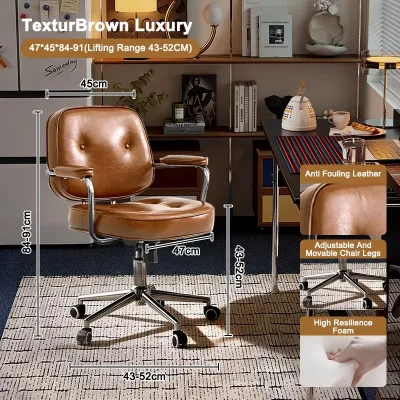
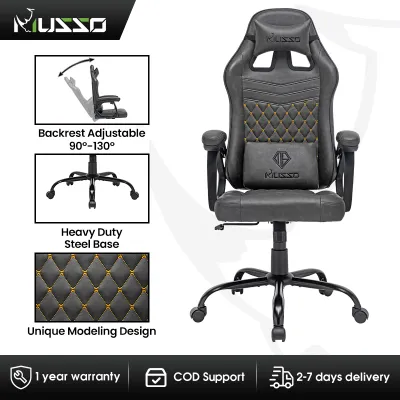
Prices are valid at publication and may change. Please refer to the product page for the latest price.
To resolve this tension, evaluate your daily usage patterns before shopping. If your desk work is limited to two or three hours of casual browsing or writing per day, you can safely prioritize visual style and choose a chair with a fixed back and minimal adjustments. However, if you work a full eight-hour shift from home, prioritizing adjustable ergonomic features over pure vintage styling is essential for preventing long-term physical discomfort.
Setting Realistic Expectations for the ₱3,000 to ₱15,000 Budget
Navigating the local market within a ₱3,000 to ₱15,000 budget requires understanding what materials and mechanical features are realistic at different price points. Because furniture manufacturing and shipping costs vary, chairs in this bracket are generally divided into three distinct tiers.

Entry Tier (₱3,000 – ₱6,000): At this level, options focus primarily on basic retro aesthetics with minimal mechanical complexity. You will commonly find low-back ribbed chairs or simple molded plastic shells with retro-style seat cushions. The adjustments are typically limited to basic pneumatic seat height and 360-degree swivel. The armrests are usually fixed loops made of chrome-plated steel or unpadded wood, and the seat cushioning consists of standard low-to-mid density foam that may compress permanently over a few months of heavy use.
Mid Tier (₱6,000 – ₱10,000): This tier introduces better material options and basic mechanical upgrades. You can expect thicker, more resilient foam padding and more durable synthetic leather or textured fabric upholstery. The chair frames often incorporate molded bentwood veneers on the backrest or seat pan, giving a distinct mid-century modern look. Mechanically, these chairs usually feature a standard center-tilt or knee-tilt mechanism with an adjustable tension knob, allowing you to rock back slightly rather than sitting completely upright.
Upper Tier (₱10,000 – ₱15,000): In this range, retro aesthetics begin to merge with genuine ergonomic utility. Chairs in this tier often feature high-density molded foam that retains its shape over years of use, along with premium frame materials like heavy-duty aluminum alloys or thick, multi-layered wood veneers. You can expect advanced mechanical features, such as multi-angle tilt locks that allow you to secure the backrest at different angles, adjustable armrests, and sometimes integrated lumbar support curves hidden beneath the retro tufting.
When browsing local e-commerce platforms, keep in mind that listed prices fluctuate frequently based on active promotions, store vouchers, and seasonal sales. Additionally, because office chairs are heavy and bulky, shipping fees can add a significant amount to your final checkout total, particularly if the item is being delivered to provincial areas outside Metro Manila. Always verify the total cost, including shipping and handling, before finalizing your budget.
Prioritizing Features: Where to Spend and Where to Compromise
If you cannot find a chair that perfectly satisfies both your aesthetic preferences and your physical comfort needs within your budget, you will need to make strategic compromises. Understanding which features are non-negotiable and which materials suit your environment will help you make a practical decision.
Essential Ergonomic Adjustments
Regardless of how beautiful a retro office chair looks, certain mechanical features are essential for daily desk work. A pneumatic gas lift is critical for adjusting the seat height so your feet rest flat on the floor with your knees at a 90-degree angle. Look for specifications indicating a Class 3 or Class 4 gas lift, as these offer better durability and weight capacity than lower-grade cylinders.
A smooth 360-degree swivel and an adjustable tilt tension mechanism are also vital. The tilt tension allows you to control how much resistance the chair offers when you lean back, preventing the feeling of tipping backward too quickly. When checking product specifications, verify that the adjustment levers are easily accessible from a seated position and that the mechanical housing does not disrupt the clean lines of the retro design.
Upholstery and Material Checks for Humid Climates
The tropical, humid climate of the Philippines poses a unique challenge for furniture materials. High humidity and heat can cause low-grade polyurethane (PU) leather to undergo hydrolysis, leading to unsightly cracking and peeling within a year or two. Sweat and skin oils can accelerate this degradation, particularly on the headrest, seat, and armrests.
To ensure durability, carefully evaluate material labels and product descriptions. If you prefer the classic look of leather, search for high-grade, hydrolysis-resistant PU leather or breathable micro-fiber leather. If your workspace is not continuously air-conditioned, consider a retro-style chair that utilizes breathable woven fabric or a mesh-and-wood hybrid design. Always check the manufacturer’s care instructions to see how to clean the upholstery, and check for any specified environmental limits regarding humidity and direct sunlight exposure to prevent premature wear.
Avoiding Quality Traps and Hidden Costs
The popularity of vintage office aesthetics has led to an influx of low-quality replicas on the market. To avoid purchasing a chair that deteriorates quickly, you must look past the stylized product photos and examine the construction details.
One common quality trap is “faux retro” styling, where manufacturers use cheap, lightweight plastic molded and painted to look like solid wood or brushed metal. From a distance, these chairs look appealing, but they lack the structural integrity and weight of genuine materials. Always read the detailed product specifications to verify the actual frame and base materials. Look for terms like “solid steel frame,” “bentwood veneer,” or “cast aluminum base” rather than generic descriptions like “wood finish” or “metallic look.”
The wheelbase and casters are critical for both safety and floor protection. A metal base (such as chrome-plated steel or aluminum alloy) or a highly reinforced nylon base is essential for long-term stability. Additionally, check the caster material. Standard hard nylon casters can scratch and gouge hardwood, laminate, or vinyl tile flooring, which are common in local homes and condos. If you have hard floors, look for chairs equipped with soft polyurethane (PU) or rubber-coated casters, or plan to purchase a separate chair mat to protect your flooring.
Finally, factor in assembly requirements and post-purchase support. Most retro office chairs purchased online are delivered flat-packed and require self-assembly. Check if the package includes all necessary tools and clear instructions. Before checking out, verify the seller’s return, replacement, and warranty policies on the online marketplace. Ensure there is a clear warranty period—ideally at least one year—covering the gas lift cylinder, tilt mechanism, and wheelbase, as these are the components most prone to mechanical failure.
Verifying Dimensions and Space Compatibility Before Delivery
A retro office chair must fit both your body and your physical workspace to be functional. Relying solely on stylized product photos can lead to delivery day disappointments, such as a chair that is too tall to slide under your desk or too wide for your office corner.
Start by measuring your existing desk setup. Measure the height from the floor to the underside of the desk drawer or frame to ensure the chair’s armrests can slide underneath when not in use. This is especially important for retro chairs with fixed, high loop armrests. Next, measure your available floor space, keeping in mind that the diameter of the wheeled base is often significantly wider than the seat itself. Finally, measure your doorways, narrow hallways, and elevator clearances to ensure the shipping box can safely reach your room.
Never rely on visual estimates of comfort. Check the manufacturer’s stated weight capacity and compare the exact seat width, seat depth, and backrest height with a chair you currently find comfortable. If you are taller or shorter than average, verifying the seat height adjustment range is crucial for maintaining proper posture. If these critical dimensions or load limits are missing from the online product listing, stop and message the seller to ask for clarification before completing your purchase.
Frequently Asked Questions (FAQ)
Can I add ergonomic accessories to a basic retro chair?
Yes, you can add aftermarket accessories like memory foam seat cushions, lumbar support rolls, or padded armrest covers to a basic retro chair. However, doing so often alters the clean, vintage aesthetic of the furniture. If you plan to use accessories, look for low-profile options with neutral colors that blend into the upholstery. Keep in mind that some retro chairs with highly contoured wood frames or unique curved backs may not accommodate standard strap-on lumbar pillows securely.
Are vintage-style chairs suitable for long hours of computer work?
Traditional, unadjusted vintage chairs are generally not suitable for continuous computer work exceeding three to four hours. They lack the dynamic support needed to prevent physical strain over long periods. If you must work long hours but still want a retro look, focus your search on the upper budget tier (₱10,000 to ₱15,000). Look for hybrid designs that feature modern ergonomic mechanisms—such as synchro-tilt, high-density molded foam, and adjustable lumbar contours—wrapped in vintage-style materials like bentwood and tufted leather.

Community discussion
Share your experience or ask a question. Comments are reviewed before publication.