
Finding the best value folding ergonomic chair between ₱3,000 and ₱15,000 requires balancing space-saving portability with genuine postural support. In the Philippines, where compact urban living spaces and high tropical humidity are common, selecting a chair that can be easily tucked away without sacrificing physical comfort is a practical necessity. To get the most out of your investment, you must look beyond flashy marketing terms and focus on verifiable structural specifications, adjustability features, and build quality at each price point.
When shopping within this price range, the “best value” is not simply the cheapest option, nor is it the one with the most features on paper. Instead, value is defined by how well a chair supports your body during active use and how reliably its folding mechanisms perform over time. By understanding what features are realistic at each budget tier, you can avoid common online shopping pitfalls and select a chair that fits both your physical workspace and your budget.
Understanding Value in Folding Ergonomic Chairs
True ergonomic support relies on a chair’s ability to adapt to your unique body proportions, promoting a neutral spine alignment and reducing pressure points. Many products marketed as “folding ergonomic chairs” are actually standard folding chairs with a thin layer of foam or a curved plastic backrest. A genuine ergonomic chair must offer adjustable elements, such as seat height, lumbar support depth, and tilt tension, allowing you to customize the fit to your frame.
Products mentioned in this guide
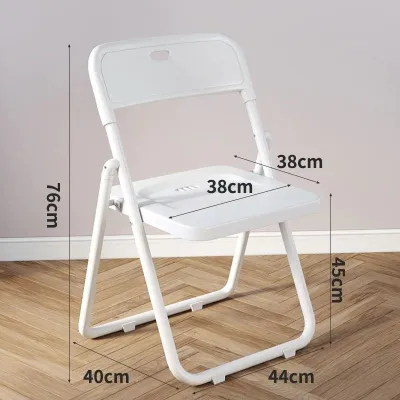
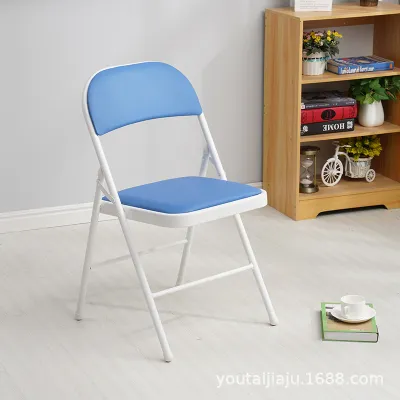
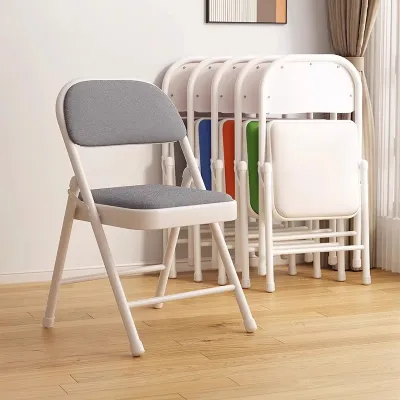
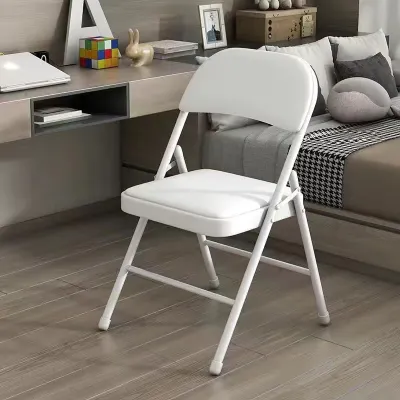
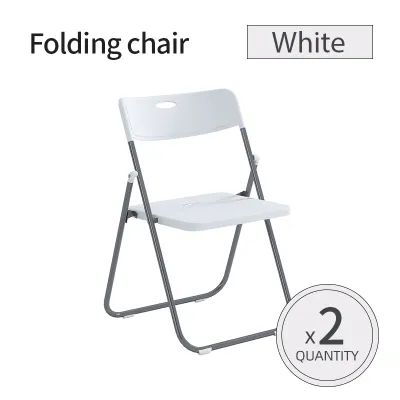
Prices are valid at publication and may change. Please refer to the product page for the latest price.
When evaluating a folding model, you must identify your non-negotiable features for daily use versus acceptable compromises. For instance, if you plan to sit for several hours a day, a breathable mesh backrest is essential to manage heat and humidity, while adjustable armrests can prevent shoulder strain. On the other hand, you might compromise on advanced features like seat-depth adjustment or dynamic headrests if the chair is only intended for temporary or secondary seating.
The folding mechanism itself introduces a critical engineering challenge: every hinge, joint, and locking pin is a potential point of failure. A poorly designed folding mechanism can wobble, squeak, or wear out quickly, compromising the chair’s overall stability and safety. To ensure long-term durability, look for chairs with reinforced metal joints, secure locking latches, and smooth folding tracks that do not pinch or bind during operation.
What to Expect at Each Budget Tier
As you move from ₱3,000 to ₱15,000, the focus of folding ergonomic chairs shifts from basic portability to advanced adjustability and premium materials. Understanding these transitions helps you set realistic expectations and identify which tier aligns with your specific comfort and usage requirements.

Entry-Level (₱3,000 – ₱5,000): Basic Support and Portability
At the entry-level tier of ₱3,000 to ₱5,000, folding ergonomic chairs prioritize compact storage and basic seating functionality. The materials in this range typically consist of standard nylon or plastic frames, basic polyester mesh, and simple foam seat cushions. Because high humidity can accelerate wear, it is important to inspect the quality of the mesh and check if metal components have rust-resistant coatings or powder finishes.
Adjustability in this price bracket is highly streamlined. You can generally expect pneumatic seat height adjustment, but other features like armrests and lumbar support are usually fixed in place or entirely absent. The folding mechanisms are often basic scissor-frame designs that fold flat but may lack advanced locking systems to keep the frame completely rigid when unfolded.
The primary trade-offs at this level are thinner seat padding, simpler hinge designs, and lower manufacturer-stated weight capacities. These chairs are highly portable and excellent for short study sessions or occasional remote work, but they may not provide the robust, long-term support needed for continuous, full-time office use.
Mid-Range (₱6,000 – ₱10,000): Enhanced Adjustability and Durability
Stepping up to the mid-range tier of ₱6,000 to ₱10,000 introduces a noticeable improvement in both material quality and structural stability. Chairs in this bracket often feature higher-density foam cushions that resist sagging, reinforced nylon frames, and more robust folding joints. The mesh used on the backrest is typically more resilient, offering better tension and breathability over extended periods.
This tier is where genuine ergonomic adjustability begins to emerge. Many mid-range folding chairs offer adjustable lumbar support pads, tilt tension control, and flip-up or height-adjustable armrests. These features allow you to fine-tune the chair to support your lower back and maintain a comfortable typing angle, reducing physical fatigue during longer sessions.
While mid-range models offer excellent value for regular home office use, they still involve some compromises. They may lack the advanced synchro-tilt mechanisms that allow the seat and backrest to recline at different ratios, and the overall frame may feel slightly heavier and bulkier to fold and store compared to entry-level models.
Premium (₱11,000 – ₱15,000): Advanced Ergonomics and Build Quality
At the premium end of the spectrum, from ₱11,000 to ₱15,000, folding ergonomic chairs are engineered to rival the comfort of high-end, non-folding task chairs. Manufacturers utilize premium materials such as high-tensile elastomeric mesh, heavy-duty aluminum alloy frames, and precision-engineered locking hinges. These materials are designed to withstand frequent folding and unfolding without developing play or wobbling in the joints.
Adjustability is highly sophisticated in this tier, often featuring multi-dimensional armrests (3D or 4D), seat depth adjustment, and dynamic lumbar tracking systems that automatically adapt to your movements. The folding mechanisms are seamlessly integrated into the frame, utilizing secure, heavy-duty locking latches that ensure the chair feels completely solid and stable when in use.
The main trade-offs for these premium features are a heavier overall weight and a larger folded footprint. Because of the robust metal frames and multi-layered adjustment mechanisms, these chairs can be more cumbersome to carry and may require more storage space under a desk or in a closet compared to lighter, simpler models.
Essential Pre-Purchase Checks for Folding Mechanisms and Space
Before purchasing any folding ergonomic chair, it is vital to perform several practical checks to ensure the product fits your physical space and meets your safety requirements. First, measure your available storage areas, such as the clearance under your desk, the depth of your closet, or the narrow gap behind your door. Compare these measurements against the manufacturer’s specified folded dimensions to guarantee the chair can be stored away easily when not in use.
Next, examine the design of the folding and locking mechanisms. Look for chairs that feature secure, user-friendly locking systems, such as push-button releases, manual levers, or automatic safety latches. A reliable locking mechanism prevents the chair from accidentally folding or collapsing while you are seated, ensuring a stable and safe sitting experience.
Weight capacity is another critical factor that must not be overlooked. Always check the manufacturer’s stated weight limit and compare it directly to your needs; do not assume there is a built-in safety margin. A chair operated near or beyond its weight limit will experience accelerated wear on its folding joints, hinges, and pneumatic cylinders, leading to premature failure.
Finally, carefully review the seller’s return policies and warranty terms before finalizing your purchase. Pay close attention to whether the warranty covers moving parts, folding hinges, and structural joints, as these are the components most susceptible to wear and tear over time. A comprehensive warranty provides peace of mind and protects your investment against manufacturing defects.
Hidden Costs and Red Flags When Shopping Online
Shopping for furniture on online marketplaces requires a cautious approach to avoid unexpected expenses and disappointing products. One of the most common hidden costs is the shipping fee for bulky items. Because folding ergonomic chairs are relatively heavy and large, shipping costs can add a significant amount to your final checkout price, especially if you live outside major metropolitan areas.
Be on the alert for misleading product descriptions and marketing buzzwords. Many sellers label basic plastic folding chairs as “ergonomic” simply because they have a curved backrest or a small lumbar cushion. To identify genuine value, look for detailed specifications regarding adjustable components, frame materials, and certified weight capacities rather than relying on generic promotional claims.
Assembly requirements are another factor to verify before buying. Some folding chairs arrive fully assembled, while others require you to attach the base, armrests, or backrest using specialized tools. Check the product listing or customer Q&As to confirm what assembly is required and whether the necessary tools and clear instructions are included in the package.
Lastly, protect yourself by verifying seller ratings and reading customer reviews carefully. Look for detailed reviews that mention the long-term durability of the folding joints and the comfort of the seat cushion after several months of use. Be skeptical of listings with overwhelmingly positive, repetitive reviews that lack specific details, as these can sometimes indicate manipulated feedback.
Frequently Asked Questions (FAQ)
Can I use a folding ergonomic chair for eight-hour workdays?
While premium folding ergonomic chairs offer excellent support, using any folding chair for continuous eight-hour workdays can present challenges. The folding hinges and lightweight frame designs inherently offer less structural rigidity and thinner cushioning than high-end, non-folding task chairs. If you must use a folding chair for full-time work, it is crucial to take regular standing breaks, stretch, and actively adjust your posture throughout the day to prevent physical fatigue and strain.
How do I maintain the folding joints to prevent squeaking or stiffness?
To keep your chair operating smoothly, perform routine visual inspections of all moving parts, looking for loose screws, worn hinge components, or debris trapped in the folding tracks. Before applying any lubricants to squeaky joints, always consult the manufacturer’s care instructions, as using the wrong type of oil or grease can attract dust or even void your warranty. Keeping the joints clean and tightening loose bolts periodically will help extend the lifespan of your chair.

Community discussion
Share your experience or ask a question. Comments are reviewed before publication.