
Finding the right bedside side tables for a small bedroom in the Philippines requires balancing daily convenience with precious floor space. In compact condominiums and cozy family homes, a bedside table that is too large can block pathways and make the entire room feel cramped, while one that is too small might fail to hold your nightly essentials. Generally, a compact table measuring 30 to 40 centimeters in width, 30 to 35 centimeters in depth, and matching the height of your mattress within a few centimeters provides the ideal balance of utility and clearance. By focusing on precise measurements, ergonomic heights, and smart space-saving designs, you can create a functional bedside setup that enhances your bedroom’s comfort without sacrificing valuable walking space.
Measuring Your Space and Clearance Requirements
Before browsing online marketplaces or visiting local furniture showrooms, you must determine the exact physical limits of your bedroom layout. Use a reliable tape measure to find the distance from the edge of your bed frame or mattress to the nearest obstruction, whether that is a concrete wall, a built-in wardrobe, or a window frame. In many Philippine homes, bedrooms must accommodate multiple functions, meaning your bed might sit close to a study desk or a closet. To maintain a comfortable flow of movement, aim for a clearance pathway of at least 50 to 60 centimeters around the bed so you can walk freely without bumping into furniture corners.
You must also account for the operational clearance of nearby doors and drawers. Map out the swing radius of your bedroom door and closet doors to ensure a bedside table will not block them from opening fully. If you choose a table with built-in drawers or a cabinet door, verify that there is enough space for you to stand comfortably while opening them. Neglecting these small clearance details can lead to daily frustration, especially in tight layouts where every centimeter affects how easily you can move around the room.
Products mentioned in this guide
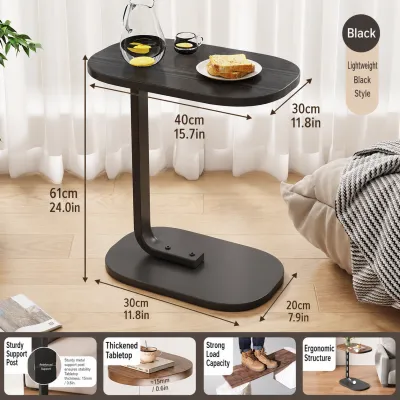
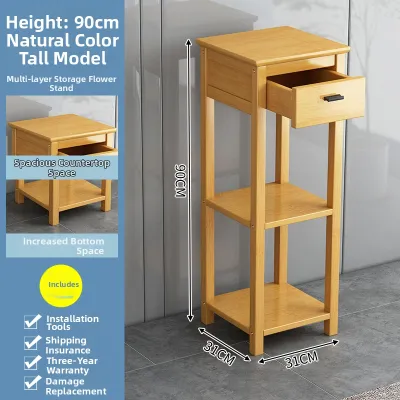
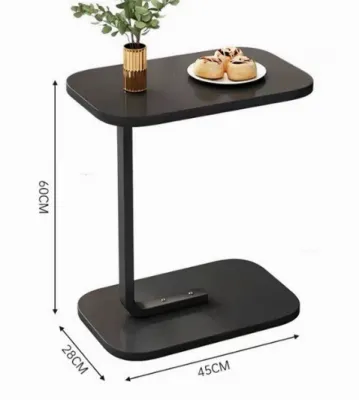
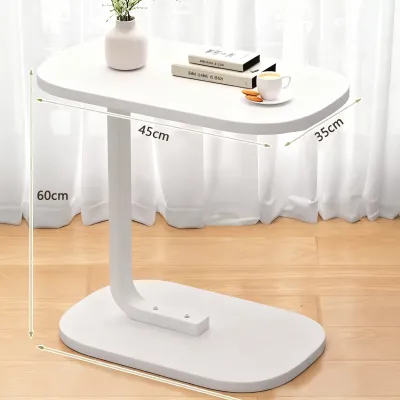
Prices are valid at publication and may change. Please refer to the product page for the latest price.
Aligning Table Height with Your Mattress
The height of your bedside side tables directly impacts how comfortable they are to use on a daily basis. To find your ideal target height, measure from the floor to the very top of your mattress, making sure to include any thick mattress toppers or protectors you use. For the most ergonomic experience, select a table surface that sits level with or up to 5 centimeters below the top of your mattress. This alignment allows you to reach for your phone, a glass of water, or a reading lamp naturally from a lying position without straining your shoulder or back.

Choosing a table that is significantly taller than your mattress can create a visual barrier and increase the risk of accidental bumps. In the dark, a high table corner poses a hazard to your arms and head when you roll over or reach out. Additionally, keep in mind how your mattress behaves when you sit on the edge; a soft foam mattress or a thick topper will compress under your weight, making a tall table feel even more imposing. Ensuring the table surface is slightly lower than the uncompressed mattress top helps prevent these issues and maintains a clean, proportional look.
Balancing Width and Depth for Tight Layouts
When space is limited, the horizontal footprint of your bedside side tables is just as important as their height. Select a narrow width that fits comfortably within your measured gap without overlapping the decorative trim of your headboard or pressing tightly against window curtains. In humid tropical climates, squeezing furniture too tightly into corners can restrict airflow, leading to dust accumulation and potential moisture issues against concrete walls. A small gap of a few centimeters on either side of the table helps maintain healthy ventilation and makes cleaning much easier.
Depth is another critical dimension that affects both safety and room flow. A bedside table should never protrude past the front edge of your mattress, as a projecting corner becomes a constant tripping hazard when you get out of bed in the dark. Keeping the depth shallow—ideally under 35 centimeters—preserves the visual lines of the room and ensures your walking path remains completely unobstructed.
To optimize this compact footprint, carefully consider the visual weight of different furniture designs. Solid, boxy bedside tables with multiple drawers provide excellent storage but can make a small room feel crowded and dark. On the other hand, tables with open metal frames, slender legs, or single-drawer designs allow light and air to pass through, creating an illusion of spaciousness. If you need to conceal clutter like charging cables and personal items, a hybrid design featuring one small drawer and an open lower shelf offers a practical compromise that keeps the room looking tidy and light.
Exploring Space-Saving Alternatives and Designs
If your bedroom layout is exceptionally tight and cannot accommodate a traditional floor-standing table, several creative alternatives can provide the surface area you need. Wall-mounted floating shelves or compact floating drawers are excellent solutions that keep your floor space completely clear. This open area underneath not only makes a small room feel larger but also simplifies daily sweeping and mopping. Before installing a floating shelf, always verify the load-bearing capacity of your wall; solid concrete walls common in local homes provide excellent support for heavy-duty anchors, whereas hollow drywall partitions require careful installation on studs.
Another highly flexible option is a mobile utility cart with lockable wheels or a set of nesting side tables. These versatile pieces can be rolled or slid out of the way when you need to open a wardrobe door or clean the room, and then positioned next to the bed when you retire for the night. Alternatively, if your bed is positioned next to a window with a deep sill, you can utilize the sill as a built-in shelf. Some modern bed frames also feature integrated headboard shelving, which completely eliminates the need for separate bedside tables by utilizing the vertical space directly behind your pillows.
Common Sizing and Placement Mistakes to Avoid
One of the most frequent mistakes when selecting bedroom furniture is forgetting to account for the thickness of baseboards or skirting boards. These decorative trims along the bottom of the wall can prevent a flat-backed bedside table from sitting completely flush against the wall, stealing valuable centimeters and creating a gap where small items can fall. Always measure your available width from the baseboard rather than the bare wall to ensure your furniture fits perfectly within the designated space.
Another common error is choosing a table that blocks access to essential wall outlets, light switches, or charging ports. Before finalizing your table’s position, check the location of your electrical fixtures. Ensure there is enough clearance behind or beside the table to plug in your devices without bending the cables at sharp, damaging angles. Leaving a small gap of 5 to 10 centimeters between the table and the wall not only protects your electronics but also allows you to operate light switches comfortably from your bed.
Frequently Asked Questions (FAQ)
Can I use a regular side table as a bedside table in a small room?
Yes, regular living room side tables can work exceptionally well in a bedroom, provided their height and depth match your bed setup. Many accent tables feature slim metal frames, round tops, or minimalist designs that fit easily into tight corners where standard bedside drawers might feel too bulky. Just ensure the table’s surface finish can withstand occasional moisture from a water glass, and verify that the height allows for an easy, ergonomic reach from your mattress.
Should both bedside tables be the exact same size?
In a small bedroom, matching bedside tables are not necessary and can sometimes make a tight layout feel rigid and unbalanced. If one side of your bed has more clearance than the other, you can use a slightly larger drawer unit on the spacious side and a minimalist floating shelf on the tighter side. This asymmetrical approach allows you to maximize storage where space permits while keeping walking paths clear on the narrower side of the room.

Community discussion
Share your experience or ask a question. Comments are reviewed before publication.