
Selecting a book shelf rack for a compact home office or condo study area requires balancing vertical storage capacity with a slim physical footprint. In a limited workspace, an oversized shelf can quickly make the room feel cramped, block natural light, or obstruct daily movement. By focusing on vertical height, choosing a style with low visual weight, and verifying exact dimensions, you can maximize your storage without sacrificing the comfort of your workspace.
To find a suitable fit, you must look beyond aesthetics and evaluate how a shelf interacts with your specific room layout. A tall, narrow unit or an open-frame ladder design often provides a practical compromise, offering ample shelf space while keeping the floor area clear. This guide outlines the essential steps to measure your space, select the right dimensions, choose a style that enhances room flow, and ensure a safe, stable installation.
Assessing Your Compact Office Space
Before browsing online marketplaces or visiting local furniture showrooms, you need a precise map of your available office space. Start by using a metal measuring tape to record the width, depth, and height of the specific area where you plan to place the book shelf rack. Do not rely on visual estimates, as even a discrepancy of a few centimeters can prevent a furniture piece from fitting into a designated nook.
Products mentioned in this guide
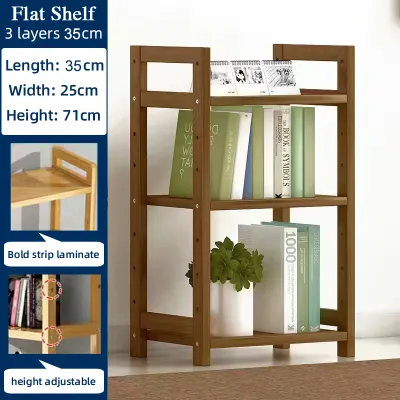

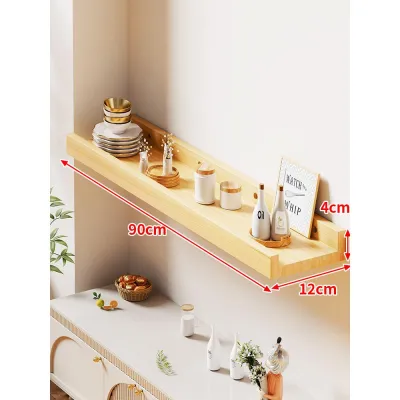
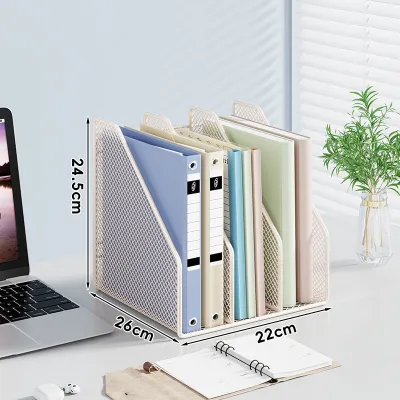
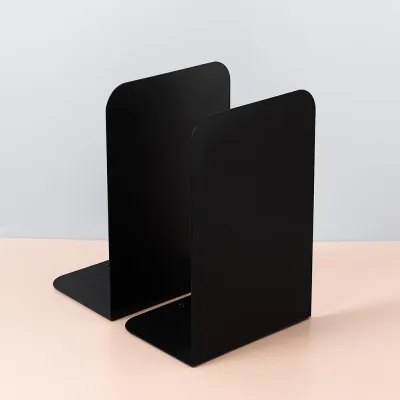
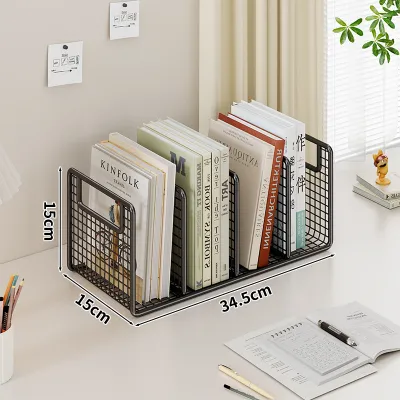
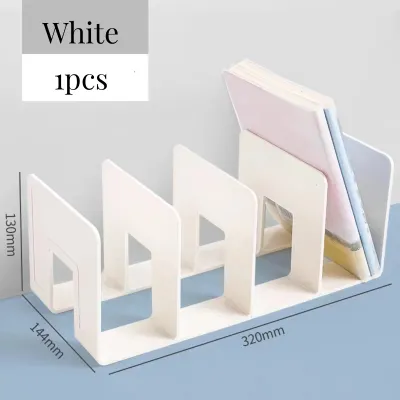
Prices are valid at publication and may change. Please refer to the product page for the latest price.
Beyond the static footprint of the shelf, you must account for the dynamic flow of the room. Measure the clearance required for your office chair to roll back comfortably without striking the front of the shelf. If the shelf is positioned near an entryway or closet, calculate the swing path of the doors to prevent collisions. Walkways should remain wide enough for you to move freely through the room without having to squeeze past the furniture.
Finally, inspect the wall and floor area for physical obstacles. Note the location of electrical outlets, internet ports, and light switches to ensure the shelf does not block access to essential connections. In tropical climates, pay close attention to the positioning of split-type air conditioning units and wall-mounted fans, as you must avoid blocking their airflow or exposing your books to direct condensation. Additionally, check for protruding baseboards, which can prevent a tall shelf from sitting completely flush against the wall, potentially compromising its stability.
Choosing the Right Dimensions for a Book Shelf Rack
Once you have mapped your room, you can determine the ideal dimensions for your book shelf rack. The depth of the shelves is a critical factor that dictates what you can store and how much floor space you will lose. Standard novels and paperbacks typically require a shelf depth of only 20 to 25 centimeters. However, if you plan to store large office binders, document boxes, or reference manuals, you will need an internal shelf depth of at least 30 to 35 centimeters. Always check the manufacturer’s internal specifications, as the external depth of the unit may include decorative trim or back panels that reduce the actual usable storage space.

The height of the shelf should balance your storage needs with the visual volume of the room. In a small office, utilizing vertical space is highly efficient. A tall unit that reaches close to the ceiling maximizes storage on a minimal footprint. However, a massive, solid bookcase can make a small room feel dark. If your office has limited windows, consider a medium-height rack or an open-frame design that allows natural light to filter through, keeping the workspace bright and airy.
Weight capacity is another crucial dimension that is often overlooked. Paper, especially when packed tightly in binders or textbooks, is heavy. Before purchasing, locate the manufacturer’s weight capacity label for each individual shelf. Avoid placing heavy office equipment, such as printers or paper shredders, on shelves that are not explicitly rated for those loads. If the manufacturer does not provide clear weight limits, it is safer to assume a lower capacity and reserve the unit for lighter decorative items and standard books, placing any heavy items on the bottom shelf to maintain a low center of gravity.
Selecting Styles That Maximize Storage and Flow
The style of your book shelf rack plays a major role in how spacious your home office feels. Open shelving units, such as ladder shelves or metal-frame racks, have a low visual weight because they allow you to see the wall behind them. This openness helps a small room feel larger and keeps your frequently used reference materials easily accessible. However, open shelves require regular organizing to prevent visual clutter, and they offer no protection from dust, which can accumulate quickly in urban environments.
In contrast, closed cabinets or units with lower drawers provide effective dust protection and allow you to hide unsightly office supplies, cables, and personal items. A hybrid design—featuring open shelves on top for books and closed cabinets at the bottom—offers the benefits of both styles. For exceptionally tight layouts, consider specialized configurations. Corner bookshelf units turn underutilized corners into functional storage zones, while floating shelves keep the floor completely clear, creating an illusion of extra space.
To maintain a cohesive and uncluttered look, match the materials and finishes of the rack to your existing office furniture. In smaller spaces, light-colored finishes, such as white, light oak, or pale gray, reflect more light and blend seamlessly into the walls. If you prefer metal frames, slim black or chrome profiles offer a modern, industrial aesthetic without overwhelming the room. Always inspect the quality of the finish and joints; in humid tropical regions, look for powder-coated metal frames that resist rust and moisture-resistant coatings on engineered wood to prevent warping over time.
Installation, Safety, and Clearance Checks
Ensuring the safety and stability of your book shelf rack is the final, crucial step of the setup process. Tall, narrow, or top-heavy shelving units pose a significant tip-over risk, especially if they are loaded unevenly or placed on carpeted floors. To prevent accidents, always secure tall racks to the wall using appropriate anchoring hardware. Before drilling, verify your wall type—whether it is concrete, hollow block, or drywall—and use the specific wall plugs and screws recommended for that material.
Proper clearance is also essential for maintaining your office equipment and protecting your walls. Leave a small gap of two to three centimeters between the back of the shelf and the wall. This gap facilitates cable management, allowing power cords for desk lamps, chargers, or printers to pass through without being pinched. It also ensures adequate air circulation, preventing moisture from getting trapped behind the unit, which can lead to mold growth on both your books and the wall surface.
When assembling the unit, carefully follow the manufacturer’s step-by-step instructions and use the provided hardware. Avoid skipping any structural supports, such as cross-bracing or back panels, as these elements prevent the shelf from swaying or collapsing under a load. Once assembled, distribute your items strategically: place your heaviest books, binders, and storage boxes on the lowest shelves, and reserve the upper shelves for lighter items. This simple practice keeps the unit stable and significantly reduces the risk of tipping.
Frequently Asked Questions (FAQ)
Can I use a wall-mounted book shelf rack in a rented condo?
Before installing a wall-mounted book shelf rack in a rented condo, carefully review your lease agreement regarding wall modifications. Many landlords prohibit drilling deep holes into concrete or drywall, or they may require you to patch and repaint the walls before moving out. If drilling is permitted, ensure you use heavy-duty wall anchors suitable for the condo’s wall construction to support the weight of your books safely. If drilling is strictly prohibited, look for alternative damage-free options, such as freestanding narrow ladder shelves, tension-mounted shelving systems that secure between the floor and ceiling, or low-profile floor units that do not require wall anchoring.
How deep should a book shelf rack be for standard office binders?
To ensure your office binders fit properly, start by measuring the exact depth and height of your largest folders or binders, as standard three-ring binders often measure around 28 to 30 centimeters deep. When shopping, check the product’s internal shelf depth specifications rather than just the external dimensions, as back panels, doors, or front frame lips can reduce the usable space. A book shelf rack with an internal depth of 30 to 32 centimeters is generally ideal for standard binders. Finally, verify that this external depth does not protrude too far into your room, ensuring it leaves enough clearance for walkways and your office chair.

Community discussion
Share your experience or ask a question. Comments are reviewed before publication.