
Finding the right folding bed with a pad for kids in the Philippines requires balancing space-saving convenience, safety features, and supportive cushioning suitable for tropical climates. Since children are growing and active, the ideal choice is not a single universal model but rather a sturdy, well-ventilated, and securely locking folding bed that matches your child’s weight and your home’s specific layout. In Philippine households, space is often at a premium, especially in urban condominiums, townhouses, or shared family bedrooms. A folding bed with an included pad offers a flexible sleeping solution for afternoon siestas, weekend sleepovers with cousins, or transition periods before moving a child into their own room. However, because children use these beds differently than adults—often jumping, playing, or tossing and turning—parents must look beyond basic aesthetics to evaluate structural integrity, mattress breathability in humid weather, and safety mechanisms. By focusing on objective verification steps, structural checks, and material quality, you can select a safe and comfortable sleeping option that fits seamlessly into your home.
Assessing Space, Usage, and Weight Requirements
Before browsing online marketplaces or local furniture showrooms, you must establish the physical and practical boundaries of your purchase. The first step is to measure the exact floor area where the bed will be unfolded. Ensure there is ample clearance space around the bed so your child can get in and out safely without bumping into walls, sharp furniture corners, or electric fans. It is equally important to measure your designated storage area, whether that is a closet, a gap behind a wardrobe, or a corner of the room, to ensure the folded unit fits comfortably when not in use.
Next, define the primary use case for the folding bed. A bed intended for daily afternoon naps or nightly sleep requires a much more robust frame and a highly resilient pad than one meant only for occasional weekend guests. If the bed will be moved frequently between rooms, lightweight portability and smooth-rolling wheels become essential features. Conversely, if the bed will remain in one room and only fold up to clear floor space during the day, you can prioritize a heavier, more substantial frame that offers enhanced stability.
Products mentioned in this guide
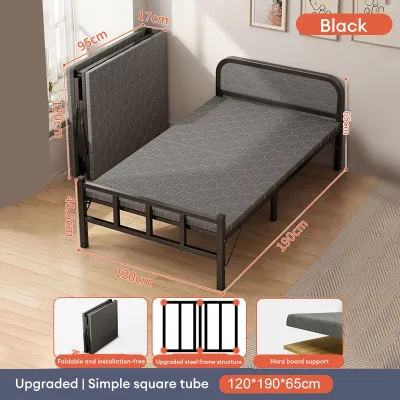
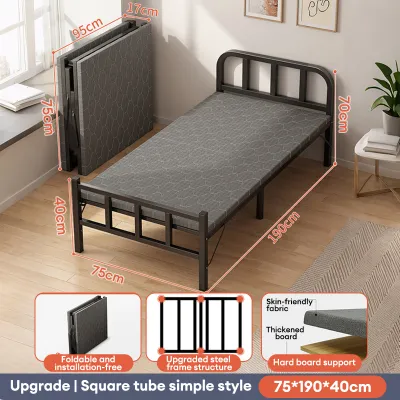
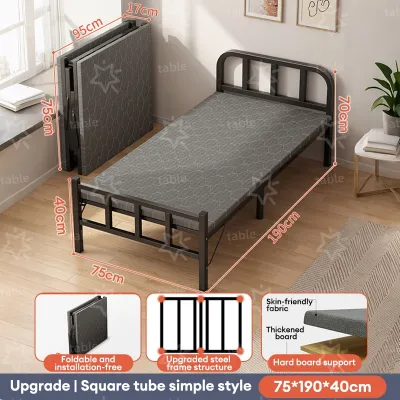
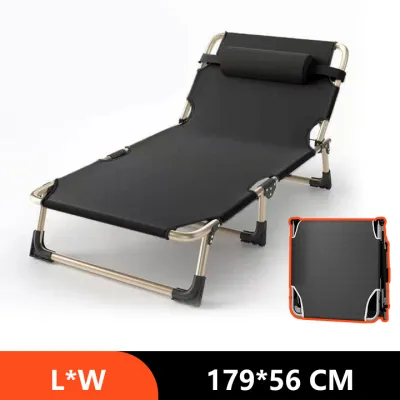
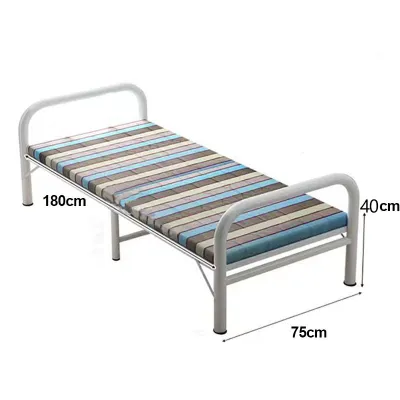
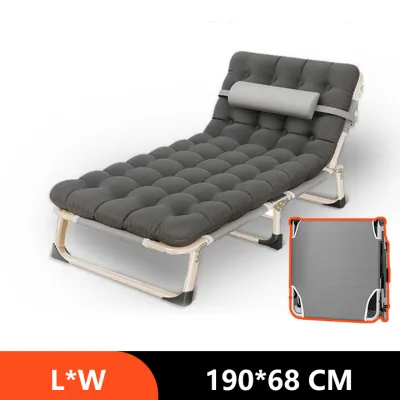
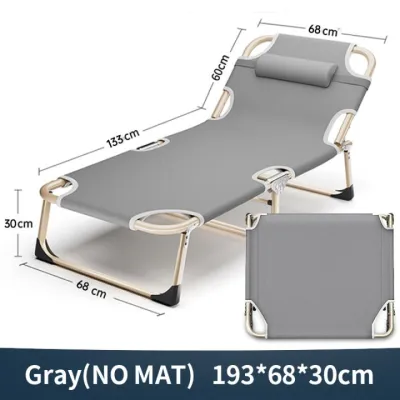
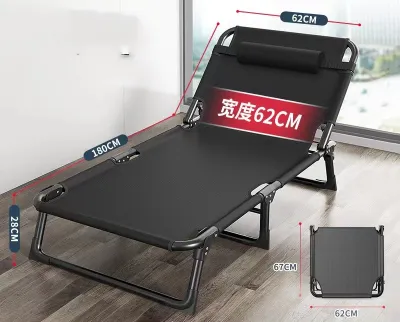
Prices are valid at publication and may change. Please refer to the product page for the latest price.
Finally, check the manufacturer’s specified weight capacity against your child’s current and projected weight. Children grow rapidly, and their active movements exert dynamic forces that exceed their static weight. Look for the official weight limit in the product manual or listing, and factor in a generous safety margin. If your child weighs 25 kilograms, choosing a bed rated for a significantly higher capacity ensures the frame can handle the extra stress of active use and remain durable over several years. Never guess or assume a standard capacity; always verify the official specifications provided by the seller.
Essential Safety and Stability Checks for Children
Safety is the paramount concern when selecting any furniture for children, and folding beds require extra scrutiny due to their moving parts. The most critical safety feature to verify is a reliable locking mechanism. When the bed is fully unfolded, the frame must lock securely into place so that it cannot accidentally fold or collapse if a child shifts weight, rolls near the edge, or sits down heavily. Look for physical locking pins, safety latches, or gravity-assisted locks that require deliberate manual force to disengage. Avoid models that rely solely on tension or friction to stay open, as these can fail under sudden movement.

Hinges, joints, and scissor-like folding mechanisms present inherent pinch points that can easily trap small fingers or skin. When evaluating a folding bed, inspect the frame design to see if these moving parts are shielded, recessed, or positioned away from where a child might naturally grab the bed while climbing in or out. It is highly recommended to choose frames with smooth, rounded joints rather than sharp metal edges. Regardless of the design, teach your child that the folding mechanism is not a toy and should only be operated by an adult.
Frame stability and the bed’s center of gravity are crucial for preventing tip-over accidents. Children rarely lie perfectly still, and they may attempt to sit or stand on the very edge of the bed. A safe folding bed must have a low center of gravity and a wide, stable base. Examine the leg design: wide-set legs with non-slip rubber or plastic caps offer the best traction on smooth tile, polished wood, or vinyl floors common in Philippine homes. Avoid frames with narrow, spindly legs or those that wobble when light lateral pressure is applied, as these are highly susceptible to tipping if a child climbs over the side.
Evaluating the Mattress Pad for Comfort and Support
The mattress pad included with a folding bed plays a vital role in supporting your child’s developing spine and ensuring a restful sleep. A pad that is too thin or soft can cause the child to sink directly onto the metal or wooden support slats of the frame, leading to discomfort and poor sleep posture. Look for high-density foam pads that distribute weight evenly across the surface. While a thicker pad generally offers more cushioning, ensure the foam is firm enough to support the child’s body rather than letting them bottom out against the frame.
The warm, humid climate of the Philippines makes breathability a top priority for children’s bedding. Sweat and spills can quickly lead to mold, mildew, or unpleasant odors if moisture gets trapped within the mattress fibers. Choose pads covered in breathable fabrics like cotton, bamboo-derived textiles, or moisture-wicking synthetic blends that promote airflow. Removable, machine-washable covers are highly advantageous, as they allow you to easily clean up spills, sweat stains, or accidental bedwetting, maintaining a hygienic sleeping environment.
Consider how the pad connects to the folding frame. Some folding beds feature permanently attached pads, which prevent the mattress from sliding or shifting during the night. However, removable pads are far easier to deep clean, air out under the sun, or replace entirely if the foam degrades over time. Weigh this trade-off based on your cleaning routine and how prone your child is to spills. If you choose a removable pad, ensure it has secure straps or a non-slip bottom to keep it firmly in place on the frame during use.
Building a Conditional Shortlist Based on Your Needs
To simplify your search on online marketplaces or at local retailers, it helps to group available folding beds into specific feature profiles that match your household’s unique situation.
If your primary constraint is a tight bedroom, a shared nursery, or a studio condo, focus on the small-space profile. Prioritize compact folded dimensions, lightweight frames, and vertical storage capabilities. Look for beds that fold flat to a minimal thickness, allowing them to slide easily into narrow gaps behind doors, inside wardrobes, or under a main bed. A lightweight aluminum or thin-walled steel frame is ideal here, as it allows you to lift and store the bed without straining.
For frequent or daily use, shift your focus to the durability profile. Prioritize heavy-duty steel frames with reinforced joints, multiple support legs, and a thicker, high-resilience foam pad that retains its shape over months of continuous use. Easy-deploy mechanisms, such as smooth-gliding hinges and simple locking latches, will save you time and effort during the daily morning fold-up routine. While these models may be heavier and slightly bulkier, their robust construction ensures long-term comfort and safety.
If the bed will travel frequently to grandparents’ houses, vacation rentals, or weekend trips, look for the travel-friendly profile. Seek out folding beds that come with dedicated carry bags, secure storage straps to keep the unit closed, or built-in caster wheels. Wheels allow you to roll the bed effortlessly across flat surfaces, while a sturdy carry bag protects the fabric pad from dust, dirt, and damage during transport in a car trunk or storage utility vehicle.
Purchasing, Delivery, and Pre-Assembly Verification
Once you have identified the right profile, the final step is to navigate the purchasing and delivery process safely. When buying from online retailers or brand stores, carefully review the seller’s return policy, warranty terms, and customer support channels. Because folding beds are large, bulky items, returning a defective unit can be costly and logistically challenging. Look for sellers who offer clear guarantees against manufacturing defects and have a reliable track record of customer service.
Before placing your order, measure your home’s entry points to ensure a smooth delivery. Verify that the packaged box can easily pass through your front door, narrow hallways, stairwells, or condominium elevators. Some folding beds arrive fully assembled in large, bulky boxes, while others require partial assembly. Confirm the package dimensions with the seller beforehand to avoid delivery day surprises or finding yourself unable to bring the box inside.
Once the bed arrives, unbox it carefully and conduct a thorough pre-assembly inspection before letting your child use it. Check the metal frame for any sharp edges, rough welds, or peeling paint that could cause scratches or cuts. Test the folding mechanism several times to ensure it operates smoothly without sticking or binding. Verify that all screws, bolts, and safety pins are present and securely tightened, and inspect the mattress pad for any tears, dampness, or unusual chemical odors that require airing out in a well-ventilated room.
Frequently Asked Questions (FAQ)
Can a folding bed with a pad replace a regular kids' bed for daily use?
While high-quality folding beds offer excellent temporary comfort, they are generally not designed to replace a standard, permanent bed for daily, long-term use. Over extended periods, the folding joints and support slats may experience wear, and thinner mattress pads may not provide the consistent, robust spinal support that a growing child needs. If you must use one daily, ensure you choose a heavy-duty model, regularly inspect the frame for wear, and verify that the mattress pad remains firm and supportive.
How do I clean and maintain the mattress pad?
Proper maintenance is essential to keep the sleeping surface hygienic, especially in humid tropical conditions. If the pad has a removable cover, unzip it and wash it according to the care label instructions, typically using a gentle cycle with mild detergent. For non-removable pads, spot-clean spills immediately with a damp cloth and mild soap, avoiding soaking the foam. Regularly air out the mattress pad in a well-ventilated area or under indirect sunlight to eliminate moisture and prevent mold growth.
What should I check regarding the weight limit?
Always locate the exact weight capacity specified by the manufacturer in the product manual or official online listing. Do not rely on generic estimates, as capacities vary widely based on frame materials and construction. When calculating suitability, factor in your child’s current weight, projected growth over the next few years, and a safety buffer to account for the dynamic impact of sitting down quickly or tossing during sleep.

Community discussion
Share your experience or ask a question. Comments are reviewed before publication.