
Selecting a single folding bed for an adult in a compact condominium requires balancing physical comfort with strict spatial limitations. In high-density urban areas where studio and one-bedroom units dominate the housing market, every square meter of floor space must be utilized efficiently. A temporary sleeping solution cannot simply be an afterthought; it must support an adult’s body weight safely while remaining easy to fold, move, and store out of sight during the day.
To find a reliable folding bed single for adult use, you must look beyond generic marketing claims of convenience. A successful purchase depends on verifying structural specifications, understanding how different folding mechanisms interact with your room layout, and taking precise measurements of both your living space and your storage areas. By focusing on these practical engineering and spatial factors, you can secure a durable bed that provides a restful night’s sleep without cluttering your home.
Essential Specs for Adult Weight and Daily Use
When evaluating a folding bed for adult use, structural integrity is the most critical factor. Unlike beds designed for children, an adult sleeping platform must withstand higher static loads and the dynamic forces of tossing and turning. You should never assume a bed is sturdy simply because it is made of metal or wood. Instead, look for specific manufacturing details regarding frame construction. Heavy-duty steel frames with powder-coated finishes generally offer the best resistance to bending and scratching, but you must verify the thickness of the metal tubing and the reinforcement of the joint connections. Double-braced legs and reinforced corner brackets are excellent indicators of a frame built to handle daily adult use.
Products mentioned in this guide
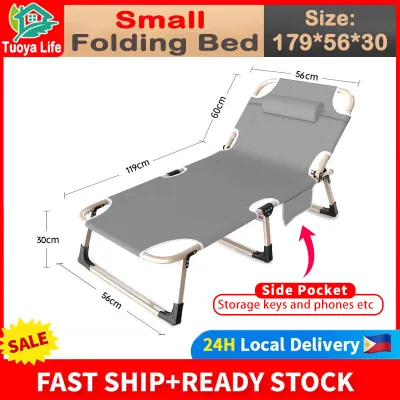
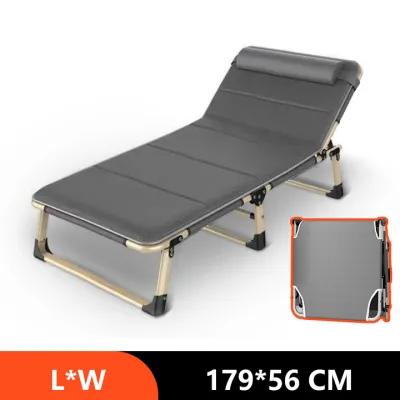
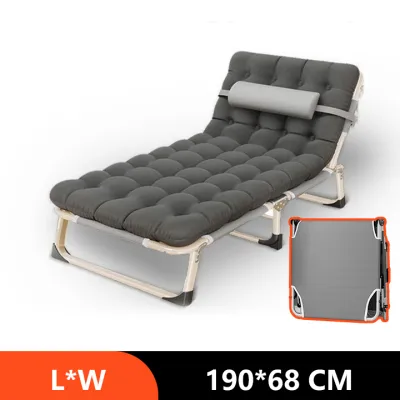
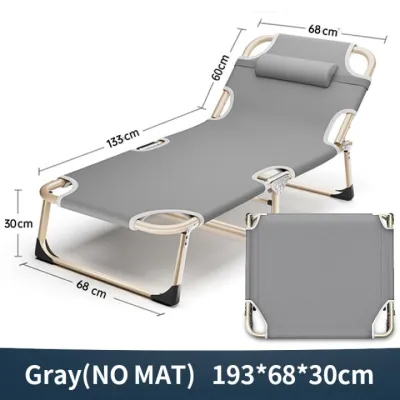
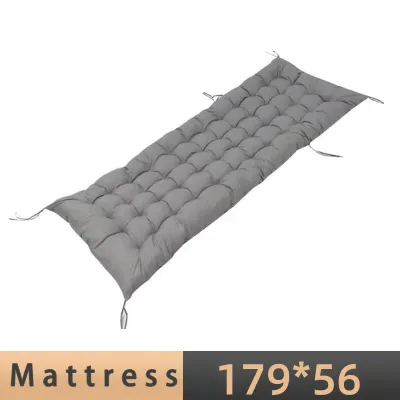
Prices are valid at publication and may change. Please refer to the product page for the latest price.
Always check the manufacturer’s certified weight capacity before making a decision. For a single adult, a safe weight limit should ideally start at 100 kilograms, though frames rated for 120 kilograms or more provide a reassuring safety margin. Be cautious of listings that omit weight ratings entirely, as these frames are often constructed from thin-walled aluminum or low-grade steel that can bow or buckle under continuous adult use. Pay close attention to the welding points along the frame; clean, continuous welds are far more reliable than spot welds, which can crack under repeated stress.
The mattress itself must strike a delicate balance between supportive comfort and folding flexibility. A mattress that is too thin will allow the sleeper to feel the support frame underneath, leading to poor sleep quality and back discomfort. Conversely, a mattress that is too thick will resist folding, putting unnecessary strain on the hinges and preventing the bed from closing tightly. For adult comfort, look for high-density polyurethane foam or memory foam with a thickness of at least 5 to 10 centimeters. High-density foam retains its shape and supportive properties much longer than low-density alternatives, which tend to sag permanently after just a few weeks of use.
Finally, examine the base support structure beneath the mattress. The three most common designs are wire mesh decks, wooden slats, and tensioned fabric bases. Wire mesh decks offer excellent durability and do not sag easily, provided the wire gauge is thick and secured by high-tension springs. Wooden slats provide a firmer, more traditional mattress feel and promote excellent weight distribution, but you must check that the slats are made of resilient hardwood and spaced closely together to prevent the mattress from dipping between them. Tensioned fabric bases are lightweight and easy to fold, but they are generally best suited for occasional guest use rather than daily sleeping, as the fabric can stretch and sag over time under adult weight.
Folding Mechanisms and Space-Saving Designs
Folding beds come in several distinct designs, each offering unique advantages depending on your daily routine and the layout of your condo. The most common styles are bi-fold and tri-fold mechanisms. A bi-fold bed folds once in the center, creating an upright, book-like shape. This design typically accommodates a thicker, one-piece mattress because the fold angle is less severe. However, bi-fold beds have a larger folded footprint and stand relatively tall when stored, which means they require a dedicated closet or a visible corner of the room.

Tri-fold beds, on the other hand, fold in two places to create a highly compact, three-layered stack. This design often utilizes a segmented mattress that folds neatly along the joints. Tri-fold beds are exceptionally space-efficient and can easily slide into deep closets, under high-clearance bed frames, or even double as a low bench or ottoman when covered with a decorative fabric. The trade-off is that the segmented mattress may have noticeable gaps or seams that some sleepers find uncomfortable, and the additional hinges introduce more moving parts that require regular inspection.
Another major design distinction is between rollaway beds with caster wheels and flat-folding floor beds. Rollaway beds are ideal if you need to move the bed between different rooms frequently. They feature integrated wheels that allow you to glide the bed from a storage closet to the living area without lifting heavy frame components. When choosing a rollaway bed, ensure the casters are made of non-marking materials like polyurethane or rubber to protect your condo’s vinyl, laminate, or hardwood flooring. Additionally, at least two of the wheels must feature reliable locking brakes to keep the bed stationary while you sleep.
Flat-folding floor beds lack wheels and legs, folding completely flat so they can be tucked under a sofa or stood upright against a wall behind a wardrobe. These are highly stable because they sit directly on the floor, eliminating any risk of frame wobble or wheel movement. However, they require manual lifting to set up and store, which may not be suitable for individuals with back pain or limited physical strength. When choosing between these mechanisms, consider how often you will set up the bed; a rollaway bed with a smooth bi-fold hinge is superior for daily use, while a flat-folding tri-fold bed is excellent for saving maximum space.
How to Measure Your Condo Space Before Buying
Before browsing online marketplaces or visiting local furniture showrooms, you must take precise measurements of your condominium. Do not rely on visual estimations, as compact spaces can be highly deceptive. Begin by calculating the unfolded footprint of the bed. A standard adult single bed typically measures approximately 90 centimeters in width and 190 centimeters in length. Mark this exact area on your bedroom floor using masking tape to visualize how much space the bed will occupy when fully extended.
Once the footprint is marked, evaluate the clearance zones around the bed. You need at least 50 to 60 centimeters of open walking space on at least one side of the bed to get in and out comfortably. Furthermore, check the swing paths of all nearby doors, including your main bedroom door, wardrobe doors, and cabinet drawers. The bed must not block these paths when unfolded. If your condo features a sliding balcony door or a tight hallway entrance, ensure the bed does not obstruct these critical pathways, especially in the event of an emergency.
Next, measure your designated storage area with equal precision. If you plan to store the bed in a closet, measure the interior height, width, and depth, keeping in mind that closet doors often reduce the usable entry width. If you plan to slide a flat-folding bed under an existing sofa or master bed, measure the vertical clearance from the floor to the lowest point of the furniture frame. Compare these dimensions directly against the manufacturer’s specified folded dimensions. Always allow a clearance margin of at least 3 to 5 centimeters on all sides of the folded bed to ensure you can slide it in and out of storage without scraping your walls or pinching your fingers.
Finally, map out the delivery route from the building’s entrance to your condo unit. Many high-rise developments have strict limitations on cargo sizes. Measure the height, width, and depth of the building’s service elevator, as well as the width of your unit’s main doorway and any tight corners in your hallway. A folding bed that cannot fit through the elevator door or around a sharp hallway bend will be incredibly difficult to bring inside. Checking these dimensions beforehand prevents the frustration of receiving a boxed product that you cannot physically transport into your home.
Building Your Shortlist: Evaluating Options Online and In-Store
With your measurements in hand, you can begin compiling a shortlist of potential folding beds. When shopping on ecommerce platforms, use search filters to narrow down options by verified weight capacity and exact dimensions rather than relying on vague product titles. Be skeptical of listings that use generic stock photos without showing close-up views of the hinges, frame joints, and mattress support system. A reputable seller will provide detailed diagrams showing both the folded and unfolded dimensions down to the millimeter.
User reviews are an invaluable resource for identifying potential long-term issues that are not apparent from product descriptions. Look specifically for feedback from verified adult buyers who have used the bed for several months. Search the review section for keywords such as “squeak,” “sag,” “wobble,” or “rust.” A frame that squeaks every time the sleeper shifts position can quickly become a major annoyance in a quiet condo. Pay attention to comments regarding the durability of the hinges and whether the mattress retains its firmness over time. If multiple reviews mention that the frame bent or the wheels broke under normal adult use, remove that option from your list.
When comparing prices in Philippine Pesos (₱), look at the total value proposition rather than simply choosing the cheapest option. A very low-priced folding bed may save you money initially, but if the mattress sags within a month or the frame bends, you will end up spending more on a replacement. Compare the retail price against the warranty coverage provided. A reliable manufacturer should offer a warranty on the structural frame and moving parts, such as hinges and locks. Additionally, check the seller’s return policy and delivery options; some retailers offer home delivery and assembly services, which can save you significant time and effort, especially if you live on a high floor.
If you prefer to shop in physical furniture showrooms, take the opportunity to test the bed in person. Do not hesitate to sit and lie down on the display model to assess the firmness of the mattress and the stability of the frame. Shake the frame gently to check for any loose joints or structural play. Practice folding and unfolding the bed yourself to evaluate the weight of the frame and the smoothness of the hinge mechanism. If the bed is difficult to operate in the showroom, it will likely be even more frustrating to deal with in the tight confines of your condo bedroom.
Setup, Daily Use, and Maintenance Checks
Once you have purchased and assembled your single folding bed, establishing a routine of safety and maintenance checks will significantly extend its lifespan. Before every use, take a moment to verify that all locking mechanisms are fully engaged. Many folding beds feature safety pins, latch straps, or locking hinges designed to prevent the frame from folding unexpectedly while you are asleep. If your bed is a rollaway model, always engage the caster brakes once the bed is in position to prevent it from rolling or shifting when you get in and out.
Periodically inspect the structural components of the frame. Over time, the vibrations and movements of daily use can cause screws, bolts, and hinge pins to loosen. Keep a basic toolset on hand and check these connections every few months, tightening any loose hardware immediately. If you notice any squeaking or resistance when folding the bed, apply a small amount of silicone lubricant to the hinges and pivot points. Avoid using heavy oils or WD-40, which can attract dust and lint, leading to clogged mechanisms and premature wear.
Proper mattress care is essential, especially in the tropical, humid climate of the Philippines. When a folding bed is stored in a tightly closed closet or pressed against a concrete wall, moisture can easily become trapped between the mattress and the frame, creating an ideal environment for mold and mildew. To prevent this, always allow the bed to air out for at least 15 to 30 minutes after waking up before folding it away. This allows body heat and moisture to dissipate from the fabric and foam.
Additionally, use a high-quality, breathable, water-resistant mattress protector to shield the foam from sweat and accidental spills. Rotate the mattress end-to-end every few weeks to ensure even wear and prevent permanent body impressions from forming in the foam. If possible, place the mattress in a well-ventilated area near a window or under an air conditioner periodically to ensure it remains completely dry. By incorporating these simple checks and maintenance habits into your routine, your folding bed will remain a comfortable, safe, and space-saving asset in your condo for years to come.
Frequently Asked Questions (FAQ)
Can a single folding bed be used as a permanent daily bed for an adult?
While high-quality single folding beds are excellent for temporary or medium-term use, they are generally not recommended as permanent, year-round primary beds for adults. Over extended periods of daily use, even high-density foam mattresses will begin to sag, and the metal joints or wooden slats can experience material fatigue, leading to reduced spinal support and potential back discomfort. Additionally, the constant folding and unfolding process subjects the hinges and frame to continuous wear and tear. If you must use a folding bed daily, it is crucial to choose a heavy-duty model with a thick, non-segmented mattress and a highly robust steel frame, and to check the manufacturer’s guidelines regarding continuous versus occasional use.
How do I prevent a folding bed mattress from developing mold in a humid condo?
Preventing mold in a humid condo environment requires active moisture management and proper storage habits. Never fold and store the bed immediately after waking; let it air out so that trapped body heat and moisture can evaporate. Use a breathable, moisture-wicking mattress protector to keep humidity from penetrating deep into the foam. When storing the bed, avoid pressing it tightly against exterior concrete walls, which can transfer moisture during rainy periods; instead, leave a small gap of a few centimeters to allow air to circulate. If you store the bed in a closet, consider using moisture-absorbing disposable dehumidifier canisters or silica gel packs in the space, and periodically unfold the bed in a well-ventilated room with an air conditioner or fan running to keep the materials thoroughly dry.

Community discussion
Share your experience or ask a question. Comments are reviewed before publication.