
Finding the right size mini bookshelf for a small study room requires balancing your storage needs with the physical limits of your floor plan. In compact homes and condominiums across the Philippines, where study spaces are often carved out of small bedrooms, every square centimeter counts. A bookshelf that is too large can make a room feel cramped and restrict airflow, while one that is too small will fail to organize your books and work essentials. To find the perfect fit, you must look beyond generic product labels and analyze your room’s actual dimensions, layout, and daily traffic patterns.
Selecting the ideal mini bookshelf involves understanding how the furniture interacts with your room’s architecture, your desk setup, and the local climate. High humidity levels in tropical environments mean that proper air circulation around your furniture is essential to prevent mold growth on paper and wood. By taking precise measurements and planning for functional clearances, you can select a compact shelving unit that optimizes your workspace.
Measure Your Room's True Available Footprint
Before browsing online marketplaces or visiting local furniture showrooms, you must establish the absolute physical boundaries of your study room. Begin by measuring the clear floor width and depth of the specific area where you plan to place the bookshelf. Do not simply measure from wall to wall; instead, measure from the front of the baseboards. In many local homes, thick baseboards or floor tiles prevent furniture from sitting completely flush against the wall, which can steal several centimeters of usable floor space and cause alignment issues.
Products mentioned in this guide
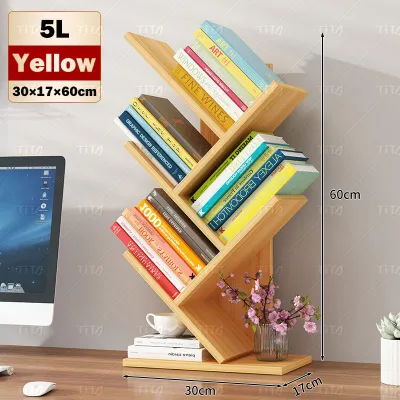
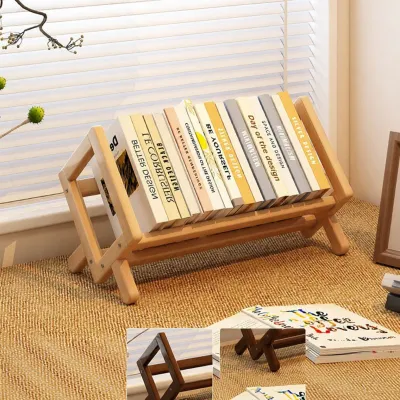
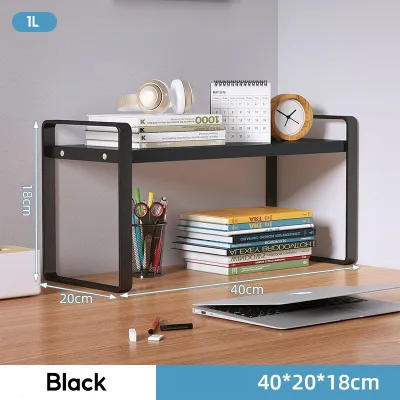
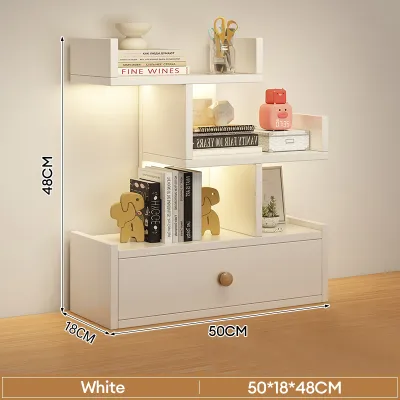
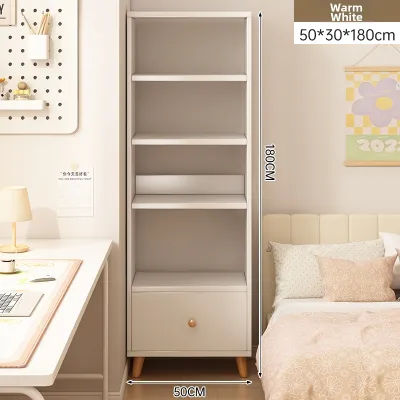
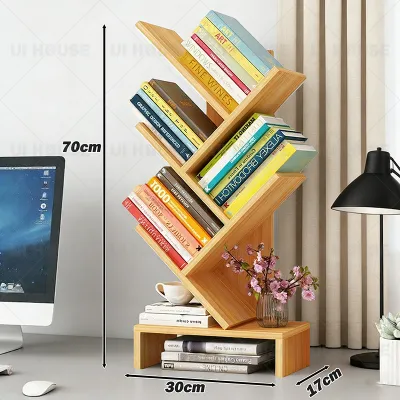
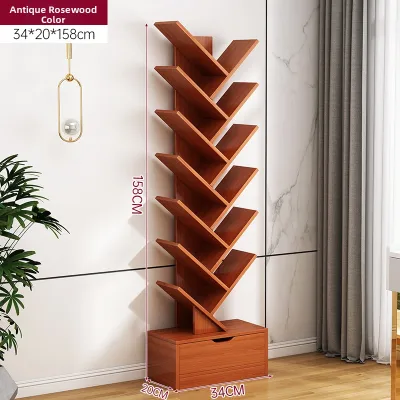
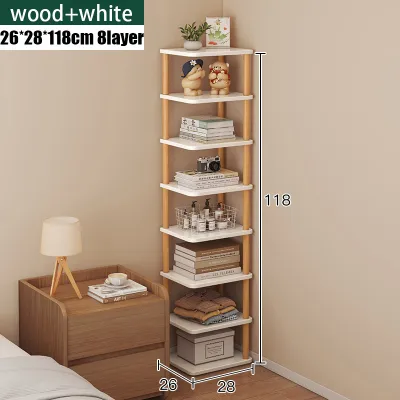
Prices are valid at publication and may change. Please refer to the product page for the latest price.
Next, evaluate the vertical space and identify any overhead obstructions. Measure the height from the floor to the ceiling, paying close attention to architectural features that might restrict a taller unit. Look out for sloping ceilings, exposed structural beams, low-hanging light fixtures, or wall-mounted air conditioning units. If you plan to place the mini bookshelf beneath a window, measure the distance from the floor to the bottom of the window sill to ensure the unit will not block natural light.
Finally, map out the operational clearances of the room. Use a tape measure to trace the swing path of the entry door, closet doors, and windows. A bookshelf placed too close to a doorway can block the door from opening fully, creating a daily frustration. Additionally, ensure the shelf does not block wall outlets, light switches, or ventilation grilles. In tropical climates, keeping a clear path for air conditioning flow and natural ventilation is crucial for maintaining a comfortable working temperature.
Map Your Measurements to Mini Bookshelf Proportions
Once you have your room’s dimensions, you can translate those numbers into realistic proportions for your mini bookshelf. Compact shelving units generally feature a depth of 20 to 30 centimeters. A shallower shelf of 20 centimeters is ideal for standard paperbacks and small novels, preserving precious walkway space in narrow rooms. If you need to store large binders, textbooks, or office files, you will need a depth of at least 30 centimeters. Carefully consider how this depth extends into your room’s main pathway to ensure you can walk past comfortably.

The visual weight of the bookshelf also plays a significant role in how spacious your study feels. A solid wood bookshelf with a closed back panel can look heavy and bulky, potentially making a small room feel claustrophobic. To maintain an open and airy feel, consider a mini bookshelf with an open-back design or a ladder-style frame. These styles allow the wall color to show through, which visually expands the room while still providing functional storage.
When shopping, never rely on generic marketing terms like “mini,” “small,” or “compact.” Manufacturers use these labels subjectively, and a unit labeled “mini” on one website might be significantly larger than expected. Always locate the detailed product specification sheet and verify the exact outer dimensions, including the total width, depth, and height. Compare these specifications directly against your measured floor footprint to confirm a precise fit before making a purchase.
Align Shelf Dimensions With Your Actual Storage Load
A bookshelf must be as functional as it is space-efficient. To choose the right size, you need to estimate the volume and weight of the items you plan to store. Gather your books, reference manuals, and decorative items, and measure their collective shelf run. For example, if you have two meters of books when lined up, you will need a bookshelf that offers at least that much total shelf length across its various tiers.
Weight capacity is a critical safety and durability factor that depends heavily on shelf span and material thickness. Books are surprisingly heavy, and a shelf that is too wide or made of thin material will sag over time under a heavy load. When evaluating a mini bookshelf, check the manufacturer’s specified load limit per shelf. For heavier textbooks or files, look for units with thicker shelves, sturdy joint construction, or central support brackets. If the manufacturer does not provide a load rating, it is safer to opt for shorter shelf spans (around 60 centimeters or less) to minimize the risk of bending.
In a small study, it is also important to balance open storage with visual clutter. A mini bookshelf packed to the brim with mismatched items can make the entire room look disorganized. Plan to use a mix of open book storage and closed storage boxes or baskets that fit perfectly onto the shelves. This allows you to hide loose office supplies, keeping your compact workspace looking clean and professional.
Optimize Placement for Flow and Accessibility
Finding the right spot for your mini bookshelf involves maximizing underutilized areas while keeping the room’s main pathways clear. Awkward corners, alcoves, or the narrow space directly beside your study desk are excellent candidates for a compact shelf. Placing a low mini bookshelf next to your desk can extend your active workspace, providing an easily accessible surface for a printer, a desk lamp, or your daily reference materials without cluttering your main desktop.
Before finalizing your placement plan, consider how the furniture will enter your home. Measure the width of your front door, hallways, stairwells, and the study room doorway. Many apartment and condominium buildings in urban areas have tight corners and narrow elevators that can make transporting fully assembled furniture difficult. If you are purchasing a pre-assembled unit, ensure it can clear these tight spots. For flat-pack furniture, verify that you have enough open floor space in the study room itself to safely lay out the pieces and complete the assembly.
Maintain clear pathways for your daily movements within the room. There should be enough space to pull out your desk chair, rotate it, and stand up comfortably without colliding with the bookshelf. As a general rule, leave at least 75 to 90 centimeters of open space in front of the bookshelf to allow you to crouch down, browse the lower shelves, and access your items without feeling restricted.
Common Sizing and Clearance Mistakes to Avoid
One of the most common mistakes when installing a mini bookshelf is overlooking the depth of baseboards and wall trim. If your baseboards stick out by two centimeters, a standard bookshelf cannot sit flush against the wall. This creates a gap behind the unit, which can cause it to lean forward slightly or block adjacent doors from opening fully. To avoid this, look for bookshelves with a baseboard cutout at the bottom rear, or factor this gap into your initial depth measurements.
Another frequent error is placing tall, narrow mini bookshelves in high-traffic areas without securing them. Even a small bookshelf can become top-heavy when loaded with books, posing a significant tip-over risk if bumped. Always check the manufacturer’s instructions regarding stability and anchoring. In many local homes with concrete or masonry walls, securing a bookshelf requires drilling and using appropriate wall plugs and screws. Never skip this step, especially if you live in an area prone to seismic activity or if the shelf is placed near your main seating area.
Lastly, do not forget to account for the physical space required to assemble flat-pack furniture. Many compact bookshelves must be assembled horizontally on the floor before being lifted upright. If your study room is extremely small and already filled with a desk and bed, you may not have enough floor space to assemble the unit. Plan ahead by clearing the room temporarily, or assemble the bookshelf in a larger living area before moving it into its final position.
Frequently Asked Questions (FAQ)
Can a mini bookshelf work as a room divider in a compact space?
A mini bookshelf can serve as an effective room divider to zone a multi-functional space, such as separating a study corner from a bedroom area. However, because these units are compact and lightweight, they lack the stability of larger furniture. If you use a mini bookshelf as a freestanding divider, you must ensure it has a wide, stable base and check if it can be safely anchored to the floor or an adjacent wall. Additionally, choose a low-profile or open-back design to prevent the unit from blocking natural light and airflow, which helps keep your small study room feeling bright and well-ventilated.
What is the ideal clearance between a bookshelf and a study desk?
To maintain comfortable ergonomics, you should allow at least 75 to 90 centimeters of clearance between your study desk and the front of your mini bookshelf. This distance provides enough room for your desk chair to swivel, roll back, and rotate without constantly bumping into the shelving unit. If your study room is exceptionally tight and the shelf must be placed closer, opt for a low-profile bookshelf that sits below desk height, or use wall-mounted shelves to keep the floor area completely clear for your chair’s movement.

Community discussion
Share your experience or ask a question. Comments are reviewed before publication.