
To fit tight corners and narrow spaces, a small table stand typically needs a compact footprint of no more than 30 to 40 centimeters in width or depth, with specialized shapes like triangles, quarter-rounds, or slim rectangles offering the most efficient fit. Finding the right size requires balancing the physical limits of your room with the functional height of your seating. In compact living areas, such as urban condominiums or cozy studio apartments in the Philippines, every centimeter of floor space counts, making precise measurements and smart shape selection essential to avoid a cramped layout.
A well-chosen table stand serves as a vital landing pad for daily items like a glass of water, a phone, or a small desk fan. However, selecting the wrong size can quickly turn a helpful piece of furniture into a frustrating obstacle. By focusing on exact dimensions, structural stability, and spatial flow, you can find a table that enhances your room’s utility without disrupting your daily movement.
Measuring Your Tight Corners and Narrow Spaces
Before browsing online marketplaces or visiting local furniture showrooms, you must establish the absolute maximum footprint your space can accommodate. Start by using a metal tape measure to record the exact width, depth, and height of the intended corner or narrow gap. Avoid relying on soft sewing tapes, which can sag and lead to inaccurate readings. Measure the floor area directly, as well as the wall space behind it, to ensure you have a complete three-dimensional understanding of the zone.
Products mentioned in this guide
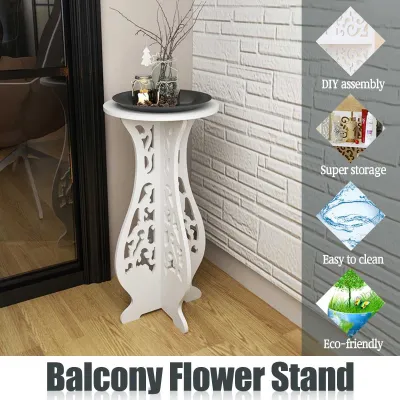
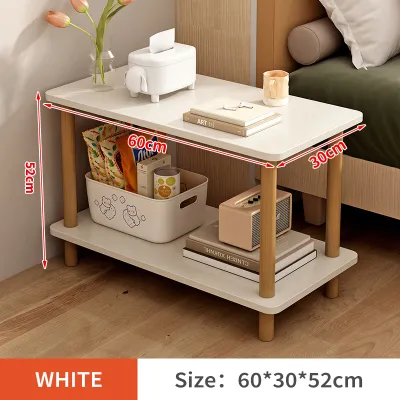
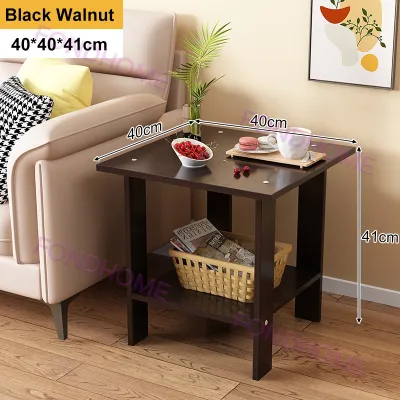
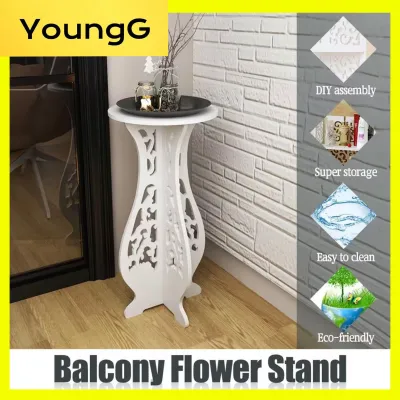
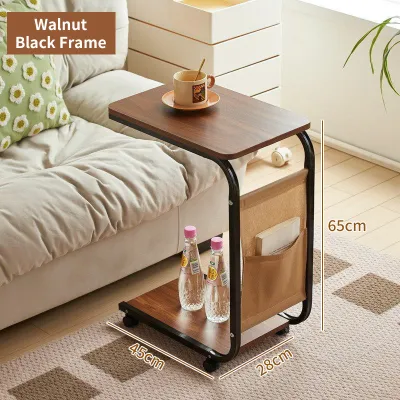
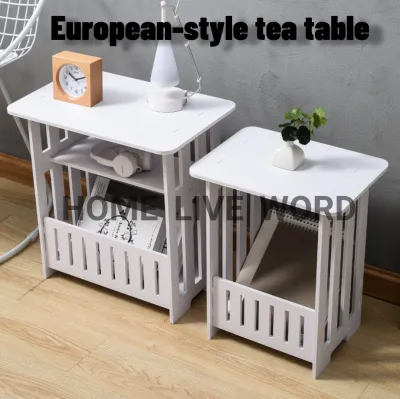
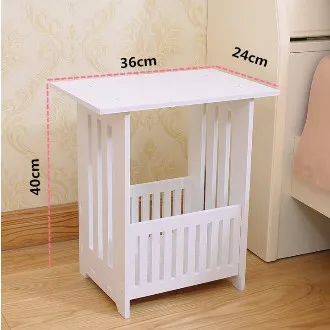
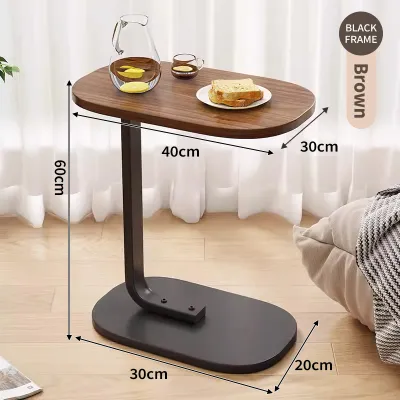
Prices are valid at publication and may change. Please refer to the product page for the latest price.
Architectural details often reduce the actual usable floor space in ways that are easy to overlook. Take note of baseboards, which can prevent a flat-backed table from sitting flush against the wall, effectively pushing the piece forward by one to two centimeters. Look for wall outlets, light switches, internet ports, or telephone jacks that must remain accessible. If a table covers these utilities, you may find yourself unable to plug in appliances or forced to pull the table even further into the room, narrowing your walkway.
Additionally, evaluate the surrounding environment for potential physical conflicts. Check the swing radius of nearby doors, cabinet doors, and window sills to ensure the table will not block their movement. If the table is placed next to a reclining chair or a sofa with deep cushions, test how far those pieces expand when in use. Uneven floors, common in older buildings or tiled spaces, can also cause a slim table to wobble, so it is wise to check the levelness of the floor before finalizing your placement plans.
Recommended Dimensions for Small Table Stands
Matching your measured space with the correct table dimensions is the key to maintaining an open, comfortable room layout. For narrow walkways, hallways, or the tight gap between a sofa and a wall, slim console-style tables are highly effective. These tables generally feature a shallow depth of 20 to 30 centimeters and a wider width of 60 to 80 centimeters, allowing them to provide a surface without protruding into the walking path.

For unused corners, triangular or quarter-round designs are the most space-efficient choices. These tables typically feature side lengths of 30 to 40 centimeters that align perfectly with the intersecting walls, utilizing a wedge of space that would otherwise go to waste. When selecting these shapes, verify that the back corner of the table is constructed to accommodate your baseboards, or look for models with slightly recessed legs that allow the tabletop to sit closer to the wall.
Height is another critical dimension that dictates how functional your table stand will be. For a table placed next to an armchair or sofa, the tabletop should ideally align within 5 to 10 centimeters of the armrest height. This usually translates to a table height of 50 to 65 centimeters from the floor, allowing you to set down a cup or reach for a remote control without straining. If the table is intended as a bedside companion, aim for a height that is roughly level with the top of your mattress to ensure easy access during the night.
When shopping, use your maximum measured footprint as a strict filter to screen product specifications. Whether you are budgeting ₱1,500 or ₱5,000 for a new accent piece, verifying these dimensions first prevents costly return shipping fees. Always check the manufacturer’s listed dimensions for the widest and deepest points of the table, rather than just the tabletop surface. Some designs feature flared legs or protruding hardware that extend beyond the top, which can cause the table to exceed your available space if you only measure the upper surface.
Space-Saving Shapes and Design Features
The shape and structural design of a small table stand play a major role in how well it functions in a restricted area. Round and oval tables are exceptionally well-suited for tight walkways because they lack sharp corners. This rounded profile reduces the risk of painful bumps and bruises as family members navigate narrow paths, making the room feel more fluid and accessible.
C-shaped tables offer a highly innovative solution for tight spaces next to seating. These tables feature a cantilevered design with a top surface that extends over the arm or cushion of a sofa, while the slim base slides directly underneath the furniture frame. This allows you to bring the table surface close to you without occupying any dedicated floor space beside the couch, making them ideal for narrow living rooms where a traditional side table would block the path.
To maximize utility without increasing the permanent footprint of your furniture, look for multi-functional design features. Nesting tables consist of two or three tables of graduating sizes that slide completely underneath one another, allowing you to pull out extra surface area when guests visit and tuck them away when they leave. Drop-leaf mechanisms and folding tables provide similar flexibility, though you should carefully check the manufacturer’s instructions regarding hinge durability and locking mechanisms to ensure they can withstand regular adjustment, especially in humid tropical climates where moisture can affect moving metal parts. Tiered shelves or built-in drawers also add valuable vertical storage without expanding the physical base of the table.
Clearance, Traffic Flow, and Safety Checks
Even the most stylish table stand can become a nuisance if it disrupts the natural flow of movement through your home. To maintain a safe and comfortable environment, aim to preserve at least 60 to 75 centimeters of clear walkway space around the table. This clearance ensures that family members can walk past without having to turn sideways or squeeze through, which is particularly important in high-traffic zones or households with young children and older adults.
Stability is a paramount safety consideration for small, lightweight tables. Because these stands have a smaller footprint, they can be prone to tipping if they are accidentally bumped or overloaded. When evaluating a table, check its base weight and center of gravity; a heavier base or a wider leg stance generally provides better resistance to tipping. If you plan to place the table on a thick rug or an uneven surface, look for models with adjustable leveling feet, or consider anchoring the stand to the wall using discreet furniture straps if stability remains a concern.
Finally, plan for the assembly and installation process before your purchase arrives. Tight corners and narrow gaps can make assembling furniture on-site incredibly difficult due to limited physical clearance for tools and movement. Review the manufacturer’s assembly instructions to see if the piece requires complex construction or if it arrives fully assembled. To protect your floors during setup and daily use, apply felt or rubber protection pads to the bottom of the table legs, which prevents scratches on hardwood or tile and dampens noise when the table is shifted.
Frequently Asked Questions (FAQ)
Can a small table stand block a wall outlet or vent?
Yes, placing a table stand directly against a wall can block access to electrical outlets, internet ports, or ventilation grates. Blocking outlets can bend power cords at sharp, damaging angles, while covering vents restricts airflow, which is a significant concern in warm, humid climates where proper ventilation is necessary to prevent mold and maintain comfort. To avoid these issues, measure the depth of your plugs when inserted into the wall and ensure the table is positioned with at least 5 to 10 centimeters of clearance, or select a table with an open-back frame that allows easy access to wall utilities.
Are C-shaped tables stable enough for narrow spaces?
C-shaped tables are highly stable when used correctly, but their cantilevered design requires proper placement to remain balanced. These tables rely on a low-profile base that must slide securely under the frame of a sofa or armchair to anchor the unit and prevent tipping. When shopping, check the manufacturer’s specified weight capacity for the top surface and avoid placing heavy objects on the outer edges. Choosing a model with a weighted metal bottom plate or a sturdy steel frame will also significantly improve its overall stability in high-traffic narrow spaces.

Community discussion
Share your experience or ask a question. Comments are reviewed before publication.