
Finding a dining table that comfortably accommodates a large family of 6 to 10 people requires balancing physical space, structural durability, and daily maintenance. In the Philippines, where family gatherings are frequent and central to home life, a stainless steel dining table offers a modern, highly durable alternative to traditional wood.
To choose the right one, you must evaluate specific dimensions, steel grades, and structural designs that can withstand heavy daily use. This guide outlines the essential factors to consider when selecting a large stainless steel table for your home.
Core Selection Criteria for Large Stainless Steel Tables
When hosting large family meals, the physical comfort of your guests depends heavily on the personal space allocated to each diner. A successful dining setup requires a minimum of 60 centimeters of width per person along the table perimeter, which allows individuals to eat without bumping elbows. For a table seating 6 to 10 people, this translates to a substantial surface area that must support not only tableware but also heavy serving platters and hot pots common in Filipino feasts.
Products mentioned in this guide
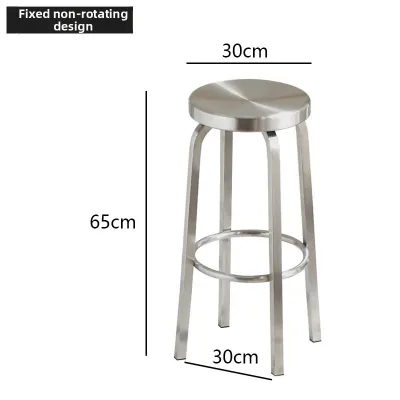
Prices are valid at publication and may change. Please refer to the product page for the latest price.
Structural integrity is the next critical factor for heavy-duty, frequent family use. Unlike smaller decorative tables, a large stainless steel table must feature robust under-table support, such as reinforced sub-frames or thick plywood backing, to prevent the metal sheet from bowing or drumming under weight. You should look for fully welded joints or heavy-duty bolt connections rather than thin tack welds, as these structural elements directly influence how well the table handles the dynamic loads of daily family life.
Choosing between a fixed large table and an extendable model involves weighing immediate space constraints against long-term flexibility. A fixed table provides excellent structural stability and a seamless surface, making it ideal if you have a dedicated, spacious dining room. Conversely, an extendable stainless steel table offers the flexibility to save floor space during quiet weekdays while expanding to accommodate up to 10 diners during weekend gatherings, though it requires careful inspection of the extension tracks and locking mechanisms to ensure they remain stable over time.
Space Planning and Dimensions for 6-10 Diners
To ensure your dining room remains functional, you must match the table shape and dimensions to the physical limits of your space. For a rectangular table seating 6 to 8 people, aim for a length of at least 180 to 200 centimeters; to comfortably seat 10 people, the length should extend to 240 centimeters or more, with a standard width of 90 to 100 centimeters to allow for central serving dishes. Oval tables share similar length requirements but offer softer corners that can ease traffic flow, while a round table seating 8 to 10 people requires a substantial diameter of 150 to 180 centimeters, which demands a highly spacious, square-shaped room.

Clearance space around the perimeter of the table is just as important as the table dimensions themselves. You need to maintain a minimum clearance of 90 centimeters—ideally 120 centimeters—between the edge of the table and the nearest wall, sideboard, or doorway. This clearance ensures that family members can pull out their chairs, sit down comfortably, and walk behind seated diners without causing a bottleneck, which is especially important during lively family gatherings.
Before finalizing any purchase of a large fixed table, you must verify the delivery path from the delivery vehicle to your dining room. Measure the height and width of all entry points, including main doorways, narrow hallways, stairwells, and condominium elevators. Large, single-piece stainless steel tables cannot be disassembled like modular wooden furniture, meaning a lack of clearance in a tight stairwell or elevator can prevent a successful delivery, making flat-packed or partially knock-down models a more practical choice for high-rise residences.
Evaluating Stainless Steel Quality and Structural Integrity
Not all stainless steel tables are created equal, and relying solely on the material name can not guarantee long-term performance. When reviewing manufacturer specifications, look for the specific steel grade used in construction. Grade 304 stainless steel is highly recommended for residential dining due to its high resistance to corrosion and rust, which is vital in the humid tropical climate of the Philippines. Grade 201 is a more budget-friendly alternative but is more susceptible to tea staining and rust if exposed to high humidity or salt air near coastal areas.
The stability of a large table depends heavily on its base construction and joint quality. Inspect the thickness of the legs and the presence of cross-bracing underneath the tabletop; thin-walled steel legs can cause the table to wobble when loaded with heavy dishes. Look for continuous, clean welds at the joints rather than spot welding, as robust joints prevent the frame from loosening over time. Additionally, check if the table features adjustable leveling feet, which are essential for stabilizing the table on uneven tile or terrazzo floors commonly found in local homes.
Surface finishes play a major role in how the table ages and how much maintenance it requires. A polished, mirror-like finish offers a striking, modern look but easily highlights fingerprints, water spots, and fine scratches from daily use. A brushed or satin finish is far more forgiving for a busy family household, as the textured surface naturally diffuses light and helps conceal minor surface abrasions, making it easier to maintain a clean appearance between meals.
Design and Configuration Options for Large Gatherings
The shape of your dining table influences both the visual flow of your room and the social dynamics of your meals. Rectangular tables are highly efficient for utilizing wall space and aligning with standard rectangular dining rooms, though they can sometimes make conversations between opposite ends of the table difficult. Round and oval tables naturally foster a more inclusive atmosphere where everyone can see and speak to one another easily, though round tables can make reaching central serving platters challenging without a rotating lazy Susan.
If you opt for an extendable stainless steel table, you must evaluate how the extension mechanism affects the table’s overall stability. Some designs feature drop-in leaves that store separately, while others utilize butterfly mechanisms that fold neatly beneath the tabletop. Ensure that the support rails are made of heavy-gauge steel or durable aluminum, and verify that the table remains level and rigid when fully extended to its 10-seat capacity, without sagging in the center.
The style of the table base directly impacts legroom and seating flexibility for your family. Traditional four-legged tables provide excellent stability but can restrict chair placement near the corners, potentially limiting where you can squeeze in extra guests. Pedestal bases or trestle designs eliminate corner legs entirely, maximizing legroom and allowing you to arrange chairs freely around the perimeter, which is highly advantageous when trying to maximize seating capacity for large gatherings.
Building Your Shortlist and Pre-Purchase Verification
When searching for a suitable stainless table on local online marketplaces or in physical furniture showrooms, use precise search filters to narrow down your options. Filter listings by exact dimensions, specifying a minimum length of 180 centimeters, and look for technical terms like “Grade 304” or “brushed finish” to filter out low-quality utility tables. Avoid relying on generic product titles, and instead cross-reference the detailed specification sheets provided by the seller to confirm the actual materials used.
Before making a commitment, communicate directly with the seller or manufacturer to clarify key structural and logistical details. Ask specific questions regarding the maximum weight capacity of the table, whether it arrives fully assembled or flat-packed, and what tools are required for installation. It is also wise to inquire about warranty coverage for structural defects, weld failures, or rust, ensuring you have recourse if the table does not perform as expected under normal household conditions.
If you are able to visit a physical showroom, conduct a thorough hands-on inspection of the display model. Run your hands along the edges and corners to ensure there are no sharp, unfinished metal burrs that could cause injury, especially if you have young children or elderly family members. Press down firmly on the center and corners of the table to check for any flexing or wobbling, and inspect the underside to verify that the frame is securely bonded to the tabletop sheet without gaps or loose adhesive.
Frequently Asked Questions (FAQ)
Does stainless steel feel too cold for a family dining room?
While stainless steel has an industrial aesthetic that can feel visually cool, you can easily soften its appearance to create a warm, inviting dining environment. Using fabric table runners, woven placemats made of local materials like abaca or pandan, and warm-toned centerpieces can instantly break up the metallic surface and add texture. Alternatively, you can look for hybrid table designs that pair a durable stainless steel frame or base with a warm natural wood or tempered glass tabletop, giving you the structural benefits of steel alongside a more traditional aesthetic.
How do I prevent a large stainless steel table from scratching?
Although stainless steel is highly durable, it is not completely scratch-proof, so adopting a few simple daily habits will keep the surface looking pristine. Always use protective felt pads, coasters, or placemats under heavy ceramic dishes, metal serving trays, and hot pots to prevent direct metal-on-metal contact. Avoid dragging items across the table surface; instead, lift objects when moving them, and establish a family rule to keep keys, tools, and other sharp household items off the dining table.
What is the best way to clean fingerprints off a stainless steel table?
Keeping a large stainless steel table clean is straightforward if you use the correct techniques and avoid harsh abrasives. For daily cleaning, wipe the surface with a soft microfiber cloth dampened with warm water and a few drops of mild dishwashing liquid, always wiping in the direction of the metal’s brushed grain. To remove stubborn fingerprints and restore a streak-free shine, you can use a specialized stainless steel cleaner or a simple mixture of equal parts water and white vinegar, followed by a dry microfiber cloth to buff the surface dry. Avoid using steel wool, abrasive scouring pads, or chlorine bleach, as these can permanently scratch the surface and degrade the protective oxide layer of the steel.

Community discussion
Share your experience or ask a question. Comments are reviewed before publication.