
A white center table for your sala brings a bright, airy, and spacious feel to your home, making it a popular choice for modern Filipino living rooms. In tropical climates where maximizing natural light and creating an open, breezy atmosphere is a priority, a white table serves as an excellent visual anchor. However, finding the perfect piece involves more than just picking an attractive design. You must balance aesthetic appeal with practical considerations such as humidity resistance, space constraints, and daily maintenance to ensure your investment lasts for years.
Selecting the right center table requires a clear understanding of your household’s daily habits and the physical limitations of your living space. Whether you host frequent family gatherings, use your living room as a temporary home office, or share your home with active pets, your table needs to withstand daily wear while complementing your existing furniture. By focusing on precise measurements, durable finishes, and functional designs, you can confidently choose a center table that enhances both the beauty and utility of your sala.
Assessing Your Sala Space and Layout
Before browsing online catalogs or visiting local showrooms, you must measure your living room to determine the ideal dimensions for your new center table. One of the most common mistakes is choosing a table that blocks the natural flow of foot traffic. To prevent tripping hazards and ensure comfortable movement, maintain a clearance of at least 30 to 45 centimeters between the edge of the table and your sofa cushions. This distance provides enough legroom to sit comfortably while keeping drinks and remote controls within easy reach.
Products mentioned in this guide
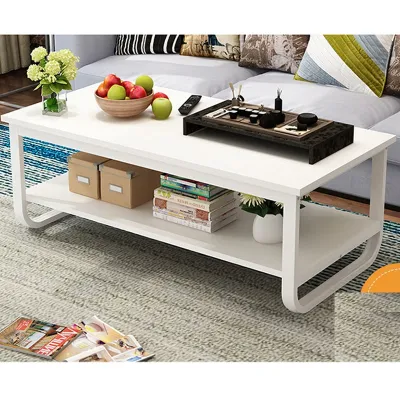
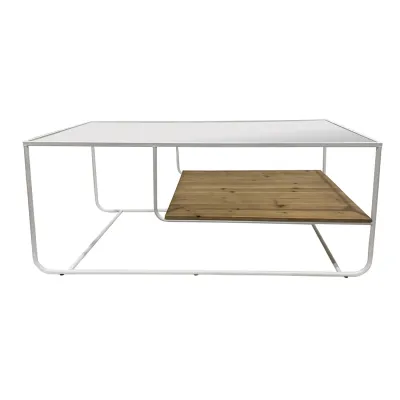
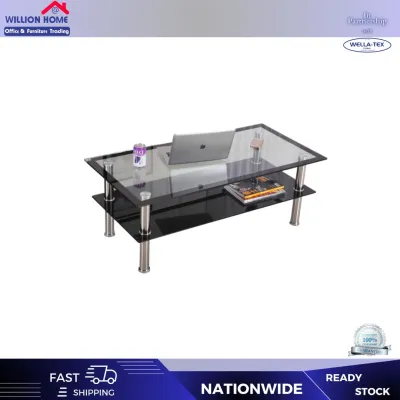
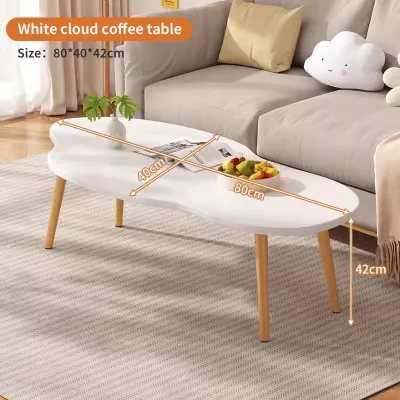
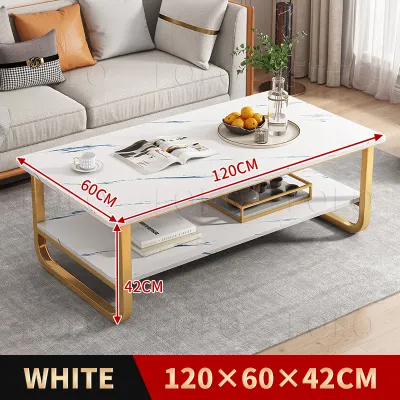
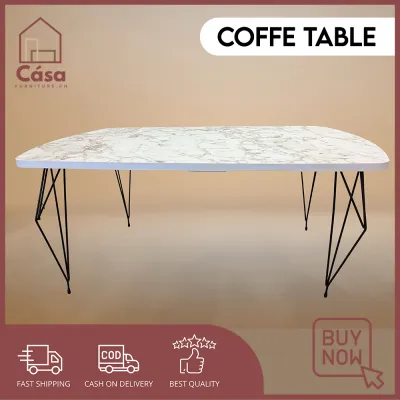

Prices are valid at publication and may change. Please refer to the product page for the latest price.
In addition to the clearance immediately surrounding the table, evaluate the main walkways of your sala. If your living room serves as a pathway to the dining area or kitchen, ensure the table does not encroach on these high-traffic zones. A minimum walkway width of 75 to 90 centimeters is recommended for comfortable passage. If your space is particularly tight, a round or oval white center table can be a smart alternative to rectangular designs, as the lack of sharp corners makes it easier to navigate narrow paths.
Proportion is another critical factor when evaluating table dimensions relative to your existing furniture. As a general rule, the length of your center table should be approximately one-half to two-thirds the total length of your sofa. A table that is too small will look lost in front of a large sectional, while an oversized table will make the entire room feel cramped. For height, aim for a table that sits level with or slightly lower than your sofa’s seat cushions, which typically ranges between 40 and 45 centimeters from the floor.
Finally, do not overlook the logistics of getting the table into your home. Measure the widths of your entry doors, hallways, stairwells, and elevator cabins before finalizing your purchase. Bulky, fully assembled wooden or stone tables can easily get stuck in tight condominium corridors or narrow staircases. Checking the packaged dimensions against your home’s entry points will save you from the frustration of delivery day complications.
Choosing the Right Material and Finish for White Tables
White furniture is notoriously sensitive to stains, dust, and environmental wear, making material selection one of the most important decisions you will make. Common surfaces include painted solid wood, medium-density fiberboard (MDF) with laminates, tempered glass, and engineered stone or marble. Each material behaves differently under the high humidity and warm temperatures typical of the Philippine climate, so it is essential to weigh their pros and cons carefully.

Engineered wood, such as MDF finished with a high-gloss or matte white laminate, is a highly popular and budget-friendly option. However, high humidity can cause low-quality engineered wood to swell or warp if moisture penetrates the seams. When choosing a laminated table, inspect the edge banding closely to ensure it is seamlessly sealed. High-pressure laminates (HPL) generally offer better resistance to moisture and impact than standard paper foils, making them a more durable choice for busy households.
For those who prefer the warmth of natural wood, painted solid wood offers classic appeal and structural stability. However, solid wood naturally expands and contracts with seasonal humidity changes, which can sometimes cause fine hairline cracks in the paint over time. To minimize this, look for tables made from properly kiln-dried timber and finished with high-quality polyurethane or lacquer coatings. These protective layers seal the wood, making it easier to wipe clean and more resistant to minor spills.
If durability and low maintenance are your top priorities, tempered glass or engineered stone surfaces are excellent candidates. A white sintered stone or quartz top provides a highly scratch-resistant and non-porous surface that will not stain from spilled coffee or juice. Tempered glass tables create a light, floating appearance that works beautifully in small rooms, though they do require frequent wiping to remove fingerprints and dust. Regardless of the material, always check the manufacturer’s care instructions and verify heat resistance limits before placing hot mugs or wet glasses directly on the surface.
Matching Table Styles to Your Sala Aesthetics
Your center table should harmonize with the overall design language of your home. If your sala follows a minimalist or Scandinavian aesthetic, look for modern white tables featuring clean lines, handleless drawers, and tapered wooden legs. These designs emphasize simplicity and functionality, often pairing a matte white tabletop with light oak or beech accents to bring warmth and a touch of nature into your living space.
For homes with a more classic, traditional, or rustic theme, a white center table with carved details, turned legs, or a distressed finish can add character and charm. Often referred to as shabby chic or French provincial style, these tables pair beautifully with plush fabric sofas and traditional wooden armchairs. The textured, slightly weathered finish of a distressed white table is also highly practical, as it easily disguises minor scratches and everyday wear.
If you prefer a contemporary or industrial look, consider tables that combine white surfaces with metal frames. A white marble-patterned top paired with a sleek black or gold metal base creates a sophisticated, high-contrast look that elevates the elegance of your sala. The metal frame provides excellent structural stability while keeping the overall silhouette of the table light and unobtrusive, which is ideal for maintaining an open feel in smaller apartments.
Evaluating Practical Features and Storage Needs
Beyond serving as a decorative focal point, a center table can offer valuable functional benefits depending on its design features. If you struggle with clutter in your living room, prioritize tables equipped with built-in storage. Lower open shelves are perfect for stacking books or displaying decorative baskets, while deep drawers or hidden compartments can keep remote controls, chargers, and coasters organized and out of sight.
For multi-functional spaces, a lift-top center table is an incredibly practical investment. These innovative designs feature a tabletop that lifts upward and forward on a mechanical hinge, bringing the surface closer to you while you sit on the sofa. This allows you to comfortably use your laptop, write, or enjoy a casual meal without having to hunch over. When choosing a lift-top model, test the mechanism to ensure it operates smoothly and check the interior storage capacity for added utility.
If your living room layout needs to adapt to different occasions, nesting tables or modular sets offer outstanding flexibility. A nesting set typically consists of two or three tables of graduating sizes that slide completely under one another when not in use. When you host guests for merienda, you can easily pull the smaller tables out to provide extra surfaces for drinks and plates, then tuck them away afterward to reclaim your floor space.
Where to Shop and What to Verify Before Buying
When shopping for a white center table, you can choose between visiting local furniture showrooms or browsing online home goods platforms. Showrooms allow you to physically inspect the furniture, which is highly beneficial for verifying the exact shade of white—as some finishes can lean warm and yellowish while others appear cool and blue. Visiting a store also lets you test the table’s stability, feel the texture of the finish, and check the smoothness of drawer glides firsthand.
On the other hand, online marketplaces offer a wider variety of designs and the convenience of home delivery. If you decide to purchase online, read customer reviews carefully and look for photos uploaded by previous buyers to see how the table looks in real-world lighting. Pay close attention to the product specifications, noting the exact materials used, weight capacity, and whether the table requires self-assembly.
Before finalizing your purchase, run through a quick verification checklist to ensure a smooth transaction. Confirm if the table arrives fully assembled or flat-packed; if assembly is required, check if the necessary tools and hardware are included in the package. Review the retailer’s structural warranty terms, return policies for items damaged during transit, and delivery fees in ₱, which can vary significantly depending on your location and the weight of the furniture. Finally, check the estimated lead times, especially if you are ordering a custom-made piece or an item that is temporarily out of stock.
Frequently Asked Questions (FAQ)
How do I prevent white surfaces from yellowing over time?
Yellowing is primarily caused by prolonged exposure to direct sunlight and ultraviolet (UV) rays, which trigger chemical reactions in paints, lacquers, and plastics. To protect your white center table, position it away from windows that receive intense afternoon sun, or use sheer curtains and UV-filtering window films to block harmful rays. Regular cleaning is also essential, as accumulated dust, oils, and cooking grease can discolor the finish. Wipe the table down weekly using a soft microfiber cloth dampened with water and mild dish soap, and avoid harsh chemical solvents, bleach, or abrasive cleaners that can strip away protective topcoats.
What is the standard height for a center table relative to a sofa?
The standard height for a center table is typically between 40 and 45 centimeters, which is designed to align closely with the average height of sofa seat cushions. Ideally, your table should be equal to or up to 5 centimeters lower than your sofa’s seat height to maintain comfortable ergonomics and clean visual lines. Measuring your specific sofa model before purchasing is crucial, as modern low-profile sofas or deep-seated sectionals may require a lower table to prevent the setup from looking unbalanced. If you plan to use the table frequently for working or dining, you might opt for a slightly taller model or a lift-top design.
Can I use a white center table in a high-traffic household?
Yes, you can successfully use a white center table in a busy household by selecting highly durable, non-porous materials. Sintered stone, tempered glass, and high-pressure laminates are excellent choices because they resist scratches, impact, and liquid penetration far better than painted wood or cheap paper veneers. To protect the surface from daily wear, integrate functional decor like large wooden trays, cork coasters, and fabric table runners, which catch spills and prevent scratches from decorative objects. If you are concerned about visible scuffs, look for tables that feature white marble patterns or textured wood grains, as these patterns are much more forgiving at hiding minor imperfections than solid, high-gloss white surfaces.

Community discussion
Share your experience or ask a question. Comments are reviewed before publication.