
Fitting a single sofa bed into a 20 square meter condo living room requires a careful balance between daytime comfort and nighttime utility. In compact urban residences, floor space is highly valuable, meaning every piece of furniture must justify its footprint. A standard single sofa bed with a closed width of 80 to 100 centimeters and an unfolded length of up to 190 centimeters is generally a highly practical choice. This size provides a comfortable sleeping surface for one person while preserving vital floor space for daily movement. By selecting the right dimensions and planning your layout strategically, you can enjoy a highly functional living area that never feels cramped or cluttered.
Measuring Your 20 Sqm Living Room for a Sofa Bed
Before browsing online catalogs or visiting local showrooms, you must accurately assess the physical limits of your living space. In a typical 20 square meter condo layout, the living area often shares space with a dining nook or a small kitchenette. Start by measuring the total wall-to-wall dimensions of the designated seating zone using a reliable tape measure. Be sure to subtract the space occupied by fixed architectural elements, such as structural columns, low window sills, and wall-mounted air conditioning units.
Next, map out the essential walkways that connect different zones of your condo. You need to maintain a clear, unobstructed path from the kitchen to the living area and out to the balcony. Mark these high-traffic zones directly on the floor using painter’s tape to create a visual guide. This exercise helps you identify the exact maximum footprint available for your new furniture.
Products mentioned in this guide
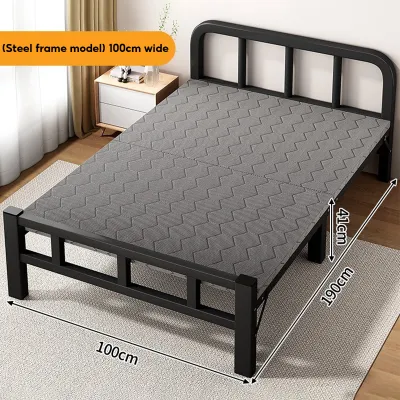






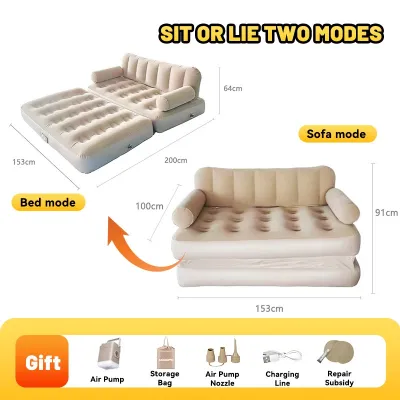
Prices are valid at publication and may change. Please refer to the product page for the latest price.
Finally, determine the maximum length and depth the sofa bed can occupy in both its folded and unfolded states. Measure the distance from the back wall to the edge of your coffee table or TV console. This step ensures that when the bed is fully extended, it will not collide with other permanent fixtures or block access to vital areas like the bathroom or main entrance.
Selecting the Ideal Single Sofa Bed Dimensions
Standard single mattress widths usually range from 75 to 90 centimeters, which is ideal for a single sleeper. However, the actual frame of a sofa bed single can add significant bulk to these measurements. Armrests, thick backrests, and decorative outer panels can easily push the total width past 110 centimeters. When shopping, always check the manufacturer’s specification sheet for the finished outer dimensions rather than relying solely on the mattress size label.

Visual weight is just as important as physical dimensions when planning a small condo living room. A bulky, boxy sofa bed that sits flat on the floor can make a small room feel dark and claustrophobic. To maintain an airy and open feel, look for designs with exposed legs or a low-profile frame. Elevating the base off the floor allows light to pass underneath, creating an illusion of more space and helping air circulate, which is highly beneficial in humid tropical climates.
Additionally, verify the fully unfolded length of the mechanism. Most single sofa beds extend to about 180 to 200 centimeters when converted into a bed. Measure this distance from the wall where the backrest will sit. If the extended bed leaves less than 50 centimeters of clearance between its foot and the opposite wall or TV console, it will restrict movement and make the room difficult to navigate at night.
Planning Placement and Folding Clearances
Maintaining functional walkways is critical for a comfortable and safe living environment. For main pathways, such as the route to the balcony or kitchen, aim for a minimum clearance of 75 to 90 centimeters. For secondary paths around the seating area, a clearance of 50 to 60 centimeters is usually sufficient for comfortable movement.
You must also account for the swing radius of nearby doors, cabinets, and the sofa bed’s own folding mechanism. If your sofa bed is placed near a wardrobe, kitchen cabinet, or main door, ensure these can open fully even when the sofa bed is completely unfolded. Additionally, consider the mechanism’s own movement; some click-clack designs require you to pull the sofa away from the wall before folding it down, which demands extra clearance behind the frame.
Plan the daily transition between seating and sleeping to minimize daily hassle. If you have to move a heavy coffee table, a large rug, or multiple side tables every single night just to unfold the bed, the setup will quickly become frustrating. Choose lightweight, nesting coffee tables or a small side table on wheels that can easily be rolled out of the way when it is time to sleep.
Space-Saving Features for Small Condo Layouts
When space is at a premium, look for built-in features that maximize utility without increasing the physical footprint. Some single sofa beds feature under-seat storage compartments perfect for stashing pillows, blankets, and bed sheets. However, keep in mind the trade-off: built-in storage often means a bulkier, solid frame that sits directly on the floor, which can increase the visual weight of the room.
Evaluate the unfolding mechanism based on your specific layout. A pull-out drawer mechanism might require more front clearance, while a fold-out click-clack mechanism might require more lateral space or wall clearance. Choose the mechanism that aligns with the empty space available in your room layout.
Consider modular or customizable options that allow the sofa bed to adapt to changing spatial needs. Some modular single seating units can be paired with an ottoman. During the day, the ottoman serves as a coffee table or extra seat; at night, it aligns with the main chair to form a complete single bed. This flexibility allows you to adapt the layout as your daily needs change.
Common Sizing and Delivery Mistakes to Avoid
One of the most common mistakes is ignoring the fully unfolded footprint. It is easy to measure the sofa in its folded state and assume it fits perfectly, only to realize later that unfolding it blocks the balcony sliding door or the main emergency exit path. Always test the layout with tape on the floor in both configurations.
Another mistake is choosing a deep-seated frame. While deep cushions are comfortable, they push the entire unit forward, forcing your coffee table closer to the TV console and narrowing your primary walkway during the day.
Finally, never overlook the delivery route. Many condo residents purchase furniture only to find it cannot fit inside the building’s passenger elevator, cannot clear the tight turns in the emergency stairwell, or is too wide for the unit’s front door. Always measure your building’s entryways, elevator door height and depth, and your apartment door frame before finalizing any purchase.
Frequently Asked Questions (FAQ)
Can a single sofa bed fit in a condo living room smaller than 20 sqm?
Yes, a single sofa bed can fit in smaller spaces, but it requires careful design choices. Opt for ultra-compact, armless designs to minimize the overall width. Focus on multi-functional zoning, keeping surrounding furniture to an absolute minimum, and utilizing wall-mounted shelves instead of bulky floor cabinets to preserve precious floor area.
How much clearance is needed to unfold a single sofa bed?
Generally, you need at least 190 to 210 centimeters of clear depth from the wall to fully extend the bed and leave enough standing room at the foot to get in and out comfortably. Always check the manufacturer’s product manual for the exact finished length of the unfolded mechanism before buying.
Are armless single sofa beds better for small living rooms?
Armless designs are excellent for small spaces because they eliminate extra width and offer a lighter visual profile. However, they lack lateral support for lounging and do not have side barriers to keep pillows from sliding off at night. If you prefer arms, look for models with slim, space-saving armrests or integrated side tables.

Community discussion
Share your experience or ask a question. Comments are reviewed before publication.