
Choosing between a fixed 8-seater and an extendable 6-10 seater dining table is a pivotal decision that shapes how your home functions daily and how you host guests. The correct choice depends on your household’s daily occupancy and the physical limits of your dining room. If your home regularly accommodates seven or eight people for daily meals, a fixed 8-seater dining table setup offers unparalleled stability, a seamless surface, and a permanent design anchor. Conversely, if your household typically consists of four to six people, an extendable 6-10 seater dining table provides the perfect balance of space-saving efficiency and hosting flexibility, allowing you to reclaim your floor space when guests depart.
Quick Guide: Matching Your Table to Daily Life and Hosting Needs
To make an informed investment, you must first analyze the rhythm of your household. A fixed 8-seater dining table is best suited for large, multi-generational families who dine together in large numbers every single day. This option requires a dedicated, spacious dining room where the table can remain a permanent centerpiece without disrupting daily household activities. It is an excellent choice for homes where the dining area is a highly active hub for daily meals, homework, and family discussions.
For smaller households of four to six people who host extended family gatherings occasionally, an extendable 6-10 seater table is highly practical. This configuration allows you to enjoy a compact, space-efficient table for your daily routine, keeping your dining area open and easy to navigate. When special occasions arise, the table expands to accommodate up to ten guests, providing a festive dining experience without permanently sacrificing your home’s valuable floor space.
Products mentioned in this guide
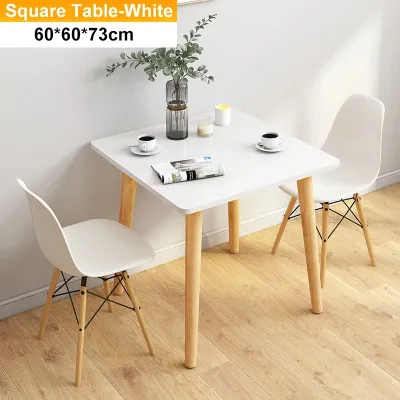
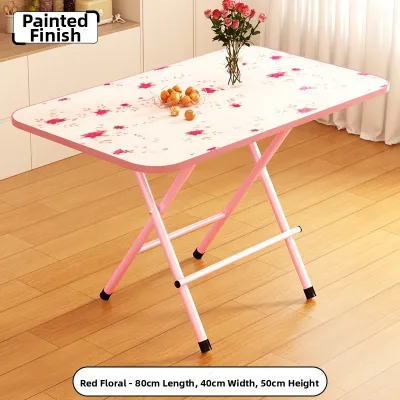
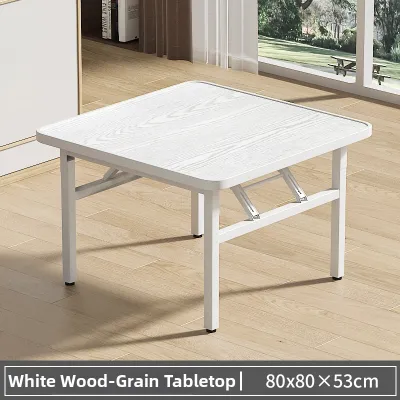
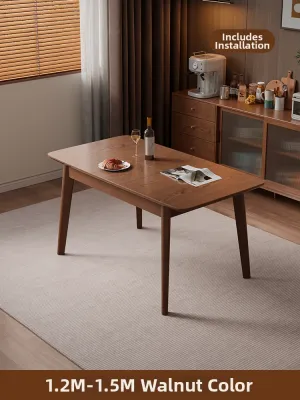
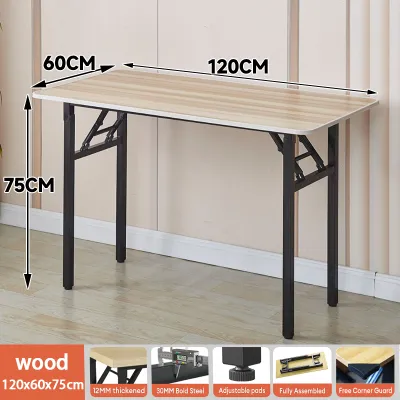
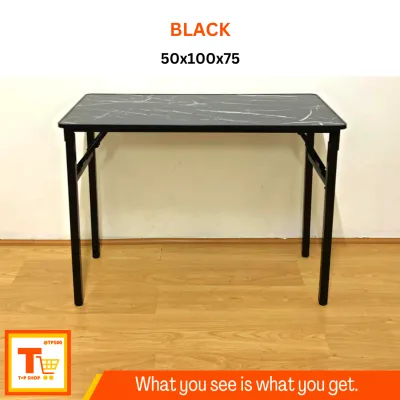
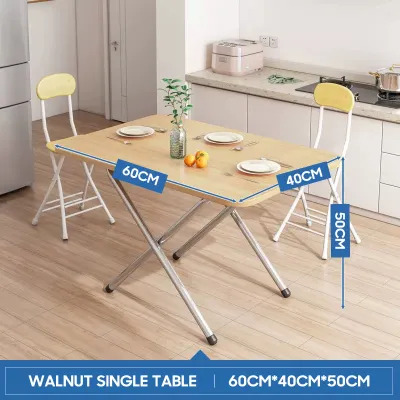
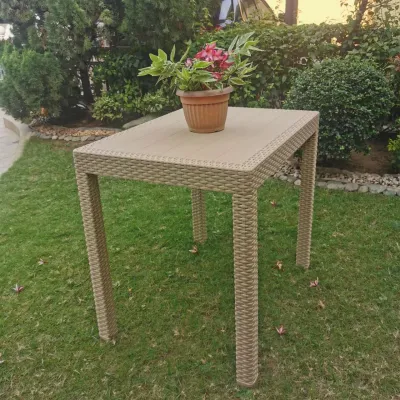
Prices are valid at publication and may change. Please refer to the product page for the latest price.
The core trade-off between these two styles lies in permanent structural presence versus mechanical adaptability. A fixed table offers a solid, unyielding surface with no moving parts, ensuring long-term durability and a seamless aesthetic. An extendable table, while highly versatile, introduces mechanical joints, seams, and moving hardware that require careful handling, regular maintenance, and occasional adjustment.
When making your decision, always base your primary choice on your 90% daily use case rather than the 10% occasional hosting scenario. Purchasing a massive, fixed 8-seater table simply because you host a large family reunion once or twice a year can leave you with a cramped, impractical dining room for the remaining 360 days. Prioritize your daily comfort and spatial freedom, and use flexible extension mechanisms or alternative seating arrangements to handle temporary hosting demands.
How to Measure Your Dining Room for a Large Table
Before browsing showrooms, you must conduct precise spatial measurements of your dining area. The most common mistake homeowners make is measuring only the physical footprint of the table itself, completely overlooking the operational footprint. The operational footprint includes the table, the space required for pulled-out chairs, and the clearance needed for people to walk comfortably behind seated guests.

Apply standard ergonomic clearance guidelines to ensure a comfortable dining environment. Maintain a minimum of 90 centimeters of clearance between the table edge and the nearest wall or obstacle so guests can pull chairs out easily. If you require a clear walking pathway behind seated guests for serving food, increase this clearance to 120 centimeters.
You must also account for existing architectural features and furniture in your dining room. Take note of buffet cabinets, display shelves, sideboards, columns, and swinging doors that could collide with chairs when the table is fully occupied. If your dining area is located near a main entryway, ensure the table’s operational footprint does not spill over and obstruct the natural flow of movement through your home.
The shape of your table plays a crucial role in spatial perception and traffic flow. Rectangular tables are highly efficient for maximizing seating along straight walls, but their sharp corners can make tight spaces feel restricted. Oval or rounded-rectangle tables soften the visual lines of the room and make it much easier for family members to navigate around the corners of the table without bumping into sharp edges, which is especially beneficial in high-traffic open-plan layouts.
Finally, verify your ceiling height and the placement of existing lighting fixtures. A large dining table should align perfectly with overhead pendant lights or chandeliers to create a balanced, intentional look. Ensure the bottom of your lighting fixture hangs between 75 and 90 centimeters above the tabletop surface; a misaligned table can disrupt the room’s symmetry and cause uncomfortable glare or shadows during evening meals.
Fixed 8-Seater Dining Tables: Pros, Cons, and Ideal Spaces
A fixed 8-seater dining table is a statement piece that brings a sense of permanence, elegance, and reliable strength to a home. One of its primary advantages is superior structural stability. Because it is constructed as a single, continuous unit without joints, slides, or folding mechanisms, a fixed table can support substantial weight and withstand decades of daily use without developing wobbles, sagging in the center, or suffering from mechanical wear and tear.
Furthermore, a fixed table offers an uninterrupted, seamless surface. This means you do not have to worry about visible seams, leaf gaps, or misaligned wood grains where crumbs, dust, and liquids can easily accumulate. It provides a clean, cohesive aesthetic that beautifully showcases the natural beauty of materials like solid hardwood, marble, or polished stone, making it a stunning design anchor for your home. In the local market, high-quality fixed solid wood tables often range from ₱35,000 to over ₱80,000 depending on the wood species.
However, the primary limitation of a fixed 8-seater table is its unyielding size. It permanently dominates the room’s footprint, which can make a medium-sized dining room feel incredibly cramped and difficult to clean. If your household size decreases over time, a permanently large table can also make daily family meals feel cold and distant, as family members are spread out across a massive surface designed for a crowd.
The ideal room profiles for a fixed 8-seater are spacious, dedicated formal dining rooms or large, open-plan living-dining areas. In these expansive spaces, the permanent scale of an 8-seater table helps define the dining zone, grounding the design and preventing the furniture from looking lost in a vast room. It acts as a majestic focal point that elevates the overall interior design of the home.
When choosing a fixed table, pay close attention to the leg placement and base design. Traditional four-legged tables provide excellent stability but restrict chair placement and legroom near the corners, which can make squeezing in an extra guest uncomfortable. Pedestal or trestle bases, on the other hand, centralize the table’s support system, freeing up the entire perimeter of the table and providing maximum legroom for guests seated at the corners and the heads of the table.
Extendable 6-10 Seater Dining Tables: Flexibility and What to Check
An extendable 6-10 seater dining table is the ultimate solution for modern homes that demand high versatility. The primary advantage of this style is its incredible space-saving configuration. For daily family life, you can keep the table in its compact 6-seater form, preserving precious floor space for daily chores, children’s play, or comfortable movement. When hosting large family gatherings, holiday feasts, or dinner parties, the table effortlessly expands to accommodate up to ten people.
Despite this clear benefit, extendable tables come with specific trade-offs. The most notable limitation is the presence of visible seams on the tabletop, which can disrupt the visual continuity of the wood grain or material pattern. Over time, frequent use and shifting humidity can cause slight surface unevenness where the extension leaves meet the main table. Additionally, expanding and collapsing the table requires physical effort, and cheaper models can be frustratingly heavy or difficult to operate. Quality extendable tables typically range from ₱25,000 for engineered wood models to over ₱60,000 for premium solid wood options with imported extension tracks.
When shopping for an extendable table, you must carefully evaluate the extension mechanism. Common designs include butterfly leaves, which fold and store neatly inside the table frame; drop-leaves, which hang down at the sides when not in use; and separate insert leaves, which must be added manually to the center or ends of the table. It is highly recommended to test these mechanisms in-person to ensure they glide smoothly and can be operated easily by a single person without sticking or jamming.
Stability is a critical safety check for any extendable table. When a table is fully extended to its 10-seater capacity, its center of gravity shifts outward, placing immense stress on the frame and legs. Verify that the table base is sufficiently heavy and well-balanced, and check for robust metal glides and integrated anti-tip features. When the table is fully extended in the showroom, apply firm downward pressure on the outer edges to ensure it remains rock-solid and does not tilt or wobble under a heavy load.
Finally, consider the logistics of leaf storage. Self-storing tables with integrated butterfly mechanisms offer unparalleled convenience, as you never have to worry about finding a place to hide the extra pieces. If you choose a table with separate insert leaves, remember that you will need a dedicated, safe storage space inside your home. These loose leaves must be stored flat in a dry, climate-appropriate closet to prevent them from warping, scratching, or sustaining damage when not in use.
Material Checks and Care for Humid Climates
In the tropical climate of the Philippines, high relative humidity, seasonal monsoons, and the frequent cycling of indoor air conditioning present unique challenges for dining furniture. Wood is a hygroscopic material, meaning it naturally absorbs and releases moisture from the surrounding air. This constant cycle of expansion and contraction can cause solid wood to warp, crack, or experience severe joint stress if the material is not properly selected, sealed, and maintained.
Before making a purchase, always check the manufacturer’s technical specifications regarding wood sealing and construction. High-quality dining tables designed for humid climates should feature deep-penetrating sealants, moisture-resistant polyurethane coatings, or marine-grade lacquers that lock out atmospheric moisture. If you are considering engineered wood options like MDF or plywood, verify that all edges, undersides, and joints are completely sealed with high-quality edge-banding to prevent water vapor from seeping in and causing the core to swell and delaminate.
Acclimatization is particularly critical for extendable tables that utilize separate insert leaves. If the main table sits in an air-conditioned dining room while the extension leaves are stored in a hot, humid utility closet, the different components will absorb moisture at different rates. This can cause the leaves to warp or swell, making them impossible to align or lock into place when you attempt to assemble the 10-seater configuration. Always store separate leaves in a room with a similar microclimate to the main dining area.
To ensure the longevity of your investment, shift your focus from assumed material performance to active verification and care. Never assume a table is inherently scratch, heat, or water-resistant simply because of its material type; instead, rely strictly on the manufacturer’s care labels and warranty guidelines. Different finishes require vastly different cleaning protocols, and using the wrong product can permanently strip away protective sealants.
Incorporate practical, protective habits into your daily dining routine. Always use insulated trivets or hot pads under hot serving dishes—especially local favorites like sizzling plates or steaming soup pots—to prevent heat marks and finish bubbling. Use coasters under cold, condensation-heavy drinks to avoid water rings, and clean up spills immediately with a soft, dry microfiber cloth. Avoid harsh chemical cleaners, bleach, or abrasive polishes, opting instead for mild, pH-neutral soapy water to preserve the table’s protective finish.
Common Sizing and Delivery Mistakes to Avoid
To guarantee a seamless transition when bringing your new dining table home, you must avoid several common logistical and planning pitfalls. The first major mistake is measuring only the table’s dimensions while completely ignoring the physical depth and width of the dining chairs. High-backed chairs, armchairs, or wide upholstered seats require significantly more space than minimalist wooden chairs, and they can easily overcrowd a room or prevent you from fully tucking the chairs under the table when it is not in use.
Another critical step that is frequently overlooked is measuring the entire delivery pathway. A fixed 8-seater table top is a massive, solid piece of furniture that cannot be disassembled or bent. You must carefully measure the height, width, and diagonal clearance of every single entrance, hallway, stairwell, elevator, and doorway that the delivery team must pass through to reach your dining room. For high-rise condominium residents, verify the weight and dimensional limits of the building’s service elevator before placing your order.
Where you position your table within the room also impacts its durability. Avoid placing your dining table directly under or adjacent to powerful air conditioning vents or in the direct path of intense afternoon sunlight. Extreme, rapid temperature fluctuations and direct UV exposure can dry out wood finishes unevenly, leading to unsightly cracks, fading, and joint separation over time. Position your table in a balanced, well-ventilated area with stable environmental conditions.
Finally, avoid selecting a table shape that clashes with the natural proportions of your dining room. Forcing a long, narrow rectangular table into a perfectly square room creates awkward, unusable empty spaces at the sides while severely restricting movement at the ends of the table. For square rooms, a round or square table is far more harmonious, while rectangular and oval tables are best suited for elongated spaces. Matching the table’s geometry to your room’s architecture ensures a beautiful, functional, and welcoming dining experience.

Community discussion
Share your experience or ask a question. Comments are reviewed before publication.