
Finding the right balance between comfort, productivity, and physical well-being during long hours at your computer can be incredibly challenging, especially when a poorly fitted workspace leads to persistent back strain and fatigue. Choosing between a traditional fixed desk and an adjustable height computer desk table depends on whether you require dynamic movement to combat a sedentary routine or prefer a highly stable, cost-effective, and low-maintenance static workspace. For many professionals and students in the Philippines, setting up a dedicated home office or study area is a long-term investment in health, making it essential to understand how these two desk types compare across daily usability, ergonomics, structural integrity, and overall cost.
What Are the Core Differences Between a Fixed Desk and an Adjustable Height Computer Desk Table?
The fundamental difference lies in structural adaptability: a fixed desk remains at a single, permanent height, whereas an adjustable height computer desk table allows you to transition between sitting and standing positions throughout the day. This core distinction affects not only how you interact with your workspace but also how the furniture itself is engineered and constructed.
Standard fixed desks are built with a static frame, typically featuring four solid legs or panel supports. They are manufactured to a standard industry height, which generally ranges between 70 and 76 centimeters from the floor. These desks are commonly made from traditional materials such as solid wood, metal frames with engineered wood tops, or fully composite boards, offering a straightforward and unchanging surface for your computer setup.
Products mentioned in this guide
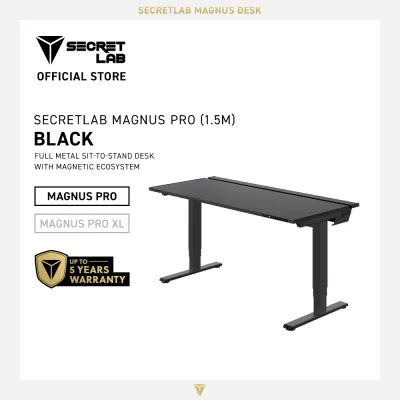
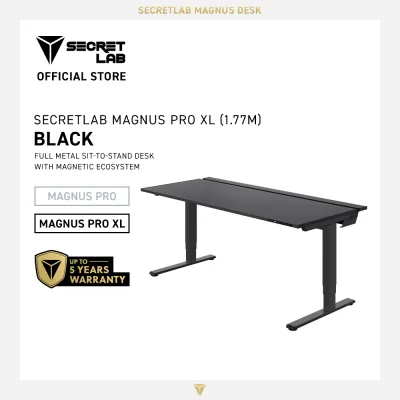


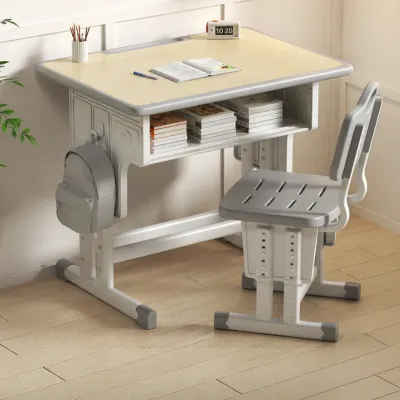
12 Lazada user ratings
It's all set up, and the desk size is just right. It looks great and is really stylish, simple yet beautiful. The installation went smoothly…Read full reviewShow less
It's all set up, and the desk size is just right. It looks great and is really stylish, simple yet beautiful. The installation went smoothly with the instructions provided. After it was assembled, my kid was eager to start doing homework and said he really likes it. We tried it out, and it's very stable—definitely a worthwhile purchase.
The desk is really great, it doesn’t take up much space in my small room, perfect for one person, and the material is pretty good too. I'm h…Read full reviewShow less
The desk is really great, it doesn’t take up much space in my small room, perfect for one person, and the material is pretty good too. I'm happy with it.
Not bad at all! I had a bit of trouble with the installation, but the customer service was really patient and helpful. Such a thoughtful tou…Read full reviewShow less
Not bad at all! I had a bit of trouble with the installation, but the customer service was really patient and helpful. Such a thoughtful touch!
This item is really sturdy and durable, and my kid really likes it. The size is just right too.
The product feels really smooth and seems to be of good quality.
Prices are valid at publication and may change. Please refer to the product page for the latest price.
In contrast, an adjustable height computer desk table incorporates specialized lifting mechanisms within its legs to alter the height of the tabletop. These mechanisms can be manual, utilizing a hand crank that you turn physically to raise or lower the surface, or electric, employing one or two motorized legs controlled by a digital keypad. This mechanical versatility allows the desk to adapt to various heights, accommodating different users and working postures.
Ultimately, this structural difference defines your daily working style. A fixed desk supports a static working position, meaning your body must adapt to the desk’s height through your chair and monitor placement. An adjustable desk facilitates a dynamic working style, giving you the freedom to change your entire physical posture from sitting to standing without needing to move your computer, keyboard, or mouse to a different surface.
How Do Fixed and Adjustable Desks Impact Your Posture and Daily Comfort?
An adjustable height computer desk table actively promotes better posture by allowing you to alternate between sitting and standing, which helps relieve spinal pressure, while a fixed desk requires precise chair adjustments to avoid physical strain. Understanding these ergonomic dynamics is crucial for anyone spending eight or more hours a day in front of a screen.

Ergonomic research suggests that sitting for prolonged periods can lead to poor circulation, muscle tightness, and increased pressure on the lumbar spine. Alternating your position every 30 to 60 minutes helps distribute physical stress across different muscle groups, keeping your body active and reducing the fatigue associated with a sedentary lifestyle. Standing periodically also encourages natural movement and can help you maintain higher energy levels throughout your workday.
A fixed desk, by its very nature, limits your ability to change positions. Because the tabletop height cannot move, you must rely entirely on your office chair, footrests, and adjustable monitor arms to achieve an ergonomic setup. If the desk is too high for your torso, you may find yourself shrugging your shoulders or straining your wrists; if it is too low, you might hunch forward, putting unnecessary stress on your neck and upper back.
With an adjustable desk, you can customize the height to match your exact physical proportions. When sitting, you can lower or raise the desk so your elbows rest comfortably at a 90-degree angle while your feet remain flat on the floor. When standing, you can raise the desk to keep your wrists neutral and your screen at eye level. When shopping, always check the manufacturer’s product specifications to verify the minimum and maximum height limits, ensuring they align with your height in both sitting and standing positions.
Which Desk Type Offers Better Stability and Durability for Heavy Equipment?
Fixed desks generally offer superior stability and structural rigidity because they lack moving joints, whereas adjustable desks can experience slight wobble, especially when extended to their maximum standing heights. This difference in stability is an important consideration if your setup includes heavy desktop computers, multiple monitors, or clamp-on accessories.
Because fixed desks rely on solid, static frames with welded or heavily bolted joints, they easily handle heavy desktop computers, multiple monitors, and books without shaking. There are no electronic components or gears to wear out over time. The solid connection between the legs and the tabletop ensures that the desk remains completely stationary, even during intense typing sessions or when supporting substantial weight.
Adjustable desks, on the other hand, rely on telescoping leg columns that slide inside one another to change height. When these legs are fully extended to standing heights, the overlap between the column segments decreases, which can introduce a slight lateral sway or wobble. This movement can be amplified if you use heavy dual-monitor arms or if the desk is placed on an uneven floor or thick carpeting.
To ensure your equipment remains secure, it is vital to verify the weight capacity and frame materials of any adjustable desk before purchasing. Look for models constructed with heavy-duty steel frames and dual-motor systems, which distribute weight more evenly and lift more smoothly than single-motor alternatives. Checking user manuals for stability guidelines and ensuring the desk is properly leveled using its adjustable feet can help minimize unwanted movement.
How Does the Cost of an Adjustable Height Computer Desk Table Compare to a Fixed Desk?
Fixed desks are significantly more budget-friendly and require virtually no maintenance, while adjustable height computer desk tables demand a higher initial investment due to their complex motorized or mechanical components. Weighing these financial differences helps you determine which option offers the best long-term value for your specific budget.
In the local market, basic fixed desks are highly accessible, with entry-level options starting at modest prices of a few thousand pesos (₱). These desks are simple to manufacture and ship, making them an excellent choice for budget-conscious buyers or those setting up a temporary workspace. Because they have no moving parts, they are highly durable and rarely require replacement or repair.
Motorized adjustable desks represent a premium category, with prices typically starting much higher due to the cost of motors, control keypads, and heavy-duty steel frames. The primary drivers of adjustable desk costs are the lifting mechanism (single vs. dual motor), the sophistication of the control panel (such as programmable memory presets), and the quality of the desktop material.
When evaluating the cost of an adjustable desk, it is also important to consider long-term maintenance and warranty terms. Moving mechanical parts and electronic controllers are subject to wear and tear over time. Before finalizing your purchase, check the manufacturer’s warranty details to see how long the motor and electronic components are covered, as replacing these parts outside of the warranty period can be a significant additional expense.
How Do You Decide Which Desk Is Right for Your Specific Work Habits and Space?
You should choose a fixed desk if you have a strict budget, require maximum stability for heavy gear, and prefer a simple setup, whereas an adjustable desk is ideal if you prioritize physical movement, suffer from back discomfort, or share your workspace with others. Making the right choice requires a careful assessment of your daily routine and physical environment.
Your daily work habits play a major role in this decision. If your work involves constant focus where you rarely feel the need to stand, or if you are a dedicated gamer who requires a rock-solid, non-moving surface for high-precision mouse movements, a high-quality fixed desk may be the most practical choice. However, if you find yourself feeling sluggish, stiff, or distracted after hours of sitting, the ability to transition to a standing position at the press of a button can transform your productivity.
Before purchasing any desk, it is essential to perform a thorough space and installation check. Measure your available floor space carefully, ensuring there is enough room for the desk’s footprint and that it can be easily transported through your doorways and hallways during delivery. For adjustable desks, you must also check for vertical clearance, ensuring the rising desktop will not hit window sills, shelves, or wall-mounted items.
Additionally, motorized desks require careful cable management and power planning. You must ensure that all your computer, monitor, and accessory cables have enough slack to stretch safely when the desk rises to its maximum height, preventing cords from pulling tight or disconnecting. The desk itself must also be positioned near a reliable power outlet, so plan your room layout to avoid creating tripping hazards with extension cords.
Ultimately, the decision comes down to balancing your health goals against your budget and stability needs. By evaluating your physical space, checking product specifications, and considering how you prefer to work, you can select the desk type that will best support your daily comfort and productivity for years to come.

Community discussion
Share your experience or ask a question. Comments are reviewed before publication.