
Deciding between a fixed and an extendable 8-seater dining table set depends on your daily household size, available floor space, and how often you host guests. A fixed table offers permanent, robust seating for large families with dedicated dining rooms, while an extendable table provides daily space efficiency and flexible capacity for occasional entertaining. Choosing the right configuration requires balancing your home’s physical layout with your lifestyle habits, ensuring that your dining area remains comfortable, functional, and easy to navigate throughout the year.
Selecting a dining table set 8 seater configuration is a significant investment that defines the flow of your living space. By evaluating how a table fits into your daily routine and physical environment, you can avoid the common pitfalls of overcrowding your room or purchasing a piece of furniture that does not meet your practical needs.
Assessing Your Dining Room Space and Layout
To ensure a comfortable dining experience, you must measure your dining room carefully before committing to a specific table type. A standard 8-seater dining table requires substantial floor area to accommodate both the furniture itself and the people using it. You need to calculate clearance requirements for chairs and walkways in both the collapsed and fully extended states. Ideally, leave at least 90 to 120 centimeters of open space between the edge of the table and the nearest wall or piece of furniture. This clearance allows diners to pull out their chairs easily and permits others to walk behind seated guests without causing disruption.
Products mentioned in this guide
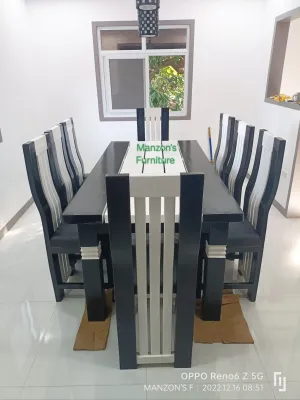
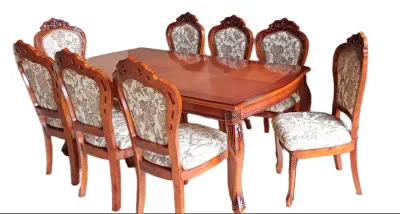
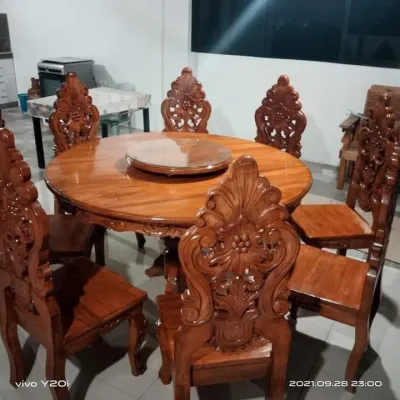
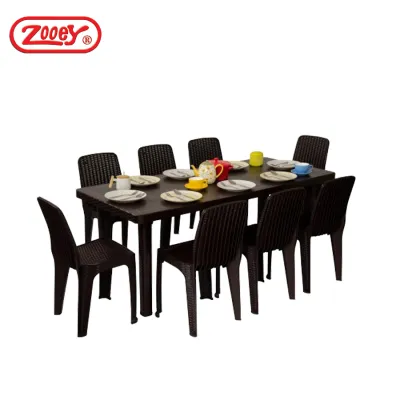
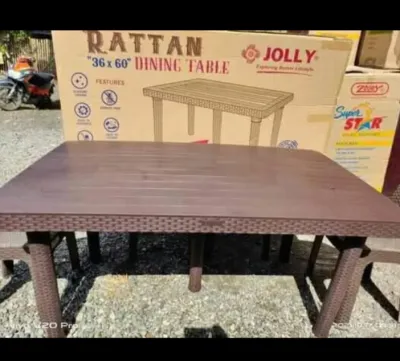
Prices are valid at publication and may change. Please refer to the product page for the latest price.
When considering an extendable table, you must perform these measurements twice. First, measure the room with the table in its compact, daily state to ensure it leaves plenty of open floor space for daily foot traffic. Second, map out the dimensions of the table when it is fully extended to its 8-seater capacity. You can use painter’s tape on the floor to visualize the footprint of the extended table. This exercise helps you verify if the fully opened table will block doorways, crowd nearby sideboards, or obstruct paths to the kitchen or living area during gatherings.
Delivery and assembly logistics are equally critical when selecting large furniture pieces. Before finalizing your purchase, check the dimensions of all entry points, including front doors, hallways, stairwells, and elevator cabins. A fixed 8-seater table often features a single, solid tabletop that cannot be disassembled, which can make maneuvering through tight corners or narrow condo corridors exceptionally difficult. In contrast, extendable tables are often delivered in smaller components, but their complex underframes and leaf storage compartments still require careful handling and sufficient clearance during installation.
Finally, evaluate the visual weight and proportion of the table within your specific room. A permanent, fixed 8-seater table possesses a commanding presence that can anchor a large, dedicated dining room beautifully. However, in a multi-purpose open-plan living area, a massive fixed table can easily overwhelm the space and make the entire room feel cramped. An extendable table offers a lighter visual footprint during daily use, preserving the open, airy feel of your home while retaining the capability to expand when hosting duties demand it.
Aligning the Table With Your Daily Dining Habits
Your daily household size and entertaining frequency should dictate whether a fixed or extendable table is the more practical choice. If you live in a multi-generational household where seven or eight family members gather for meals every single day, a fixed 8-seater dining table is highly practical. It eliminates the need for constant adjustments, providing a reliable, always-ready surface that accommodates everyone simultaneously. This setup fosters a consistent routine, allowing family members to sit down for breakfast, lunch, or dinner without any preparatory setup.

For smaller households that only host guests occasionally, a permanent 8-seater table can result in wasted space and a cold dining atmosphere. If your immediate household consists of three to five people, a large fixed table means several empty chairs will sit unused most of the week. This configuration can make daily family meals feel distant and formal. An extendable table allows you to keep the setting intimate and cozy for daily use, while still offering the flexibility to scale up when relatives visit for Sunday lunches or holiday celebrations.
Consider also the effort required to transition an extendable table. If you host guests frequently—such as multiple times a week—the process of constantly extending and collapsing the table can quickly become tedious. In such cases, if your floor plan permits, a fixed table might still be the more convenient option despite the larger footprint. Conversely, if hosting is a monthly or seasonal occurrence, the minor effort of expanding the table is a small trade-off for the daily benefit of reclaimed floor space and improved room mobility.
Furthermore, think about how your family uses the dining table outside of meal times. If the table frequently doubles as a homework station, a home office, or a crafting area, a fixed table provides a seamless, uninterrupted surface. You do not have to worry about clearing away projects or office setups to adjust the table size. On the other hand, an extendable table allows you to keep work or projects confined to one section during the day, and then expand the table to create a separate dining zone when evening arrives.
Comparing Extension Mechanisms and Maintenance Needs
If you lean toward an extendable table, understanding the different extension mechanisms is essential for long-term satisfaction. Common mechanism types include the butterfly leaf, drop-leaf, and removable center leaves. A butterfly leaf mechanism features a hinged leaf stored directly beneath the tabletop, which unfolds like wings when the table ends are pulled apart. This self-storing design is highly convenient because it eliminates the need to find separate storage space for the extra leaves, reducing the risk of misplacing or damaging them.
Drop-leaf tables feature hinged sections on the ends or sides that hang vertically when not in use and lift up to be supported by brackets when extended. While simple to operate, drop-leaf tables often have visible seams and hinges that can affect the aesthetic appeal and create small crevices where dust and food crumbs can accumulate. Removable center leaves, or insert leaves, require you to pull the table halves apart and manually place one or more separate panels into the center gap. While these tables often provide a very stable and flat surface when assembled, you must have a dedicated, climate-controlled closet or storage area to keep the unused leaves safe from warping.
Regardless of the mechanism type, you must check the quality and smoothness of the sliding tracks and locking systems. High-quality extendable tables utilize smooth metal glides or gear-driven tracks that allow a single person to open and close the table with minimal effort. When inspecting a table in a showroom or reviewing specifications online, look for robust locking latches that secure the leaves firmly in place. These locks prevent the table halves from drifting apart during use, ensuring a safe and level dining surface for your guests.
Maintenance requirements differ significantly between fixed and extendable designs. A fixed table has no moving parts, making it exceptionally easy to maintain; you only need to focus on surface cleaning and occasional joint tightening. Extendable tables, however, require periodic inspection of their mechanical components. Dust, humidity, and spilled liquids can compromise the sliding tracks over time. You must keep the tracks clean by vacuuming out debris and verifying that the alignment remains true, especially in humid tropical climates where wood can expand and contract, potentially causing mechanisms to stick or bind.
Checking Stability, Build Quality, and Surface Materials
Structural integrity is paramount when selecting an 8-seater table, as it must safely support the weight of heavy serving dishes, tableware, and leaning guests. When evaluating any table, pay close attention to leg placement and base stability. Fixed tables often feature sturdy corner legs or a heavy central pedestal that provides excellent, unyielding support. For extendable tables, you must verify how the base behaves when the table is fully opened. Some designs feature legs that slide outward to the corners as the table expands, which maintains excellent stability at the ends. Other designs utilize a fixed trestle or pedestal base where the tabletop extends far beyond the support structure, which can sometimes create a tipping hazard if heavy items are placed on the extreme edges.
To ensure long-term safety, check the joint construction and look for manufacturer weight capacity labels. High-quality tables utilize mortise-and-tenon joints, corner blocks, and heavy-duty metal hardware rather than simple wood screws or glue. If you have young children or pets, look for tables with built-in anti-tip features or exceptionally heavy bases that resist accidental shifting. Always consult the manufacturer’s guidelines regarding weight limits, especially for the extended sections of a table, to avoid overloading the leaf support brackets.
Surface materials must be evaluated based on actual care instructions and scratch resistance rather than assumptions about material names. For instance, while solid wood is often praised for its beauty and durability, it is susceptible to water rings, heat damage, and scratches if not finished with a high-quality protective sealant. In humid environments, solid wood can also warp or split if not properly seasoned. Engineered wood with high-pressure laminate or wood veneer can offer excellent stability and moisture resistance, but you must check the quality of the edge banding to ensure it will not peel over time.
When reviewing product labels, look for specific details regarding heat and moisture resistance. Tempered glass tops offer a modern look and are highly resistant to liquid stains, but they require frequent wiping to remove fingerprints and can chip or shatter if struck by heavy objects. Sintered stone or ceramic tops provide outstanding scratch and heat resistance, making them highly durable options for busy households, though they can be cool to the touch and produce more noise when tableware is set down. Always match the surface material’s care requirements to your family’s willingness to use coasters, placemats, and specialized cleaning products.
Final Decision: Which 8-Seater Table Fits Your Home?
To finalize your decision, synthesize your space measurements, daily habits, and maintenance preferences into a clear choice. A fixed 8-seater dining table is a highly suitable choice if you have a dedicated, spacious dining room and a consistently large household. It offers unmatched structural stability, a seamless aesthetic, and zero mechanical parts to maintain. This option allows you to invest in a permanent centerpiece that serves as a reliable anchor for your home’s daily life and social gatherings.
Conversely, an extendable dining table is a highly practical option if you live in a home where space is at a premium and you only require 8 seats for special occasions. It allows you to reclaim valuable floor space for daily movement, keeping your dining area open and versatile. By choosing a high-quality extension mechanism that fits your storage capabilities, you can enjoy the best of both worlds: an intimate setting for daily family meals and a spacious hosting platform for larger gatherings.
Before making any purchase, always perform a final check of your floor plan. Verify that your dining room allows adequate clearance for chairs and comfortable movement when the table is fully extended to its maximum length. By prioritizing physical measurements and realistic daily usage over aspirational hosting goals, you will select a dining table set 8 seater configuration that enhances your home’s functionality and brings your family together comfortably for years to come.
Frequently Asked Questions (FAQ)
Can I add extra chairs to a fixed 8-seater table if needed?
Yes, you can often add extra chairs to a fixed 8-seater table, but you must first check the table’s leg placement and edge overhang. Tables with corner legs limit how closely you can place chairs along the sides, whereas pedestal or trestle bases offer more flexibility for squeezing in additional seats. Always refer to the manufacturer’s guidelines regarding safe seating capacity and weight limits to avoid overloading the table or compromising diner comfort. Additionally, ensure that adding extra chairs does not block essential walkways or create an uncomfortable, cramped dining experience for your guests.
Do extendable dining tables wobble when fully opened?
High-quality extendable dining tables should not wobble when fully opened, provided they are properly assembled and leveled. Stability issues typically arise from misaligned sliding mechanisms, loose locking latches, or uneven flooring. To prevent wobbling, ensure that all support legs are firmly on the ground and utilize adjustable leveling feet if your floor is uneven. If you notice persistent instability or if the extension leaves do not align flat, stop using the table immediately and consult the manufacturer or a qualified furniture technician to inspect the hardware and avoid structural damage.

Community discussion
Share your experience or ask a question. Comments are reviewed before publication.