
A floating bookshelf can safely hold books, but its actual weight capacity is not a single, universal number. Instead, the limit is determined by a combination of the shelf’s material, the design of its hidden bracket, the type of wall it is mounted on, and the hardware used for installation. To avoid a catastrophic collapse or unsightly sagging, you must evaluate these factors together rather than relying solely on the shelf’s aesthetic appeal.
The Truth About Floating Bookshelf Weight Limits
There is no single standard weight limit that applies to all floating shelves. A shelf rated for a high capacity on a solid concrete wall might support only a fraction of that weight if poorly mounted on thin drywall. The true capacity of your setup depends entirely on how the shelf material, internal bracket design, wall type, and mounting hardware interact.
To find the starting point for your specific shelf, always check the manufacturer’s specification sheet, product manual, or packaging. These documents provide the rated maximum load, which is calculated under ideal testing conditions.
Products mentioned in this guide
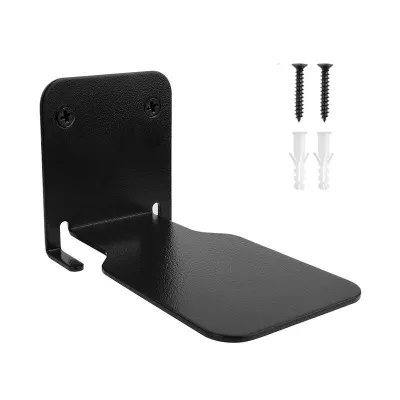
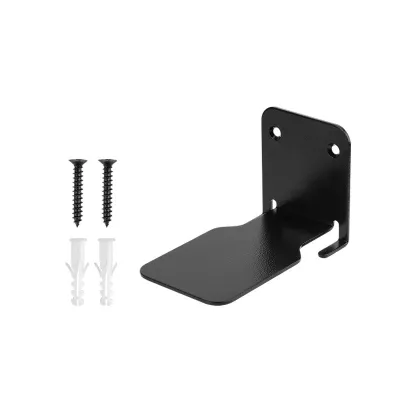
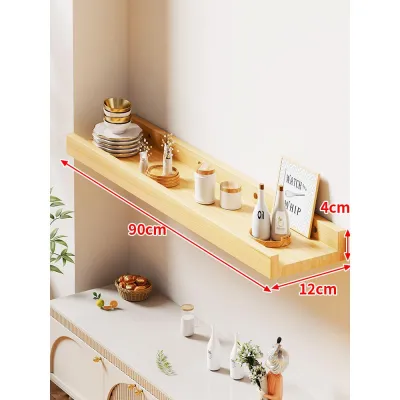
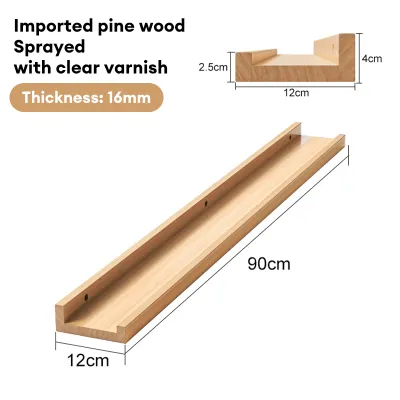

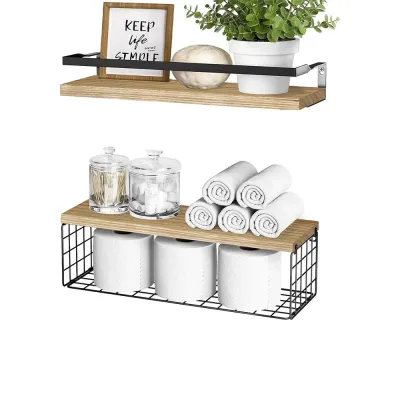
Prices are valid at publication and may change. Please refer to the product page for the latest price.
It is also crucial to understand the difference between static load and dynamic load. Static load refers to the weight of stationary books sitting undisturbed on the shelf. Dynamic load is the temporary, additional force applied when you place a book down, pull a heavy volume off the shelf, or accidentally lean on the ledge. If your shelf is loaded to its absolute static limit, the simple act of grabbing a heavy book can exceed the threshold and cause the bracket to bend or pull away from the wall.
Decoding Manufacturer Load Specifications for Books
When a manufacturer states a “maximum load capacity,” they are referring to the total weight the shelf can support when that weight is distributed perfectly evenly across the entire surface. This rating typically includes a safety margin, but this margin is designed to protect against unexpected stress, not to serve as an invitation to overload the unit.

To translate these technical ratings into practical terms for your book collection, you need a reliable way to estimate the weight of your books. Categorizing your collection is an effective approach. Standard paperbacks are relatively light, but when packed tightly together, their cumulative weight increases quickly. Hardcovers, art books, and academic textbooks are significantly denser due to heavy paper stock, thick bindings, and larger dimensions. A single shelf filled entirely with law textbooks or design annuals will weigh vastly more than one holding a few light novels and decorative items.
Exceeding the rated limit poses serious long-term risks. Even if a shelf does not immediately fall off the wall when overloaded, it faces progressive damage. Constant stress leads to bracket fatigue, where the metal slowly bends downward over months or years. Wood and engineered wood can also suffer from progressive sagging, permanently warping the shelf’s profile and compromising its structural integrity.
Matching Wall Types and Anchoring Hardware to Your Load
In the Philippines, residential walls vary significantly. Many homes feature solid concrete or hollow concrete blocks, while interior partitions in newer condominiums or renovated spaces often use drywall or gypsum board. Understanding your wall type is the most critical step in ensuring your shelf stays secure.
Solid concrete and masonry walls offer the highest load-bearing potential because the wall material itself is dense and holds anchors tightly. Conversely, drywall has very little structural strength on its own. If you mount a floating bookshelf directly onto drywall using standard plastic plugs, the weight of a few books can easily tear the anchors straight through the gypsum. To safely mount on drywall, you must anchor the bracket directly into the wooden or metal studs behind the wall, or use specialized heavy-duty toggle bolts designed to spread the load behind the board.
Always match the wall plugs, screws, and hidden bracket systems to your specific wall material. Standard wood screws or generic plastic anchors included in the box are often only suitable for specific surfaces. If the manufacturer-recommended hardware does not match your wall type, you must purchase compatible, high-quality anchors separately.
If you encounter a wall that is crumbling, shows signs of moisture damage from tropical humidity, or if you are unsure of what lies behind the plaster, stop the installation immediately. Consulting a qualified local carpenter or contractor is the safest way to prevent structural damage to your home.
How Shelf Materials and Hidden Brackets Prevent Sagging
The physical build of the shelf determines how well it resists bending. Solid wood offers excellent natural stiffness and resists bowing under moderate weight. Engineered wood, like Medium-Density Fiberboard (MDF) or particle board, is highly common and budget-friendly, but it is more susceptible to sagging over time, especially in humid tropical climates if the protective laminate or paint finish is compromised.
The internal engineering is just as critical as the exterior material. High-quality floating shelves rely on robust internal support structures. This usually consists of a heavy-duty steel bracket with welded rods that slide deep into pre-drilled chambers inside the shelf. Other designs use reinforced wooden cleats or internal honeycomb cores that distribute the weight back toward the wall.
Do not assume a thicker shelf profile automatically translates to a higher weight limit. A thick, chunky shelf made of lightweight hollow materials might look strong, but if its internal bracket is thin or the wall anchors are weak, it will fail just as quickly as a thin shelf.
Estimating Your Book Load and Planning a Safe Layout
Before mounting your collection, take the time to estimate its weight. A practical method is to group a sample stack of the books you plan to display and weigh them using a standard household scale. By measuring a one-foot stack of books, you can easily calculate the approximate weight of your entire collection based on the total length of the shelf.
When arranging your books, place the heaviest items—such as large textbooks, encyclopedias, or dense hardcovers—closest to the wall and directly over the hidden support brackets. This minimizes the leverage effect, which exerts the greatest pulling force on the wall anchors.
Distribute the remaining weight evenly across the entire span of the shelf. Avoid concentrating heavy items at the extreme outer edges or the very front of the shelf, as this uneven distribution increases the risk of twisting the bracket and causing the shelf to tilt forward.
Frequently Asked Questions (FAQ)
This section contains direct answers to common reader questions about floating bookshelf safety and usage.
Can I use a floating bookshelf for heavy textbooks or encyclopedias?
Yes, but only if the shelf’s rated weight limit accommodates the load and it is mounted securely to a solid wall or wall studs. Always check the manufacturer’s specifications first. If you have a large collection of dense academic textbooks, it is highly recommended to use shorter, thicker shelves with heavy-duty concealed steel brackets. If the total weight of your books exceeds the safe limits of a floating design, opting for a traditional floor-standing bookcase is the safest choice to prevent wall damage.
How do I know if my wall can support the shelf?
Before drilling, perform a few simple visual and physical checks. Look for cracks, signs of crumbling plaster, or soft spots in the wall. Tap the wall gently; a hollow sound usually indicates drywall or hollow plasterboard, while a dull, solid thud points to concrete or masonry. If you detect crumbling material, moisture damage, or are uncertain about the wall’s internal structure, consult a professional contractor to assess the wall and ensure a safe installation.

Community discussion
Share your experience or ask a question. Comments are reviewed before publication.