
Finding the right work-from-home setup when space is limited requires balancing physical comfort, room layout, and daily work habits. In compact living environments, such as studio apartments or shared family homes, a traditional bulky desk is often impractical. Choosing between a floor table, a foldable desk, and a standing desk depends on how you intend to use your workspace and how much floor area you can permanently dedicate to it.
Each option offers distinct advantages for managing space and maintaining productivity. A floor table minimizes visual clutter and fits into the smallest corners, while a foldable desk provides a temporary, structured workspace that you can pack away at the end of the day. Meanwhile, a standing desk prioritizes long-term physical comfort by allowing you to change postures, though it requires a dedicated, permanent footprint. By evaluating your daily routine and physical space, you can select a setup that keeps you productive without overcrowding your home.
Assessing Your Space and Daily Work Habits
Before browsing online marketplaces or local furniture showrooms, you must establish the physical boundaries of your potential workspace. Start by measuring the exact floor area where you plan to work, keeping in mind that you also need space to pull out a chair or sit comfortably on the floor. Take note of nearby power outlets, window locations that might cause screen glare, and the general traffic flow of the room to avoid blocking pathways.
Products mentioned in this guide
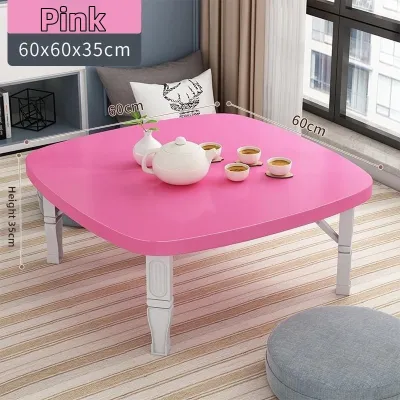
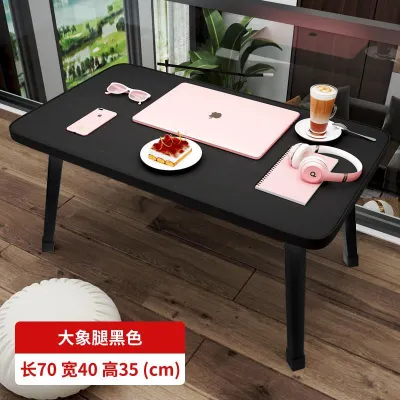
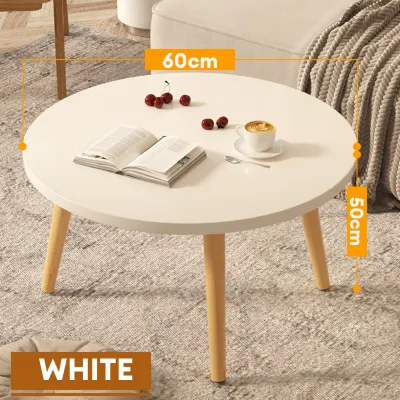

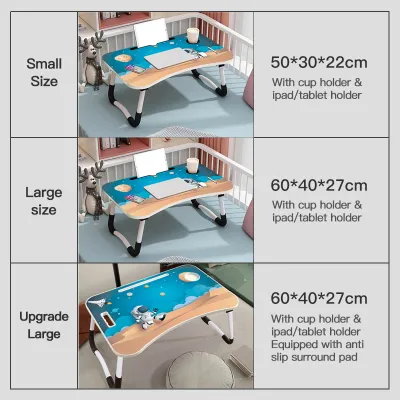
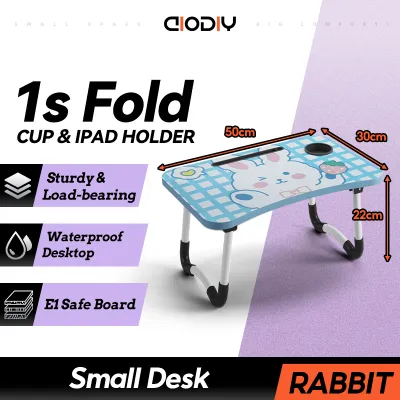
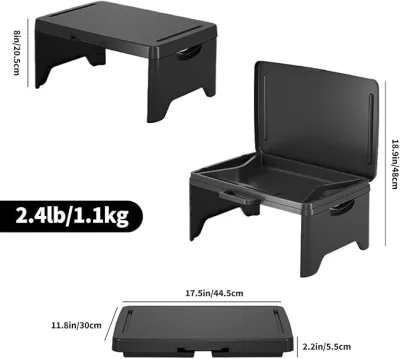
Prices are valid at publication and may change. Please refer to the product page for the latest price.
If you are considering a standing desk or a tall shelving unit, check the ceiling height and any wall-mounted fixtures that might obstruct vertical movement. It is equally important to measure the narrowest points of your delivery route, including doorways, hallways, stairwells, and elevator cabins. Ensuring that a fully packaged desk can physically reach your room prevents costly return shipping fees and assembly headaches.
Your daily work habits dictate the level of structural support and comfort your desk must provide. If your job requires eight or more hours of continuous typing and video calls, your physical need for posture changes and ergonomic support is much higher than someone who only uses a desk for casual browsing. Consider how many devices you use daily, as a setup with multiple monitors, a printer, and external hard drives requires a far more robust surface than a simple laptop-only routine.
Floor Tables: Maximizing Minimal Footprints
Floor tables, often inspired by traditional low-sitting furniture, offer an exceptionally compact solution for highly restricted living spaces. Because they sit low to the ground, they do not dominate a room visually, making small spaces feel more open. When your workday ends, many low tables can be slid under a bed, placed inside a closet, or leaned against a wall, instantly reclaiming your living area.

Despite their space-saving benefits, floor-level workspaces present distinct ergonomic challenges during long-hour laptop use. Sitting on the floor without proper support can lead to slouching, which places excessive strain on your lower back, neck, and shoulders. Typing for extended periods without a proper elbow angle can also cause wrist discomfort, making floor tables less suitable for intensive, full-time office work unless you actively manage your posture.
To make a floor table viable for daily work, investing in supportive seating accessories is essential. A thick floor cushion, a tatami mat, or a dedicated legless floor chair with adjustable back support can help maintain the natural curve of your spine. Additionally, raising your laptop to eye level with a small stand and using an external keyboard and mouse will prevent you from constantly looking downward, protecting your neck.
In tropical climates like the Philippines, working close to the floor requires extra attention to cleanliness and air circulation. Dust tends to settle on floor surfaces quickly, meaning you will need to sweep or vacuum your workspace daily. Ensuring your room has adequate ventilation or a nearby fan is also crucial, as sitting directly on the floor can sometimes feel warmer due to restricted airflow.
Foldable Desks: Flexibility for Multi-Purpose Rooms
A foldable desk serves as an excellent compromise for multi-purpose rooms where you need a dedicated, elevated writing surface that can disappear when not in use. These desks can be set up in a matter of seconds, allowing you to transition a bedroom or dining area into a functional office and back again. This flexibility is ideal for hybrid workers who only need a home office setup on specific days of the week.
When shopping for a collapsible desk, the ease of the setup and takedown process is a critical factor to consider. If the folding mechanism is overly complex or heavy, you may find yourself leaving the desk permanently open, defeating its primary purpose. Look for designs that fold completely flat, allowing them to slip behind a door, slide under a sofa, or store neatly in a utility closet when your workday is done.
Stability and weight capacity are common areas of concern for foldable furniture, especially if you use heavier office equipment. Lightweight frames may wobble during vigorous typing or when supporting large external monitors, which can be highly distracting. Before purchasing, verify the manufacturer’s specified weight limits and check that the frame materials, such as powder-coated steel or solid wood, are sturdy enough to handle your devices.
The durability of the moving parts is what ultimately determines the lifespan of a foldable desk. Inspect the hinges, leg locking mechanisms, and joints to ensure they are robust enough to withstand daily folding and unfolding. In humid environments, metal hinges and joints are susceptible to rust over time, so look for hardware with rust-resistant coatings and clean the frame periodically to prevent moisture buildup.
Standing Desks: Ergonomics and Vertical Space Use
Standing desks, particularly height-adjustable models, are designed to prioritize physical comfort by encouraging movement throughout the workday. Alternating between sitting and standing can help reduce physical fatigue, improve circulation, and alleviate the lower back pain often associated with prolonged sitting. By utilizing vertical space, these desks allow you to adjust your working height precisely to your body’s proportions.
While standing desks offer excellent ergonomic benefits, they require a permanent floor footprint that cannot be easily cleared away at the end of the day. You must ensure that your room has enough clearance not only for the desk itself but also for your office chair when you are standing. Additionally, motorized models require proximity to a power outlet and space for cable management systems to prevent cords from stretching or unplugging as the desk moves.
Structural stability is a vital safety consideration for standing desks, particularly when extended to their maximum height. Some budget-friendly models may experience slight swaying or shaking when fully raised, which can affect your concentration and put delicate equipment at risk. To ensure safety, check the desk’s base design, looking for wider feet and heavy-duty steel columns that provide a solid foundation.
Weight limits are also crucial for motorized standing desks, as overloading the desktop can strain or damage the lift motor. When calculating your weight requirements, include the weight of the desktop itself, your monitors, laptop, desk organizers, and any heavy accessories. Opting for a motor with built-in overload protection and a smooth start-stop motion will help protect your equipment and extend the life of the desk.
Direct Comparison: Space, Comfort, and Setup Requirements
To help you visualize how these three options compare, the table below outlines the key physical and operational differences you should consider before making a decision.
| Feature | Floor Table | Foldable Desk | Standing Desk |
|---|---|---|---|
| Floor Area Needed | Minimal; easily cleared | Moderate; temporary footprint | Moderate to large; permanent footprint |
| Assembly Complexity | Low to none; usually pre-assembled | Low; minimal tool setup | Moderate to high; requires motor and frame assembly |
| Ergonomic Suitability | Best for short, casual sessions | Moderate; depends on chair choice | High; supports active posture changes |
| Portability | High; lightweight and easy to carry | High; folds flat for storage | Low; heavy and difficult to move |
| Structural Stability | High; low center of gravity | Variable; check hinge locking mechanisms | High; check stability at maximum height |
Each setup involves clear trade-offs between portability and structural stability. While a floor table is highly portable and requires virtually no setup, it cannot comfortably support a dual-monitor arm or heavy desktop tower without risking tipping or severe ergonomic strain. Conversely, a standing desk provides a highly stable, professional platform for multiple screens and heavy gear, but it sacrifices all portability and requires a dedicated area in your home.
Foldable desks occupy the middle ground, offering a full-height working surface that can still be stored away. However, they are generally not designed to support heavy clamp-on monitor mounts, which can concentrate too much weight on a single point of a collapsible desktop. Understanding these physical limitations prevents equipment damage and ensures your workspace remains safe and functional.
How to Decide: Matching the Desk to Your Lifestyle
Choosing the right desk ultimately comes down to matching your daily work requirements with the physical realities of your living space. If your home is extremely compact, such as a shared room or a micro-condo, and your daily work sessions are short or casual, a floor table is a highly practical choice. It allows you to complete your tasks comfortably with the help of a supportive floor cushion, without permanently sacrificing precious floor space.
If your room must serve multiple functions—such as a bedroom that needs to feel relaxing at night or a dining room that hosts family meals—a foldable desk is the most logical option. This setup allows you to maintain a professional, chair-height workspace during office hours and completely hide it away when you log off. It is the ideal choice for hybrid professionals who value a clear boundary between their work life and personal life.
For those who work full-time from home and prioritize long-term physical comfort, a standing desk is a worthwhile investment, provided you have the space for a permanent setup. The ability to transition between sitting and standing throughout a long shift is invaluable for maintaining energy and comfort. If you select this option, ensure you have a dedicated corner where the desk can remain assembled without blocking doors or walkways.
Before finalizing any purchase, always verify the manufacturer’s exact specifications for dimensions, weight capacity, and assembly requirements. Measure your available space one final time against the product’s listed width and depth to ensure a perfect fit. By taking the time to match your desk to your specific environment and physical needs, you can create a productive, comfortable, and clutter-free home office.
Frequently Asked Questions (FAQ)
Can I use a regular chair with a floor table?
No, standard office chairs and dining chairs are designed for desks that stand much higher off the ground. Attempting to use a regular chair with a floor table will force you to bend over double to reach your keyboard, leading to severe back and neck strain. Instead, pair a floor table with dedicated low-sitting options such as floor chairs with back support, thick meditation cushions, or legless tatami chairs designed specifically for ground-level use.
Are foldable desks stable enough for dual monitor setups?
Most lightweight foldable desks are not designed to support the concentrated weight and leverage of a dual-monitor mount. Clamp-on monitor arms can put excessive stress on the thin desktop materials common in collapsible furniture, potentially causing the surface to warp or crack. If you must use two monitors on a foldable desk, check the manufacturer’s weight capacity carefully, opt for a model with a heavy-duty steel frame, and consider using the monitors on their original individual stands rather than a single clamp-on arm.
Do standing desks require special floor protection?
Because height-adjustable standing desks are often heavy—especially motorized models carrying multiple monitors—they can place significant pressure on your flooring. Over time, moving the desk or shifting your office chair can scratch, dent, or scuff delicate surfaces like hardwood, laminate, or vinyl tiles. To protect your floor, check the design of the desk’s feet for protective pads, and consider placing a durable desk chair mat or a thick area rug underneath the entire setup to distribute the weight evenly.

Community discussion
Share your experience or ask a question. Comments are reviewed before publication.