
Quick Answer: Do Foam Mattresses Sleep Cool in the Philippines?
Traditional, solid polyurethane and standard memory foam mattresses tend to trap body heat, which can make them uncomfortable during hot, humid nights in the Philippines. Because these materials feature a dense, closed-cell structure, they act as thermal insulators rather than heat dissipators.
However, a foam mattress can still be a viable option for tropical climates if it is engineered with specific cooling technologies. Modern foam beds featuring open-cell configurations, gel infusions, and highly breathable, moisture-wicking covers can significantly reduce heat retention. Ultimately, whether a foam mattress sleeps cool depends entirely on its specific material composition, density, and structural design rather than the generic “foam” label.
Why Traditional Foam Traps Heat in Humid Climates
Standard polyurethane foam and traditional memory foam are composed of millions of tiny, closed cells. This dense structure restricts internal airflow, meaning the heat radiated by your body has no path of escape. Instead of passing through the mattress, your body heat is absorbed by the foam and reflected back to you, creating a warm microclimate.
Products mentioned in this guide
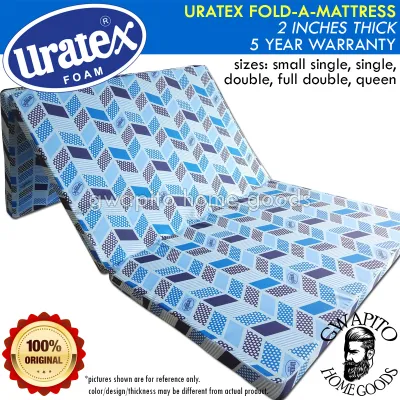
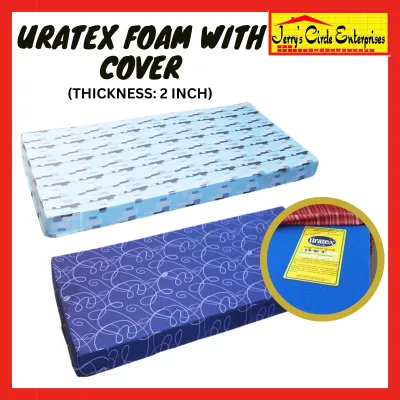
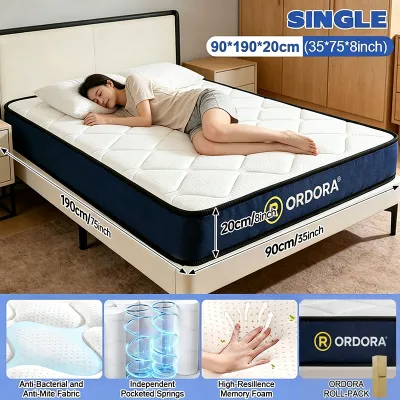
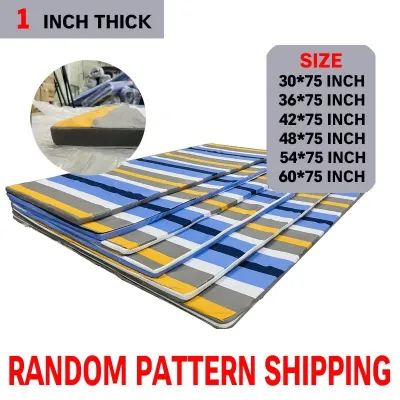
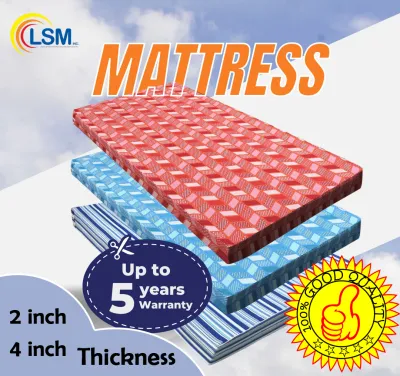
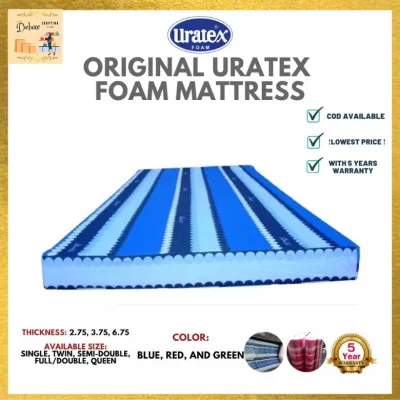

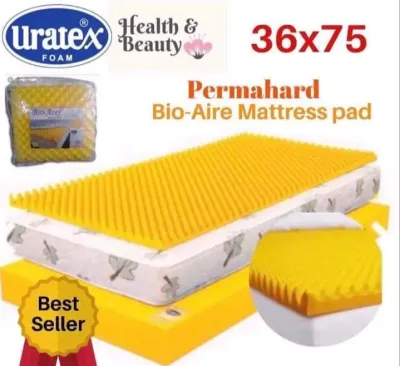
Prices are valid at publication and may change. Please refer to the product page for the latest price.

In the Philippines, this heat-retention cycle is exacerbated by high ambient humidity. When the relative humidity is high, the air is already saturated with moisture, which severely limits the rate at which your sweat can evaporate. Sweat evaporation is the human body’s primary mechanism for cooling down.
When a heat-trapping mattress is paired with high humidity, the result is a clammy, uncomfortable sleeping surface. The moisture from your skin becomes trapped between your body and the dense foam, leading to elevated skin temperatures and disrupted sleep cycles. Without adequate ventilation within the mattress core, even an air-conditioned room may not fully offset the heat concentrated directly beneath your body.
Verifiable Cooling Features to Look for in a Foam Mattress
To find a foam mattress that performs well in tropical conditions, you must look past generic marketing claims and verify the product’s physical specifications. Checking these tangible features will help ensure your bed remains comfortable throughout the year.
- Open-Cell Foam Structure: Standard foam is often closed-cell, but open-cell foam is manufactured to have interconnected air pathways. This design allows air to flow freely through the mattress when you move, expelling warm air and pulling in cooler ambient air.
- Gel Infusions and Phase-Change Materials (PCM): Look for foams infused with cooling gel beads or liquid gel. These materials absorb heat and help distribute it away from your body. Phase-change materials actively absorb, store, and release heat to maintain a stable surface temperature.
- Breathable Cover Fabrics: The fabric encasing the mattress is your first point of contact. Opt for covers woven from natural fibers like cotton or bamboo-derived rayon, or specialized cool-to-the-touch synthetic yarns. Avoid heavy polyester covers, which trap moisture and heat.
- Ventilation Channels: Some advanced foam mattresses feature physical air channels or perforations cut directly into the foam layers. These channels act as internal air ducts, promoting continuous ventilation.
Before purchasing, inspect the manufacturer’s product specifications sheet or the physical tag on the mattress. If you are shopping in a physical showroom, gently press down on the foam to feel if air escapes quickly, and check if the cover material feels cool and lightweight to the touch.
Comparing Foam Types for Breathability and Temperature Control
Different foam materials exhibit distinct thermal properties, support profiles, and airflow characteristics. Understanding these differences allows you to choose a material suited to high-humidity environments.
Traditional memory foam offers excellent pressure relief but has the highest heat retention due to its temperature-sensitive, dense structure. High-resilience (HR) polyurethane foam features a more supportive, springy feel and generally offers moderate airflow because of its larger cell structure. Natural latex foam is highly responsive, offers excellent support, and is naturally breathable due to its open-cell structure and pincore ventilation holes.
The table below outlines the general characteristics of these common foam types to assist in your decision:
| Foam Type | Breathability Level | Heat Retention Tendency | Support Feel |
|---|---|---|---|
| Traditional Memory Foam | Low | High | Deep contouring, slow response |
| High-Resilience Polyurethane | Moderate | Moderate | Balanced, medium-firm response |
| Gel-Infused Memory Foam | Moderate | Moderate to Low | Contouring with temporary cooling |
| Natural Latex Foam | High | Low | Springy, highly responsive |
While natural latex foam offers superior cooling performance, it typically carries a higher price point. High-resilience polyurethane and gel-infused options provide a practical middle ground for balancing budget and temperature regulation.
Evaluating Single Foam Beds and Local Brands Like Uratex
When looking for a single foam bed from local brands like Uratex, the size of the mattress and the specific product line play a crucial role in temperature management. A single-size mattress (typically 36 inches by 75 inches in the Philippines) naturally has a smaller surface area, but it also benefits from having only one sleeper.
With only one body heating the mattress, heat accumulation is significantly lower than on a double or queen-size bed shared by two people. Additionally, a single bed allows for better air circulation around the exposed edges of the mattress, helping heat dissipate more rapidly into the bedroom.
However, choosing a local brand like Uratex or its competitors requires looking closely at the specific model’s construction. Traditional, entry-level blue polyurethane foam mattresses are highly durable and budget-friendly, but they lack advanced cooling features and can feel warm in unventilated rooms. If you are opting for a single foam bed from these brands, look for specialized product lines that incorporate convoluted (egg-crate) designs, gel-infused memory foam, or breathable knitted covers. Always check the manufacturer’s care instructions and warranty terms to ensure the mattress is rated for the humidity levels in your home.
Humidity and Mold Prevention: Maintaining Your Foam Bed
The high humidity of the Philippines poses a unique challenge to foam mattresses: the risk of mold and mildew growth. Because foam is porous, it can absorb ambient moisture and sweat, creating an environment where fungi can thrive. Implementing safe, routine maintenance practices is essential to protect your investment and maintain a healthy sleeping environment.
- Use a Breathable, Waterproof Protector: A high-quality mattress protector keeps sweat and spills from penetrating the foam core while still allowing air to circulate. Ensure the protector is specifically labeled as breathable to avoid trapping heat.
- Ensure Proper Bed Frame Ventilation: Avoid placing your foam mattress directly on the floor or on a solid wood platform. These setups block airflow underneath the mattress, trapping condensation. Use a sturdy, slatted bed frame with gaps of no more than 3 inches to allow air to circulate beneath the bed.
- Promote Room Airflow: Keep your bedroom well-ventilated by using ceiling fans, standing fans, or air conditioning. If possible, run a dehumidifier during the peak of the rainy season to keep indoor relative humidity below 60%.
- Rotate the Mattress Regularly: Rotate your single foam mattress 180 degrees every three to six months. This ensures even wear and allows different sections of the foam to air out.
- Avoid Wet Cleaning Methods: Never use steam cleaners, harsh liquid chemicals, or excessive water to spot-clean a foam mattress. Water trapped deep inside the foam is incredibly difficult to dry and will likely lead to mold growth, which can void your manufacturer's warranty. For dry cleaning, vacuum the surface gently with an upholstery attachment.
Frequently Asked Questions (FAQ)
Do I need a specific bed frame for a single foam mattress to keep it cool?
Yes, the bed frame you choose directly impacts how cool your single foam mattress sleeps. A slatted bed frame with adequate spacing between the slats is highly recommended because it allows air to circulate underneath the mattress, preventing heat and moisture from becoming trapped. Avoid solid platform bases or placing the mattress directly on the floor, as these configurations block ventilation and increase the risk of mold growth in humid environments.
Will a gel-infused foam mattress completely stop night sweats?
A gel-infused foam mattress will not completely eliminate night sweats on its own, especially during the peak of the dry season in the Philippines. While gel infusions and open-cell designs are highly effective at absorbing and dissipating initial body heat, they work best in conjunction with environmental cooling. To maintain a comfortable sleeping temperature, you should pair your mattress with a fan, air conditioning, and lightweight, breathable cotton or bamboo bed sheets.

Community discussion
Share your experience or ask a question. Comments are reviewed before publication.