
In the warm, humid climate of the Philippines, choosing the right mattress is the difference between a restful night and waking up drenched in sweat. With overnight temperatures often remaining high and humidity levels regularly climbing, your bed can easily act as a heat sponge. Finding a mattress that balances support, pressure relief, and temperature regulation requires looking closely at how different materials behave under tropical conditions.
To sleep comfortably, your body needs to shed heat, which requires a mattress that facilitates continuous airflow. Spring mattresses offer the highest natural ventilation due to the open space between their steel coils, making them an excellent choice for rooms without continuous air conditioning. Latex mattresses provide a premium, naturally breathable alternative with excellent durability, while foam mattresses offer unmatched pressure relief but require specific cooling technologies to prevent heat trapping. Understanding these material differences allows you to select a bed that matches your local environment, budget, and personal comfort preferences.
How Heat and Humidity Impact Mattress Performance
High ambient humidity and elevated temperatures do more than just make you feel warm; they actively alter the physical properties of your mattress over time. In tropical environments, moisture from sweat and the surrounding air can seep deep into the mattress core. If this moisture becomes trapped, it accelerates the breakdown of internal cushioning layers, leads to unpleasant off-gassing odors, and creates a breeding ground for mold, mildew, and dust mites.
Products mentioned in this guide
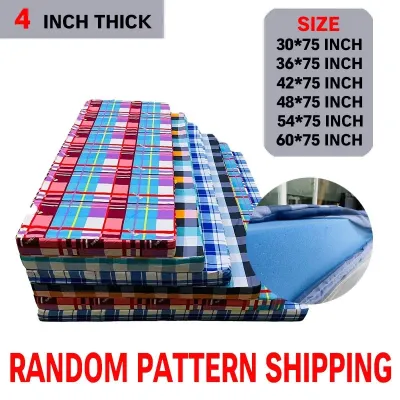
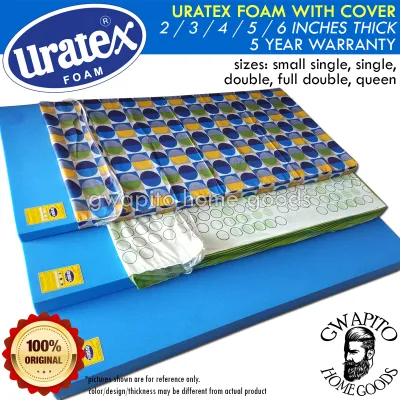

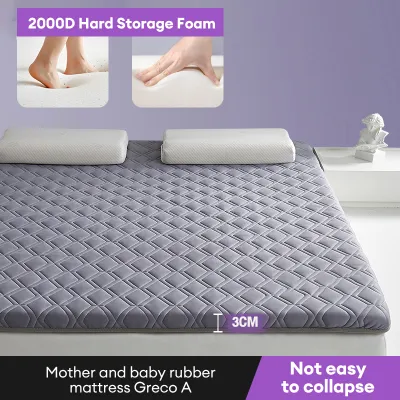
![ORIGINAL URATEX FOAM Mattress 6InchesX75 ALL SIZES ( 6x30x75 / 6x36x75 / 6x48x75 /6x54x75 / 6x60x75 / 6x72x75 - ALL COLOURS) [ S size / Single size / Double size / Full Double size / Queen size / King size ] BED FOAM - URATEX SALE - URATEX BED ON SALE](https://img.lazcdn.com/g/p/99826ccee9eb41ad4eb62d978654a853.png_400x400q80.png_.webp)



Prices are valid at publication and may change. Please refer to the product page for the latest price.
Room temperature also directly influences how certain mattress materials support your body. For instance, traditional memory foam is temperature-sensitive, meaning it softens as it absorbs body heat and ambient warmth. In a hot room, this causes you to sink deeper into the mattress, wrapping the material around your body and further restricting airflow. Without proper ventilation, this sinking effect creates a localized heat zone that can disrupt your sleep cycle.
To protect your investment from humidity-related damage, proper bed frame ventilation is essential. Placing a mattress directly on the floor or on a solid, unventilated platform blocks air from escaping through the bottom, trapping moisture inside the core. Before purchasing, it is crucial to check the manufacturer’s warranty terms regarding humidity damage, sagging limits, and the specific type of bed base required to maintain structural integrity.
Foam Mattresses: Evaluating Comfort and Heat Retention
Foam mattresses are highly popular for their contouring comfort and excellent motion isolation, but they require careful evaluation when used in hot climates. Standard polyurethane foam (polyfoam) and traditional memory foam consist of dense, closed-cell structures that naturally restrict air circulation. When you lie down, your body heat is absorbed by the foam and has nowhere to go, often resulting in a warm, uncomfortable sleep surface.

To counter this heat-trapping tendency, manufacturers develop specialized foam variants. Gel-infused memory foam, open-cell polyfoam, and foams featuring convoluted (egg-crate) designs are engineered to facilitate better heat dissipation. When shopping for popular local options, such as a standard uratex foam queen size mattress, it is important to look beyond the brand name and inspect the product specifications. Check the product labels for density ratings, open-cell technology certifications, or specialized cooling covers woven with phase-change materials or cooling threads.
Sizing, thickness, and density also play a major role in how hot a foam mattress will sleep. A thicker foam mattress, such as a 10-inch or 12-inch model, offers deeper contouring but allows your body to sink further, which increases the surface area contact and traps more heat. Conversely, a thinner 4-inch to 6-inch foam mattress keeps you positioned closer to the surface where air can circulate, though it requires a highly supportive, flat foundation to prevent the foam from bottoming out under your body weight.
Latex Mattresses: Breathability and Longevity in Humid Climates
Latex mattresses serve as a premium, highly resilient alternative that naturally excels in tropical environments. Derived from the sap of rubber trees, natural latex features an inherent open-cell molecular structure. During the manufacturing process, this material is molded with vertical ventilation channels (often called pincore holes) that allow air to flow freely through the entire mattress core, preventing heat from building up around your body.
When comparing latex options, the distinction between natural and synthetic latex is critical for long-term performance. Natural latex offers superior breathability, elasticity, and resistance to high humidity, making it highly resistant to the mold and dust mites that thrive in warm climates. Synthetic latex is a more budget-friendly alternative, but it tends to retain slightly more heat and can degrade or crumble faster when exposed to persistent moisture and body oils.
While latex provides exceptional cooling and support, it is also one of the heaviest mattress materials available. A queen-size latex mattress requires a heavy-duty, well-ventilated slatted bed frame to support its weight and allow air to circulate underneath. Because of its flexibility and weight, moving, rotating, or cleaning a latex mattress requires significant physical effort, which is an important practical consideration for delivery and home maintenance.
Spring Mattresses: Maximizing Airflow and Support
For sleepers who prioritize temperature neutrality above all else, spring mattresses remain the traditional benchmark. The core of an innerspring or hybrid mattress consists of steel coils, leaving a vast amount of open space inside the bed. This open structure acts as a natural ventilation chamber, allowing warm air to escape downward and outward rather than reflecting it back toward your body.
However, the overall temperature of a spring mattress is heavily influenced by its top comfort layers. A mattress with a pocketed coil base can still sleep hot if it is topped with a thick, dense layer of traditional memory foam. To maintain the cooling benefits of the spring core, look for models that utilize breathable comfort layers, such as natural latex, open-cell foam, or quilted cotton covers. These materials allow your body heat to pass through easily into the coil chamber below.
While spring mattresses excel at airflow and edge support, they do come with specific trade-offs. Traditional open-coil systems can transfer motion across the bed, which may disturb you if your partner moves. Pocketed coils solve this issue by wrapping each spring individually, though they generally carry a higher price tag. Before purchasing, verify the coil gauge and edge support specifications to ensure the mattress will resist sagging along the borders over years of daily use.
Decision Framework: Match Your Sleep Profile to the Right Material
To finalize your mattress choice, align your personal sleep habits, bedroom setup, and budget with the strengths of each material:
- Choose Foam if: You require targeted pressure relief for joint pain, prefer a body-hugging sensation, sleep with a partner and need maximum motion isolation, and have an air-conditioned bedroom or select a model with verified, label-backed cooling technologies.
- Choose Latex if: You want a highly responsive, bouncy surface that makes it easy to move, prefer natural and hypoallergenic materials, want a mattress that can withstand high humidity for over a decade, and have the budget for a premium, heavy-duty sleep system.
- Choose Spring if: You sleep exceptionally hot, do not use air conditioning overnight, prefer a traditional firm feel with robust edge support, and want the maximum possible airflow to keep your body cool.
- Verify First: Before making a purchase, assess your bedroom's average humidity levels, the weight capacity of your existing bed frame, and whether your bed base provides the necessary ventilation to prevent moisture buildup.
Pre-Purchase Checklist for Tropical Bedrooms
Before ordering your new mattress, use this practical checklist to ensure a smooth delivery and long-lasting performance in your home:
- Measure Space and Access: Confirm the exact dimensions of your bed frame (a standard queen size in the local market is typically 60 by 75 inches). Measure your doorways, stairwells, and hallway clearances to ensure the delivery team can safely transport the mattress into your bedroom.
- Inspect the Bed Base: Ensure your bed frame slats are spaced correctly—typically no more than 3 inches apart for foam and latex mattresses—to prevent sagging while still allowing sufficient airflow underneath the bed.
- Plan for Moisture Protection: Invest in a breathable, waterproof mattress protector. This shield prevents sweat and ambient humidity from penetrating the mattress core without completely blocking the cooling properties of the surface fabric.
- Review Care and Warranty Terms: Read the manufacturer's guidelines regarding rotation schedules (usually every 3 to 6 months to ensure even wear) and check the warranty details to understand what level of physical sagging is covered under tropical usage conditions.

Community discussion
Share your experience or ask a question. Comments are reviewed before publication.