
Hosting large gatherings of family and friends is a cornerstone of daily life. Whether it is a Sunday lunch, a birthday celebration, or a holiday fiesta, you need a dining setup that can adapt to a fluctuating headcount. Finding a foldable table dining solution that comfortably transitions from a compact daily footprint to a spacious setup for 6 to 10 people requires balancing ergonomics, structural engineering, and spatial clearances.
To comfortably seat 6 to 10 people, a dining table must expand from a baseline length of 72 inches (183 cm) for six diners up to 120 inches (305 cm) for ten diners. However, achieving this range without overcrowding your dining room involves more than just buying the longest table you can find. You must account for individual elbow room, the shared space needed for heavy serving platters, the physical mechanics of the table’s expansion joints, and the clearance paths around the table when it is fully extended.
Baseline Dimensions: How Much Space Does Each Diner Need?
To prevent your guests from bumping elbows and feeling restricted during a meal, you must design your seating arrangement around standard human ergonomics. The foundational rule of thumb for comfortable dining dictates that each individual requires a minimum of 24 inches (61 cm) of horizontal table width and 12 to 15 inches (30 to 38 cm) of depth. This allocation ensures that a person can cut food, reach for drinks, and gesture naturally without encroaching on their neighbor’s personal space.
Products mentioned in this guide
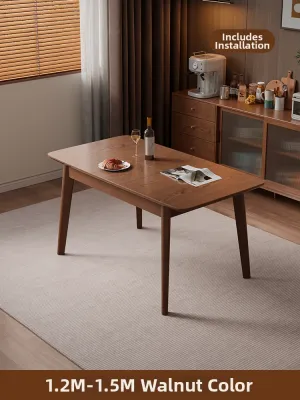
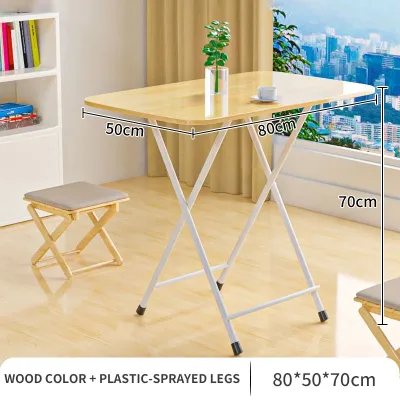
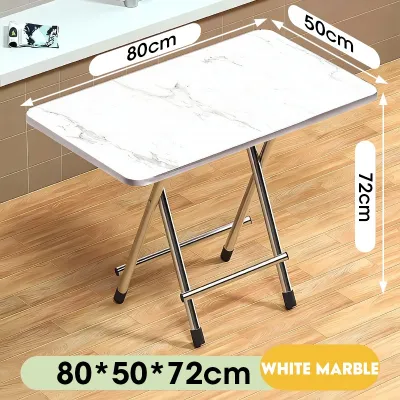
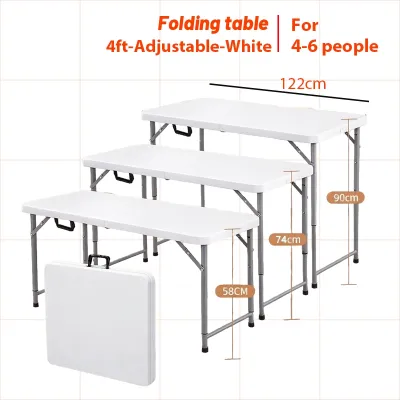
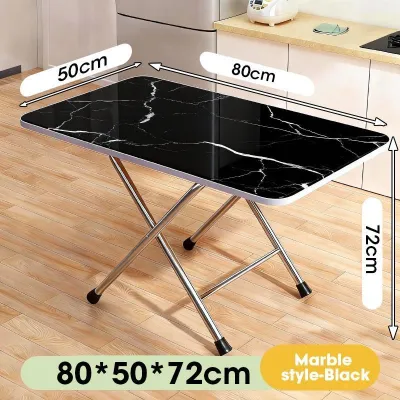
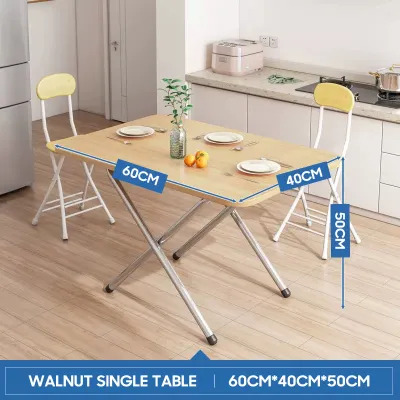
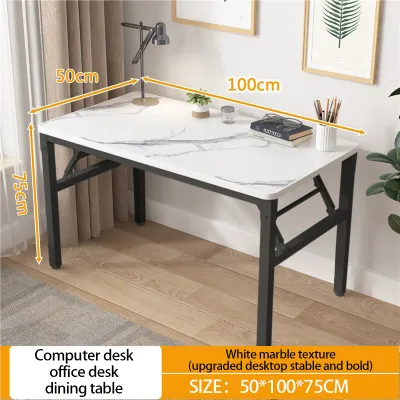
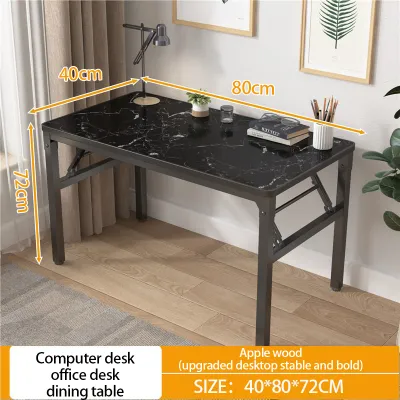
Prices are valid at publication and may change. Please refer to the product page for the latest price.
When you translate these individual requirements into total table dimensions for larger groups, the numbers scale progressively. For a rectangular table to comfortably seat six people, it should measure approximately 72 inches (183 cm) in length. To accommodate eight people, the length must increase to approximately 96 inches (244 cm). For a gathering of ten people, you will require a table that extends to approximately 120 inches (305 cm).
While these lengths work perfectly if guests are only managing their individual plates, they do not account for the unique dynamics of large group dining. In many cultures, particularly during festive family feasts, meals are served family-style. This means the center of the table is heavily populated with large serving platters, rice cookers, soup tureens, and central dishes.
To accommodate this “comfort gap,” you must look at the overall width (or depth across the center) of the table. A standard 30-inch (76 cm) wide table will feel incredibly cramped once serving bowls are placed down, forcing guests to navigate a chaotic layout of glasses and plates. For 6 to 10 people, prioritize tables with a width of at least 36 to 42 inches (91 to 107 cm). This extra center space allows for a dedicated landing zone for shared food, ensuring that individual place settings remain uncluttered.
Furthermore, it is vital to distinguish between a manufacturer’s marketed “maximum squeeze-in capacity” and the true “comfortable capacity.” Retailers often advertise the absolute maximum number of chairs that can physically fit around a frame, assuming narrow chairs and zero elbow room. For long, relaxed meals where guests sit and converse for hours, always design your space around comfortable capacity. If a table is marketed as “seats up to 10,” it will likely seat 8 with genuine comfort. If you regularly host 10 people, look for a table rated for 10 to 12 seats to guarantee everyone has breathing room.
Foldable Table Dining Styles That Actually Work for 6 to 10 People
Scaling a table up to accommodate 10 people introduces significant structural challenges. A table that spans 10 feet when fully open must support its own weight, the weight of heavy ceramic dishes, and the pressure of guests leaning on the edges.

While classic drop-leaf tables are highly popular for small spaces, they are generally unsuitable for groups of 8 to 10. The drop-leaf design relies on hinges and pull-out wooden supports that can become unstable at extreme lengths. Additionally, the folded leaves hang down along the sides when closed, severely restricting legroom for anyone sitting near the hinges. When evaluating a large-capacity folding table, you must inspect the base structure, weight distribution, and leg placement to ensure the piece remains stable and safe under a full load.
Extendable Tables with Center Leaves
Extendable tables utilizing center leaves are the most reliable and structurally sound option for large families. These tables feature a split top that slides apart on heavy-duty metal or wooden tracks, allowing you to insert one or more flat panels (leaves) into the middle.
A highly convenient variation is the butterfly leaf system, where the extension panels are hinged and folded directly inside a hidden compartment beneath the tabletop. When you pull the table ends apart, the butterfly leaf pivots up and unfolds seamlessly into place. Alternatively, removable center inserts must be stored separately in a closet or under a bed when not in use.
When shopping for this style, pay close attention to the sliding mechanism. High-quality tables use synchronized steel ball-bearing slides that allow a single person to open the table smoothly. Inspect the seam alignment when the leaves are installed; the surface must be perfectly flat without gaps that could catch tablecloths or tip over wine glasses. For tables extending beyond 90 inches (228 cm), look for models that include a dropdown center support leg or an exceptionally robust steel frame to prevent the middle of the table from sagging under the weight of heavy serving dishes.
Console and Expandable Track Tables
For those living in modern condominiums or homes where space is at a premium, console-to-dining tables offer an ingenious solution. These tables look like a slim console table—often measuring just 18 to 20 inches (45 to 50 cm) deep—that sits flat against a living room hallway wall.
The magic lies in an ultra-extendable telescoping aluminum track system hidden within the frame. When pulled out, the track can stretch to over 100 inches (254 cm), allowing you to drop in three, four, or even five individual wooden leaves to create a full-sized dining table.
While incredibly space-efficient, track tables have distinct limitations. Because the frame stretches so far, any structural compromise in the track will cause the table to bow or wobble in the middle. It is absolutely essential to verify that the table includes integrated, hidden support legs that swing down or slide out automatically as the track extends. Without these central support legs, a 10-person setup is highly susceptible to tipping or collapsing if a guest accidentally leans heavily on one end.
Heavy-Duty Folding Utility Tables
If your need for a 10-person table is strictly temporary—such as hosting annual holiday parties, neighborhood fiestas, or outdoor backyard gatherings—heavy-duty plastic or metal folding utility tables are a highly practical, cost-effective alternative.
An 8-foot (244 cm) rectangular commercial-grade folding table can easily seat 8 adults comfortably, or up to 10 if you place guests at the very ends. These tables feature high-density polyethylene (HDPE) tops and powder-coated steel folding legs. They are designed to withstand significant weight, are highly resistant to moisture and spills, and can be folded in half with a built-in carrying handle for easy storage in a utility closet or garage.
The obvious trade-off here is aesthetics. These tables are designed for utility rather than formal interior design. However, this is easily remedied with a high-quality, floor-length tablecloth and elegant table runners. When choosing a utility table, look for models with a secure slide-lock ring on the legs to prevent accidental folding, and check the rated weight capacity to ensure it can safely support heavy food setups, drink dispensers, and chafing dishes.
Room Clearances: Will the Expanded Table Fit Your Dining Area?
A common mistake is focusing entirely on whether a table can fit 10 chairs, while forgetting to measure whether the fully expanded table can physically fit inside the dining room. A table that is packed tightly against walls or surrounding furniture will make for an uncomfortable, claustrophobic dining experience.
To plan your space accurately, you must apply two crucial spatial rules:
- The 36-Inch Rule: You must maintain a minimum of 36 inches (91 cm) of clear space between the edge of the dining table and the nearest wall, sideboard, or piece of furniture. This distance provides just enough room for a guest to pull out their chair, sit down, and stand up comfortably without scraping the wall or squeezing uncomfortably.
- The 48-Inch Rule: If the space behind the dining chairs serves as an active walkway, or if there are cabinets, drawers, or doors that need to open, you must increase this clearance to 48 inches (122 cm). This ensures that someone can walk behind a seated guest without forcing them to tuck their chair in, and allows storage doors to swing open fully.
To calculate the absolute minimum room footprint required for your expanded table, use this straightforward formula:
- Required Room Length: Fully Expanded Table Length + 72 inches (183 cm)
- Required Room Width: Table Width + 72 inches (183 cm)
For example, if you are looking at an extendable table that reaches 120 inches (305 cm) in length and is 38 inches (97 cm) wide, your dining room must measure at least 192 inches (488 cm) long by 110 inches (279 cm) wide just to accommodate the table and seated guests comfortably.
In the Philippines, you must also adapt these measurements to local architectural realities. Many homes feature overhead ceiling fans centered over the dining area. If your table extends significantly to one side, guests sitting at the ends might find themselves directly under or too far away from the cooling airflow, which is a major comfort factor in a tropical climate.
Additionally, you must plan for the logistics of getting the table into your home. A solid wood extendable table that seats 10 is incredibly heavy and bulky. Before purchasing, measure your main entryway, hallway corners, stairwell clearances, and condo elevator dimensions. Ensure that the table—even when disassembled and flat-packed in its delivery packaging—can navigate these tight spaces without damaging your walls or the furniture itself.
Common Sizing Mistakes to Avoid for Large Family Gatherings
Investing in a large-capacity dining table is a significant decision. To ensure your purchase is a success, avoid these common pitfalls:
- Ignoring the Table Apron: The apron is the wooden board that runs horizontally beneath the tabletop to support the frame. If the apron is too deep or thick, it reduces the vertical clearance beneath the table. This can prevent dining chairs with armrests from sliding completely underneath, forcing guests to sit too far back from their plates. Always measure the clearance from the floor to the bottom of the apron to ensure your existing chairs will fit.
- Overlooking Pedestal Bases: Pedestal tables are highly praised because they eliminate corner legs, allowing you to slide chairs in easily. However, a pedestal designed to support a heavy 10-person table must have a very wide, heavy base. If the base flares out too far at the bottom, it can severely restrict legroom for the guests seated at the center or the very ends of the table, forcing them to awkwardly straddle the wooden pedestal.
- Failing to Measure the Folded Footprint: It is easy to get caught up in the excitement of hosting 10 people, but you must remember that for most of the year, the table will likely remain in its collapsed, 4- or 6-seater state. If the collapsed footprint is still too large for your daily life, it will permanently block high-traffic walkways or kitchen entryways. Choose a table that scales down perfectly to match your daily household size.
- Assuming All Leaves Store Internally: Do not automatically assume that every extendable table has a built-in storage compartment for its leaves. Many budget-friendly or ultra-slim models require you to store the heavy extension panels separately in a closet, under a bed, or behind a sofa. For those living in compact apartments or condos, sacrificing precious closet space to store loose table leaves can be a major inconvenience. Always verify if the table features self-storing leaves before buying.
- Relying Solely on Material Names for Durability: While solid wood or engineered wood are common, a material name alone does not guarantee moisture or scratch resistance. Always check the manufacturer's care instructions and verify if the finish is sealed against high humidity and spills before placing hot serving dishes directly on the surface.
Frequently Asked Questions (FAQ)
Can a round foldable table seat 10 people comfortably?
A round table capable of seating 10 people comfortably requires a massive diameter of at least 84 to 96 inches (213 to 244 cm). At this scale, a round table becomes incredibly impractical for most residential spaces. The folding and extension mechanisms required for a round table of this size are rare, highly expensive, and structurally complex, often resulting in a table that is prone to wobbling. For a 10-person capacity, oval or rectangular extendable tables are much more practical, space-efficient, and structurally stable alternatives.
How do table legs affect seating at the ends of an extendable table?
Table leg placement is a critical factor in determining the actual comfort of your guests. If an extendable table has fixed corner legs that remain at the outer edges when closed but do not move outward when extended, the chairs placed at the ends will have very limited space. This setup can trap the knees of the person sitting at the head of the table against the table’s support structure. To preserve end-seat comfort, look for tables designed with inset legs, central pedestals, or pull-out legs that slide outward along with the extension leaves, keeping the corners clear.

Community discussion
Share your experience or ask a question. Comments are reviewed before publication.