
Selecting the right foldable mini desk for a compact bedroom or studio apartment in the Philippines is not just about finding the cheapest option online; it requires a systematic evaluation of your physical space, the desk’s structural integrity, and how its materials respond to local environmental conditions. A successful choice ensures your workspace can be set up in seconds and tucked away completely, preserving precious floor space in tight condo layouts. By focusing on verifiable specifications and structural design rather than generic product marketing, you can secure a stable, durable workstation that fits your daily routine.
In high-density urban areas where studio units often measure under thirty square meters, every centimeter of floor space must be utilized efficiently. A foldable desk offers the flexibility to transition a single room from a bedroom or dining area into a productive home office. However, choosing a model that is too large, too flimsy, or difficult to fold can lead to frustration and a cluttered living space. This guide provides a practical framework to help you measure your room, evaluate mechanical components, and verify product details before making a purchase.
Assessing Your Space and Desk Requirements
Before browsing online marketplaces, you must measure the exact zone where you plan to use and store the desk. Start by measuring the active floor footprint, which includes the width and depth of the desk when fully extended. You must also account for the clearance required for your office chair and your own body. A standard task chair requires at least 60 to 75 centimeters of depth behind the desk to allow you to sit down and pull out comfortably without hitting your bed, wardrobe, or walls.
Products mentioned in this guide
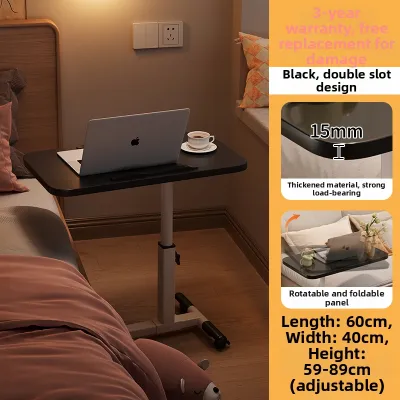
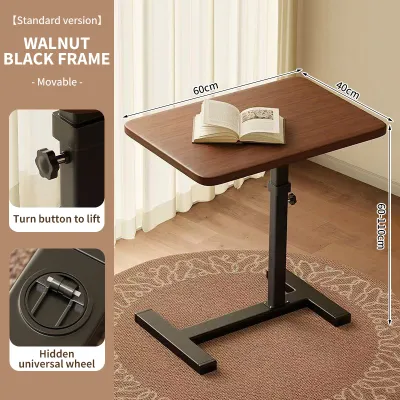
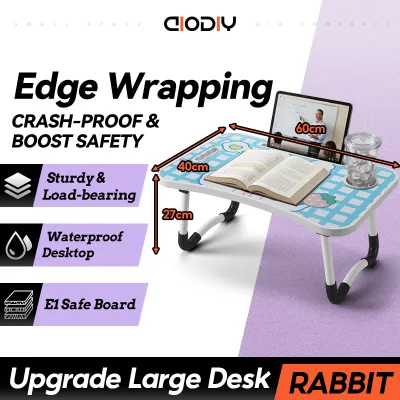
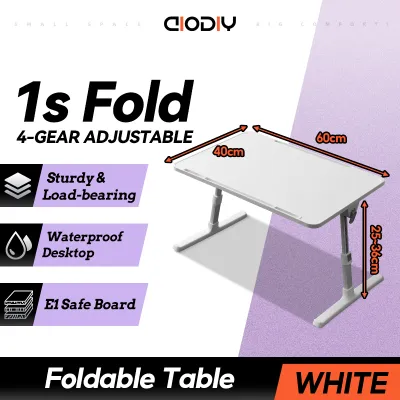
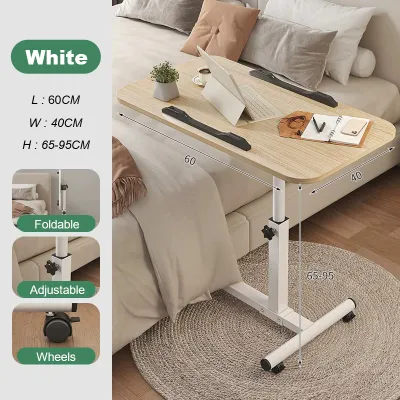
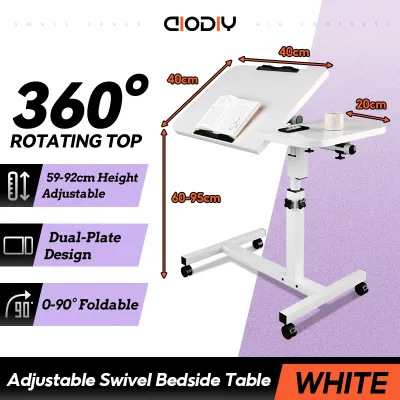
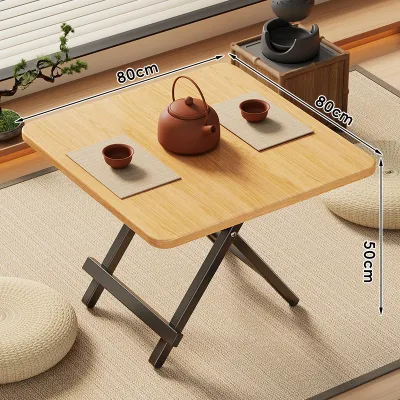
Prices are valid at publication and may change. Please refer to the product page for the latest price.
Next, determine where the desk will go when it is not in use. If you plan to slide the folded desk under a bed frame, behind a door, or inside a narrow closet, measure that storage gap precisely. Many foldable desks collapse to a thickness of 5 to 10 centimeters, but some models with permanent cross-bracing or integrated shelving may remain much thicker even when folded. Knowing your maximum allowable folded thickness prevents you from buying a desk that ends up leaning awkwardly against a wall, blocking your walking paths.
Do not overlook the logistics of getting the desk into your home. Verify the passage dimensions of your building’s elevators, narrow stairwells, and apartment doorways. While mini desks are generally compact, they are often shipped in flat-pack boxes that can be surprisingly long or heavy. Ensuring the packaged product can navigate these tight spaces without damaging walls or exceeding elevator weight limits is a crucial first step for any condo resident.
Finally, align the desk’s physical specifications with your primary use case. If you only need a surface for a lightweight tablet or a single 13-inch laptop, a shallow desk with a depth of 40 centimeters and a weight capacity of 10 kilograms is perfectly adequate. However, if you plan to use a larger laptop, an external keyboard, and heavy textbooks, or if you intend to use the surface for dining, you will require a depth of at least 50 to 60 centimeters and a verified weight capacity of 20 to 30 kilograms to prevent structural bowing.
Key Evaluation Criteria for Foldable Mini Desks
When evaluating foldable desks online, the mechanical components require the closest inspection. Look for high-quality hinge types, such as heavy-duty steel piano hinges or reinforced locking brackets. Avoid desks that rely solely on friction-based plastic joints, as these wear down quickly under daily folding and unfolding cycles. Spring-loaded locking pins or manual safety latches are essential features that prevent the desk from collapsing unexpectedly if you accidentally bump the frame during a busy workday.

Consider the ease of operation, especially if you plan to fold the desk away every single evening. A good folding mechanism should allow for smooth, single-hand or simple two-step operation without requiring excessive physical strength or complex tools. If a desk requires you to unscrew multiple manual knobs or struggle with stiff, unlubricated metal joints every time you want to clear your room, you are much more likely to leave it permanently open, defeating the purpose of a space-saving design.
Structural stability depends heavily on the frame design and the presence of cross-bracing. Look for desks that feature an X-shaped metal support structure at the back or reinforced triangular brackets at the main joints. These design elements distribute weight evenly and minimize lateral wobble when you type. Additionally, verify that the desk legs are equipped with adjustable leveling feet or thick, anti-slip rubber pads. These pads protect delicate flooring, such as laminate or vinyl planks common in modern apartments, while keeping the desk stable on slightly uneven floor tiles.
In the tropical climate of the Philippines, relative humidity levels can exceed 80 percent, particularly during the monsoon season. This moisture-rich environment poses a significant threat to engineered wood products like medium-density fiberboard (MDF) and particle board. If the edge banding—the protective strip covering the raw edges of the board—is poorly applied or has microscopic gaps, humid air will seep into the core. Over time, this causes the wood fibers to swell, warp, and lose their structural integrity. When evaluating a desk, inspect the product photos and specifications to ensure the edges are heat-sealed and completely seamless.
Metal components must also be protected against the local climate. Sweat from your forearms and ambient humidity can quickly cause untreated steel frames to rust. Look for frames that feature a thick, uniform powder-coated finish rather than simple spray paint. Powder coating provides a durable, scratch-resistant barrier that shields the underlying metal from moisture and wear. Check the manufacturer’s care instructions to confirm if the surface can be easily wiped down with a damp cloth without risking rust or finish degradation.
Matching Desk Types to Small Room Layouts
Freestanding foldable tables are the most versatile option for flexible room layouts because they require zero installation. These desks can be easily repositioned from the bedside to the living area depending on where the natural light is best. When selecting a freestanding model, check if it can stand upright on its own when folded, or if it must be leaned against a wall. If you choose a model with wheels for easy mobility, ensure that at least two of the wheels feature reliable locking mechanisms to keep the desk firmly in place while you work.
Wall-mounted drop-leaf desks offer an excellent, zero-footprint solution for ultra-tight spaces, but they require careful structural assessment. In many Philippine residential buildings, walls are constructed from solid concrete or concrete hollow blocks (CHB). Mounting a desk to these surfaces requires a hammer drill, masonry drill bits, and heavy-duty expansion anchors to handle the downward shear force when you lean on the desk. Conversely, if your apartment features drywall or gypsum board partitions, you must locate the internal metal or wooden studs and secure the mounting bracket directly into them; mounting directly into drywall without stud support will lead to structural failure.
Before choosing a wall-mounted desk, review your tenancy agreement if you are renting. Drilling deep holes into concrete walls to install heavy-duty anchors often violates rental policies and can lead to a deduction from your security deposit. If you are permitted to install a wall desk, ensure you use high-quality steel brackets that lock securely in the horizontal position. If wall mounting is prohibited or structurally impractical, a freestanding foldable desk remains the safest and most flexible alternative.
Over-bed or sofa lap desks are ideal for individuals who prefer to work directly from their bed or couch due to a complete lack of floor space. When evaluating these models, check the base clearance to ensure the legs can slide easily under your sofa or bed frame. Look for models that offer adjustable height settings and tilt angles to help you maintain an ergonomic posture. Because these desks rest on soft, uneven surfaces, prioritize models with wide, sled-style bases rather than individual thin legs, as a wider base distributes weight more evenly and prevents tipping.
Pre-Purchase Verification and Assembly Checklist
To avoid disappointment upon delivery, perform a thorough pre-purchase verification of all specifications. Online marketplace listings often contain conflicting information in the product title, description, and images. Cross-reference the detailed specification sheets provided by the seller, and pay close attention to user-uploaded photos in the review sections. These real-world images often reveal the actual scale, material finish, and structural stability of the desk far better than polished, computer-generated promotional graphics.
Review the seller’s return policies, warranty terms, and the total shipping costs in ₱ before finalizing your order. Because furniture items are heavy and bulky, shipping rates can vary significantly depending on your distance from the seller’s warehouse, especially if the item is being transported between islands. Ensure the merchant offers a clear return policy for manufacturing defects, such as bent hinges, missing locking pins, or cracked edge banding, so you are not left paying high return shipping fees for a damaged product.
| Verification Step | Target Specification / Action | Purpose |
|---|---|---|
| Measure Floor Space | Desk width + 75 cm chair clearance | Ensures comfortable seating and movement |
| Check Folded Thickness | Compare with storage gap (e.g., under bed) | Guarantees the desk fits in its designated storage spot |
| Verify Wall Type | Concrete/CHB vs. Drywall/Gypsum | Determines correct mounting hardware and drill bits |
| Inspect Edge Banding | Heat-sealed, seamless melamine/laminate | Prevents moisture ingress and swelling in humid climates |
| Confirm Frame Finish | Thick, uniform powder-coated steel | Protects metal components from rust and sweat damage |
During assembly, follow the manufacturer’s instructions carefully and use the correct tools. If you are assembling a flat-pack freestanding desk, avoid over-tightening the screws into engineered wood, as this can strip the pre-drilled holes and permanently weaken the joints. Conversely, ensure all structural fasteners and hinge screws are tightened sufficiently to prevent wobbling. If you are installing a wall-mounted desk and encounter an unfamiliar wall material, or if you feel unsure about drilling into concrete, stop immediately and consult a qualified local handyman to ensure a safe, secure installation.
Frequently Asked Questions (FAQ)
Can a foldable mini desk support a dual-monitor setup?
Most foldable mini desks are not designed to support a dual-monitor setup due to their limited surface area and lower weight capacities. Placing two monitors on a small, lightweight folding surface shifts the center of gravity upward and backward, significantly increasing the risk of the desk tipping over or the folding mechanism failing. Additionally, monitor clamps can concentrate too much stress on a small section of the desk’s edge, potentially cracking the engineered wood or damaging the edge banding. If you must use two screens, it is safer to use a single laptop combined with one lightweight, portable USB-C monitor, or opt for a heavy-duty, non-folding desk with a verified weight capacity of at least 40 kilograms.
How do I prevent a wall-mounted foldable desk from damaging rental walls?
To prevent permanent damage to rental walls, you should generally avoid drilling heavy-duty expansion anchors into concrete or drywall without explicit written permission from your landlord. If you are allowed to install the desk, use high-quality, removable screw anchors rather than permanent adhesive methods, which can tear away large chunks of plaster or drywall paper when removed. Upon moving out, you must be prepared to patch the drill holes with a matching wall filler and apply a coat of touch-up paint that matches the landlord’s original wall color. If your lease strictly prohibits drilling, do not attempt to mount a desk; instead, select a freestanding foldable model that can be easily tucked away in a closet or behind a door without touching the walls.

Community discussion
Share your experience or ask a question. Comments are reviewed before publication.