
For students moving into compact dormitories, boarding houses, or shared studio apartments near major university hubs, managing limited square footage is a daily challenge. Choosing the right study desk is a critical decision that directly impacts both academic productivity and daily comfort. Foldable study tables are highly practical for maximizing usable floor space in tight quarters, allowing you to reclaim room for movement when the desk is not in use. However, traditional fixed desks remain the more reliable option if your academic workload requires heavy textbooks, multiple monitors, and permanent, stable storage. Deciding between the two requires balancing your physical room layout against your daily study habits and equipment needs.
Space Efficiency and Floor Plan Impact
In a typical shared dorm room, floor space is at a premium. A standard fixed study desk occupies a permanent footprint, often measuring around 90 to 120 centimeters in width and 50 to 60 centimeters in depth. While this provides a dedicated zone for academic work, it permanently reduces the walkable area in your room. For students sharing a room with roommates or living in a narrow bedspace, a fixed desk can make the environment feel cramped and restrict daily movement.
In contrast, a foldable study table can be collapsed and stored flat against a wall, under a bed, or inside a closet when your study session ends. When folded, these tables typically compress to a thickness of less than 10 centimeters. This temporary footprint allows you to transform your study area back into open floor space, which is highly beneficial for stretching, moving around, or accommodating roommates.
Products mentioned in this guide

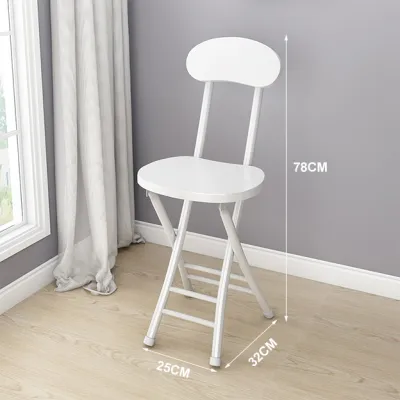

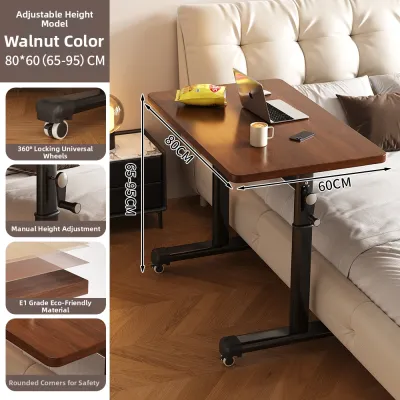
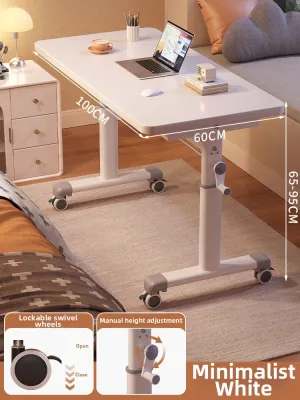
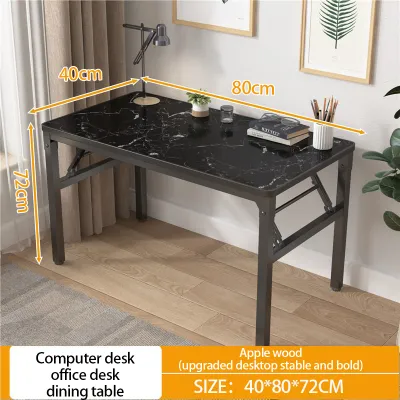

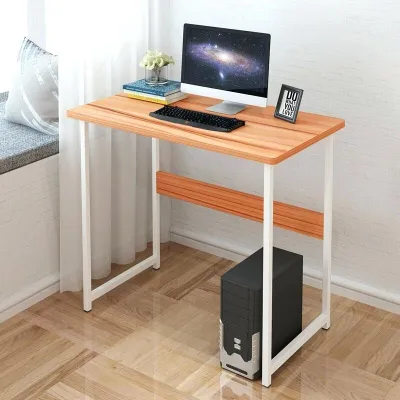
Prices are valid at publication and may change. Please refer to the product page for the latest price.
However, evaluating space efficiency goes beyond the physical dimensions of the table itself. You must also account for clearance requirements. A functional study setup requires at least 60 to 75 centimeters of clearance behind the desk to accommodate a study chair and allow you to sit down and stand up comfortably. In narrow rooms, a fixed desk might block the main walking path or prevent wardrobe doors from opening fully. A foldable table mitigates this issue by allowing you to clear the path entirely during non-study hours.
Before making a purchase, it is essential to measure your available wall and floor space accurately. Use a tape measure to map out the exact footprint of the desk in its open position. Mark this area on your floor using masking tape to visualize how much walking space remains. Additionally, measure the storage gap under your bed or behind your wardrobe to ensure the folded table will actually fit into its intended storage spot when collapsed.
Stability, Comfort, and Daily Ergonomics
While space-saving furniture is highly convenient, academic success requires a workspace that supports long hours of focused concentration. The primary drawback of many foldable tables is a lack of structural stability. To ensure your table does not wobble when you are typing or writing, you must carefully inspect its structural design. Look for tables featuring heavy-duty metal legs, robust crossbars, and secure locking mechanisms that hold the legs firmly in place when deployed. Leg bracing, such as triangular support joints, significantly reduces lateral movement and prevents the table from swaying.

Weight capacity and desktop surface area are also critical factors. Fixed desks are generally constructed with thicker wooden panels or solid metal frames, allowing them to support heavy loads, including desktop computers, multiple reference books, and external monitors, without bending or shaking. Foldable tables, designed for portability, often have lower weight limits. If you plan to use a heavy laptop, a secondary monitor, and stack several thick textbooks, you must verify the manufacturer’s specified load capacity. Overloading a lightweight foldable table can cause the desktop to sag or, in worst-case scenarios, collapse.
Ergonomics should never be compromised, especially during intense exam weeks. A standard study desk height should range between 70 and 76 centimeters to allow your elbows to rest at a comfortable 90-degree angle while typing. Ensure the foldable table you choose provides sufficient legroom underneath; some models have low-hanging crossbars or folding brackets that can restrict your knees or prevent you from pulling your chair close to the desk. Additionally, look for smooth, rounded desktop edges to prevent forearm irritation during extended writing sessions.
Storage Options and Daily Organization
A clean, organized workspace minimizes distractions, but managing clutter in a small dorm room is notoriously difficult. Fixed study desks often come equipped with built-in storage solutions, such as drawers, shelves, or overhead hutches. These integrated compartments allow you to keep your notebooks, stationery, chargers, and reference materials within arm’s reach while keeping the main desktop clear. This permanent storage setup is highly convenient for students who prefer to leave their study materials laid out for the next day.
Foldable tables, by design, lack built-in drawers or shelves to maintain their slim profile when collapsed. If you choose a foldable option, you must implement alternative organization strategies to prevent your room from becoming cluttered. Utilizing vertical wall space is an excellent solution; consider installing damage-free adhesive wall organizers, pegboards, or floating shelves above your study area. Mobile utility carts with wheels can also hold your books and school supplies, allowing you to roll your study materials next to your table when working and tuck them away when the table is folded.
Another critical factor to consider is the daily friction of setting up and packing away your workspace. Folding a table requires you to completely clear the desktop surface every single time you want to reclaim floor space. If you have a complex setup involving external keyboards, mouse pads, chargers, and multiple notebooks, the daily routine of packing and unpacking can become tedious. If this transition feels like too much effort, you may end up leaving the foldable table permanently open, defeating its primary space-saving purpose while missing out on the superior stability of a fixed desk.
Decision Framework: Foldable vs. Fixed for Your Dorm
To make the right choice for your living situation, evaluate your daily habits, room layout, and academic requirements against this practical decision framework.
Choose a foldable study table if:
- Your dorm room or boarding house has extremely limited floor space where a permanent desk would block essential walking paths or doors.
- You primarily study using a lightweight laptop or tablet and do not require heavy textbooks or external monitors.
- You value flexibility and prefer to clear your floor space for other activities, such as home workouts or hosting visitors.
- You move frequently between different rental accommodations and need highly portable furniture that is easy to transport.
Choose a fixed study table if:
- You have a dedicated corner in your room that can permanently accommodate a desk without restricting daily movement.
- Your academic work requires a highly stable, wobble-free surface for heavy typing, drawing, or writing.
- You use a desktop computer, multiple monitors, or heavy reference books that exceed the weight capacity of portable furniture.
- You prefer the convenience of leaving your study materials organized on your desk without having to pack them away daily.
Verify first before purchasing:
- Dorm Rules: Check your tenancy agreement or consult your dorm administrator regarding furniture restrictions. Some dorms prohibit drilling into walls for shelving or bringing in heavy, unapproved furniture.
- Access and Assembly: Measure the width of your dorm's doorways, hallways, and elevator doors. Ensure a fixed desk can be delivered and maneuvered into your room, or verify if it requires on-site assembly.
- Material and Finish: In tropical climates with high humidity, check the quality of the desk's finish. Look for moisture-resistant melamine coatings on engineered wood to prevent swelling, and ensure metal frames are powder-coated to resist rust.
Frequently Asked Questions (FAQ)
Can I use a foldable study table on a bed or sofa?
While small bed trays and lap desks are designed for use on soft surfaces, they are not suitable replacements for a proper floor-standing study table during long study sessions. Using a laptop on a bed or sofa often leads to poor posture, causing neck, shoulder, and lower back strain over time. Additionally, soft bedding can block the ventilation vents of your laptop, leading to heat buildup and potential performance issues. For extended academic work, a floor-standing foldable table paired with a supportive chair is highly recommended to maintain proper ergonomics.
How do I prevent a foldable table from scratching dorm floors?
Protecting the flooring of a rental unit or dorm is essential to avoid losing your security deposit. Before setting up your foldable table, inspect the bottom of the legs for factory-installed plastic or rubber caps. If the legs have bare metal or hard plastic tips, apply heavy-duty adhesive felt pads to the contact points. Alternatively, you can place a small, flat, non-slip area rug or utility mat underneath the desk setup. This not only protects the floor from scratches caused by moving the table but also provides a stable base that helps reduce minor vibrations while you work.

Community discussion
Share your experience or ask a question. Comments are reviewed before publication.