
Choosing between a foldable study table and an L-shaped desk depends on your room’s physical limits and your daily work habits. If you work in a shared living room or a compact studio apartment where space must be reclaimed at the end of the day, a foldable table offers unmatched flexibility. Conversely, if you manage multiple monitors, handle physical paperwork, and have a dedicated corner to spare, an L-shaped study table provides the expansive, permanent surface needed for deep focus. Balancing these two designs requires looking closely at your floor plan, your equipment weight, and how often you plan to rearrange your home office.
Evaluating Space and Room Layout Needs
Foldable study tables excel in multi-purpose rooms where a single space must transition from a daytime office to a nighttime living area or bedroom. In compact apartments or shared family spaces, these tables can be set up in minutes and tucked away behind a sofa, under a bed, or inside a closet once the workday ends. This flexibility allows you to reclaim valuable floor space, keeping your home from feeling permanently cluttered by work equipment.
L-shaped study tables, on the other hand, are designed to anchor a dedicated workspace. By fitting snugly into a corner, they utilize what is often dead space in a room, turning an unused nook into a highly productive workstation. Because they are permanent fixtures, they establish a clear psychological boundary between your professional tasks and your personal life, which is essential for maintaining a healthy work-life balance when working from home.
Products mentioned in this guide
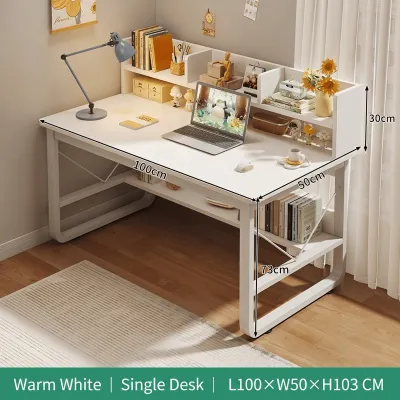
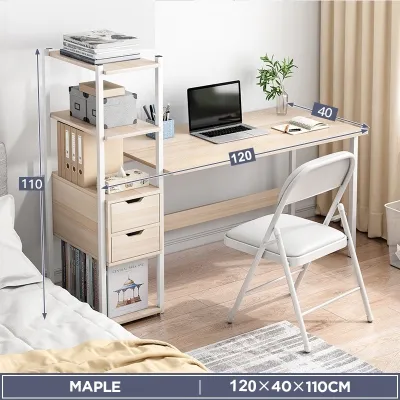
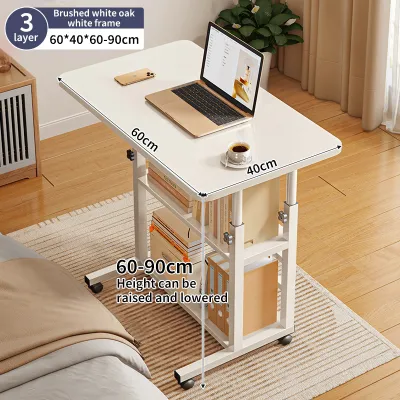
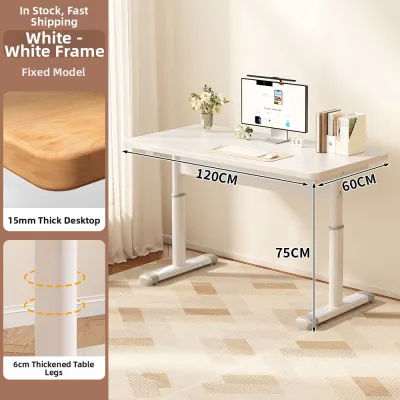
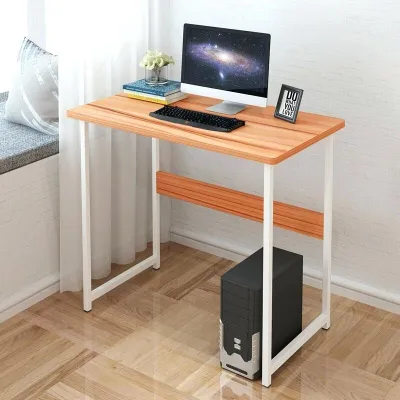
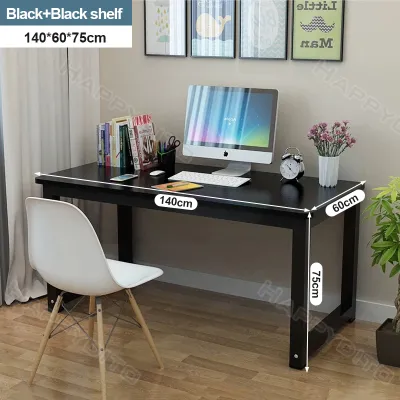
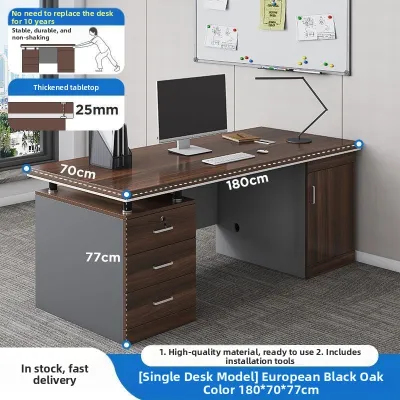
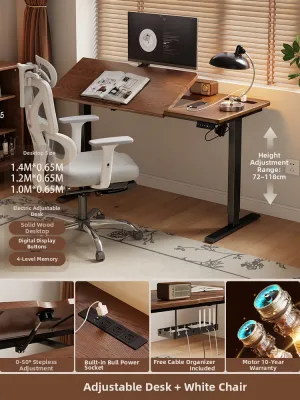
Prices are valid at publication and may change. Please refer to the product page for the latest price.
Before committing to either option, conducting precise clearance checks is a critical step. For an L-shaped desk, you must measure not only the final corner footprint but also the width of your doorways, staircases, and elevator cabins to ensure the flat-packed or pre-assembled pieces can physically reach your room. For a foldable desk, verify the folded dimensions against your intended storage spot, ensuring it fits comfortably without blocking walkways or creating a tripping hazard.
Matching Your Workflow and Equipment Needs
Your daily workflow dictates the amount of surface area you actually need to remain productive. Foldable study tables are generally optimized for laptop-centric tasks, single-monitor setups, or simple writing activities. If your work involves a single device and minimal paperwork, the streamlined surface of a collapsible table prevents clutter from accumulating and keeps your focus sharp.

If your job requires multitasking, an L-shaped desk offers the luxury of distinct work zones. You can dedicate one side of the “L” to your computer screens and the other side to physical documents, reference books, or a tablet. This layout is highly beneficial for professionals who use dual monitors, large drawing tablets, or heavy reference materials that need to remain spread out throughout the day.
Storage and cable management also differ significantly between these two configurations. L-shaped desks frequently feature built-in cable grommets, under-desk trays, or integrated drawers to keep power strips and cords organized and out of sight. Foldable tables rarely include these features, meaning you will likely need to invest in external, mobile storage carts or adhesive cable clips that can be detached when the table is folded away.
Always verify the manufacturer’s specified load capacity before loading your desk with heavy equipment. Foldable tables often have lower weight thresholds, making it risky to mount heavy dual-monitor arms or place heavy desktop towers on them. An L-shaped desk typically offers a much higher weight capacity, but you must still check the manual to ensure the frame can support your specific combination of monitors, printers, and clamped accessories without bowing or warping over time.
Checking Stability, Assembly, and Durability
Structural integrity is a primary concern for any long-term workstation. L-shaped desks generally feature a fixed, rigid frame made of steel or solid wood, providing a highly stable surface that does not wobble when you type or lean on it. Foldable desks rely on moving hinges, brackets, and locking pins; while convenient, these joints require regular inspection to ensure they have not loosened over time, which can introduce a distracting sway to your workspace.
The assembly process presents a stark contrast between the two designs. Setting up an L-shaped desk often requires a complex, multi-step assembly process with numerous screws, dowels, and panels, sometimes requiring two people to safely lift and align the pieces. In contrast, foldable tables are designed for quick deployment, often arriving fully assembled or requiring only a simple, tool-free unfolding of the legs before they are ready for use.
Durability also depends heavily on the quality of the materials and joints under daily wear. When evaluating either desk type, check the product specifications for high-quality edge banding and scratch-resistant finishes, such as melamine or high-pressure laminate. For foldable tables, pay close attention to the metal thickness of the folding mechanisms and the quality of the welds, as these moving parts bear the brunt of the stress every time the table is opened and closed.
Weighing Budget and Long-Term Value
The financial investment for a study table in the Philippines can vary widely based on materials, size, and additional features. L-shaped desks generally command a higher price in ₱ due to the sheer volume of materials used, and premium models featuring motorized height-adjustable frames or solid wood tops represent a significant upfront cost. Foldable tables are typically much more budget-friendly, offering an accessible entry point for those setting up a temporary or budget-conscious home office.
When weighing longevity against flexibility, consider your long-term housing and career plans. If you live in a rented apartment and expect to relocate frequently, a lightweight, foldable table is highly practical because it is easy to pack, transport, and fit into a variety of future room layouts. However, if you own your home and plan to work remotely for years to come, investing in a sturdy, permanent L-shaped desk provides better long-term value and a more professional working environment.
Do not forget to factor in potential hidden costs when calculating your total budget. A basic foldable table might require you to purchase separate storage drawers, cable organizers, or even a laptop stand to achieve an ergonomic setup. Conversely, an L-shaped desk might require a larger floor mat to protect your tiles or wood flooring from chair casters, or specialized cable management trays to handle the extensive wiring of a multi-device setup.
Decision Framework: Which Study Table Should You Choose?
To make a confident decision, evaluate your home office setup against a clear set of practical conditions. Choose a foldable study table if your workspace must share room with a living area, dining room, or bedroom, or if you value the ability to pack up your office and move it at a moment’s notice. This option is also ideal for those who only work from home occasionally and prefer to keep their living space free of office furniture during weekends and holidays.
Opt for an L-shaped study table if you have a dedicated corner that can be permanently set aside for work, and if your daily tasks require multiple screens, heavy reference books, or specialized equipment. The expansive surface area and robust frame of an L-shaped desk support a highly organized, professional workflow that remains set up and ready to use every morning, saving you the daily hassle of packing and unpacking your gear.
Before making any final purchase, always verify your room’s physical constraints and your equipment’s specific requirements. Measure your available floor space, check that your office chair has enough room to glide back comfortably, and confirm that the desk’s weight capacity aligns with your heaviest devices. Taking these precautions ensures that whichever style you choose will integrate seamlessly into your home and support your productivity for years to come.
Frequently Asked Questions (FAQ)
Can I use a foldable study table as a permanent daily desk?
Yes, but with caveats. You must regularly inspect the hinges and locking mechanisms for wear, as daily use can cause screws to loosen. Ensure your equipment does not exceed the manufacturer’s specified weight limit, and distribute the weight evenly across the surface to prevent bowing. If you use it daily, consider adding ergonomic accessories like a separate keyboard tray or monitor riser to maintain a healthy posture.
How do I measure my corner space for an L-shaped study table?
Start by measuring the length of both walls forming the corner where the desk will sit. Be sure to account for baseboards or skirting boards, which can prevent the desk from sitting completely flush against the wall. Next, measure the clearance needed for your office chair to push back and turn comfortably, ensuring the desk does not block walkways, doors, windows, or air conditioning vents in your room.

Community discussion
Share your experience or ask a question. Comments are reviewed before publication.