
Finding the right work-from-home setup often comes down to a balancing act between available floor space and physical comfort. For professionals operating out of compact apartments or shared living spaces in the Philippines, a standard, bulky office desk is rarely a practical option. Instead, portable study tables have become the go-to solution for creating a flexible workspace that can be set up or packed away at a moment’s notice.
The choice between a foldable study table and a standing portable desk depends on your specific space constraints, daily posture needs, and the weight of your work equipment. While one option excels at disappearing completely when your shift ends, the other prioritizes ergonomic movement throughout the day. Understanding how these two designs handle your daily routine, equipment load, and home environment is key to making a smart, long-term investment.
Core Differences in Mechanism and Form Factor
The fundamental distinction between these two portable desk types lies in their structural engineering and how they transition between states. A foldable study table relies on folding joints, hinges, or scissor-like leg configurations that allow the entire unit to collapse into a flat, two-dimensional profile. This design is optimized for rapid deployment and complete concealment, making it highly suitable for temporary tasks or quick study sessions.
Products mentioned in this guide
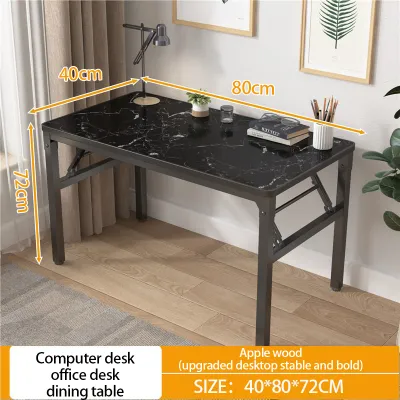
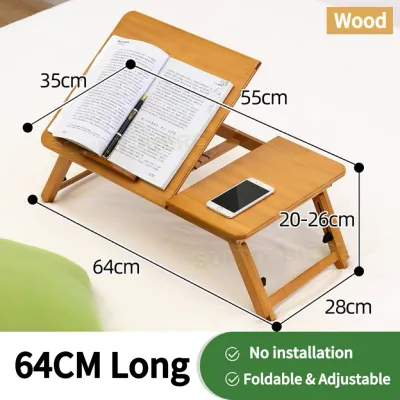
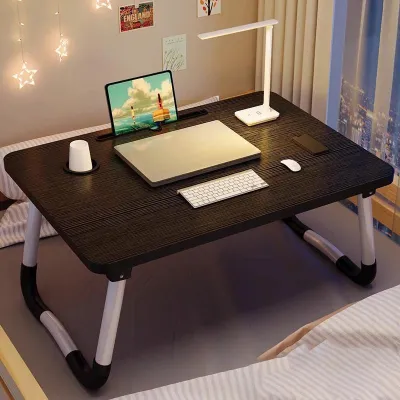

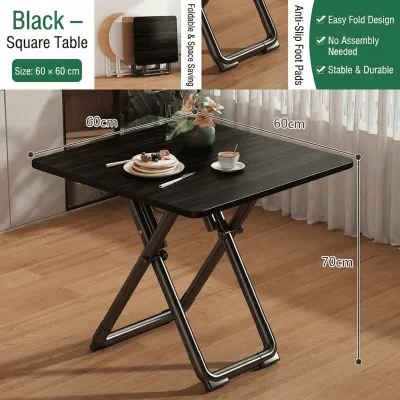
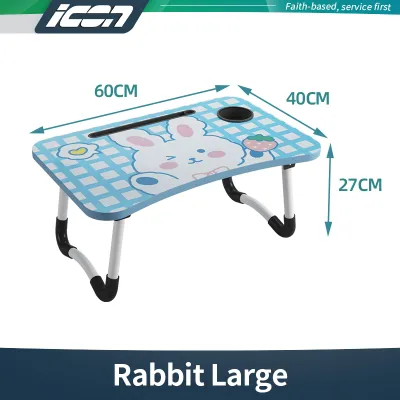
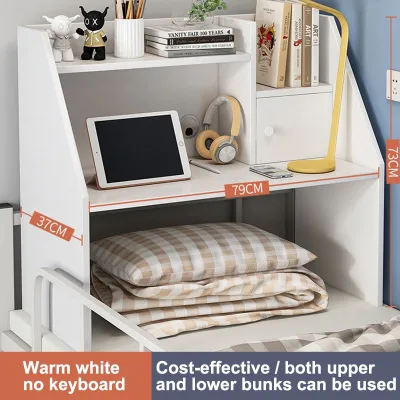
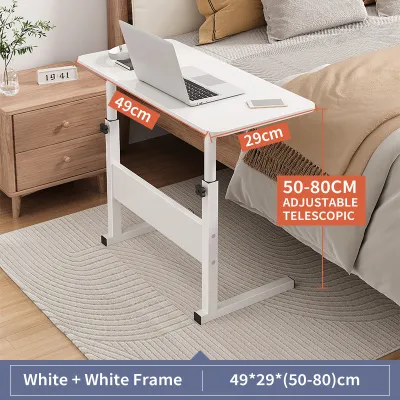
Prices are valid at publication and may change. Please refer to the product page for the latest price.
In contrast, a standing portable desk utilizes telescopic legs, pneumatic cylinders, or manual crank columns to adjust its height vertically. Rather than folding completely flat, its primary mechanism is designed to raise and lower the work surface while maintaining a stable, upright footprint. This vertical adjustability allows you to transition between sitting and standing positions without needing to clear your desktop or relocate your setup.
These mechanical differences directly dictate the physical profile of each desk. Foldable tables typically feature a wider, shallower tabletop with simple, lightweight legs that fold flush against the underside of the surface. Standing portable desks often have a more robust, weighted base—sometimes equipped with lockable casters—and a thicker central column to support the lifting mechanism. While the foldable table is designed to be tucked away in a closet, the standing portable desk is built to remain upright, serving as a semi-permanent fixture that can be rolled to different corners of the room.
Space Constraints and Storage Needs
Evaluating your physical living environment is a crucial step before deciding on a portable desk. In many urban homes, condominiums, or shared apartments, floor space is at a premium. A foldable study table is highly advantageous here because of its low-profile storage capability. Once folded, these tables can easily slide under a bed, slip behind a sofa, or stand upright inside a narrow utility closet, leaving your living area completely free after work hours.

However, storing furniture in tight, enclosed spaces requires careful consideration of the local climate. In humid tropical environments, storing a folded desk in unventilated areas under beds or inside closets can trap moisture, potentially leading to mold growth or warping on wood-composite tops. It is wise to check the manufacturer’s care instructions regarding moisture resistance and ensure your storage spots receive adequate airflow.
Standing portable desks, even those labeled as compact, generally require a dedicated footprint. Because they do not collapse flat, they must reside in a corner, alongside a wall, or next to your existing furniture when not in use. While they are highly mobile due to built-in wheels, you must measure your doorway clearances, hallway widths, and the specific floor area where you plan to park the desk. Before purchasing, verify the base dimensions to ensure the unit will not block high-traffic pathways in your home.
Ergonomics and Work Routine Compatibility
Your daily work habits and physical comfort should heavily influence your choice of a portable study table. Foldable tables generally offer a fixed height profile, meaning you must pair them with a chair of compatible height to maintain a comfortable posture. Because they lack vertical adjustability, long hours of typing on a foldable table can sometimes lead to neck or shoulder strain if the surface height does not align naturally with your elbows and screen level.
Standing portable desks are specifically engineered to support ergonomic transitions throughout the day. Alternating between sitting and standing can help reduce physical fatigue and improve circulation during long shifts. If your work routine involves continuous hours of screen time, a desk that allows you to easily adjust the height to your exact physical proportions is highly beneficial.
Stability is another critical factor, especially during active typing or writing. Because portable desks are lighter than traditional office furniture, they are more susceptible to movement. When evaluating a standing portable desk, check the manufacturer’s specifications for wobble limits, particularly at its maximum height extension. For foldable tables, inspect the rigidity of the locking pins and cross-bracing, as loose joints can cause the surface to flex or vibrate while you type.
Finally, consider your equipment capacity. Before placing your laptop, external monitors, or heavy reference books on any portable surface, verify the maximum load rating on the product label. Foldable tables often have lower weight limits due to their lightweight frame materials, whereas standing portable desks with heavy steel bases are typically rated for heavier setups. Overloading either type can compromise safety and lead to structural failure.
Setup, Assembly, and Daily Adjustability
The effort required to assemble and operate your desk daily can impact your overall satisfaction with your work-from-home setup. Foldable study tables are highly appealing because they often arrive fully assembled or require minimal tool-free setup out of the box. You simply unfold the legs, engage the safety latches, and begin working immediately, making them incredibly user-friendly.
Standing portable desks, on the other hand, usually require some initial assembly. You will likely need to follow a step-by-step manual to connect the base, column, lifting mechanism, and desktop using provided hex keys or screws. While this assembly is typically a one-time task, it requires careful attention to detail to ensure all joints are secure and the lifting mechanism operates smoothly.
For daily adjustments, the ease of use varies by mechanism. Foldable tables require you to clear the desktop entirely before folding and moving the unit. Standing portable desks allow you to adjust the height with your equipment still on the surface, using manual hand cranks, pneumatic levers, or electric motors. If you plan to change heights multiple times a day, look for smooth pneumatic or electric lifts that require minimal physical effort. Additionally, check your floor surface compatibility; uneven tiles or thick rugs can affect the stability of standing desk casters, making leveling feet a safer option for uneven floors.
Decision Framework: Which Portable Desk Should You Choose?
To finalize your decision, weigh your daily work habits against your physical space and equipment needs. Both desk types offer distinct advantages, but they cater to very different work-from-home styles.
Choose a foldable portable table if:
- Your living space is highly constrained, and you need a desk that can be completely hidden from view when your workday ends.
- Your work setup is lightweight, consisting primarily of a laptop, a tablet, or a single notebook.
- You prefer a budget-friendly, out-of-the-box solution that requires zero complex assembly or mechanical maintenance.
Choose a standing portable desk if:
- You prioritize ergonomic flexibility and want the ability to alternate between sitting and standing throughout your shift.
- You have a dedicated corner or wall space where the desk can remain parked, even if it is rolled around occasionally.
- Your setup includes heavier equipment, such as an external monitor, a laptop stand, and dedicated peripherals.
Verify first if:
- Your home has uneven flooring, which may require adjustable leveling glides rather than standard casters to prevent wobbling.
- The desk's maximum weight capacity safely accommodates your specific devices, cables, and accessories.
- The height adjustment range matches your physical height, ensuring comfortable elbow and eye alignment in both sitting and standing positions.
Frequently Asked Questions (FAQ)
Can a portable standing desk hold multiple monitors?
Whether a portable standing desk can support multiple monitors depends entirely on the specific model’s structural design, base weight, and column thickness. Because portable models have a smaller footprint than standard standing desks, they are more prone to tipping if overloaded or unbalanced. Before attempting to mount or place multiple screens, check the manufacturer’s maximum load specification and the physical dimensions of the desktop. If you plan to use a dual-monitor arm, ensure the desktop material is thick and durable enough to handle the concentrated clamp pressure without cracking or warping.
Are foldable study tables stable enough for typing?
The stability of a foldable study table during typing depends heavily on the quality of its joints, material thickness, and locking mechanisms. Budget models with thin metal legs and loose hinges may experience noticeable keyboard vibration and surface flex, which can be distracting during long typing sessions. To ensure a stable typing experience, look for foldable tables that feature secure locking pins, cross-bracing between the legs, or reinforced steel hinges. Placing the table on a flat, even surface and checking that all locking mechanisms are fully engaged before starting work will also help minimize unwanted movement.

Community discussion
Share your experience or ask a question. Comments are reviewed before publication.