
Choosing the right folding mattress in a tropical climate like the Philippines requires balancing portability with effective moisture management. High relative humidity and warm nights mean that mattress materials must actively resist heat retention and dampness, especially within their folded joints. While latex offers natural ventilation through its open-cell structure, memory foam provides close contouring but requires specific cooling infusions to prevent heat trapping, and innerspring designs maximize airflow but introduce mechanical parts susceptible to rust. The ideal choice depends on verifying specific manufacturer labels, cover materials, and structural designs rather than relying on material names alone.
Understanding how these materials interact with ambient moisture is key to making a lasting investment. A folding mattress that performs well in a dry climate can quickly become a breeding ground for mold or lose its structural integrity when exposed to persistent tropical humidity. By focusing on observable product features, material specifications, and proper maintenance routines, you can select a folding mattress that remains comfortable, hygienic, and supportive for years to come.
How Tropical Humidity Affects Folding Mattress Performance
High humidity and elevated temperatures create a challenging environment for any bedding, but folding mattresses are particularly vulnerable due to their unique design. When a mattress is folded for storage, the fabric hinges and internal crevices trap pockets of stagnant air. In a humid room, this trapped air carries moisture from both the atmosphere and human sweat, creating a microclimate that encourages the growth of mold, mildew, and dust mites. Over time, this moisture can penetrate deep into the core materials, leading to persistent musty odors that are difficult to eliminate.
Products mentioned in this guide
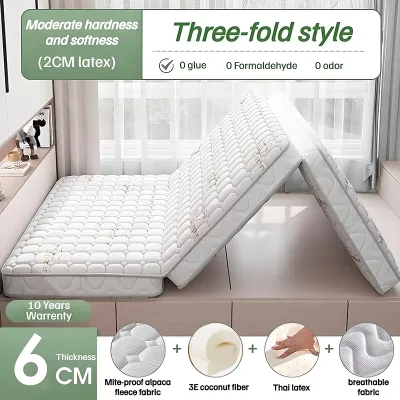
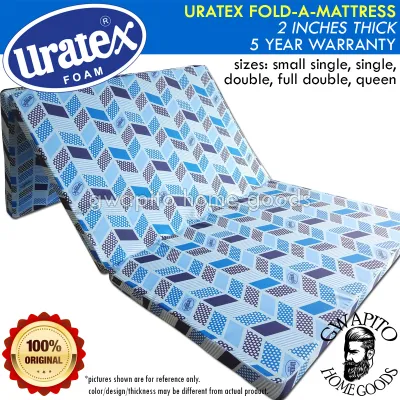
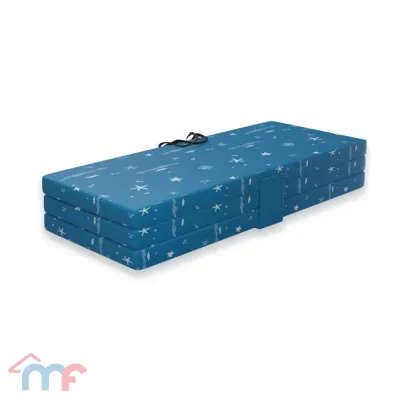
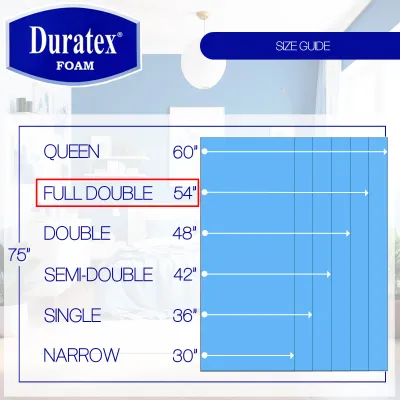
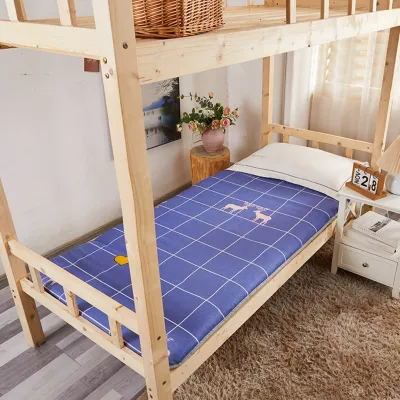
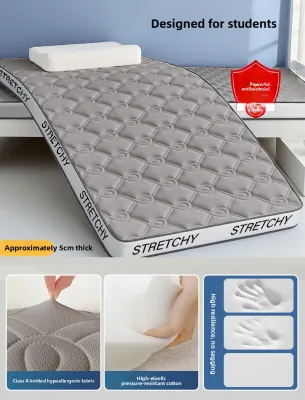
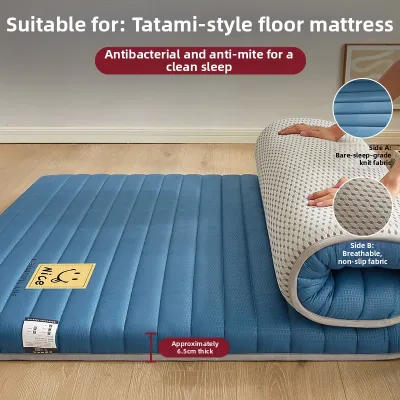
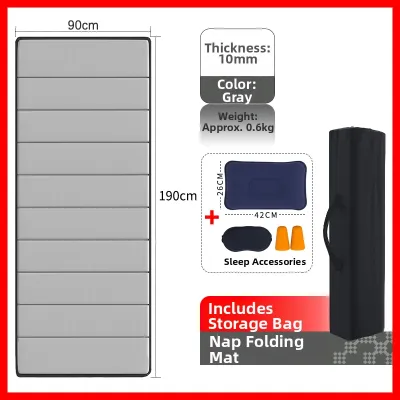
Prices are valid at publication and may change. Please refer to the product page for the latest price.
Heat trapping is another significant concern in tropical environments. Solid mattress cores, particularly standard polyurethane foams, tend to absorb and retain body heat throughout the night. When the ambient temperature is already high, this heat retention prevents the body from cooling down naturally, resulting in restless, sweaty sleep. For a folding mattress used directly on the floor or a low platform, this effect is often amplified because there is minimal airflow underneath the sleeping surface to help dissipate the heat.
Furthermore, ambient moisture can place severe structural stress on the folding mechanisms and core materials. When foam or fiber layers absorb moisture from the air, they become heavier and lose some of their natural resilience. This extra weight puts constant tension on the fabric hinges and seams that connect the mattress segments. Over time, the damp fibers or foam cells can break down faster under compression, leading to permanent sagging at the fold lines and a noticeable loss of support where the body needs it most.
Evaluating Latex, Memory Foam, and Innerspring for Humid Conditions
To choose the right folding mattress for a humid climate, you must evaluate how different core materials handle airflow, moisture resistance, and mechanical folding stress. Each material has a distinct physical structure that dictates how it responds to heat and dampness. While one material might offer excellent breathability, it may be heavier and harder to fold; another might fold effortlessly but trap heat if it lacks the proper ventilation channels.

The primary trade-off in a tropical environment is between folding flexibility and long-term structural integrity. A highly flexible, lightweight mattress is easy to pack away, but it may soften rapidly when exposed to high humidity. Conversely, a more rigid, supportive structure will resist sagging but will place greater strain on the seams and require more effort to store. Understanding these material characteristics allows you to match the mattress design to your specific living space and comfort needs.
Latex Folding Mattresses
Latex is highly regarded for its natural resilience and open-cell structure, making it a strong candidate for tropical climates. The manufacturing process for latex foam typically creates a network of tiny, interconnecting pathways that allow air to circulate more freely than in standard polyurethane foams. Additionally, many latex mattresses are designed with molded pinholes that run vertically through the core, significantly enhancing ventilation and helping to sweep away body heat and moisture during the night.
When shopping, it is important to distinguish between natural and synthetic latex. Natural latex, derived from rubber tree sap, generally offers superior breathability and a more resilient bounce that resists sagging in humid conditions. However, natural latex is also heavier and more expensive than its synthetic counterparts. Synthetic latex, while often lighter and more budget-friendly, may not offer the same level of moisture resistance and can degrade faster when exposed to consistent ambient dampness.
The main limitation of latex in a folding design is its weight and flexibility constraints. Latex is a dense, heavy material, which means a three-fold or four-fold latex mattress can be cumbersome to lift and store daily. Furthermore, thick latex layers (typically those over four inches) resist tight folding. Forcing a thick, dense latex core into a folded position repeatedly can put immense tension on the outer fabric cover, increasing the risk of tearing at the hinge points over time.
Memory Foam Folding Mattresses
Memory foam is popular for its pressure-relieving contouring, but standard varieties present distinct challenges in humid climates. Traditional memory foam features a closed-cell structure, meaning the individual pockets of air within the foam are sealed off from one another. This design restricts airflow, causing the mattress to trap body heat and moisture. In a warm, humid room, this can lead to a sleeping surface that feels uncomfortably hot and damp.
To address this issue, look for memory foam specified as “open-cell” or infused with cooling agents. Open-cell memory foam has broken cell walls that allow air to pass through the material, improving breathability. Gel-infused or copper-infused memory foams are also common; these additives are designed to help conduct heat away from the body. When evaluating these options, check the product specifications and labels to verify the presence of these cooling technologies rather than relying solely on marketing claims.
Another risk with memory foam in humid conditions is its susceptibility to permanent creasing and bottoming out. High-density memory foam provides excellent support but can become stiff and difficult to fold in cooler, air-conditioned rooms, or overly soft in hot, humid spaces. If stored in a folded position for extended periods in a damp environment, the foam along the fold lines can develop permanent creases, weakening the structural support and causing the mattress to bottom out when unfolded.
Innerspring Folding Mattresses
Innerspring folding mattresses offer a completely different structural approach, utilizing a network of steel coils rather than a solid block of foam. The primary advantage of an innerspring design in a humid climate is its unmatched air circulation. The large open spaces between the individual coils allow air to flow freely through the entire mattress core, preventing heat buildup and allowing moisture to evaporate quickly. This makes innerspring mattresses naturally cooler to sleep on than most foam options.
However, the mechanical nature of innersprings introduces specific vulnerabilities in a folding format. A folding innerspring mattress must be designed with distinct, segmented coil units connected by flexible hinges or transition zones. If these hinges are poorly constructed, they can wear out rapidly, leading to a noticeable gap or sag in the middle of the bed. Additionally, the edge support around the folding seams must be reinforced to prevent the mattress from collapsing when you sit near the edges.
Moisture penetration is also a critical concern for innerspring systems. If high humidity or sweat penetrates the outer fabric cover and reaches the internal steel coils, it can lead to rust and corrosion. Rusted coils lose their tension, squeak loudly when you move, and can eventually break, potentially puncturing the outer fabric. To mitigate this risk, it is essential to verify that the coils are made of rust-resistant steel or are securely encased in moisture-resistant pockets.
Essential Specifications and Labels to Verify Before Purchase
When choosing a folding mattress, you should look beyond basic product descriptions and carefully examine the manufacturer’s specifications and product labels. The first line of defense against humidity is the mattress cover fabric. Look for covers made from breathable, moisture-wicking materials such as bamboo-derived rayon, tencel, or high-quality cotton blends. Avoid synthetic polyester covers that lack ventilation, as they will trap sweat and heat. Additionally, prioritize covers that are completely removable and machine-washable, allowing you to maintain a clean, mold-free sleeping surface.
Next, check for independent certifications that verify the safety and hygiene of the materials. For foam mattresses, look for the CertiPUR-US label, which ensures the foam is made without harmful chemicals and has low volatile organic compound (VOC) emissions. Some manufacturers also apply specific antimicrobial or mold-resistant treatments to the fabric or foam core. Verify these claims by looking for official certification tags on the mattress itself, which indicate the material has been tested to resist fungal and bacterial growth in humid conditions.
Understanding density and Indentation Load Deflection (ILD) ratings can also help you gauge how a mattress will perform over time. For foam and latex, a higher density (measured in pounds per cubic foot or kilograms per cubic meter) generally indicates a more durable product that resists sagging. However, because high-density materials can trap more heat, you must ensure the foam is also specified as open-cell. The ILD rating measures the firmness of the mattress; a higher ILD means a firmer surface, which is often preferable in humid climates to prevent the body from sinking too deeply into the mattress and trapping heat.
Finally, inspect the design of the folding mechanism and the terms of the manufacturer’s warranty. The hinges should be constructed from heavy-duty, reinforced fabric or durable zippers that can withstand repeated folding without tearing. Review the warranty document carefully to see what types of damage are covered. Many warranties exclude damage caused by mold, mildew, or environmental moisture, so choosing a product with a warranty that covers structural sagging or hinge failure under normal household conditions is highly beneficial.
Maintenance and Moisture Control for Tropical Climates
Proper maintenance is essential to prolonging the lifespan of your folding mattress and preventing mold growth in a humid environment. One of the most effective routines is to regularly air out the mattress. At least once a week, unfold the mattress completely and stand it vertically against a wall in a well-ventilated room, preferably near an open window or a fan. This allows trapped moisture to evaporate from both the top and bottom surfaces. Avoid leaving the mattress flat on the floor for extended periods, as the lack of airflow underneath will inevitably trap condensation.
Controlling the indoor climate can also significantly reduce the risk of moisture damage. If you use air conditioning or a dehumidifier in your bedroom, run these appliances according to the manufacturer’s guidelines to maintain a moderate humidity level. Lowering the ambient humidity not only improves your sleep comfort but also helps keep the mattress core dry. When storing the folding mattress, place it in a dry, elevated closet or storage bag made of breathable fabric rather than airtight plastic, which can trap residual moisture inside.
When cleaning the mattress, always prioritize dry or low-moisture methods. For minor spills or sweat stains, spot-clean the surface immediately using a damp cloth and a mild, diluted detergent. Avoid saturating the core material with water, as deep moisture is incredibly difficult to dry out in a humid climate and will quickly lead to mold. If the mattress cover is removable, wash it according to the care label instructions and ensure it is completely dry before zipping it back over the mattress core.
It is equally important to recognize when a folding mattress has reached the end of its usable life. If you observe deep-seated mold growth that has penetrated the inner foam or coil housing, persistent musty odors that do not disappear after thorough airing, or severe structural sagging that causes back pain, it is time to discard the mattress. Continuing to sleep on a moldy or unsupportive mattress can compromise your sleep quality and hygiene, making a timely replacement the safest choice.
Frequently Asked Questions (FAQ)
Can I leave a folding mattress directly on the floor in a humid room?
Leaving a folding mattress directly on the floor in a humid room is not recommended. When you sleep, your body releases heat and moisture, which travels down through the mattress. Without an elevated base, this moisture becomes trapped between the bottom of the mattress and the cold floor, leading to condensation and rapid mold growth. To prevent this, always place the mattress on an elevated surface, such as a slatted bed frame, a low wooden platform, or a breathable tatami mat, to allow continuous airflow underneath.
Which mattress cover material is best for managing sweat and humidity?
The best cover materials for managing sweat and humidity are highly breathable, moisture-wicking natural fibers or specialized semi-synthetics. Bamboo-derived rayon and tencel are excellent choices because they naturally absorb moisture and allow it to evaporate quickly, keeping the sleeping surface cool and dry. High-quality cotton blends also offer good breathability. When purchasing, check the textile composition label on the mattress to ensure the cover contains a high percentage of these breathable fibers, and avoid 100% polyester covers which tend to trap heat and sweat.

Community discussion
Share your experience or ask a question. Comments are reviewed before publication.