
Selecting a headboard for bed full double setups requires balancing physical dimensions, room layout constraints, and the surrounding environment. A standard full or double bed mattress measures 54 inches wide by 75 inches long (137 by 191 cm). To ensure a visually balanced look without awkward gaps or excessive overhang, the ideal headboard width ranges from 54 to 58 inches (137 to 147 cm). This size range provides a clean, proportional frame for the mattress while accommodating standard bedding and sheets.
Beyond basic width, finding the right fit involves evaluating height, thickness, and installation methods. In tropical environments like the Philippines, where high humidity levels and concrete wall construction are common, material selection and mounting styles require careful consideration. Whether your goal is to add comfortable back support for reading, maximize storage in a compact condo, or introduce a natural wood accent, understanding standard specifications and installation requirements is the first step to an optimal bedroom setup.
While standard dimensions provide an excellent starting point, checking the specific bed frame’s pre-drilled bracket holes is the ultimate source of truth for frame-attached models. Bolt-on headboards rely on standardized spacing, but minor variations between manufacturers can occur. Verifying these measurements before purchasing prevents compatibility issues and ensures a secure, wobble-free connection.
Products mentioned in this guide

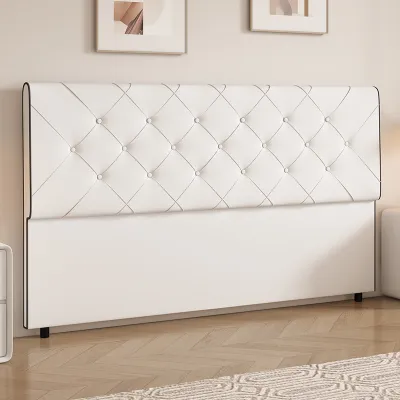



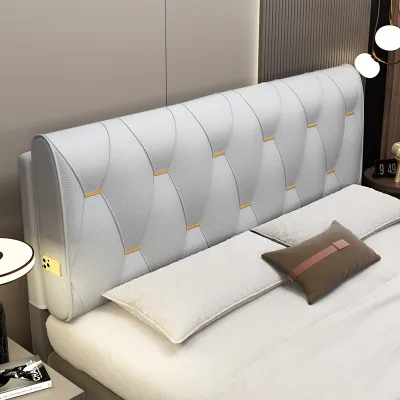


Prices are valid at publication and may change. Please refer to the product page for the latest price.
Quick Answer: Standard Headboard Dimensions for a Full Bed
A standard full or double mattress measures exactly 54 inches (137 cm) in width. To complement this size, standard full-size headboards are manufactured to be slightly wider than the mattress itself, typically measuring between 54 and 58 inches (137 to 147 cm) in total width. This slight extension of up to two inches on either side prevents the mattress from looking squeezed and accommodates the extra bulk of thick blankets, comforters, or duvets.
In terms of height, standard headboards range from 14 to 24 inches (35 to 61 cm) above the top of the mattress. This visible height ensures that the headboard remains functional and aesthetically pleasing when pillows are propped up. The total height from the floor to the top of the headboard usually ranges from 38 to 50 inches (96 to 127 cm), depending on the height of the bed frame and mattress foundation.
Thickness typically ranges from 2 to 4 inches (5 to 10 cm). Slimmer metal or wood panels occupy minimal floor space, while plush upholstered designs or storage models require more depth. Before committing to a purchase, always measure the distance between the pre-drilled mounting holes on your existing bed frame brackets, as matching these bolt locations is essential for any frame-attached installation.
How to Measure and Choose the Right Headboard Size
Achieving a seamless fit requires precise physical measurements of your mattress, bed frame, and bedroom layout. Do not rely solely on labeled sizes, as manufacturing tolerances can vary slightly. Begin by measuring the exact width of your mattress from outer edge to outer edge, followed by the overall width of your bed frame.

Width and Visual Balance
The width of your headboard dictates the visual weight of the bed. A headboard that is flush with the mattress width (54 inches) creates a streamlined, modern look that works exceptionally well in compact bedrooms or studio apartments. Choosing a slightly wider headboard (56 to 58 inches) creates a layered, high-end hotel aesthetic, allowing the headboard to frame the pillows beautifully. A headboard should never be narrower than the mattress, as this creates an unbalanced, top-heavy appearance and leaves the mattress corners unprotected.
Height and Vertical Clearance
To determine the ideal headboard height, consider your ceiling height, pillow arrangement, and personal habits. If you enjoy sitting up in bed to read or work, you will need a taller headboard (20 to 24 inches above the mattress) to provide adequate back support. For rooms with low ceilings, a shorter headboard (14 to 18 inches above the mattress) helps maintain a sense of openness. Additionally, measure the wall space to ensure the headboard does not block windows, wall-mounted light fixtures, or air conditioning units, which are common in Philippine homes.
Thickness and Walkway Space
Headboard thickness directly affects how far your bed frame is pushed away from the wall. In tight urban bedrooms or high-rise condos, preserving walkway space at the foot of the bed is critical. A thick upholstered or storage headboard (4 to 8 inches deep) can significantly reduce the remaining clearance. Ensure that adding this depth still leaves at least 24 to 30 inches of walking space around the perimeter of the bed for comfortable movement.
Standard Full/Double Bed Headboard Dimensions
| Dimension Type | Standard Range (Inches) | Standard Range (cm) | Key Considerations |
|---|---|---|---|
| Width | 54" – 58" | 137 – 147 cm | Must be equal to or slightly wider than the mattress. |
| Height Above Mattress | 14" – 24" | 35 – 61 cm | Dictates back support and visual impact behind pillows. |
| Depth (Thickness) | 2" – 4" | 5 – 10 cm | Impacts how far the bed sits from the wall. |
| Total Height (Floor to Top) | 38" – 50" | 96 – 127 cm | Includes legs; must clear wall fixtures and windows. |
Recommended Headboard Styles and Materials for Full Beds
Selecting the right material involves evaluating aesthetic preferences alongside practical durability, maintenance requirements, and environmental factors. In the Philippines, high relative humidity and warm temperatures can impact how materials wear over time. It is essential to choose finishes and constructions that can withstand these conditions.
Upholstered Headboards
Upholstered headboards offer a soft, luxurious aesthetic and provide excellent cushioning for those who spend time sitting upright in bed. They also contribute to sound absorption, helping to quieten echo-prone rooms with tile or hardwood flooring.
- Best for: Comfort, sound dampening, and adding rich texture to a bedroom.
- Pros: Offers a highly comfortable, padded backrest; visually softens sharp room angles; available in a wide array of fabrics and tufting styles.
- Limitations: Requires regular vacuuming to prevent dust accumulation and is susceptible to staining. In humid climates, non-breathable synthetic fabrics can trap moisture, potentially leading to mold or mildew. To mitigate this, check the manufacturer's care instructions, prioritize breathable fabrics like linen or treated canvas, and ensure the room is well-ventilated.
Solid Wood and Rattan Headboards
Solid wood and woven rattan headboards bring natural warmth and organic textures into the bedroom. Rattan, in particular, offers a classic tropical aesthetic with a lightweight visual profile that prevents small rooms from feeling cramped.
- Best for: Longevity, low maintenance, and tropical or minimalist interior designs.
- Pros: Highly durable and easy to clean with a quick wipe down; resistant to moisture damage when properly sealed; rattan allows air to circulate freely.
- Limitations: Provides a hard surface that requires decorative pillows for comfortable leaning. When purchasing solid wood, check that the timber has been properly kiln-dried and sealed with a moisture-resistant finish to prevent warping or cracking during seasonal humidity shifts.
Metal and Minimalist Frames
Metal headboards, featuring iron, steel, or brass tubing, offer a slim profile and an open, airy design. They are highly suited for industrial, farmhouse, or modern minimalist aesthetics.
- Best for: Small bedrooms where maximizing floor space and maintaining light flow are primary goals.
- Pros: Extremely thin profile that saves valuable floor space; highly durable and virtually maintenance-free; does not harbor dust mites or allergens.
- Limitations: Can feel cold to the touch; offers no back cushioning without support pillows; may develop squeaks over time if the connection bolts loosen.
Storage and Bookcase Headboards
Storage headboards utilize vertical space by incorporating built-in shelving, cubbies, or hidden compartments directly behind the pillows. This style is highly functional for homes lacking space for traditional bedside tables.
- Best for: Small condos, studio apartments, and guest rooms where maximizing utility is essential.
- Pros: Eliminates the need for freestanding nightstands; keeps books, electronics, and personal items organized and within arm's reach.
- Limitations: Adds significant depth (often 8 to 10 inches), pushing the bed further into the room. Because of their weight and bulk, these units require a highly stable bed frame and must be securely anchored to the wall to prevent tipping hazards.
Wall-Mounted vs. Frame-Attached: Which Installation Works Best?
How you mount your headboard affects its stability, ease of installation, and compatibility with your living situation. The three primary mounting methods each offer distinct trade-offs.
Frame-Attached (Bolt-on)
Frame-attached headboards connect directly to the bed base using brackets and bolts. This is the most common setup for complete bed sets.
- How it works: The headboard legs line up with the brackets at the head of the bed frame, secured by bolts, washers, and nuts.
- Pros: The headboard moves as a single unit with the bed, making room rearrangement simple. It causes zero damage to walls, making it highly suitable for renters.
- Cons: Requires the bolt hole spacing on the headboard to align perfectly with the bed frame. While many manufacturers follow standard configurations, minor deviations can require the purchase of separate modification plates (mod-plates) to bridge the gap.
Wall-Mounted
Wall-mounted headboards hang directly on the wall behind the bed, completely independent of the bed frame.
- How it works: Heavy-duty wall hangers, such as French cleats or interlocking brackets, are screwed into the wall, and the headboard is slotted into place.
- Pros: Offers a universal fit for any full-size bed; allows you to adjust the mounting height precisely to match your mattress thickness; provides exceptional stability with zero wobbling.
- Cons: Requires drilling holes into the wall. In the Philippines, residential walls are commonly constructed of solid concrete or concrete hollow blocks (CHB). Mounting to these surfaces requires a masonry drill bit, plastic wall plugs (tox), and appropriate screws. This permanent installation is often restricted in rental properties.
Freestanding and Slipcover
Freestanding headboards stand on their own legs and are held flush against the wall simply by the weight and pressure of the mattress and bed frame.
- How it works: The headboard is placed against the wall, and the bed frame is pushed tightly against it.
- Pros: No drilling or bolting required; extremely easy to install, remove, or clean; slipcover designs allow you to change the fabric cover easily for washing.
- Cons: Can shift slightly over time if the bed frame moves, potentially causing minor scuffing on the wall surface.
How to Prevent Overhang, Gaps, and Wobbling
A poorly fitted headboard can lead to annoying squeaks, damaged walls, and a disjointed look. Taking preventative steps during assembly ensures a secure, quiet, and long-lasting installation.
Avoiding Overhang and Nightstand Interference
Before purchasing a headboard for bed full double configurations, measure the available wall width, including the placement of your bedside tables. A headboard that is too wide may overlap with your nightstands, preventing them from sitting flush against the wall or blocking drawers from opening. If space is tight, select a headboard that matches the exact 54-inch width of your mattress.
Eliminating Gaps
If the headboard is mounted too high, a gap can form between the bottom of the headboard panel and the top of the mattress. This gap allows pillows to slip through during the night. To prevent this, measure your total mattress height (including the bed frame and mattress topper) and adjust the headboard mounting height so that the bottom of the panel sits at least 2 to 3 inches below the top surface of the mattress.
Stopping Wobbling and Wall Damage
A loose headboard will knock against the wall whenever you move or sit up. Prevent this by taking the following steps:
- Use proper hardware: Always install all provided flat washers, lock washers, and bolts. Lock washers prevent the nuts from backing off due to the natural vibrations of the bed.
- Check tightness periodically: Wooden frames shrink and swell slightly with seasonal humidity changes, which can loosen joints. Check and tighten all connection bolts every six months.
- Apply protective backing: Stick adhesive felt pads or foam bumpers onto the back corners of the headboard where it meets the wall. This cushions any movement, eliminates knocking noises, and protects your wall paint from scuffs and scratches.
- Anchor heavy units: For heavy storage or bookcase headboards, always follow the manufacturer's instructions for wall anchoring to eliminate any risk of tip-over, especially if you have pets or young children in the home.
Frequently Asked Questions (FAQ)
Can I use a queen headboard on a full/double bed?
A standard queen headboard is 60 inches wide, which is 6 inches wider than a standard full mattress (54 inches). If you pair them, the headboard will overhang the mattress by 3 inches on each side. While this can create an intentional, wider backdrop for your pillows, the mounting brackets will not align. To make this work, you must either mount the queen headboard directly to the wall or use metal modification plates to adapt the frame-attached bolt holes.
How high should a headboard be above the mattress?
A headboard should ideally sit 14 to 24 inches above the top of the mattress. This height range ensures that the headboard remains visible when pillows are placed against it, while providing comfortable back support when sitting up. The exact height can be adjusted based on your personal preference, ceiling height, and the thickness of your pillows.

Community discussion
Share your experience or ask a question. Comments are reviewed before publication.