
Selecting the right Galba steel rack for your home office or study requires a careful balance of spatial planning, weight capacity verification, and design evaluation. Because these modular steel shelving units are designed to accommodate everything from lightweight decorative pieces to dense stacks of reference books, identifying your specific storage needs first is essential. In the humid tropical climate of the Philippines, where moisture and salt air can affect metal longevity, understanding the structural and finish differences between various models ensures you invest in a shelving system that remains stable and rust-free for years. By systematically comparing footprints, load limits, and assembly requirements, you can confidently choose a configuration that maximizes your vertical space without overcrowding your room.
Key Factors to Evaluate Before Comparing Galba Models
Before browsing through different model listings, you must establish a clear picture of your physical environment and delivery path. Start by measuring the exact floor area where you plan to position the rack, keeping in mind that baseboards or wall trim can reduce the actual usable width by a few centimeters. Vertical clearance is equally critical, especially if you have low ceilings, decorative crown molding, or overhead light fixtures that might obstruct a tall unit. Additionally, map out the delivery route from your building’s entrance, through hallways, doorways, and elevators, to ensure the flat-packed boxes or pre-assembled frames can be transported safely without damaging your walls.
Next, take a detailed inventory of the items you intend to store on the shelves. Group your belongings by size, shape, and weight to estimate the total volume and physical dimensions of your storage load. For example, standard office binders, heavy textbooks, and storage bins require deeper shelves and higher vertical clearance between tiers than small novels, framed photos, or light office supplies. Estimating these requirements beforehand prevents the common mistake of purchasing a rack that is either too shallow for your storage boxes or too tall for your books.
Products mentioned in this guide
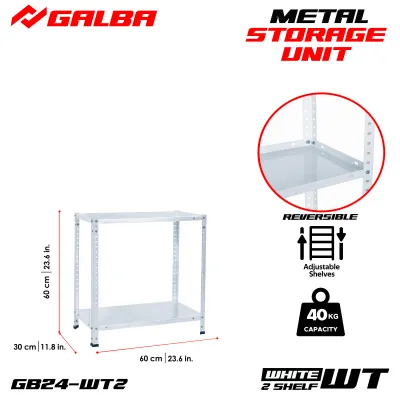
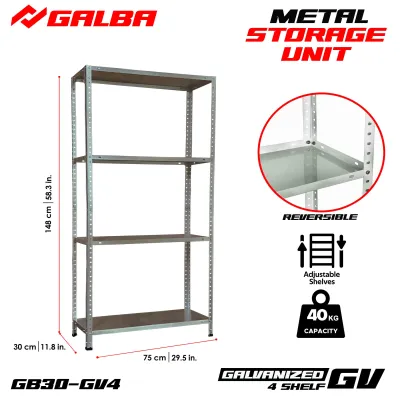
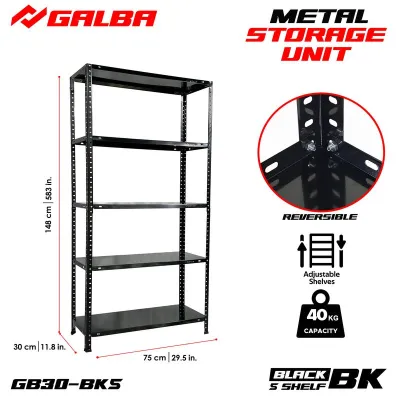
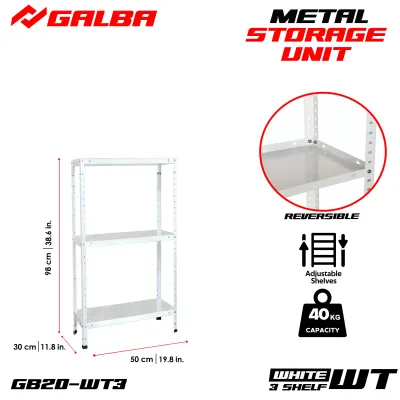
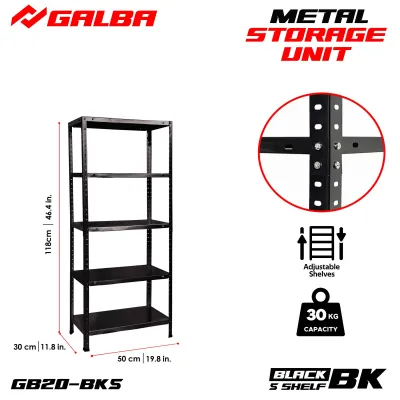
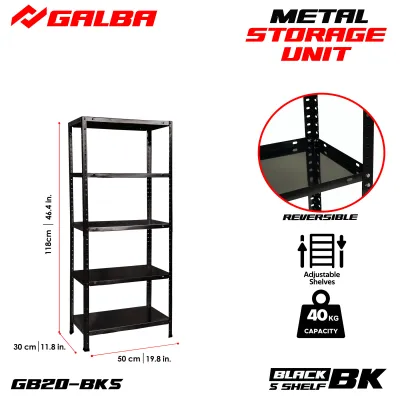
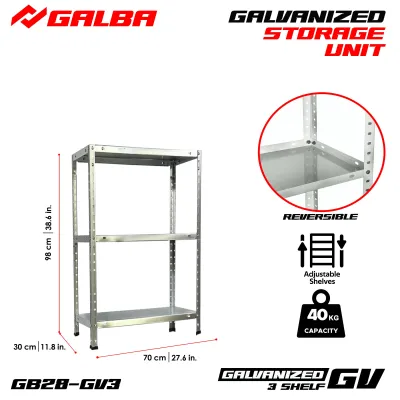
Prices are valid at publication and may change. Please refer to the product page for the latest price.
Finally, define the primary function of the shelving unit within your study or home office. A rack intended solely for displaying lightweight decorative items, indoor plants, and occasional reading material does not require the same heavy-duty structural reinforcement as one meant to hold archives of paper files or heavy equipment. Identifying this primary use case helps you narrow down your choices to models with appropriate frame thicknesses and shelf support systems. This targeted approach saves you from overpaying for industrial-grade capacity when a lighter, more aesthetic model would serve your space perfectly.
Comparing Dimensions and Footprint Across Galba Racks
When comparing different models, your first step should be to consult the manufacturer’s official specification sheets or verified product listings for precise external dimensions. Pay close attention to the height, width, and depth of each model, as even a minor difference of a few centimeters can determine whether a rack fits neatly into a designated alcove or protrudes awkwardly into a high-traffic walkway. Comparing these measurements side-by-side allows you to visualize how much floor space each option will occupy and how much vertical storage it will generate.

Beyond the overall external dimensions, evaluate the internal configuration of the shelves, focusing on adjustability and tier spacing. Many steel racks feature adjustable shelf heights, allowing you to customize the distance between tiers to accommodate unusually tall items like oversized reference books or storage crates. Check the product specifications to see how many tiers are included and whether the shelf support clips or slots allow for incremental adjustments. A model with highly customizable shelf heights offers greater long-term flexibility as your storage needs evolve over time.
Do not overlook the design of the rack’s base and legs, as these elements directly impact stability and placement. Some models feature flush bases that sit flat against the floor, while others utilize raised legs with adjustable leveling feet. Leveling feet are particularly valuable in homes with slightly uneven tiled or concrete floors, as they allow you to stabilize the rack and prevent wobbling. Additionally, check if the leg design provides enough clearance to slide over standard skirting boards, allowing the back of the rack to sit completely flush against your wall for maximum stability.
Understanding Weight Capacity and Structural Limits
To ensure safe operation, you must locate and verify the maximum load capacity for both individual shelves and the entire rack unit. This information is typically found on official product labels, packaging inserts, or authorized retailer descriptions. Because weight capacities vary significantly depending on the steel gauge, shelf material, and frame design, never assume that two models of similar size can support the same weight. Always cross-reference these official limits with the estimated weight of your heaviest items before making a final selection.
Proper weight distribution is fundamental to maintaining the structural integrity and balance of your steel rack. Always place your heaviest items, such as large storage boxes, heavy files, or reference books, on the lowest shelves to keep the unit’s center of gravity as low as possible. Lighter items, decorative objects, and frequently accessed supplies should be reserved for the upper tiers. Distributing the weight evenly across the entire surface of each shelf, rather than concentrating heavy loads in the center, prevents localized stress and reduces the risk of structural failure.
Regularly inspect your shelving unit for visual signs of overloading or structural fatigue. If you notice any bowing or sagging in the middle of a shelf, or if the vertical uprights show signs of bending or twisting, the weight limit has been exceeded. In such cases, immediately remove items from the affected shelves and redistribute the load to lighter tiers or separate storage units. Ignoring these early warning signs can lead to sudden shelf collapse, potentially damaging your belongings or causing personal injury.
Design Features, Finishes, and Assembly Requirements
The finish of a steel rack plays a vital role in both its aesthetic appeal and its durability, particularly in humid environments. Look for models featuring high-quality surface treatments, such as electrostatic powder coating, which provides a robust barrier against scratches, scuffs, and moisture. Review the manufacturer’s care instructions to understand how the finish performs under daily wear and tear. In tropical climates, a well-applied powder coat is essential for preventing rust and corrosion, ensuring the steel frame remains clean and structurally sound over years of use.
Structural design variations also influence both the stability and the visual style of the rack. Open-back models offer a minimalist, airy look that works well in modern home offices, but they may require diagonal cross-bracing on the back or sides to prevent lateral swaying under heavy loads. Conversely, models with solid back panels or integrated side guards provide built-in lateral stability and prevent books or files from sliding off the edges. Consider which design best matches your aesthetic preferences while providing the necessary structural support for your intended storage items.
Before purchasing, review the assembly requirements and the tools needed to construct the rack. Many modern steel racks utilize boltless assembly systems that require only a rubber mallet, while others rely on traditional nut-and-bolt hardware that may necessitate specific wrenches or screwdrivers. Check the product documentation to see if all required hardware is included in the package. For larger, taller, or heavier models, plan to have a second person assist you during assembly to ensure the frame is held securely in place while the shelves are locked into position.
Decision Matrix: Matching Galba Models to Your Use Case
To select the ideal model, apply a conditional decision framework based on your verified spatial constraints and storage demands. If your home office has limited floor space but high ceilings, prioritize a tall, narrow model that maximizes vertical storage without encroaching on your room’s footprint. For storing dense, heavy items like extensive book collections or office archives, opt for a wider, heavy-duty variant with reinforced shelf supports and a lower profile to ensure maximum stability and weight distribution.
Before finalizing your purchase, always cross-check current stock availability, exact specifications, and pricing in ₱ on authorized online marketplaces or the brand’s official store. Because product lines and specifications can occasionally be updated, verifying these details directly on the retailer’s platform ensures you receive the exact model version you expect. Avoid relying on third-party forums or outdated listings for pricing and stock levels, as these can vary by region and retailer.
If your intended storage load, installation environment, or room conditions conflict with the manufacturer’s stated product limits, pause and consult a qualified professional or the manufacturer’s customer support. Attempting to modify a steel rack or use it in a manner not recommended by the manufacturer can compromise its structural integrity and void any warranties. Prioritizing safety and adhering strictly to official guidelines ensures your storage solution remains secure, functional, and reliable.
Frequently Asked Questions (FAQ)
Do Galba steel racks require wall anchoring for stability?
Yes, securing tall steel racks to the wall is highly recommended to prevent tipping hazards, especially when the unit is fully loaded. Check the product packaging or manual to see if an anti-tip wall anchoring kit is included with your model. If your rack has a high height-to-depth ratio, or if you live in an area prone to seismic activity, anchoring the frame to a wall stud or solid masonry is a critical safety measure. For homes with children or pets, professional installation of these safety anchors is strongly advised to ensure the unit cannot be accidentally pulled over.
How should I clean and maintain the powder-coated steel finish?
To preserve the protective powder-coated finish, clean the steel frame regularly using a soft, damp microfiber cloth to wipe away dust and light spills. Avoid using abrasive scrubbing pads, steel wool, or harsh chemical solvents, as these can scratch or strip the protective coating, leaving the underlying steel vulnerable to rust. After wiping down the rack with a damp cloth, always use a clean, dry towel to thoroughly dry all surfaces, paying close attention to joints and corners where moisture can easily accumulate in humid environments.

Community discussion
Share your experience or ask a question. Comments are reviewed before publication.