
Choosing the right storage for your books, collectibles, and decorative items often comes down to a choice between a glass-front bookcase display cabinet and an open-back bookcase. This decision shapes not only how you interact with your belongings daily but also how your room handles light, space, and maintenance. In tropical environments like the Philippines, where dust and humidity are constant household challenges, the structural design of your shelving plays a major role in preserving your items over time.
A glass-front cabinet offers an enclosed, protected environment that shields delicate book pages, family heirlooms, and intricate decor from settling dust and sudden environmental shifts. On the other hand, an open-back bookcase provides immediate, unhindered access to your reading materials while maintaining a light, breezy visual profile that suits modern, relaxed interiors. Evaluating your daily habits, room dimensions, and maintenance tolerance will guide you to the style that best fits your home.
Protection vs. Accessibility: Matching Your Daily Routine
The primary functional difference between these two styles is how they manage the boundary between your items and the surrounding environment. A glass-front bookcase display cabinet acts as a physical barrier, significantly reducing the amount of dust, pet dander, and airborne particles that settle on your books and collectibles. For those living in urban areas or near busy roads where dust accumulates rapidly, this enclosure can cut down on the time spent cleaning individual book spines and delicate figurines.
Products mentioned in this guide
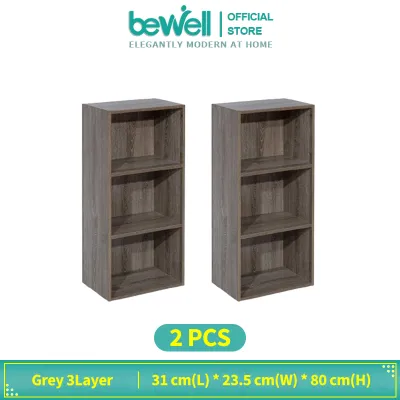
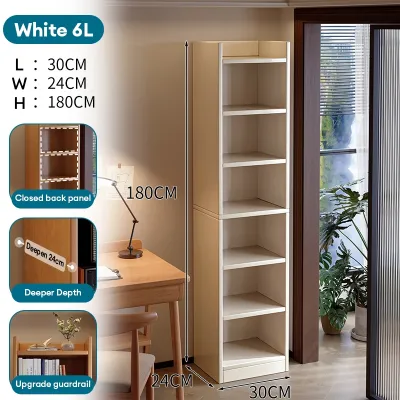
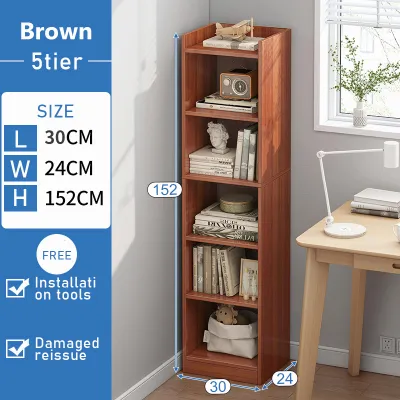
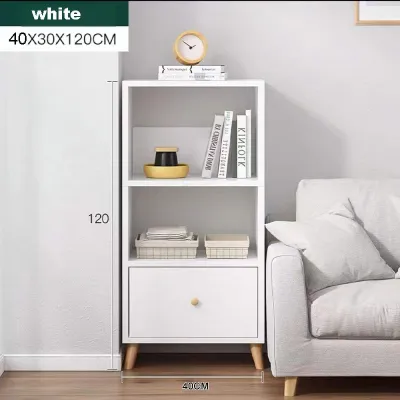

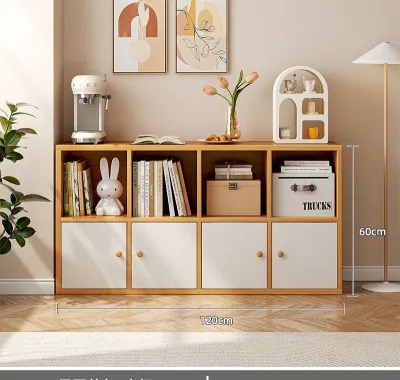

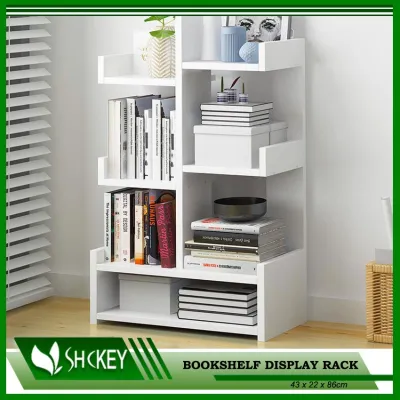
Prices are valid at publication and may change. Please refer to the product page for the latest price.
Furthermore, enclosed cabinets offer a layer of security for fragile or valuable items. If you have curious pets or young children in the home, glass doors keep delicate collectibles out of reach while keeping them fully visible. Some specialized glass doors also offer UV-filtering properties, which can help protect sensitive book covers and vintage documents from fading when exposed to indirect sunlight.
Conversely, an open-back bookcase prioritizes immediate, frictionless utility. If you are an avid reader who reaches for reference books, novels, or study materials multiple times a day, opening and closing cabinet doors can quickly become a tedious extra step. Open shelves allow you to grab what you need in a single motion, making them highly practical for home offices, study areas, and active family rooms.
Spatial layout also dictates which style is more practical for your daily routine. Glass doors require a clear swing radius, meaning you must leave enough open floor space in front of the cabinet to open the doors fully without bumping into armchairs, coffee tables, or passing family members. An open-back bookcase requires zero front clearance for doors, allowing you to place it in narrow hallways, tight corners, or behind a desk where space is at a premium.
Visual Impact: How Each Style Shapes Your Space
Beyond storage, these furniture pieces serve as major visual anchors in any room, influencing how light moves and how spacious the area feels. Glass-front cabinets excel at manipulating light. The glass panels reflect both natural sunlight from windows and artificial light from lamps, which can make a dark corner feel brighter and give the illusion of a larger, more open room. This reflective quality adds a polished, formal elegance that elevates the aesthetic of dining rooms, formal living areas, and executive home offices.

However, the solid frame and glass panes of an enclosed cabinet carry significant visual weight. Because the unit is physically enclosed, it presents a distinct, structured boundary that can dominate a small room if not styled carefully. To keep a glass-front cabinet from looking overly heavy, interior designers often recommend a curated, minimalist approach to styling, leaving empty space between items to let the backing material or interior lighting show through.
In contrast, an open-back bookcase offers a lightweight, airy aesthetic that blends seamlessly into contemporary and minimalist spaces. Because there is no solid back panel, the wall color or wallpaper behind the shelves remains visible, allowing the furniture to integrate naturally into your existing decor. This backless design prevents the room from feeling closed in, making it an excellent choice for studio apartments or smaller bedrooms.
Styling an open-back bookcase allows for a more relaxed, layered approach. You can mix vertical rows of books with horizontal stacks, small potted plants, and decorative baskets. The lack of a back panel also makes it easy to run cords for small accent lamps or electronic devices directly to wall outlets, turning the bookcase into a functional media or charging hub without drilling holes in the furniture.
Upkeep and Cleaning: What to Expect Long-Term
Every piece of furniture comes with an ongoing maintenance commitment, and understanding these requirements beforehand prevents future frustration. Glass-front cabinets require regular glass cleaning to maintain their pristine appearance. Fingerprints, smudges, pet nose prints, and dust streaks show up easily on glass surfaces, especially when caught in direct light. You will need to keep glass cleaner and a microfiber cloth handy to wipe down the panels periodically.
Additionally, the moving parts of an enclosed cabinet require occasional attention. Over months of use, door hinges can loosen, causing the doors to sag or misalign. You will need to inspect the hardware periodically and use a screwdriver to tighten or adjust the hinges to ensure the doors close smoothly and seal properly against dust.
Open-back bookcases trade glass maintenance for a more frequent dusting routine. Without a protective barrier, dust settles directly on the shelves and the items stored on them. In humid tropical climates, fine dust can combine with moisture in the air to form a sticky film over time if left undisturbed. This means you will need to remove books and decor regularly to wipe down the shelves and keep your collection clean.
Before purchasing either style, always verify the manufacturer’s care instructions for the specific materials used. Different finishes—such as solid wood, wood veneers, powder-coated metal, or tempered glass—require specific cleaning methods. Avoid using harsh chemical solvents or abrasive pads, which can strip protective topcoats, scratch glass surfaces, or discolor metal frames.
Structural Safety and Weight Limits: What to Verify Before Buying
Ensuring the structural integrity and safety of your shelving is crucial, particularly when storing heavy items like textbooks, encyclopedias, or dense ceramic decor. Never assume a shelf’s load capacity based on its appearance or material name alone. Instead, locate the manufacturer’s official specifications on the product label, assembly manual, or retail listing to find the exact weight limit per shelf. Overloading shelves can lead to permanent bowing, joint separation, or catastrophic structural failure.
Because of their height and weight distribution, both tall open-back bookcases and heavy glass-front cabinets present a tip-over hazard. This risk increases significantly if you have children or pets who might attempt to climb the shelves, or if you live in an area prone to seismic activity. Always check if the manufacturer includes a dedicated anti-tip wall anchoring kit in the package. If not, you must purchase compatible anchoring hardware separately and secure the unit directly to a wall stud or use appropriate masonry anchors for concrete walls.
Floor leveling is another critical factor that affects both safety and functionality. On uneven floors, a tall bookcase can wobble, compromising its stability. For glass-front models, even a slight floor slope can cause the cabinet frame to twist slightly, leading to misaligned doors that rub against each other or fail to latch. Look for cabinets equipped with adjustable leveling feet, which allow you to compensate for uneven flooring and keep the unit straight and plumb.
Finally, inspect the quality of the assembly hardware during installation. For glass-front cabinets, ensure that the hinges are rated to support the weight of the glass doors without bending. If you are assembling the unit yourself, follow the step-by-step instructions carefully, ensuring all cam locks, screws, and brackets are fully tightened before loading any items onto the shelves.
Which Bookcase Display Cabinet Should You Choose?
To make your final decision, weigh your storage priorities against the physical constraints of your room and your willingness to perform regular maintenance.
You should choose a glass-front display cabinet if your primary goal is to showcase and protect valuable, delicate, or dust-sensitive items. This style is ideal for formal spaces where you want a clean, curated look, provided you have the necessary floor clearance for swinging doors and are comfortable wiping down glass panels to keep them smudge-free.
You should choose an open-back bookcase if you need quick, daily access to your books, have limited floor space where door clearance is an issue, or prefer a casual, modern aesthetic that keeps your room feeling light and airy. This option is highly versatile, allowing you to style your shelves with a mix of media and decor while easily routing cables for electronics.
Before finalizing your purchase, always verify your room’s environmental conditions and structural limits. If your space experiences high humidity without air conditioning, ensure your glass cabinet has adequate ventilation to prevent moisture from trapping inside. Always measure your available wall space, check doorway and lift access for delivery, and confirm that the manufacturer’s specified load capacities align with the weight of the items you plan to store.
Frequently Asked Questions (FAQ)
Can I add glass doors to an existing open-back bookcase?
While it is technically possible to retrofit doors onto a bookcase, doing so carries significant structural risks. Standard open-back bookcases are rarely engineered to support the front-heavy weight of glass doors, which can cause the frame to sag, warp, or tip forward. Modifying the unit yourself will also void any manufacturer warranties. For safety and long-term durability, it is highly recommended to purchase a purpose-built glass-front cabinet rather than attempting a DIY modification.
How do I prevent glass cabinet doors from sagging over time?
To prevent sagging, start by verifying that the cabinet is properly level during installation, as uneven floors place uneven stress on the hinges. Regularly inspect the hinge screws and tighten them if they begin to loosen from daily use. Avoid hanging heavy items on the doors or overloading the shelves immediately adjacent to the hinge mounts. If sagging does occur, most modern cabinets feature adjustable European-style hinges; you can turn the adjustment screws on the hinge body to realign the doors vertically and horizontally.

Community discussion
Share your experience or ask a question. Comments are reviewed before publication.