
Sleeping comfortably in the Philippines requires a mattress that can handle both high temperatures and intense humidity. When you are evaluating a Greatme mattress, choosing between latex, spring, and memory foam is not as simple as picking a material name. Each material behaves differently under tropical conditions, and the ideal choice depends heavily on your bedroom’s ventilation, your personal sleep temperature, and the specific cooling technologies integrated into the mattress construction. By understanding how these materials interact with heat and moisture, you can select a model that keeps you cool and dry throughout the night.
How Mattress Materials Interact with Heat and Humidity
To understand how a mattress performs in a tropical climate, you must look at its internal structure. Solid foam blocks, such as standard memory foam, consist of dense polyurethane structures that naturally restrict airflow. When you lie on a solid foam mattress, your body heat is absorbed by the material, which can create a warm sleeping surface if the heat has no path of escape. High-density foams tend to trap more heat because their closely packed cell structures leave very little room for air to circulate.
In contrast, innerspring and pocket spring systems are inherently more breathable due to their open design. The space surrounding the steel coils acts as a natural ventilation chamber, allowing air to move freely with every movement you make. This continuous air exchange helps dissipate body heat and prevents moisture from pooling inside the mattress core. For bedrooms that rely on natural ventilation or ceiling fans rather than continuous air conditioning, this structural airflow is a critical factor in maintaining a comfortable sleep temperature.
Products mentioned in this guide

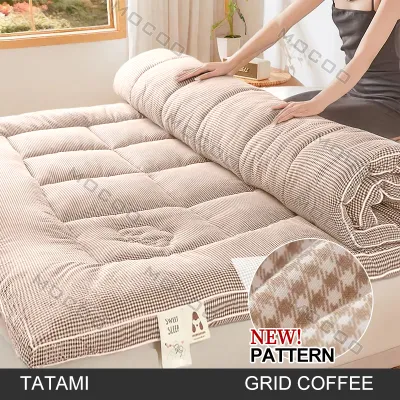
Prices are valid at publication and may change. Please refer to the product page for the latest price.
However, relying solely on the broad category of a mattress can be misleading. Modern manufacturing allows brands to modify traditional materials to improve their thermal performance. For instance, open-cell foam structures are designed with interconnected pores that allow air to pass through more easily than traditional closed-cell foams. Additionally, manufacturers often incorporate gel infusions, copper particles, or phase-change materials into the foam layers to help absorb and dissipate initial heat buildup. When browsing options, you should always check the product specifications for these active cooling features rather than assuming a foam mattress will automatically run hot.
What to Verify in Greatme Mattresses for Tropical Weather
When evaluating a Greatme mattress for a humid environment, the product label and detailed specifications are your primary tools for quality assurance. Start by examining the cover fabric. Look for materials that naturally promote breathability and moisture regulation, such as Tencel, bamboo-derived rayon, or specialized cooling knit fabrics. These textiles help pull sweat away from your skin, allowing it to evaporate quickly rather than soaking into the deeper layers of the mattress.

Next, verify whether the mattress design includes physical airflow enhancements. For foam models, check the product description for terms like “ventilated,” “aerated,” or “pincore” holes. These are physical channels punched through the foam layers to facilitate air movement. For hybrid or spring models, look for ventilated border tapes or mesh side panels. These breathable borders allow hot air to escape from the sides of the mattress as the coils compress and decompress under your body weight.
It is also essential to inspect the structural support features. Zoned coil systems not only provide targeted support for your spine but also ensure that heavier parts of your body do not sink too deeply into the mattress. Excessive sinking can wrap the mattress material around your body, trapping heat and restricting your movement. A supportive, responsive surface keeps you positioned on top of the mattress, maximizing the surface area exposed to room airflow.
Finally, always review the manufacturer’s warranty terms with a focus on environmental factors. High humidity can accelerate the softening of certain foam materials, leading to premature sagging. Check the warranty details to see how the brand defines acceptable sagging depths and whether moisture-related degradation or mold development is covered. Understanding these limits helps you set realistic expectations and emphasizes the importance of proactive mattress protection.
Protecting Your Mattress from Sweat and Humidity
Maintaining a mattress in a tropical climate requires active care to prevent moisture accumulation and structural degradation. The foundation of your bed plays a crucial role in this process. If you use a solid platform bed frame, air cannot circulate beneath the mattress, which can trap moisture rising from the floor or seeping down from your body. To prevent this, opt for a slatted bed frame. Verify that the slat spacing matches the manufacturer’s recommendations—typically no more than three inches apart—to ensure adequate underside ventilation while maintaining proper support.
Regular room ventilation is another simple yet effective way to protect your sleep setup. On dry, sunny days, open your bedroom windows to allow fresh air to circulate around the bed. If your room is prone to high humidity, using a dehumidifier can help maintain an optimal indoor environment, reducing the risk of mold and dust mite proliferation. Additionally, avoid making your bed immediately after waking up; instead, pull back the sheets for an hour to let any residual body heat and moisture evaporate from the surface.
When cleaning your mattress, always adhere strictly to the manufacturer’s care instructions. Avoid saturating the foam or fabric with water or liquid cleaners, as deep moisture is incredibly difficult to dry out in humid weather and can lead to internal mold growth. For accidental spills or heavy perspiration, blot the area immediately with a clean, dry towel and use a fan to speed up the drying process.
To safeguard your investment, use a high-quality mattress protector. Look for a protector that is specifically labeled as both waterproof and breathable. These protectors typically feature a specialized membrane that blocks liquid sweat and spills from reaching the mattress core while still allowing microscopic air molecules to pass through. Avoid cheap, plastic-like vinyl covers, as they trap heat, rustle noisily, and create a hot, sweaty sleeping surface.
Decision Framework: Matching Material to Your Sleep Environment
Choosing the right mattress type requires balancing your personal comfort preferences with the specific climate control of your bedroom. If your bedroom does not have active air conditioning and relies primarily on open windows or fans, a spring or hybrid mattress is generally the most reliable choice. The open coil structure provides the maximum possible airflow, helping to keep the sleeping surface close to the ambient room temperature and preventing the buildup of humid air within the bed.
If you prefer a buoyant, responsive feel without the deep contouring of memory foam, a latex mattress is an excellent alternative. Natural latex features an open-cell structure that is inherently more breathable than standard synthetic foams. It supports your body weight without allowing you to sink deeply into the material, which keeps more of your skin exposed to the surrounding air. This makes latex highly suitable for sleepers who want pressure relief but tend to run hot during warm tropical nights.
Memory foam remains a viable option for those who require targeted pressure relief for joint pain, but it comes with specific environmental conditions. You should only opt for a memory foam mattress if the specific model features verified cooling modifications—such as gel infusions or open-cell technology—and if your bedroom is consistently air-conditioned. The air conditioning helps lower the ambient temperature, allowing the cooling technologies in the foam to function effectively and preventing the material from softening excessively.
Before making your final decision, evaluate your entire sleep setup. If your bed frame restricts underside airflow, or if you prefer heavy, non-breathable polyester bedding, even a highly breathable mattress may struggle to keep you cool. Ensure that your choice of mattress aligns with your room’s climate control, your bed frame design, and your bedding materials to create a cohesive, comfortable, and cool sleeping environment.
Frequently Asked Questions (FAQ)
Does memory foam always sleep hot in the Philippines?
Traditional memory foam is prone to retaining body heat due to its dense, closed-cell structure. However, modern memory foam mattresses often incorporate cooling modifications, such as gel infusions, open-cell designs, or breathable cover fabrics, to help mitigate this issue. Ultimately, your sleep experience will depend on your bedroom’s ambient temperature, the breathability of your sheets, and your personal metabolism. If you sleep in an air-conditioned room, a modified memory foam mattress can provide a comfortable, cool sleep.
How can I prevent mold on my mattress in a humid climate?
Preventing mold in a humid climate requires minimizing moisture accumulation within the mattress. Ensure your bed rests on a slatted frame that allows air to circulate underneath, and keep your bedroom well-ventilated by opening windows or using a dehumidifier. Avoid using non-breathable plastic encasements, which can trap moisture inside. If the mattress becomes damp from sweat or spills, dry it promptly using a fan or natural airflow, and always follow the manufacturer’s specific cleaning and drying guidelines.

Community discussion
Share your experience or ask a question. Comments are reviewed before publication.