
Finding the ideal kitchen storage solution in the Philippines requires balancing durability, hygiene, and space efficiency. With the local climate bringing high humidity and temperatures, traditional wooden or medium-density fiberboard (MDF) cabinets often struggle to withstand the test of time. Stainless steel kitchen cabinets and mobile cooking stations have emerged as highly practical alternatives, offering a robust structure that resists moisture, pests, and heavy daily wear. Whether you are setting up an outdoor auxiliary kitchen, commonly known as a dirty kitchen, or optimizing a compact condominium layout, selecting the right stainless steel setup can transform your culinary workflow.
These versatile fixtures serve as more than just storage units; they act as central hubs for meal preparation, appliance organization, and mobile serving. Investing in high-quality stainless steel ensures that your kitchen remains sanitary and organized, even under the demands of heavy daily cooking. By understanding the key material specifications, configuration options, and maintenance practices, you can make an informed decision that enhances both the functionality and longevity of your culinary space.
Why Stainless Steel Suits Local Cooking and Climate
The tropical climate of the Philippines presents unique challenges for household furniture, particularly in the kitchen where moisture and heat are concentrated. High relative humidity levels throughout the year accelerate the degradation of wood-based materials, leading to warping, swelling, and structural weakening. Stainless steel, by contrast, is completely impervious to ambient moisture and water exposure. This makes it an exceptional choice for local homes, ensuring that cabinets do not rot, sag, or lose their structural integrity over years of service.
Products mentioned in this guide
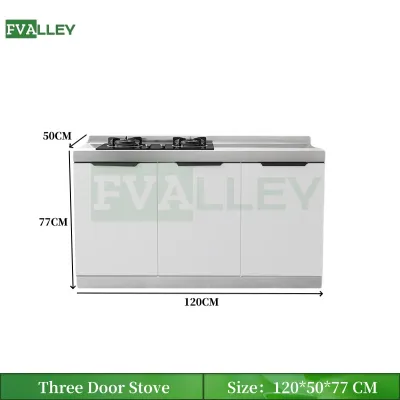
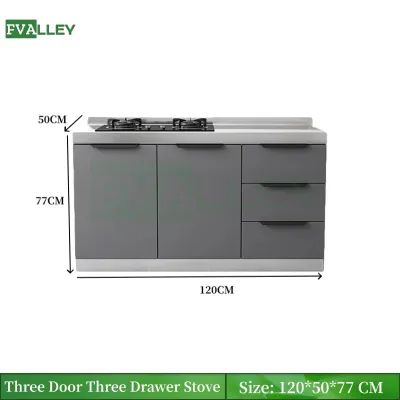
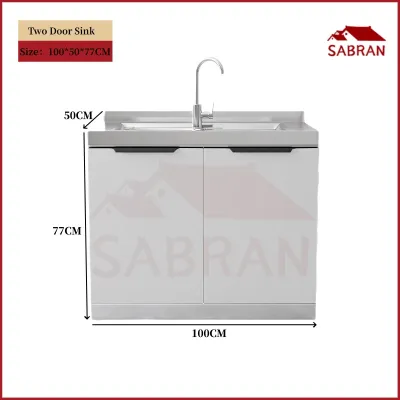
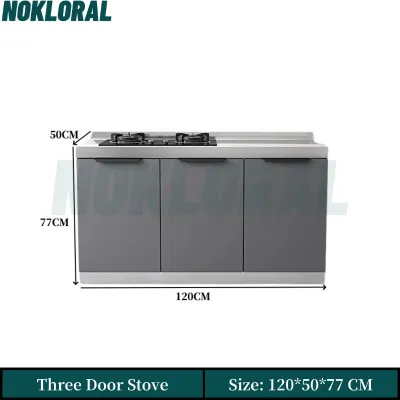
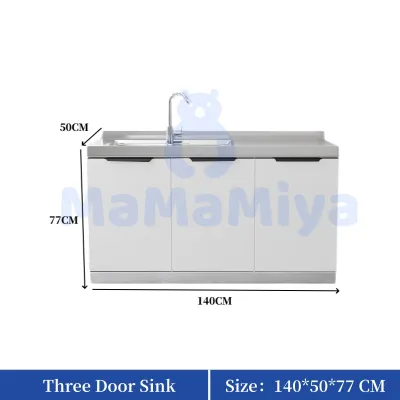
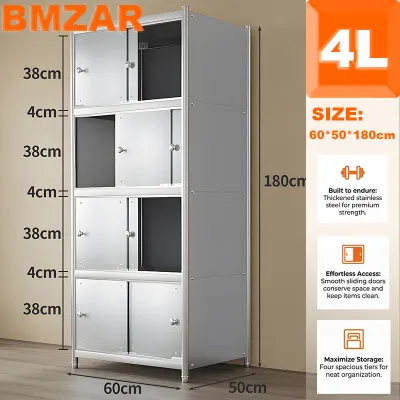
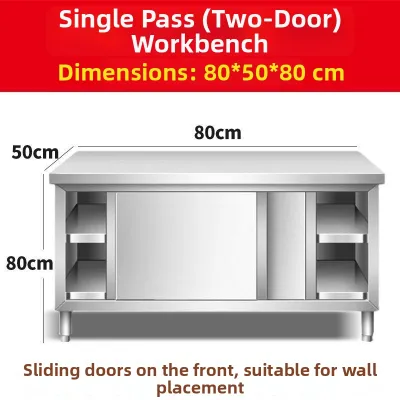
Prices are valid at publication and may change. Please refer to the product page for the latest price.
Filipino culinary traditions often involve high-heat cooking, deep frying, and the preparation of aromatic, oil-rich dishes like adobo, pritong isda, and sinigang. This style of cooking inevitably releases airborne grease, steam, and splatters that settle on nearby surfaces. Cleaning accumulated oil and grime from wooden or laminate surfaces often requires harsh scrubbing that can damage the finish. Stainless steel surfaces allow for effortless cleanup, requiring only a simple wipe-down with mild soap and water to restore their clean, reflective appearance.
Another critical advantage of stainless steel in local households is its natural resistance to pests and pathogens. Wood and MDF cabinets can harbor termites, woodborers, cockroaches, and rodents, which are attracted to dark, damp, and organic environments. Stainless steel provides no organic material for pests to feed on, and its seamless construction leaves no crevices for insects to nest. This non-porous surface also prevents the absorption of food spills, bacteria, and mold, ensuring a highly hygienic environment for storing plates, utensils, and dry food supplies.
Essential Specifications to Verify Before Purchase
When browsing online marketplaces or visiting local home improvement stores, evaluating the technical specifications of stainless steel furniture is crucial to securing a durable product. The first and most important factor to verify is the steel grade. Grade 304 stainless steel is highly regarded for residential and commercial kitchens due to its high chromium and nickel content, which provides superior resistance to corrosion and rust. Grade 201 is a more budget-friendly alternative that offers excellent structural strength but is slightly more susceptible to rust in highly humid or coastal environments.

The thickness of the steel, measured in gauge numbers, directly determines the cabinet’s resistance to dents, bending, and heavy impacts. A lower gauge number indicates thicker steel; for instance, 16-gauge or 18-gauge steel is significantly thicker and more robust than 22-gauge or 24-gauge options. For heavy-duty countertops and main shelves, look for thicker gauges to prevent the surface from bowing under the weight of heavy kitchen appliances. Thinner gauges may suffice for side panels or light-duty drawers, but the primary load-bearing surfaces should always prioritize structural thickness.
Surface finishes also play a significant role in both aesthetics and daily maintenance. A polished or mirror finish offers a bright, reflective look but easily highlights fingerprints, water spots, and minor scratches. A brushed or satin finish is highly recommended for busy kitchens, as its textured pattern naturally diffuses light, making daily wear, smudges, and fine scratches far less noticeable. This finish maintains a clean, professional appearance with minimal upkeep, making it ideal for high-traffic prep areas.
To ensure long-term utility, examine the load-bearing capacity and shelf adjustability of the cabinet. High-quality units should clearly state the maximum weight each shelf can support, allowing you to safely store heavy items like sacks of rice, cast-iron cookware, and large pressure cookers. Adjustable shelving systems are highly beneficial, as they allow you to customize the interior layout to accommodate tall appliances or stacked containers. When comparing options, evaluate the price-to-thickness ratio in ₱ to ensure you are paying for actual material quality rather than superficial design elements.
Condition-Based Recommendations for Different Kitchen Needs
Selecting the right stainless steel cabinet or station depends heavily on your specific kitchen layout, cooking habits, and storage requirements. Before making a purchase, it is essential to analyze how you move through your kitchen and where the bottlenecks in your current workflow occur.
Mobile Cooking Carts for Compact Spaces
For homeowners living in compact condominiums, townhouses, or apartments, floor space is a premium commodity. A mobile cooking cart offers an excellent, space-saving solution that can be rolled into place when preparing meals and tucked away when not in use. These carts typically feature heavy-duty caster wheels with locking mechanisms, allowing you to move the station smoothly across tiled or concrete floors and secure it firmly in place during active prep work.
When selecting a mobile cart, prioritize models that feature multi-tier shelving, integrated spice racks, or side towel bars. These additions maximize vertical storage without expanding the unit’s physical footprint, keeping frequently used ingredients, condiments, and cooking utensils within arm’s reach. A compact cart with a small footprint can easily serve as an extension of your main countertop, a dedicated coffee bar, or a portable prep station for outdoor grilling on the patio.
Freestanding Storage Cabinets for Heavy-Duty Use
If your primary goal is to organize bulky kitchen appliances, large pots, and bulk dry goods, a freestanding storage cabinet is the most suitable choice. These units provide enclosed, secure storage that keeps your kitchen looking neat and clutter-free. When evaluating freestanding cabinets, pay close attention to door clearance and hinge quality, as heavy stainless steel doors require robust, rust-resistant hinges to prevent sagging over time.
Proper ventilation is another critical factor for enclosed stainless steel cabinets, especially in warm and humid climates. Look for models that incorporate ventilation grilles, louvers, or perforated back panels. This design feature allows air to circulate freely inside the cabinet, preventing the buildup of stale air, trapped moisture, and musty odors that can ruin stored dry goods or affect clean dinnerware. Ensure the cabinet’s feet are adjustable to compensate for uneven kitchen floors, maintaining perfect stability.
Prep Stations with Integrated Worktops
For home bakers, culinary enthusiasts, and those who frequently prepare large family meals, a dedicated prep station with an integrated worktop is an invaluable addition. These stations provide a spacious, flat surface designed specifically for food preparation tasks like kneading dough, chopping vegetables, and assembling dishes. The worktop should feature smooth, rounded edges, often referred to as bullnose edges, to prevent accidental scrapes and ensure user comfort during long prep sessions.
To maximize efficiency, look for prep stations that feature a slight overhang on the worktop, which allows you to sweep food scraps directly into a trash bin placed underneath. Integrated accessory hooks, knife slots, and lower wire racks are excellent additions that keep essential prep tools organized and off the main working surface. Ensure the worktop material is rated for food contact and is thick enough to withstand the repetitive impact of chopping and pounding without denting or vibrating.
Maintenance, Cleaning, and Safety Guidelines
While stainless steel is exceptionally durable, maintaining its pristine appearance and structural integrity requires proper care and regular maintenance. For routine cleaning, avoid using abrasive scrubbing pads, steel wool, or harsh chemical cleaners containing chlorine bleach or hydrochloric acid. These substances can scratch the surface and break down the protective chromium oxide layer, leading to localized corrosion. Instead, use a soft microfiber cloth, warm water, and a mild dishwashing liquid to wipe away grease and food residues.
Over time, mineral deposits from hard water can leave unsightly white spots on stainless steel surfaces. To remove these, apply a mild solution of white vinegar and water, wipe gently in the direction of the steel’s brushed grain, and rinse thoroughly with clean water before drying the surface completely with a soft towel. For stubborn grease buildup, a paste made of baking soda and water can be applied and gently rubbed with a non-abrasive sponge, always following the direction of the grain to prevent scratching.
Regularly inspecting the hardware of your stainless steel cabinets and carts is essential for safe operation. Periodically check and tighten all screws, bolts, drawer slides, and door hinges to ensure they remain secure and function smoothly. For mobile units, inspect the caster wheels for accumulated hair, dust, or debris that might impede their rotation, and apply a small amount of silicone-based lubricant to the wheel bearings if they begin to squeak or stiffen.
Safety should always be a primary consideration when loading and moving your kitchen storage units. To prevent tip-over accidents, always place the heaviest items, such as large appliances, sacks of rice, and heavy pots, on the lowest shelves of freestanding cabinets and mobile carts. When moving a loaded mobile cart, push it slowly from the center rather than pulling it from the top to maintain a low center of gravity and prevent tipping. If you have tall, narrow freestanding cabinets, consider anchoring them to the wall using appropriate brackets, especially in households with active children or pets.
Frequently Asked Questions (FAQ)
Does stainless steel completely rust-proof my kitchen storage?
Stainless steel is highly rust-resistant, but it is not entirely rust-proof. Its resistance comes from a thin, invisible layer of chromium oxide on the surface, which protects the underlying steel from oxidation. However, this protective layer can be compromised under certain harsh conditions. Continuous exposure to high humidity, salty air in coastal regions, standing water, and acidic food spills can break down this barrier over time.
To prevent rust from developing, it is crucial to wipe up spills immediately, especially those involving acidic ingredients like vinegar, citrus juices, or tomato sauce. Avoid leaving wet cloths or cast-iron cookware sitting on the stainless steel surface for extended periods. If you notice early signs of surface rust or tiny brown spots, known as pitting, clean the area immediately with a mild abrasive paste of baking soda and water, rinse thoroughly, and dry completely to allow the protective chromium layer to reform.
How do I measure my kitchen for a mobile cooking cart?
Accurately measuring your kitchen space before purchasing a mobile cooking cart is essential to ensure smooth maneuverability and a comfortable workflow. Begin by measuring the available floor space where you plan to store the cart when it is not in use, taking into account the depth, width, and height. Next, measure the width of all doorways, hallways, and narrow passages through which the cart must travel to ensure it can pass through without scraping walls or door frames.
You must also account for the clearance required for existing kitchen elements. Measure the swing space of nearby refrigerator doors, oven doors, and built-in cabinet drawers to ensure the cart will not block their path. Additionally, consider the location of wall outlets if you plan to place small appliances on the cart, ensuring that power cords can reach safely without being stretched or creating a tripping hazard. Finally, verify that the cart’s height aligns comfortably with your existing countertops to maintain an ergonomic working posture.

Community discussion
Share your experience or ask a question. Comments are reviewed before publication.