
Leapify’s internal storage system operates on a highly customizable, modular framework designed to maximize wardrobe efficiency. By utilizing a system of adjustable vertical support uprights or a sturdy structural carcass fitted with pre-drilled adjustment pathways, it allows you to position shelves, drawers, and hanging rods precisely where they are needed.
In the tropical climate of the Philippines, where high humidity can affect how garments are stored, a well-planned internal layout is not just about organization—it is essential for protecting fabrics from mold and ensuring adequate airflow. Understanding how these configurations work helps you design a wardrobe that accommodates everything from delicate formal wear to casual everyday attire, while maximizing every square inch of your bedroom.
How the Leapify Modular Storage System Works
Leapify utilizes a dual-approach engineering design: either a robust outer carcass with internal modular peg matrices, or a track-and-upright system where vertical supports anchor directly to the back panel or wall. This foundation serves as the grid onto which all other components are mounted. The brackets and shelf pins lock securely into these pre-spaced intervals, ensuring that each shelf or rod remains level and stable under load.
Products mentioned in this guide
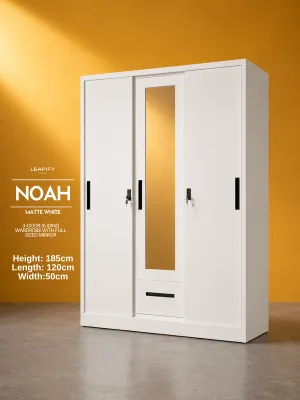
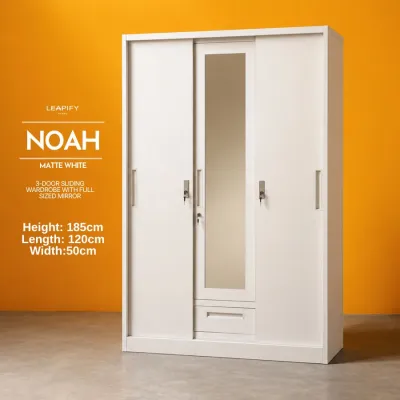
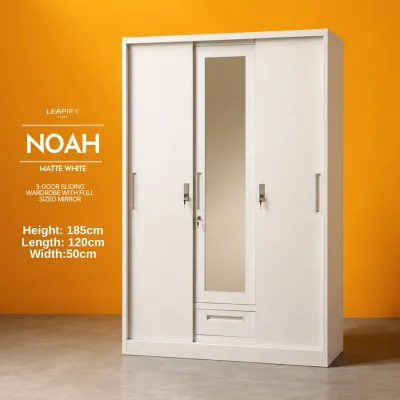
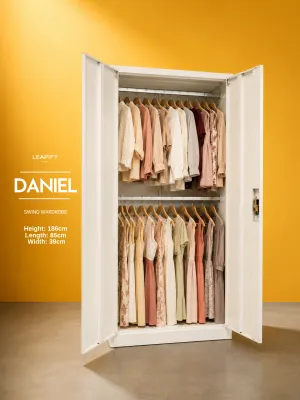
Prices are valid at publication and may change. Please refer to the product page for the latest price.
As your lifestyle changes, your storage needs inevitably evolve. The Leapify system accommodates this transition by allowing you to easily unhook, raise, lower, or completely swap out components. For instance, you can replace a series of shelves with a secondary hanging rod when your collection of office attire grows, or insert pull-out drawers as accessory storage needs change. This modularity extends the lifespan of the furniture, as the wardrobe adapts to your life rather than forcing you to buy new units.
While the system offers exceptional flexibility, maintaining its structural integrity requires strict adherence to the manufacturer’s load-bearing specifications. Adjustable brackets and hanging rails have distinct weight limits that must not be exceeded to prevent bowing, warping, or joint failure. Before adding heavy items like winter coats, dense bedding, or heavy luggage to upper shelves, always verify the maximum capacity of each component in the official product manual.
Key Internal Components for Clothing and Accessories
Hanging Zones
Hanging rods are the backbone of any functional wardrobe, keeping garments wrinkle-free and easily accessible. Leapify offers both single-tier hanging configurations for full-length garments such as maxi dresses, long coats, or traditional barongs, and double-tier setups that double the capacity for shorter items like shirts, skirts, and folded trousers. When planning these zones, it is critical to verify the minimum clearance heights and the weight capacity of the rails in the official Leapify catalog. Overloading a hanging rod can lead to sagging or bracket failure, potentially damaging both the wardrobe structure and your clothing.

Shelving and Folded Storage
Adjustable shelves provide versatile platforms for folded knitwear, t-shirts, handbags, and shoes. Leapify’s shelving units are designed to slide or lock into the vertical support holes, allowing you to customize the height gap between each shelf. To maintain adequate airflow—especially important in humid Philippine homes to prevent musty odors—avoid stacking clothes too tightly against the back panel. Ensure you do not exceed the recommended shelf load, particularly when storing heavy items like leather bags or organized storage boxes.
Drawers and Pull-Outs
Integrated drawers offer concealed storage for undergarments, socks, and activewear, keeping the overall wardrobe appearance neat and clutter-free. For specialized organization, pull-out trouser racks keep pants neatly creased and accessible without taking up valuable hanging rod space. Additionally, shallow accessory trays with felt or padded dividers are available for organizing delicate items such as jewelry, watches, ties, and belts, protecting them from dust and scratches.
Specialty Inserts
To further tailor your wardrobe, Leapify offers specialty inserts such as integrated laundry hampers that slide out of sight, and angled shoe racks that showcase your footwear collection while maximizing vertical space. Because compatibility can vary depending on the specific frame depth and width you choose, always confirm the current availability, dimensions, and frame compatibility of these specialty inserts directly with the manufacturer or authorized retailer before purchasing.
How to Plan and Configure Your Wardrobe Layout
Step 1: Audit Your Inventory
Begin by taking a complete inventory of what you intend to store. Sort your clothing, shoes, and accessories into categories based on how they should be kept—such as items that must hang versus those that can be folded or rolled. Measure the length of your longest hanging garments, including formal dresses or long trousers, to determine the exact vertical clearance your hanging zones will require.
Step 2: Measure the Internal Canvas
Next, calculate the precise internal dimensions of your Leapify frame, focusing on the usable width, height, and depth. Do not rely solely on the external dimensions of the wardrobe shell, as structural uprights, back panels, and door hinges consume internal space. Pay close attention to how sliding or hinged doors operate, ensuring that pull-out drawers or trays will clear the door frame and hinges when fully extended.
Step 3: Zone the Space
Divide your wardrobe into distinct functional zones based on accessibility and frequency of use. Place daily essentials, such as workwear and frequently worn shoes, in the “active zone” at eye and waist level for easy reach. Reserve the bottom sections for heavier items, shoes, or laundry hampers, and utilize the hard-to-reach top shelves for seasonal items, travel bags, or spare linens that are only needed occasionally.
Step 4: Draft the Layout
Sketch your proposed layout, mapping each modular component to its designated zone. When arranging shelves and hanging zones, factor in the need for air circulation to prevent moisture buildup, which is a common issue in tropical environments. Avoid cramming too many components into a single section, as overcrowding can restrict movement, strain the mounting hardware, and make it difficult to find items.
Step 5: Verify Specifications
Before finalizing your order or beginning assembly, cross-reference your drafted layout with Leapify’s official configuration guidelines. Ensure that the combined weight of your planned storage does not exceed the maximum load limits of the frame and vertical supports. Double-check that your chosen combination of drawers, shelves, and rods physically fits within the pre-drilled holes and structural divisions of the specific frame model you have selected.
Verifying Space, Stability, and Installation Requirements
Spatial Constraints
Before purchasing your Leapify system, verify that the physical space in your home can comfortably accommodate the assembled unit. Measure your ceiling height, wall width, and floor area, keeping in mind the clearance required for assembly and the swing path of wardrobe doors. In Philippine homes, particularly high-rise condominiums or older townhouses, it is also essential to measure access routes—such as elevator doors, stairwells, and narrow hallways—to ensure the flat-packed panels can be safely transported to your room.
Structural and Installation Requirements
A stable wardrobe requires a solid, level foundation. Use a spirit level to check your floor; uneven floors can cause the wardrobe frame to twist, preventing doors from aligning and drawers from sliding smoothly. Because tall, top-heavy wardrobes pose a significant tip-over hazard, securely anchoring the unit to the wall is highly recommended. Ensure you use the correct wall anchors and screws suitable for your specific wall material, whether it is concrete, hollow block, or drywall, following the manufacturer’s structural guidelines.
Limitations and Trade-offs
While the Leapify system is highly adaptable, it does have certain structural boundaries. Some configurations may feature fixed center shelves or structural partitions that cannot be moved or removed without compromising the stability of the entire carcass. Additionally, extended-width shelves and rods naturally have lower weight capacities than their narrower counterparts, requiring you to balance your desire for wide, open storage with the practical limits of the hardware.
Next Steps
If you are unsure about any measurements or structural requirements, consult Leapify’s official sizing guides and installation manuals online. For complex or highly customized configurations, contact customer support to verify compatibility, or consider hiring a professional installer. A professional site assessment can help identify potential structural challenges, such as uneven walls or hidden utility lines, ensuring a safe and successful installation.
Frequently Asked Questions (FAQ)
Can I rearrange the internal shelves and rails after installation?
Yes, the Leapify system is designed for ongoing adjustability. To rearrange components, you typically need to empty the shelf or rail, unclip or unscrew the brackets from the vertical support tracks, and reposition them into the desired slots. Always consult the official Leapify user manual for the correct removal and reinstallation procedures to avoid scratching the interior finish or compromising the stability of the unit.
How do I clean and maintain the internal storage components?
To clean the interior surfaces, wipe them down regularly with a soft microfiber cloth slightly dampened with water and a mild, non-abrasive detergent. Avoid using harsh chemical cleaners, bleach, or abrasive scrubbing pads, which can scratch laminates or strip protective coatings from metal parts. Because high humidity can trap moisture inside closed closets, occasionally leave the wardrobe doors open to allow fresh air to circulate and keep the interior dry.
What should I do if a drawer or pull-out rail gets stuck?
If a drawer or pull-out accessory tray becomes difficult to open, first check for any loose clothing, accessories, or debris that might be blocking the tracks. Verify that the wardrobe remains level and that the drawer has not been overloaded beyond its recommended weight capacity. If the sliding mechanism is damaged or requires specialized lubrication, do not force it open; instead, contact Leapify customer support or a qualified technician to inspect and repair the hardware safely.

Community discussion
Share your experience or ask a question. Comments are reviewed before publication.