
Finding the right baby shoes organizer for your nursery closet is more than just an aesthetic choice; it is a practical decision that depends on your physical closet layout, available space, and the size of your child’s footwear collection. With baby shoes ranging from tiny, soft-soled pre-walkers to structured toddler sneakers, the storage system you choose must accommodate rapid growth while keeping items accessible. The three primary formats—hanging, stackable, and door-mounted—each offer distinct advantages depending on your specific storage constraints.
To make the right choice, evaluate your closet’s architecture. A hanging organizer is ideal if you have unused vertical rod space and primarily store lightweight, soft-soled shoes. Stackable bins or racks work best if you have open floor or shelf space and need to store heavier, structured toddler shoes. Meanwhile, a door-mounted organizer is the ultimate solution for narrow closets that lack shelving, allowing you to utilize the valuable dead space behind the door. Before purchasing, it is essential to verify your closet’s dimensions, door clearances, and local environmental factors like humidity to ensure your baby’s shoes remain clean, dry, and easy to reach.
Hanging Organizers: Best for Deep Closets and Soft Soles
Hanging organizers are a popular choice for nursery closets because they make excellent use of vertical space directly beneath the clothing rod. These systems typically feature fabric shelves or pockets that suspend from the rod using heavy-duty hook-and-loop fasteners or metal hooks. When considering a hanging baby shoes organizer, the first step is to evaluate your closet’s vertical clearance. You must measure the distance from the rod to the floor or the nearest shelf below to ensure the organizer hangs freely without bunching up at the bottom or blocking access to lower storage drawers.
Products mentioned in this guide
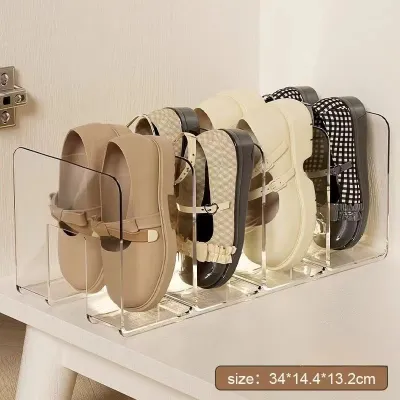
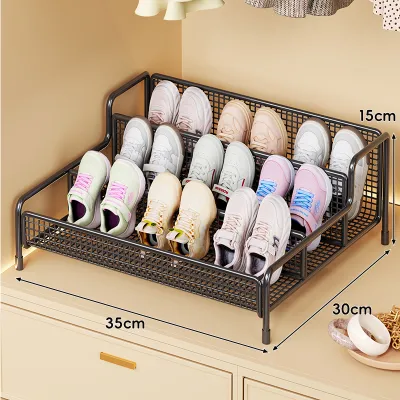
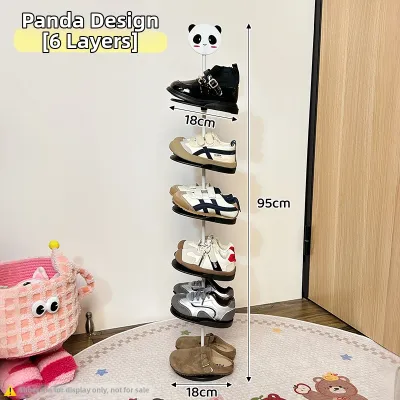
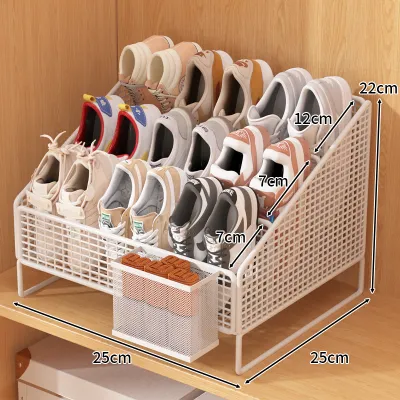
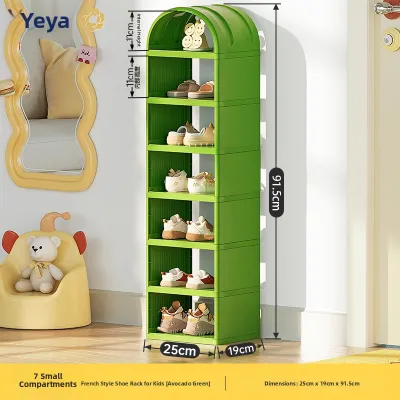
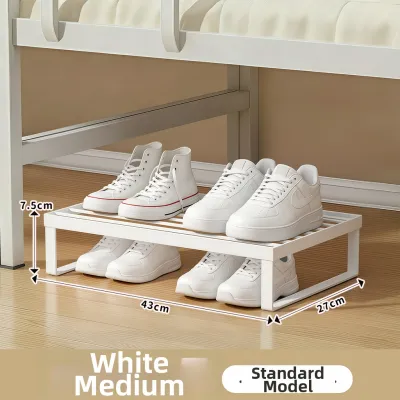
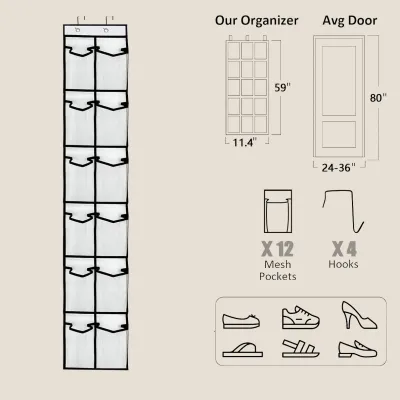
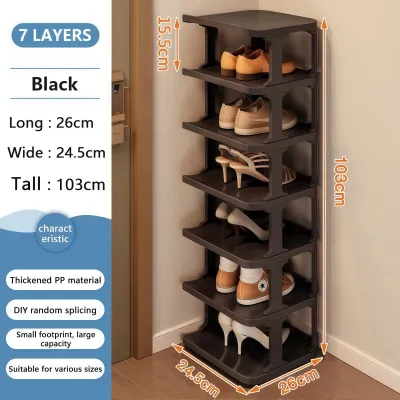
Prices are valid at publication and may change. Please refer to the product page for the latest price.
While hanging systems are highly convenient, they have distinct weight and structural limitations. They are exceptionally well-suited for lightweight footwear, such as fabric booties, soft-soled pre-walkers, and knitted crib shoes. However, as your baby transitions into toddlerhood and begins wearing heavier, structured rubber-soled sneakers, fabric shelves can begin to sag. This sagging pulls the sides of the organizer inward, making it difficult to slide shoes in and out and causing the unit to look untidy.
Ventilation and visibility are major benefits of hanging organizers. Open-front cubbies or mesh pockets allow air to circulate freely around the shoes, which is crucial for preventing musty odors. The open design also allows you to scan the collection at a glance during busy morning routines. However, because the shoes are exposed to the open air, those stored on lower shelves or pairs that are rarely worn may accumulate dust over time. To prevent this, you will need to perform regular dust checks or reserve these open cubbies for everyday footwear.
Before finalizing your purchase, perform a few quick installation checks. Inspect the closet rod itself to ensure it is securely anchored and can support the combined weight of the organizer and the shoes. Additionally, measure the width of the organizer’s hanging straps or hooks to confirm they will fit over your existing closet rod without sliding or binding.
Stackable Organizers: Best for Floor Space and Growing Collections
Stackable organizers, such as modular plastic bins, wooden cubbies, or wire racks, are highly adaptable solutions that grow alongside your child’s footwear collection. These systems are designed to sit on the closet floor, bottom shelves, or even on top of a dresser inside the closet. Because they utilize horizontal surfaces, they are ideal for closets with wide floor footprints or deep shelving units where vertical hanging space might be limited by long-hanging garments.

One of the primary advantages of stackable organizers is their superior durability and structural support. Unlike fabric hanging systems, rigid materials like molded plastic, finished wood, or coated wire can easily support the weight of heavier toddler shoes, winter boots, and structured walking shoes without bending or collapsing. This makes stackable bins an excellent long-term investment that remains functional well into your child’s school years.
However, stackable systems come with accessibility trade-offs that require careful planning. While individual bins with front-opening drop-down doors allow easy access, traditional stackable bins with top lids require you to unstack the entire pile to reach the shoes at the bottom. This can become frustrating during quick diaper changes or outfit transitions. To mitigate this, look for modular drawer-style organizers or open-front stackable bins that allow you to slide shoes out without disturbing the units stacked above.
Adjustability is another critical factor to consider. Baby shoes change size rapidly, and a compartment that fits a newborn bootie will not accommodate a toddler’s high-top sneaker. When selecting a stackable system, prioritize designs with adjustable internal dividers or modular units that can be rearranged. This flexibility ensures you can customize the compartment widths and heights as your child’s feet grow, preventing the need to purchase an entirely new storage system every few months.
Door-Mounted Organizers: Best for Tight Spaces and Quick Access
For compact nurseries or shallow reach-in closets, door-mounted organizers offer an exceptionally efficient way to reclaim lost space. These systems hang over the top of the closet door or mount directly to the door’s interior surface using screws or heavy-duty adhesive. By moving the shoe collection to the door, you free up valuable rod and floor space for clothing, diapers, and larger nursery gear.
Before choosing this style, you must perform precise door clearance checks. Measure the gap between the top of the door and the door frame, as well as the space between the closed door and the interior closet shelves. If the gap at the top is too narrow, over-the-door metal hooks may scrape the paint, damage the frame, or prevent the door from latching shut. You can test this clearance by placing a small coin, such as a ₱5 coin, on top of the door and slowly closing it; if the door binds or scrapes the coin, you may need to consider an alternative mounting method.
Mounting options vary in stability and permanence. Over-the-door hooks require no tools and are highly portable, making them ideal for rental homes, though they can sometimes cause the organizer to swing or clatter when the door is opened quickly. Adhesive mounts offer a cleaner look but must be rated for the weight of the organizer and may damage paint upon removal. For the most secure installation, wall-anchored or door-screwed systems provide absolute stability but require drilling into the door or wall surface.
Weight distribution and depth limitations are also critical for door-mounted systems. To prevent the organizer from warping or putting uneven strain on the door hinges, always place the heaviest toddler shoes in the lowest pockets and keep lightweight booties near the top. Additionally, ensure the pockets are shallow enough that they do not protrude too far into the closet, which could cause them to crush hanging clothes or prevent the closet door from closing completely.
Comparison Matrix: Matching the Organizer to Your Closet
To help you quickly determine which organizer format aligns with your nursery closet setup, refer to the comparison matrix below. This table highlights the ideal layouts, shoe types, and key limitations of each system.
| Organizer Type | Best Closet Layout | Ideal Shoe Type | Key Limitation | Installation Requirement |
|---|---|---|---|---|
| Hanging | Deep closets with ample vertical rod space | Soft-soled booties, pre-walkers, and lightweight fabric shoes | Fabric shelves may sag under heavy toddler shoes; exposes shoes to dust | Hooks or loop fasteners over the closet rod |
| Stackable | Wide closet floors, deep shelves, or under-hanging clothes | Structured toddler sneakers, heavy boots, and hard-soled shoes | Accessing bottom bins can be difficult; requires a larger floor footprint | Freestanding; requires assembly and flat surface placement |
| Door-Mounted | Narrow closets, shallow reach-ins, or rooms with limited shelving | Everyday walkers, light sneakers, and frequently used footwear | Can strain door hinges if overloaded; requires precise door frame clearance | Over-the-door hooks, adhesive strips, or mounting screws |
How to Measure Your Closet and Shoe Collection Before Buying
To avoid the hassle of returns, take precise physical measurements of both your closet and your baby’s shoe collection before making a purchase. Start by measuring the vertical drop of your closet. Use a tape measure to find the exact distance from the top of the closet rod to the floor or the shelf below. If you are planning to buy a hanging organizer, ensure its total length is at least 10 to 15 centimeters shorter than this measurement to prevent the bottom panel from dragging on the floor and collecting dust.
Next, check your door clearances if you are leaning toward a door-mounted system. Open the closet door fully and check the floor sweep to ensure there are no obstructions like thick rugs that could catch on a low-hanging organizer. Measure the depth of the space behind the door when it is fully closed; there should be at least 15 centimeters of clearance between the door face and your hanging clothes to prevent the organizer from compressing your garments.
You should also audit your baby’s current shoe collection and plan for future growth. Count the number of pairs you currently need to store, and add a buffer of at least five to ten pairs to accommodate the rapid size changes of the first two years. Measure the length and width of your baby’s largest shoes. Compare these dimensions to the pocket or cubby measurements listed by the manufacturer to ensure the shoes will fit comfortably without being squeezed or bent out of shape.
Finally, assess environmental factors, particularly if you live in a tropical climate like the Philippines. High humidity and seasonal dampness can quickly lead to mold and mildew growth on leather, canvas, or fabric baby shoes stored in dark, enclosed spaces. If your closet lacks active ventilation, prioritize organizers made from breathable fabrics, open wire, or mesh. Avoid storing damp shoes; always ensure footwear is completely dry before placing it in any organizer, and consider placing child-safe, spill-proof moisture absorbers on the closet floor to protect your investment.
Frequently Asked Questions (FAQ)
Can I use a regular adult shoe organizer for baby shoes?
While it is tempting to repurpose an adult shoe organizer, these systems are rarely suitable for tiny baby footwear. Adult pocket organizers typically feature deep, wide slots designed for larger shoes, which can cause small baby booties to slip entirely out of sight or get lost at the bottom of the pocket. Additionally, adult shoe racks often have wide gaps between wire slats or wooden bars, allowing small baby shoes to fall through to the floor. The physical footprint of an adult organizer can also overwhelm a compact nursery closet. If you do choose to repurpose an adult system, verify that the pocket dimensions are shallow enough for easy access and that wire shelves are lined with solid inserts.
How do I keep baby shoes from getting moldy in the closet?
Preventing mold in a nursery closet requires a combination of proper preparation and smart material choices, especially in humid tropical regions. Never store baby shoes when they are damp from outdoor play, rain, or washing; allow them to air-dry completely in a well-ventilated room before putting them away. When selecting an organizer, choose open-mesh hanging systems or wire stackable racks that promote continuous airflow over sealed plastic bins. If you must use plastic bins, leave the lids slightly ajar or choose models with built-in ventilation holes. Regularly inspect the closet walls for signs of dampness, and place child-safe moisture-absorbing packets out of your child’s reach to keep the air dry.
Are clear plastic stackable bins better than fabric hanging organizers?
The choice between clear plastic stackable bins and fabric hanging organizers depends entirely on your primary storage constraints. Clear plastic bins offer excellent dust protection, superior structural support for heavy toddler shoes, and easy visual identification without needing to open each container. However, they require flat floor or shelf space and can be heavy to move. Fabric hanging organizers, on the other hand, are lightweight, save valuable floor space, and present no risk of scratching closet interiors or injuring a toddler if a unit is accidentally pulled down. If floor space is limited, choose a hanging fabric organizer; if you need to store heavy, structured shoes and protect them from dust, opt for stackable plastic bins.

Community discussion
Share your experience or ask a question. Comments are reviewed before publication.