
Finding the right storage system for your footwear is more than just an aesthetic choice; it is a practical decision that directly impacts the lifespan of your shoes and the daily functionality of your home. In tropical climates like the Philippines, where high humidity, sudden downpours, and dust are constant challenges, how you store your shoes matters immensely. The ideal shoe organizer for your space depends entirely on your closet’s physical layout, your floor clearance, and the weight of your footwear. There is no single universal winner. Hanging pockets excel in tight rental spaces for lightweight shoes, stackable cubes offer modular dust protection for growing collections, and freestanding racks provide the most stable, accessible storage for heavy boots and daily wear. By measuring your available space and categorizing your shoes, you can match the right system to your specific configuration.
Assessing Your Closet Space and Shoe Collection
Before purchasing any storage system, you must conduct a thorough assessment of your physical closet space. Start by measuring the door swing radius of your closet doors to ensure that any over-the-door addition will not scrape against adjacent walls or furniture. Next, measure the available floor footprint, taking note of baseboards or floor trim that might prevent a freestanding unit from sitting flush against the wall. Finally, evaluate the vertical hanging space from your closet rod to the floor, as this determines the maximum length of any hanging organizer you can install without dragging.
Equally important is categorizing your footwear collection by weight, height, and frequency of use. Lightweight items such as slippers, sandals, and canvas sneakers require far less structural support than heavy leather work boots, structured heels, or thick-soled running shoes. Group your shoes into daily-use items, which need to be highly accessible, and seasonal or formal wear, which can be stored in less accessible areas.
Products mentioned in this guide
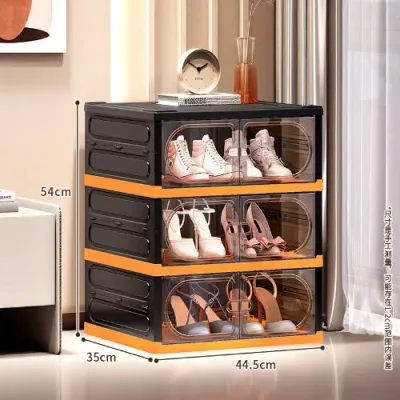
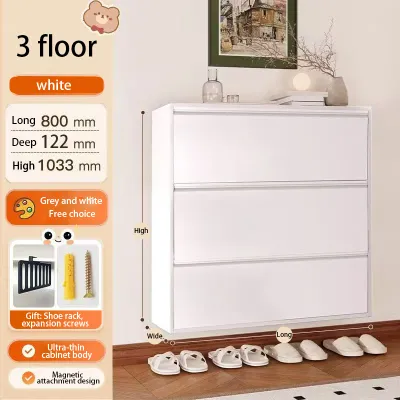
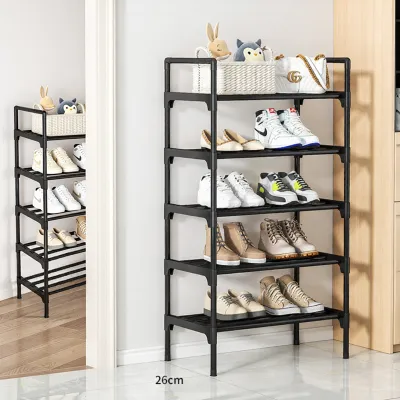
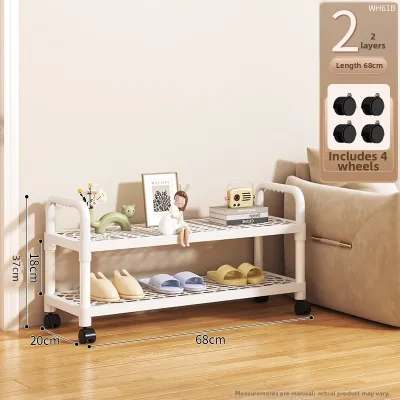
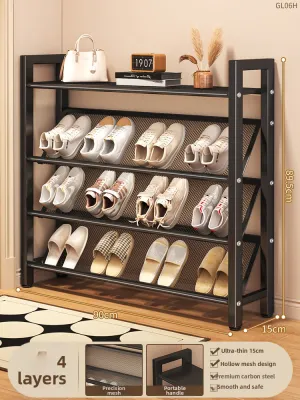
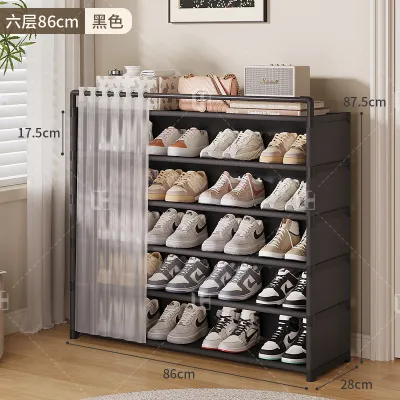
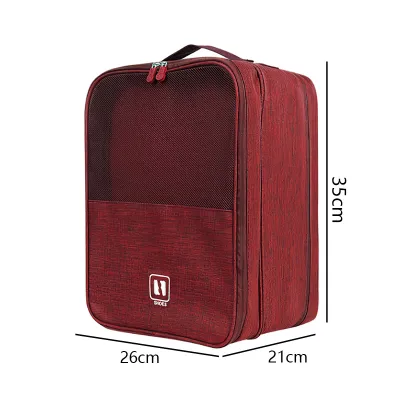
Prices are valid at publication and may change. Please refer to the product page for the latest price.
Lastly, evaluate your closet’s environmental conditions, particularly ventilation and dust exposure. In humid regions, enclosed closets with poor airflow can quickly become breeding grounds for mold and mildew on leather shoes. Note the depth of your existing shelving, as shallow shelves may not fully accommodate larger shoe sizes or bulky stackable boxes, leaving them protruding into your walking path.
Hanging Organizers: Maximizing Vertical Space for Light Footwear
Hanging organizers, whether designed to drape over a door or suspend from a closet rod, are highly efficient solutions for maximizing unused vertical space. These systems are particularly ideal for narrow closets, studio apartments, and rental spaces where drilling holes into walls or doors is restricted. They allow you to utilize the vertical plane without sacrificing valuable floor space, making them a favorite for compact urban living.

However, hanging systems perform best when restricted to lightweight footwear. Canvas sneakers, flat sandals, flip-flops, and soft slip-ons fit easily into fabric or plastic pockets without stretching the material or straining the support hooks. Heavy boots, structured high heels, and bulky platform shoes are poorly suited for hanging organizers, as their weight can cause the pockets to sag, warp, or tear over time.
Before choosing a hanging model, perform a few critical physical checks on your closet setup. Verify the thickness of your closet door to ensure the over-the-door hooks will fit snugly without preventing the door from closing completely. Check the strength of your door hinges and closet rods, as a fully loaded hanging organizer can add significant weight to these components. Finally, measure the individual pocket dimensions against your largest pair of shoes to ensure they will slide in and out without forcing.
Stackable Cubes: Modular and Dust-Free Storage for Growing Collections
Stackable cubes and clear plastic shoe boxes offer a highly customizable, modular approach to shoe storage. This system is exceptionally well-suited for deep closet shelves, walk-in closets, and collectors who want to protect delicate or expensive footwear from dust, pests, and ambient moisture. Because you can add cubes individually, this setup easily scales alongside a growing shoe collection without requiring you to replace your entire storage system.
Despite their versatility, stackable systems have distinct physical limitations that require careful planning. They must be stacked on a perfectly level, stable surface to prevent the entire column from leaning or tipping over. Stackable cubes also consume significant shelf or floor depth, which can restrict movement in shallower closets. Furthermore, if you select opaque or semi-translucent materials, you may find it difficult to quickly locate specific pairs without opening multiple boxes.
To ensure a successful installation, confirm the weight limits of your closet shelves before stacking multiple loaded cubes on them. Measure the interior dimensions of the cubes to verify they can accommodate your largest or tallest shoes, such as high-top sneakers or ankle boots, without bending the shoe collars. Additionally, inspect the interlocking mechanisms of the cubes to ensure they connect securely and will not slide apart when you open or close the individual doors.
Freestanding Racks: Floor Storage for Heavy and Everyday Footwear
For households prioritizing quick daily access and robust structural support, freestanding racks remain the traditional and highly reliable choice. Whether you are looking for a standard wooden frame or searching for a sturdy shoe rocks organizer to handle heavy footwear, these floor-based units excel at holding heavy work boots, leather dress shoes, and thick-soled athletic sneakers. They provide a stable platform that distributes weight evenly across the floor rather than placing stress on doors or closet rods.
The primary trade-off with freestanding racks is their physical footprint. They consume valuable floor space, which can quickly make a small closet feel cramped or cluttered. If a rack is overcrowded or placed in a high-traffic walkway, it can easily become a tripping hazard. Additionally, because most freestanding racks feature open shelves, they offer minimal protection against dust accumulation, meaning shoes stored on them for long periods may require regular cleaning.
When shopping for a freestanding rack, start by measuring the exact base footprint of the area where you plan to place it, ensuring it does not block drawers or low-hanging clothes. Check the vertical clearance between the tiers to confirm that your taller boots or high heels will fit comfortably without being crushed. Finally, assess the overall stability of the frame, looking for models with adjustable leveling feet or wall-anchoring hardware to prevent wobbling on uneven floors.
Decision Framework: Matching Your Closet Setup to the Right Organizer
To finalize your choice, match your specific spatial constraints and lifestyle habits against this clear decision framework:
- Choose a Hanging Organizer if: You live in a rental property with strict drilling rules, have extremely limited floor space, primarily wear lightweight shoes like sandals and flats, and have sturdy closet doors or rods that can support suspended weight.
- Choose Stackable Cubes if: You own delicate, high-value, or seasonal footwear that needs protection from dust and humidity, have deep closet shelves or a dedicated corner of a walk-in closet, and want a modular system that can expand as your collection grows.
- Choose a Freestanding Rack if: You need quick, open access to your daily footwear, store heavy or bulky shoes like boots and thick sneakers, have ample floor space at the bottom of your closet, and want a highly stable, long-term storage solution.
- Verify First if: You are dealing with heavy solid-wood doors that might warp under hanging loads, glass closet doors that cannot support over-the-door hooks, or unusually large shoe sizes that require specialized, extra-deep compartments.
Installation and Safety Checks Before You Load Your Organizer
Before you begin loading your shoes into your new organizer, you must perform several safety and compatibility verifications to prevent damage to your home or injuries to your household. For hanging systems, inspect your door hinges and closet rods to ensure they are securely fastened and capable of bearing the additional weight of a fully loaded organizer. If you are mounting a hanging system directly to a wall, always use appropriate wall anchors rather than relying on simple screws in drywall or plaster.
For freestanding racks and stackable cubes, ensuring a level foundation is critical to maintaining structural integrity. If you live in a household with active children or pets, freestanding racks and tall columns of stackable cubes present a serious tip-over hazard. Always secure tall or heavy organizers to the wall using anti-tip straps or brackets, and place the heaviest footwear on the bottom shelves or lowest cubes to keep the center of gravity as low as possible.
Always consult the manufacturer’s instructions for specific weight capacities, maximum safe stacking heights, and assembly requirements. Never exceed the recommended weight limits, as overloading can lead to sudden structural failure, damaged footwear, or warped closet fixtures. Regularly inspect the joints, hooks, and interlocking connectors of your organizer to ensure they remain tight and secure over time.
Frequently Asked Questions (FAQ)
Can I mix different shoe organizers in the same closet?
Yes, mixing different organizer types is an excellent way to maximize closet efficiency by zoning your storage based on shoe weight and usage frequency. You can place a sturdy freestanding rack on the closet floor to hold your heavy, daily-wear shoes and boots for quick access. Meanwhile, you can hang a pocket organizer on the inside of the closet door for lightweight sandals and slippers, and place stackable cubes on high shelves to protect seasonal or formal shoes from dust.
How do I prevent odors in enclosed stackable shoe boxes?
To prevent odors and mold growth in enclosed stackable boxes, always ensure your shoes are completely dry and clean before storing them. In humid climates, placing silica gel packets, activated charcoal inserts, or small moisture-absorbing sachets inside each cube can help control ambient humidity. Additionally, choose stackable cubes that feature built-in ventilation holes to promote continuous airflow, and periodically open the closet doors to let the entire storage area air out.

Community discussion
Share your experience or ask a question. Comments are reviewed before publication.