
Selecting the right headboard size is essential for creating a cohesive, comfortable, and functional bedroom. A mismatch between your headboard and bed frame can lead to unsightly gaps, blocked electrical outlets, or pillows sliding behind the mattress. To make an informed decision, you must look beyond generic size labels and focus on the physical dimensions of your bed frame, mattress, and room layout. By measuring width, height, and depth, you can choose a headboard that provides comfortable support and complements your bedroom’s proportions.
Quick Guide: How Headboard Dimensions Relate to Bed Sizes
Standard terms like “single,” “double,” and “queen” are helpful starting points, but they are not universal measurements. In the Philippines, bed frame dimensions vary significantly depending on whether the manufacturer follows local, Asian, European, or American sizing standards. For example, a local single bed frame might measure 36 inches wide, while an imported single frame could be 39 inches wide. Because of these discrepancies, relying solely on a size name can lead to serious alignment issues during assembly.
To ensure a perfect fit, you must verify three critical specifications: width, height, and depth. The width determines how the headboard aligns with your bed frame and accommodates your bedding. The height dictates visual proportion and back support, while the depth affects the physical footprint and walkway clearance in your room. Always measure your specific bed frame with a physical tape measure and check the manufacturer’s exact product specifications rather than assuming a standard fit.
Products mentioned in this guide
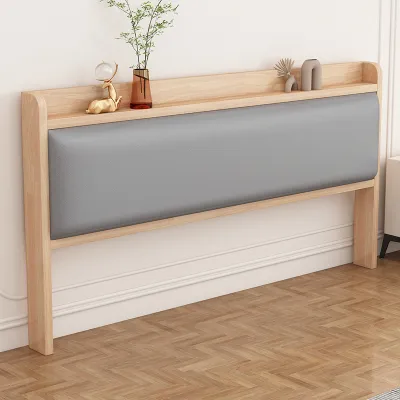

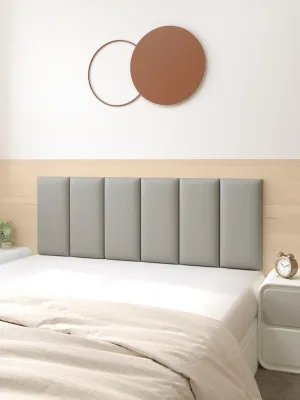
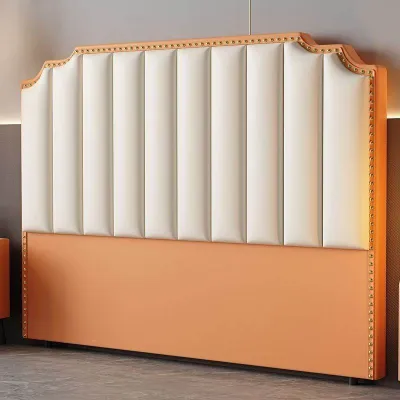

Prices are valid at publication and may change. Please refer to the product page for the latest price.
Width Specifications: Aligning with Your Bed Frame and Bedding
To choose the correct headboard width, start by measuring the exact outer width of your current bed frame. Do not simply measure the mattress, as many wooden or upholstered bed frames have side rails or decorative trim that add several centimeters to the overall width. A headboard that matches the outer width of your bed frame creates a clean, streamlined, and built-in aesthetic. This seamless alignment is ideal for minimalist bedrooms or compact spaces where every centimeter counts.

Alternatively, selecting a headboard that is slightly wider than your bed frame—typically 2 to 4 inches (5 to 10 cm) on each side—can enhance the visual presence of your bed. This extra width frames the bed beautifully and accommodates thick, plush duvets or comforters without making the headboard look disproportionately narrow. It also helps prevent pillows from slipping off the sides of the bed during the night.
However, you must balance this aesthetic choice with the practical layout of your room. In many Philippine homes, especially urban condominiums and townhouses, bedroom floor space is limited. A wider headboard can easily overlap wall-mounted light switches, block electrical outlets, or prevent bedside tables from sitting flush against the wall. Before choosing a wider model, map out the exact positions of your wall fixtures and ensure the headboard will not obstruct them or compromise electrical safety.
Height Specifications: Balancing Proportions and Mattress Thickness
The height of your headboard plays a dual role in visual design and physical comfort. When calculating the ideal height, you must account for your mattress thickness, including any added mattress toppers or thick bedding. A high-profile mattress covers the lower portion of the headboard, which reduces the visible design area. To find the actual visible height, subtract the height of your bed base and mattress from the total height of the headboard.
If you frequently sit up in bed to read, use a tablet, or watch television, functional height is a major consideration. Your headboard should offer comfortable back and head support above your pillows, which generally requires a visible height of 20 to 28 inches (50 to 71 cm) above the mattress surface. This prevents your head from resting directly against a hard, cold wall and protects your wall paint from oils and friction.
From a visual perspective, the headboard height should harmonize with your room’s architecture. Tall headboards draw the eye upward, making them excellent statement pieces in spacious rooms with high ceilings. In contrast, low-profile headboards work best in compact rooms, under low windows, or in spaces with sloped ceilings. Always measure the vertical clearance from your bed base to any wall-mounted air conditioning units, ceiling fans, or decorative wall lights to avoid physical interference.
Depth and Thickness: Managing Room Clearance and Walkways
The depth or thickness of your headboard directly impacts your bedroom’s usable floor space and traffic flow. Heavy, deeply tufted, or upholstered headboards can measure anywhere from 4 to 8 inches (10 to 20 cm) in depth. This thickness pushes your entire bed frame further into the room, which can restrict walkways at the foot of the bed or block adjacent wardrobe doors and dresser drawers from opening fully.
If you are furnishing a smaller bedroom, slim wooden panels or metal spindle headboards are highly efficient alternatives. These designs typically measure less than 2 inches (5 cm) in depth, keeping the bed frame as close to the wall as possible. Wall-mounted headboards are another space-saving option, as they mount flat against the wall and eliminate the need for bulky frame attachment hardware.
In the tropical climate of the Philippines, material choice and thickness also affect maintenance. Thick upholstered headboards can trap moisture and dust, making them susceptible to mold or mildew in high-humidity environments. If you choose an upholstered design, ensure your bedroom is well-ventilated and check the manufacturer’s care instructions for regular cleaning and moisture prevention. Slim wood or metal headboards are often easier to wipe down and maintain in humid conditions.
Pre-Purchase Verification and Installation Checks
Before making your final purchase, verify that the headboard’s attachment mechanism is compatible with your bed frame. Most headboards are either bed-mounted, wall-mounted, or freestanding. Bed-mounted models use wooden struts or metal brackets that bolt directly into pre-drilled holes on your bed frame. Check that the spacing of these holes matches the headboard’s mounting hardware to avoid the need for custom drilling or adapter plates.
If you select a wall-mounted headboard, you must evaluate your wall’s construction and load capacity. Solid concrete, hollow block, or masonry walls—common in Philippine residential construction—require masonry drill bits and heavy-duty wall anchors (such as plastic tox or expansion bolts) to secure the weight safely. Drywall installations require locating wooden or metal studs and using appropriate toggle bolts. If you are uncertain about the structural integrity of your wall, consult a qualified local carpenter or handyman to handle the installation.
Finally, plan the delivery route from your home’s entrance to the bedroom. Measure the width and height of all doorways, narrow hallways, staircase turns, and condominium service elevators. Large, rigid, one-piece headboards—especially queen-size models—can be incredibly difficult to maneuver through tight spaces. Verifying these clearances beforehand ensures a smooth delivery and prevents damage to your new furniture and your home’s walls.
Frequently Asked Questions (FAQ)
Can I use a queen headboard on a double bed?
Yes, it is physically possible to use a queen-size headboard with a double bed, particularly if you choose a wall-mounted design. However, because a queen headboard is wider than a double mattress, it will overhang by several inches on each side. Before proceeding, measure your space to ensure this overhang does not block bedside tables, cover light switches, or look disproportionately large in your room.
Does the mattress thickness affect the visible headboard height?
Yes, mattress thickness directly impacts how much of your headboard remains visible. A thick mattress or a plush mattress topper will cover the lower section of the headboard, reducing both its visual impact and the functional support height. To ensure adequate back support and aesthetic balance, measure from the top of your mattress to your desired height before selecting a headboard.

Community discussion
Share your experience or ask a question. Comments are reviewed before publication.