
Finding a reliable heavy duty ergonomic chair within a ₱3,000 to ₱15,000 budget in the Philippines requires looking past marketing labels to verify actual structural integrity. In a market filled with generic office furniture, identifying a chair that can safely support heavier loads over long working hours is essential for both physical comfort and personal safety. Because specific models and prices fluctuate constantly, the most reliable way to shop is by using a clear decision-making framework based on component specifications, material standards, and safety certifications.
When shopping within this price range, you must balance your ergonomic needs with the physical realities of your workspace. A heavy duty chair is only effective if it fits your body, matches your desk height, and can be easily maneuvered through your doorways and hallways. By focusing on verifiable structural features rather than aesthetic trends, you can secure a durable seating solution that withstands the challenges of daily use in tropical conditions.
Identifying True Heavy Duty Structural Features
To identify a genuine heavy duty ergonomic chair, you must look closely at the individual components that bear the user’s weight. The most critical component is the gas lift cylinder, which acts as the primary support pillar for the entire chair. For heavy duty performance, you should verify that the chair utilizes a Class 4 gas lift cylinder. Class 4 cylinders feature thicker steel walls and superior sealing mechanisms compared to lower classes, allowing them to safely support heavier loads—typically up to 150 kilograms or more—without gradual sinking or sudden failure.
Products mentioned in this guide
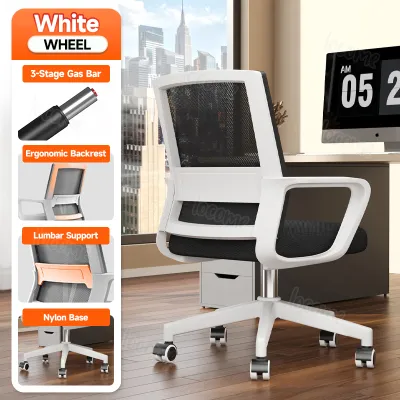
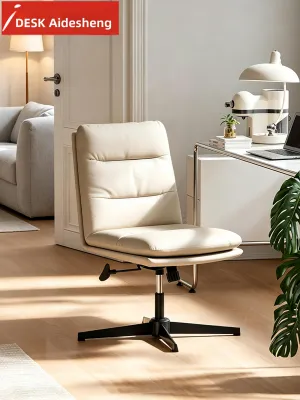
Prices are valid at publication and may change. Please refer to the product page for the latest price.
The base and frame materials are equally vital for maintaining stability and preventing structural failure under load. While standard office chairs often use lightweight nylon or thin plastic bases, heavy duty chairs require reinforced materials. Look for bases constructed from heavy-duty steel, die-cast aluminum alloy, or high-grade reinforced nylon with internal structural ribbing. In the humid climate of the Philippines, metal bases must have high-quality finishes, such as chrome plating or thick powder coating, to protect the underlying metal from moisture-induced rust and corrosion over time.
The construction of the seat pan determines both immediate comfort and long-term durability. If you prefer a foam seat, look for high-density molded foam rather than cheap cut foam. Molded foam retains its shape and supportive properties far longer, preventing the uncomfortable bottoming out effect where you feel the hard wooden or plastic platform beneath the cushion. If you opt for a mesh seat, ensure the mesh is made of high-tensile elastomeric material tightly woven and securely anchored to a rigid, thick-walled polymer or metal frame to prevent sagging and frame warping.
Prioritizing Features Across Your ₱3,000–₱15,000 Budget
Navigating the ₱3,000 to ₱15,000 price range requires understanding what features are realistic at each price point. By categorizing your options into three distinct budget tiers, you can manage your expectations and focus on the most critical structural components first.

₱3,000–₱6,000 (Entry-Level)
In the entry-level tier, your primary focus must be strictly on basic weight support and gas lift safety. At this price point, you should expect simpler designs with fixed armrests, basic upright tilt-lock mechanisms, and nylon frames. Do not sacrifice structural safety for extra adjustment features; instead, prioritize finding a chair that explicitly specifies a Class 3 or Class 4 gas lift and a reinforced base. Ensure the seat cushion uses reasonably dense foam, as cheap mesh seats in this price bracket are highly prone to premature sagging.
₱6,000–₱10,000 (Mid-Range)
As you move into the mid-range tier, you can expect a significant upgrade in both adjustability and material quality. Chairs in this bracket often feature upgraded tilt mechanisms, such as synchro-tilt, which allows the backrest to recline at a different ratio than the seat pan for better ergonomic support. You will also find adjustable armrests (typically 2D or 3D adjustments for height and angle) and more durable upholstery options, including reinforced high-tensile mesh. Metal bases, such as chrome-plated steel or aluminum, become more common in this range, offering superior stability and rust resistance.
₱10,000–₱15,000 (Upper-Mid)
In the upper-mid tier, you are investing in comprehensive ergonomic adjustments, premium materials, and extended durability. These chairs typically offer multi-dimensional adjustments, including seat depth sliding, adjustable lumbar support tension, and 3D or 4D armrests. The structural frames are often reinforced with aluminum alloy elements, and the mesh or foam used is of a much higher grade, designed to resist deformation over years of heavy use. Furthermore, manufacturers in this price range are more likely to offer extended warranties on moving parts, providing peace of mind for your investment.
Verifying Safety and Durability Before Checkout
Before finalizing your purchase, it is crucial to perform a thorough verification process to ensure the chair meets its heavy duty claims. Start by checking the manufacturer’s stated maximum weight capacity and looking for visible testing certifications. Reputable heavy duty chairs are often tested against international standards, such as BIFMA (Bifma X5.1 for general office chairs) or SGS. These certifications indicate that the chair’s components, including the gas cylinder, base, and casters, have undergone rigorous dynamic and static load testing.
Next, carefully review the warranty terms provided by the seller or manufacturer. A genuine heavy duty chair should come with a clear warranty that covers critical structural components—specifically the gas lift cylinder, the tilt mechanism, and the base—for a reasonable period, ideally at least one to three years. Be wary of warranties that only cover manufacturer defects upon arrival but exclude normal wear and tear on moving parts, as these parts are the most likely to fail under heavy daily use.
Finally, calculate the total landed cost of the chair before checking out. Heavy duty chairs are inherently heavy, often weighing between 15 to 25 kilograms, which can result in substantial shipping fees when ordering online in the Philippines, especially for deliveries outside Metro Manila. Additionally, verify the assembly requirements; check if the necessary tools and clear instructions are included, or if the seller offers pre-assembled delivery options. Understanding the return shipping policies is also essential, as returning a bulky, heavy item can be incredibly difficult and expensive if the chair does not fit your workspace.
Spotting Red Flags and Quality Traps
When shopping for a heavy duty chair, being able to spot common quality traps can save you from safety hazards and wasted money. The first major red flag is an unbranded or uncertified gas lift cylinder. If the product description or the physical cylinder itself lacks visible safety stamps, class markings, or manufacturer branding, it is highly likely a low-grade component that may fail prematurely or pose a safety risk under heavy loads.
Another common trap is the combination of a plastic five-star base with an exceptionally high weight capacity claim. Some sellers claim their chairs can support 150 kilograms or more while equipping them with cheap, unreinforced plastic bases. Under heavy loads, these plastic bases are highly susceptible to cracking at the caster sockets or the central cylinder collar, which can lead to sudden tipping and potential injury. Always look for steel, aluminum, or heavily reinforced nylon bases when buying for heavy duty needs.
Lastly, watch out for vague or highly restrictive warranty policies. Some retailers advertise long warranty periods but hide clauses in the fine print that exclude the very components that define a heavy duty chair, such as the gas cylinder, the casters, or the reclining mechanism. If a warranty only covers the fabric or the plastic frame shell while ignoring the mechanical parts, it is a strong indicator that the manufacturer lacks confidence in the chair’s long-term durability under heavy use.
Frequently Asked Questions (FAQ)
How long should a heavy duty ergonomic chair last?
A well-constructed heavy duty ergonomic chair should realistically last between five to ten years under normal daily use, provided it is maintained properly. The actual lifespan depends heavily on the quality of the structural components, such as the gas lift and the base, as well as the environment in which it is used. In the Philippines, high humidity and ambient heat can accelerate the wear of foam cushions and synthetic leather upholstery, making regular cleaning and ventilation essential. Physical signs of wear, such as a sinking gas lift, cracking base joints, or severely compressed seat foam that no longer rebounds, are clear indicators that the chair has reached the end of its safe operational life and needs to be replaced.
Is a mesh seat better than high-density foam for heavy-duty use?
Both mesh and high-density foam have distinct trade-offs when it comes to heavy duty use, and the best choice depends on your specific priorities. Mesh seats offer excellent breathability, which is highly beneficial in the hot and humid Philippine climate, preventing sweat buildup during long working hours. However, low-quality mesh can sag over time under heavy loads, causing the user to sink and press against the hard plastic frame underneath. High-density molded foam provides more consistent, robust support and distributes weight more evenly, but it can retain body heat and may eventually compress after years of continuous use. When choosing mesh, ensure it is a high-tensile, multi-layered weave with a robust frame; when choosing foam, verify that it is high-density molded foam with a breathable fabric cover.

Community discussion
Share your experience or ask a question. Comments are reviewed before publication.