
Maximizing limited floor space in a compact bedroom or condominium unit requires furniture that is both highly functional and structurally uncompromising. In the Philippines, where urban living spaces are increasingly compact, a heavy duty metal folding bed serves as an excellent solution for accommodating overnight guests, setting up a flexible home office, or optimizing a studio apartment. However, selecting a frame that can withstand daily use without sagging, squeaking, or deteriorating under tropical conditions requires a careful evaluation of specific engineering details.
Because physical showrooms may not always display every available folding model, buyers must learn how to interpret product specifications, verify structural integrity, and measure spatial clearances with absolute precision. This guide establishes a practical, step-by-step framework to help you identify a durable, space-saving metal folding bed that aligns perfectly with your home’s layout and long-term performance expectations.
Core Durability and Material Checks
The primary indicator of a folding bed’s longevity is the quality of its metal frame. When evaluating candidates, start by verifying the manufacturer’s stated weight capacity. It is crucial to determine whether this rating represents static weight (the load the bed can hold when completely still) or dynamic weight (the force applied when a person sits down, rolls over, or gets into bed). A truly heavy-duty frame should explicitly state a capacity that comfortably exceeds the combined weight of the heaviest intended sleeper and the mattress itself. Many standard folding beds are rated only for light, occasional use, so looking for frames that specify reinforced steel construction is a necessary first step.
Products mentioned in this guide
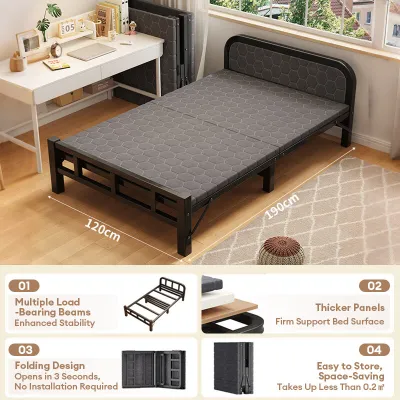
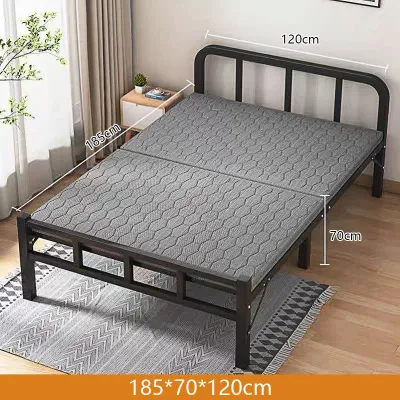
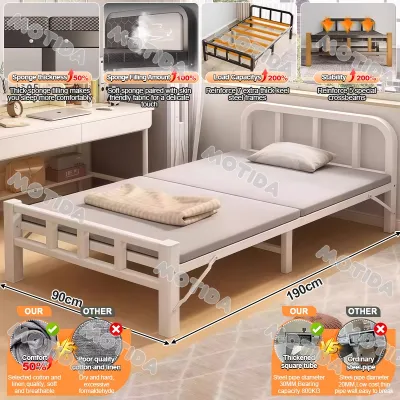
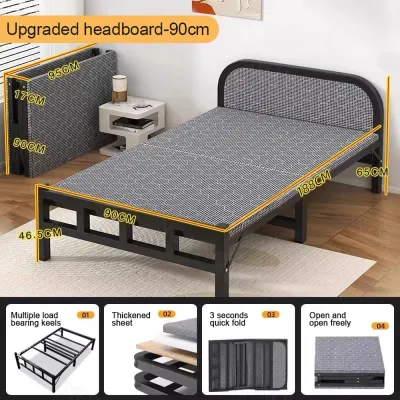
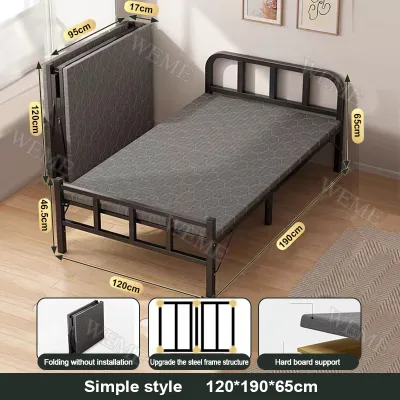
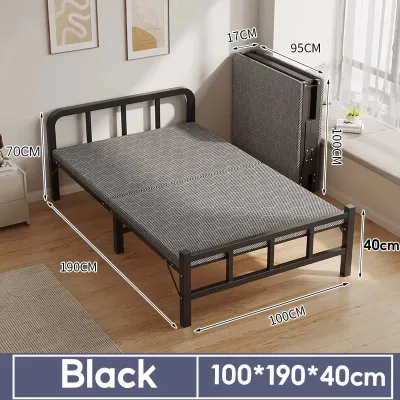
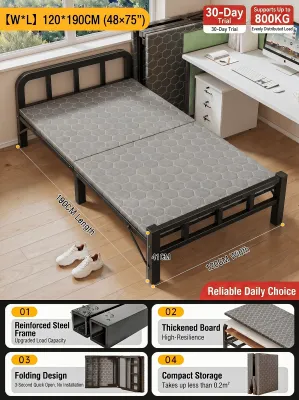
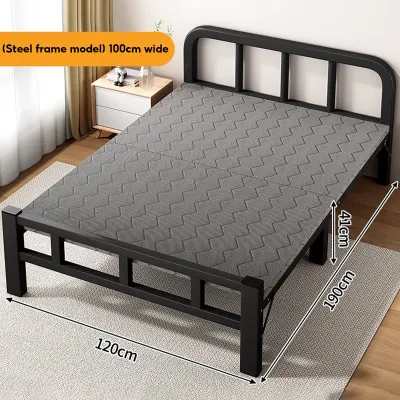
Prices are valid at publication and may change. Please refer to the product page for the latest price.
Next, examine the specifications of the metal tubing used in the frame. Look for product descriptions that detail the cross-sectional shape and wall thickness of the steel. Square or rectangular steel tubing generally offers superior resistance to bending and twisting compared to round tubing of the same thickness. While manufacturers do not always list the exact gauge of the steel, you can look for indicators such as the total shipping weight of the frame; a heavier frame often points to thicker, more robust steel walls rather than thin, hollow tubes that are prone to denting.
The structural integrity of a metal bed frame is only as strong as its joints. Inspect the connection points in product diagrams or high-resolution images, prioritizing reinforced welding over simple friction fits or thin rivets. Heavy-duty bolted joints, particularly those utilizing locknuts or nylon washers, are highly desirable because they distribute stress more evenly and can be retightened if they loosen over time. Riveted joints, while common in lightweight budget models, tend to develop play over months of folding and unfolding, leading to structural instability and persistent squeaking.
Finally, consider the environmental conditions of your living space. The tropical climate of the Philippines, characterized by high relative humidity and salt-laden air in coastal areas, can rapidly accelerate the oxidation of untreated metal. Ensure the product description specifies a high-quality surface treatment, such as an electrostatic powder coating or a rust-resistant baked enamel finish. This protective layer acts as a barrier against moisture, preventing rust from forming in the hard-to-reach crevices of the folding joints and maintaining the structural soundness of the steel over years of service.
Space-Saving Dimensions and Clearance
A folding bed is only practical if it fits seamlessly within your room’s physical boundaries during both use and storage. Begin by measuring the exact floor area where you plan to deploy the bed. When calculating the expanded footprint, do not simply match the bed’s dimensions to the open floor space; you must leave a clearance zone of at least 60 to 70 centimeters around the perimeter. This clearance is essential for walking comfortably around the bed, accessing nearby wardrobes, and ensuring that bedroom doors or cabinet drawers can open fully without obstruction.

Equally important are the folded dimensions of the unit, which dictate where and how it can be stored when not in use. Measure the depth, width, and height of the bed in its fully collapsed state. If you plan to store the bed inside a built-in closet, behind a sliding door, or in a narrow gap between a wardrobe and the wall, verify these dimensions against your storage space with a standard tape measure. Remember to account for any protruding wheels, handles, or locking brackets that might add unexpected centimeters to the overall folded profile.
Navigating the logistics of condo living requires you to look beyond the bedroom itself. Before placing an order, confirm that the packaged or folded unit can successfully travel from the delivery vehicle to your room. Measure the clearance heights and widths of your condominium’s service elevator, standard doorways, narrow hallway corners, and stairwells. A heavy-duty folding bed that cannot clear a low ceiling in a stairwell or a tight turn in a hallway will result in a costly and frustrating return process.
Lastly, factor in the physical dimensions of the mattress you intend to use. If the folding bed comes with an integrated mattress, check its thickness and composition to ensure it meets your comfort needs. If you plan to use an existing mattress or purchase one separately, verify how its thickness affects the folding mechanism. Some frames are designed to fold shut with a mattress up to a specific thickness (such as 10 or 12 centimeters) still inside, while thicker, denser mattresses may prevent the frame from locking closed, requiring you to store the mattress and frame separately.
Evaluating the Folding Mechanism and Mattress Support
The folding mechanism is the most active component of the bed and requires careful scrutiny to ensure safety and ease of operation. Look for frames equipped with positive locking mechanisms, such as heavy-duty spring-loaded latches, safety pins, or gravity locks. These devices secure the frame in its fully expanded position, preventing the bed from accidentally folding inward if weight is shifted unevenly. Similarly, when the bed is folded for storage, a secure strap or latch must hold the two halves tightly together to prevent the frame from springing open during transport.
Evaluate the hinge design for smooth, controlled movement. High-quality folding beds often incorporate counterbalanced springs or gas struts that assist with the lifting force, making it manageable for a single person to transition the bed from storage to sleep mode. Pay close attention to the presence of anti-pinch guards or recessed hinges that protect your fingers and bedding from getting caught in the moving parts during deployment. A mechanism that requires excessive physical strain or exhibits jerky, unpredictable movement is a safety hazard and a sign of poor engineering.
The bed base, or the platform that supports the mattress, directly influences both sleep comfort and mattress durability. Avoid frames that rely on thin, saggy fabric decks, as these offer minimal support and degrade quickly under heavy loads. Instead, look for a base constructed from a dense metal wire grid, steel mesh, or solid metal slats. A rigid metal grid distributes body weight evenly and prevents the mattress from pocketing or sagging through the gaps. If you prefer a memory foam or latex mattress, ensure the spacing between the metal slats is narrow enough to support the flexible material without causing permanent deformation.
To prevent the center of the bed from bowing under weight, inspect the configuration of the support legs. Heavy-duty models typically feature automatic self-deploying legs that swing into place as the bed is opened, reinforced by horizontal crossbars. These crossbars distribute the downward force across multiple contact points on the floor rather than concentrating it on a single pair of legs. Ensure that the feet of these support legs are capped with non-marring rubber or heavy-duty plastic glides to protect your bedroom flooring from scratches, gouges, or unsightly pressure marks.
Building Your Candidate Shortlist
With a clear understanding of material standards and spatial requirements, you can begin filtering options on online marketplaces or at local furniture retailers. Start by setting non-negotiable minimum thresholds based on your measurements and weight requirements. For instance, if you require a bed that supports up to 180 kilograms, immediately filter out any models that do not explicitly state a capacity of at least 200 kilograms to provide a safe structural margin. This initial filtering saves time and prevents you from being swayed by aesthetic features that compromise on safety.
Next, compare the warranty terms offered by different manufacturers or distributors. A manufacturer confident in the heavy-duty nature of their product will typically offer a dedicated warranty on the structural metal frame and the folding joints, separate from any warranty on the mattress or fabric cover. Read the fine print to understand what constitutes a defect versus normal wear and tear, and prioritize sellers who provide clear channels for claiming replacement parts, such as replacement hinges, wheels, or locking pins.
User reviews on ecommerce platforms provide invaluable real-world data regarding the long-term performance of a folding bed. When browsing reviews, look past the initial “out-of-the-box” impressions and search for feedback from buyers who have used the bed for several months or even years. Pay close attention to mentions of joint looseness, frame warping, or the development of squeaks and creaks. If multiple reviews highlight that the frame began to sag or make noise after a short period of daily use, it is a strong indicator that the model may not meet true heavy-duty standards.
Finally, establish a realistic budget using the ₱ currency symbol to guide your final decision. While budget-friendly folding beds are widely available, true heavy-duty construction utilizing thick-walled steel, reinforced welds, and robust folding mechanisms requires a higher upfront investment. Balance the initial cost against the expected lifespan of the bed; investing in a slightly more expensive, structurally sound frame is often more cost-effective over time than replacing a flimsy, damaged frame after a few months of use.
Pre-Purchase and Delivery Considerations
Before finalizing your purchase, clarify the logistical details of the delivery process. Heavy-duty metal frames are inherently heavy and bulky, making transport a significant consideration. Confirm whether the delivery service includes doorstep delivery, especially if you reside on an upper floor of a condominium complex. Some standard delivery options only drop items at the building’s ground-floor lobby or loading dock, leaving you with the difficult task of transporting a heavy, awkward package up to your unit alone.
Check the assembly requirements of your chosen model. Many high-quality folding beds arrive fully assembled, requiring you only to unpack the frame, attach the caster wheels, and deploy the mattress. Other models may require partial or complete assembly of the frame, slats, and folding hinges. If assembly is required, verify if the necessary tools are included in the package or if you will need a standard set of wrenches and screwdrivers. Opting for a pre-assembled model is highly recommended if you lack the tools, time, or physical strength to assemble a complex metal structure.
Maintaining the metal finish is essential for preventing premature wear in humid Philippine environments. Review the manufacturer’s care instructions, which typically recommend wiping the frame periodically with a dry or slightly damp microfiber cloth to remove dust and sweat. Avoid using harsh chemical cleaners, abrasive pads, or bleach, as these can strip away the protective powder coating and expose the raw steel underneath to moisture. Ensuring your bedroom has adequate ventilation or running a dehumidifier during the rainy season can also help preserve the integrity of the metal frame.
Lastly, verify the seller’s return and exchange policy. Despite careful measurements, there is always a small risk that the bed may not fit your space as expected or may sustain damage during transit. Ensure the seller offers a clear, straightforward return window and that they cover the cost of return shipping for defective or damaged items. A transparent return policy provides peace of mind and protects your investment in the event of an unforeseen compatibility issue.
Frequently Asked Questions (FAQ)
Do heavy duty metal folding beds require a box spring? (FAQ)
Heavy duty metal folding beds do not require a box spring. These frames are engineered with integrated support systems, such as dense steel wire grids, metal mesh, or closely spaced metal slats, which are designed to support a mattress directly. Introducing a box spring is not only unnecessary but also incompatible with the folding design, as it would prevent the frame from collapsing into its compact storage configuration.
How can I prevent the metal frame from rusting in a humid condo? (FAQ)
To prevent rust in a humid environment, always follow the manufacturer’s specific cleaning guidelines and avoid using harsh chemical cleaners that can degrade the protective powder coating. Keep the bed frame clean and dry, wiping away any spilled liquids or sweat immediately with a soft cloth. Additionally, maintain good air circulation in your bedroom by utilizing fans, air conditioning, or a dehumidifier to keep indoor humidity levels within a safe range for metal furniture.
Are metal folding beds noisy when moving during sleep? (FAQ)
While some folding beds can develop squeaks over time, a high-quality heavy-duty frame is designed to minimize noise. Squeaking typically occurs when bolts loosen, causing metal-on-metal friction at the joints, or when the mattress base lacks sufficient support. You can prevent and resolve noise issues by choosing a frame with nylon washers at the pivot points, periodically checking and tightening all structural bolts, and ensuring the bed rests on a level floor surface.

Community discussion
Share your experience or ask a question. Comments are reviewed before publication.