
Living in a compact condominium in Metro Manila or other urban centers across the Philippines requires a smart approach to space management. When floor area is at a premium, traditional bulky bed frames can dominate a room, leaving little space for daily activities or remote work. A heavy-duty metal folding bed serves as an excellent, adaptable solution for studio units, guest rooms, or multi-functional living spaces. By choosing a frame engineered with robust materials and smart folding mechanics, you can enjoy supportive sleep at night and reclaim valuable floor area during the day.
However, selecting the right folding bed involves more than just finding a model that fits your budget. In tropical climates characterized by high humidity, structural integrity, rust resistance, and ease of deployment are critical factors. A poorly constructed frame can sag, squeak, or deteriorate rapidly under daily use. To make an informed investment, you must evaluate specific engineering details, precise spatial clearances, and practical maintenance requirements that ensure long-term durability and safety.
Understanding the Role of Metal Folding Beds in Small Condos
In a typical high-rise condominium, every square meter counts. A heavy-duty metal folding bed addresses this spatial challenge by offering a dual-purpose sleeping platform that can be packed away when not in use. During the day, storing the bed opens up the room for exercise, work, or socializing, effectively transforming a bedroom into a functional living area. This flexibility is particularly beneficial for studio apartments where a permanent bed would otherwise dictate the entire layout of the home.
Products mentioned in this guide
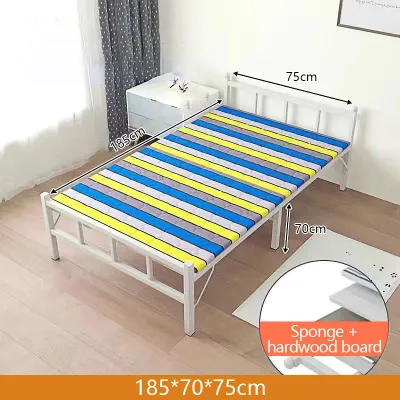
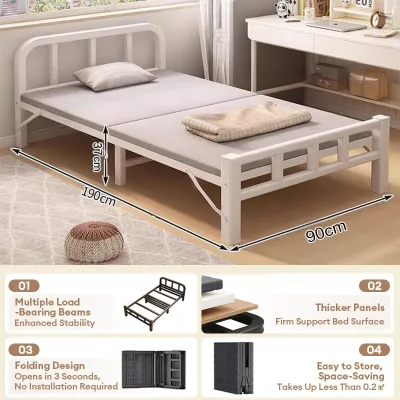
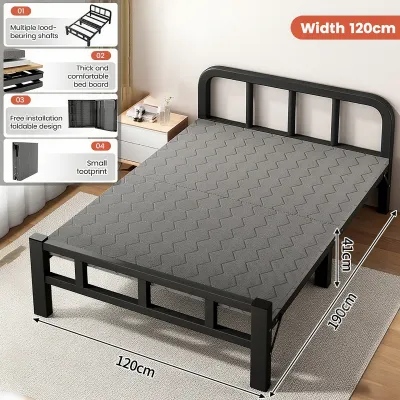
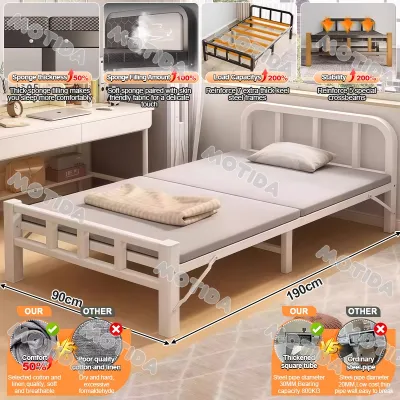
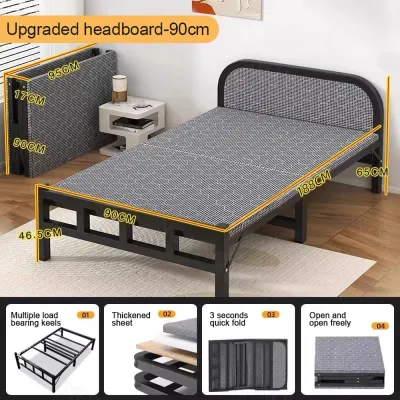
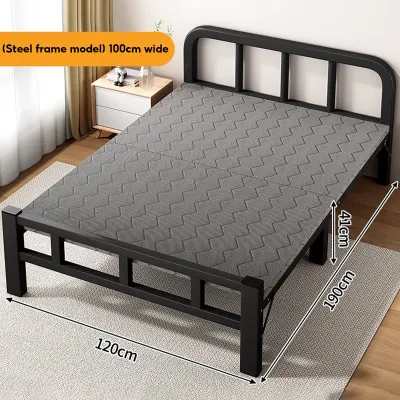
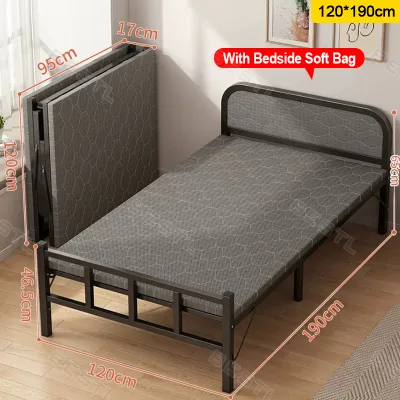
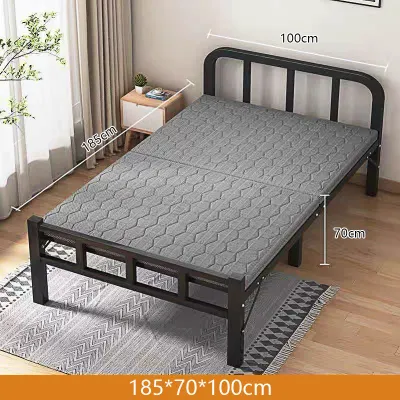
Prices are valid at publication and may change. Please refer to the product page for the latest price.
From a structural standpoint, metal frames offer distinct advantages over wood or engineered wood alternatives in compact spaces. High-quality steel or iron frames provide superior weight-to-strength ratios, allowing for a slimmer profile that takes up less physical and visual space. Furthermore, metal is highly resilient against the warping, cracking, and pest issues that can plague wooden furniture in warm, humid tropical environments. A well-engineered metal frame distributes weight evenly across its support points, minimizing stress on individual joints and ensuring the bed remains stable over years of repeated folding and unfolding.
Despite these benefits, it is important to understand the trade-offs between highly portable models and those designed for stationary, everyday use. Lightweight, highly portable folding beds are easy to roll into a closet but may lack the structural reinforcement needed for daily sleep. Conversely, heavy-duty frames with thicker metal profiles and reinforced legs offer excellent stability and comfort but are heavier to maneuver. Deciding on the right balance depends on whether the bed will serve as your primary sleeping surface or as an occasional bed for visiting family and guests.
Key Specifications for Evaluating Heavy-Duty Frames
When shopping for a heavy-duty metal folding bed, verifying the manufacturer’s specified weight capacity is your first line of defense against structural failure. A truly heavy-duty frame should comfortably support the combined weight of the mattress and the sleeper, with a generous safety margin. To verify these claims, look for structural design indicators such as a high leg count—typically six or more contact points with the floor—and thick horizontal crossbars that prevent the frame from bowing under load. Avoid relying solely on generic marketing terms; instead, look for certified load ratings on product labels or specification sheets.

The thickness and quality of the metal frame are equally critical. Steel frames are generally measured by gauge, where a lower gauge number indicates thicker, stronger metal. For daily heavy-duty use, frames constructed from high-gauge steel tubing with reinforced, double-welded joints are highly recommended. Inspect the connection points closely: bolted joints should feature lock washers or nylon-insert lock nuts to prevent them from loosening over time due to the vibrations of folding and movement. If the joints are welded, the welds should be smooth, continuous, and free of pinholes, indicating a strong, professional bond.
Another vital component is the mattress support system integrated into the frame. Traditional folding beds often use wire mesh or spring-link decks, which can sag over time and offer poor spinal support. For a heavy-duty setup, look for frames that utilize solid metal slats or a reinforced steel grid. Metal slats provide a rigid, flat surface that preserves the shape of your mattress and prevents sagging. Additionally, an open slat design promotes excellent airflow around the mattress, which is crucial in the Philippines’ humid climate to prevent the buildup of mold, mildew, and allergens.
Measuring Your Condo for Deployment and Storage
Before purchasing any folding bed, precise spatial planning is essential to ensure the frame fits seamlessly into your condo layout. Begin by measuring the exact footprint of the bed when fully deployed. You must maintain a clear walking path of at least 60 centimeters around the sides and foot of the bed to allow for comfortable movement and to prevent a cramped feel. Take into account the swing radius of wardrobe doors, bedroom doors, and cabinet drawers; a bed that blocks access to your closet or bathroom quickly becomes a daily frustration.
Next, measure your designated storage area with equal care. If you plan to store the bed in a closet, utility room, or a narrow nook behind a door, compare these dimensions against the bed’s folded height, width, and depth. Remember to account for the added thickness of the mattress when the bed is folded, as some mattresses do not compress fully and can prevent the frame from closing completely. If the bed features wheels, ensure the storage space has a flat, level floor that allows the unit to stand securely without rolling or tipping over.
Finally, do not overlook the logistics of delivery and initial installation. High-rise condo living often involves navigating tight service elevators, narrow corridors, and sharp turns in stairwells. Measure the height and width of your building’s elevator doors, the interior cabin dimensions, and your own unit’s entryway. Choosing a folding bed that arrives flat-packed or in a modular design can save you from the headache of discovering that a pre-assembled frame cannot clear the tight corners of your condo’s hallway.
Building Your Shortlist: Comparing Mechanisms and Features
As you compile a shortlist of potential heavy-duty folding beds, pay close attention to the moving parts and operational features that define daily usability. The wheel and caster mechanism is a primary consideration for any bed that must be moved frequently. Look for heavy-duty casters made from non-marking polyurethane or soft rubber, which glide smoothly over typical condo flooring like ceramic tiles, vinyl planks, or engineered wood without leaving scratches. At least two of the casters should feature robust, easy-to-engage locking brakes to keep the bed firmly anchored in place when deployed or stored.
The folding mechanism itself should allow for smooth, controlled, single-person operation. High-quality frames often incorporate spring-assisted hinges or counterbalanced tension bars that reduce the physical effort required to lift and fold the bed. Look for safety locking pins or auto-locking latches that automatically secure the frame in its folded position, preventing the bed from springing open unexpectedly during transport or storage. Avoid complex, stiff hinge designs that require excessive force, as these can lead to pinched fingers or strained muscles over time.
The choice of mattress is closely tied to the frame’s folding design. Many heavy-duty folding beds are sold as a set with a matching mattress, while others allow you to use your own. If a mattress is included, verify that it is made from high-density polyurethane foam or memory foam designed to withstand repeated folding without losing its shape or developing permanent creases. The mattress must match the frame’s dimensions perfectly; a mattress that is too thick or too long will strain the folding hinges, while one that is too thin will fail to provide adequate cushioning over the rigid metal support system.
Lastly, consider noise reduction features, which are essential for a peaceful night’s sleep in a quiet condo environment. Metal-on-metal contact at pivot points can produce annoying squeaks whenever you turn over. Premium heavy-duty frames address this by incorporating nylon or plastic washers at all hinge intersections and joint connections. These washers act as buffers, absorbing friction and eliminating noise. Additionally, look for frames with rubber-capped legs or protective floor pads that prevent the metal structure from grinding directly against your floors.
Safe Setup and Routine Maintenance Checks
To ensure the longevity of your heavy-duty metal folding bed and to guarantee your safety, establishing a routine for proper setup and maintenance is highly recommended. When unfolding the bed, always clear the surrounding floor area of any obstacles, power cords, or rugs that could get caught in the legs. Lower the frame slowly and controlledly, allowing the legs to extend fully and make flat contact with the floor. Once deployed, double-check that all safety locking pins, latches, or braces are fully engaged and locked into their designated slots before placing any weight on the mattress.
Regular maintenance checks are simple but crucial for preventing premature wear and structural failure. Every few months, inspect the frame’s hardware, including all bolts, nuts, and hinge pins. Use basic hand tools to gently tighten any connections that may have vibrated loose from regular folding and unfolding. Check the weld points for any signs of hairline cracks or paint chipping, which can expose the underlying metal to moisture and rust. In humid tropical climates, applying a thin coat of silicone-based lubricant to the hinges and pivot points once a year will keep the mechanism operating smoothly and prevent rust-induced squeaks.
Proper weight distribution is another key factor in maintaining the bed’s structural integrity. Heavy-duty frames are designed to support weight evenly across the entire surface. Avoid sitting heavily on the extreme edges, head, or foot of the bed, as this concentrated pressure can strain the hinges or cause the frame to tip. Educate guests or family members on correct usage, and avoid jumping or rough play on the bed, which can bend the metal slats or damage the locking mechanisms. By practicing these simple safety and maintenance habits, your folding bed will remain a reliable, space-saving asset in your condo for years to come.
Frequently Asked Questions (FAQ)
Can a heavy-duty folding bed replace a standard bed for permanent daily use?
While a high-quality, heavy-duty metal folding bed offers excellent support, most manufacturers design them for temporary or occasional use. Over extended periods of daily use, the constant mechanical stress on the hinges, locking pins, and joint connections can lead to gradual wear and minor structural play. Additionally, folding mattresses are typically thinner than standard mattresses, which may lead to faster foam degradation and reduced comfort over time. For permanent daily use, a solid, non-folding platform bed frame is generally recommended, but a premium heavy-duty folding bed can serve as a reliable medium-term solution if space constraints make a standard bed impractical.
How do I prevent a metal folding bed from damaging condo flooring?
To protect sensitive condo flooring such as vinyl planks, laminate, or polished tiles, always ensure the bed’s legs are equipped with protective caps. If the original rubber or plastic floor protectors wear down or fall off, replace them immediately with heavy-duty rubber caps or adhesive felt pads. For wheeled models, choose casters made of soft polyurethane or rubber rather than hard plastic. When moving the bed, ensure the caster brakes are fully unlocked so the wheels roll freely instead of dragging across the floor. You can also place a low-pile area rug or a protective utility mat underneath the bed’s footprint when it is deployed to act as a protective barrier.
What mattress thickness is ideal for a metal folding bed frame?
The ideal mattress thickness for a folding bed typically ranges between 10 to 13 centimeters (approximately 4 to 5 inches). This thickness provides a comfortable balance between supportive cushioning and the flexibility required for folding. If you use a mattress that is thicker than 13 centimeters, the frame’s hinges may not have enough clearance to close completely, putting excessive strain on the locking mechanisms and hinges. Always consult the manufacturer’s specifications for the maximum allowable mattress thickness to ensure safe operation and to prevent damaging both the mattress and the metal frame.

Community discussion
Share your experience or ask a question. Comments are reviewed before publication.