
Finding the best heavy-duty metal shelves for a home study requires balancing industrial-grade strength with residential-friendly design. The ideal shelving unit must support hundreds of kilograms of dense reading material and office equipment without sagging, while featuring a durable, rust-resistant finish that withstands tropical humidity. To make the right choice, you must evaluate the structural design, verify the load capacity, measure your available workspace, and select a finish that protects your books from damage.
Evaluating Load Capacity and Structural Stability
Books are deceptively heavy, especially when packed tightly across a wide shelf. A single shelf filled with standard paperbacks might weigh a modest amount, but replacing those with dense academic textbooks, legal binders, or thick reference manuals can easily triple the load. Before purchasing any metal rack shelf, it is essential to estimate the total weight of the items you plan to store. For instance, a linear meter of tightly packed hardcover books can easily exceed 30 to 40 kilograms, while a stack of heavy-duty office files or a large laser printer can concentrate significant weight in a single spot.
When reviewing product specifications, always distinguish between uniform distributed load (UDL) limits and concentrated load limits. Manufacturers typically rate their shelving units based on UDL, which assumes the weight is spread evenly across the entire surface of the shelf. If you place a heavy piece of office equipment, such as a multi-function printer or a backup power supply, directly in the center of a shelf, you create a concentrated load that can cause the metal to bow or buckle even if the total weight is well below the rated UDL. To prevent structural failure, aim to distribute your heaviest items evenly across the lower shelves and reserve the upper tiers for lighter materials.
Products mentioned in this guide
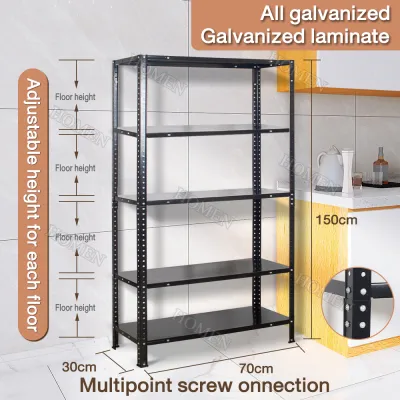
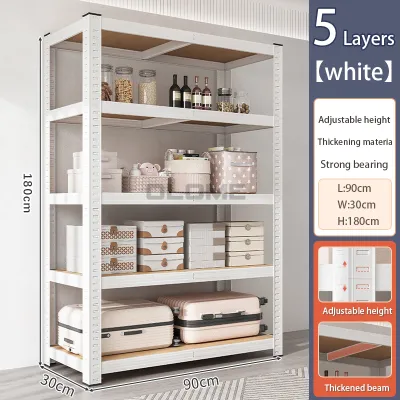
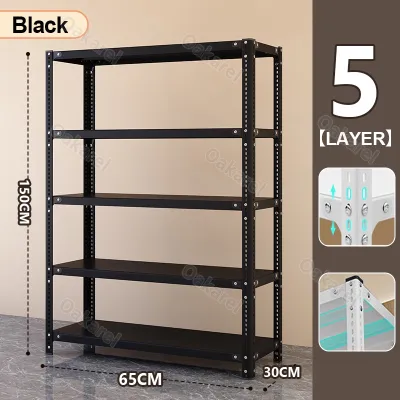
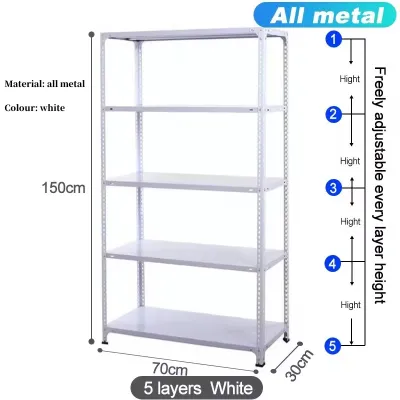
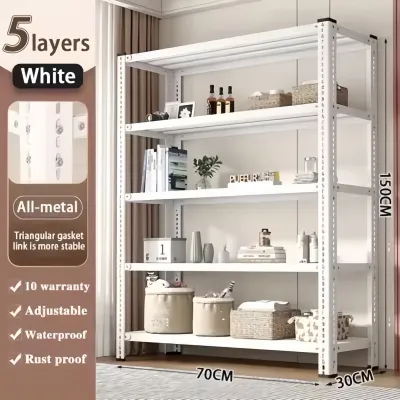
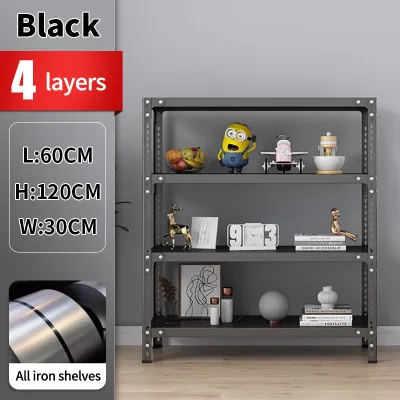
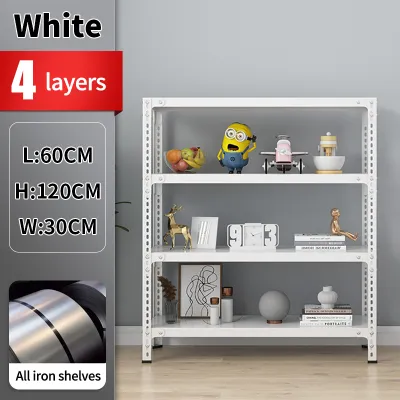
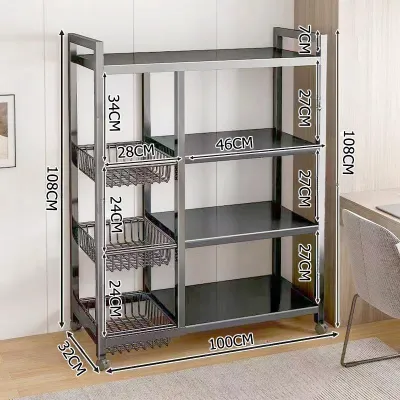
Prices are valid at publication and may change. Please refer to the product page for the latest price.
The structural integrity of a metal shelving unit depends heavily on its engineering features. Look for shelves that incorporate robust cross-bracing or support beams underneath each tier, as these reinforcements prevent the metal panels from sagging under continuous pressure. Reinforced corners and thick upright posts are also critical, as they distribute the vertical load down to the floor without bending. Pay close attention to the gauge or thickness of the steel used in the frame and shelves; thicker steel naturally offers greater resistance to twisting and bending over years of continuous use.
Measuring Dimensions and Space Clearance
A heavy-duty metal shelf must fit your study room both physically and functionally. Before placing an order, measure the exact floor footprint where the unit will stand, taking into account baseboards, wall trim, and electrical outlets that might prevent the rack from sitting flush against the wall. Do not forget to measure your ceiling height, especially if you are considering tall, industrial-style racks that maximize vertical storage. Additionally, map out the delivery route through your home, checking the clearance of doorways, narrow hallways, and stairwells to ensure the packaged components can be easily transported to your study.

Adjustability is another crucial factor when planning your storage layout. Fixed-height shelves often lead to wasted vertical space or force you to store tall binders and oversized reference books on their sides, which can damage their spines. Opt for metal shelving units with adjustable keyhole or boltless slot systems, which allow you to change the height of individual tiers in small increments. This flexibility lets you customize the spacing to accommodate tall archival boxes, desktop printers, or standard-sized novels, maximizing every centimeter of vertical space.
Beyond the physical dimensions of the shelving unit itself, you must plan for adequate clearance around the rack to maintain a functional and comfortable workspace. Ensure there is enough walkway space in front of the shelves so you can easily browse and retrieve items without feeling cramped. If the rack is positioned near your desk, verify that your office chair can move freely without bumping into the metal frame. Leaving a comfortable buffer zone not only improves the flow of your study but also reduces the risk of accidental bumps that could destabilize the shelving unit.
Inspecting Material Finishes and Build Quality
The finish of a metal shelf determines how well it performs in an indoor study environment and how long it will last. Look for units with high-quality powder-coating or baked-on paint finishes, which offer superior scratch resistance compared to standard liquid paint. A smooth, durable finish is essential for protecting your book covers, binders, and office supplies from getting scuffed or torn when you slide them on and off the shelves. Run your hands along the edges and corners of the metal components during assembly to check for any sharp burrs or rough spots that could damage your belongings or scratch your skin.
In humid tropical environments, such as the Philippines, rust prevention is a critical consideration for any metal furniture. High humidity levels can cause untreated or poorly finished steel to corrode rapidly, leading to structural weakness and unsightly rust stains on your books and documents. To prevent this, verify that the shelving unit has undergone a thorough rust-prevention treatment, such as zinc plating, galvanization, or a multi-layer powder-coating process. These protective barriers seal the underlying steel from moisture in the air, ensuring the rack remains clean and structurally sound for years.
The thickness of the metal shelves and the design of their edges also play a major role in overall build quality. High-quality metal shelves often feature rolled or folded edges, which not only eliminate sharp surfaces but also significantly increase the rigidity of the shelf panel. A flat sheet of thin metal will easily bend under minimal weight, but folding the edges downward into a lip or channel creates a structural beam effect that dramatically improves load capacity. When comparing options, prioritize shelves with substantial lip designs and a solid, reassuring weight.
Matching Shelf Features to Your Storage Scenarios
Different storage needs require different shelving characteristics, so it is helpful to match the unit’s features to your specific study setup. If your primary goal is archival book storage, focus on shelves with solid surfaces that prevent book corners from slipping through gaps. Adjustable tier heights are essential here to accommodate varying book sizes, and you may want to look for modular designs that allow you to add side panels or dust covers to protect rare volumes from light and airborne particles.
For storing heavy office equipment, paper reams, and dense filing boxes, prioritize maximum load capacity and structural rigidity. In this scenario, boltless metal shelving units are highly practical, as they use a locking rivet system that becomes sturdier as more weight is applied. Look for units with thick steel frames and heavy-duty support beams under each shelf. Ensure the shelf surfaces are made of solid metal or thick, moisture-resistant composite boards that can support heavy, concentrated loads without flexing or cracking over time.
If your study serves as a multi-functional space where you display decorative items alongside your books, look for metal shelves that offer a balance of aesthetics and utility. Some heavy-duty racks feature sleek, minimalist frames with powder-coated finishes in neutral colors like matte black, white, or grey, which blend seamlessly with modern home office decor. Consider units that offer modular add-ons, such as magnetic organizers, hanging hooks, or backing panels. Backing panels are particularly useful in a study, as they prevent small office supplies, loose papers, and thin books from falling behind the rack.
Planning Installation and Safety Checks
Proper installation is key to ensuring the safety and stability of your heavy-duty metal shelving unit. Before assembling the rack, use a spirit level to check the evenness of your study floor. Uneven floors can cause the shelving unit to lean, distributing weight unevenly and increasing the risk of a tip-over. If your floor is slightly uneven, choose a shelving unit equipped with adjustable leveling feet, which allow you to compensate for minor floor variations and ensure the frame stands perfectly upright and stable.
Wall anchoring is a critical safety measure that should never be overlooked, especially for tall or narrow shelving units. When loaded with heavy books and office equipment, a high center of gravity makes the rack vulnerable to tipping forward if it is bumped, climbed on, or subjected to sudden movements. Most manufacturers provide specific wall-anchoring hardware and guidelines based on the unit’s height-to-depth ratio. Secure the rack to a solid wall stud or use appropriate masonry anchors, ensuring the connection is tight and secure to prevent any forward movement.
Once your shelving unit is assembled and loaded, establish a routine maintenance schedule to keep it in optimal condition. Every few months, perform a quick visual inspection to check for any signs of shelf bowing, loose joints, or chipped paint. If you notice any sagging, redistribute the weight immediately to relieve the stress on that tier. Address any paint chips promptly by applying a touch-up paint to prevent rust from forming in the exposed metal, and tighten any bolts or connectors that may have loosened slightly over time due to daily use.
Frequently Asked Questions (FAQ)
Do I need to anchor a heavy-duty metal rack shelf to the wall?
Yes, anchoring a heavy-duty metal rack shelf to the wall is highly recommended for safety, particularly if the unit is tall, narrow, or loaded with heavy books. Books and office files can create a very high center of gravity, making the shelving unit prone to tipping forward if it becomes unbalanced or is accidentally bumped. Always check the manufacturer’s installation manual for specific anchoring instructions and use the provided hardware or appropriate wall anchors suitable for your wall type, whether concrete, drywall, or wood.
Will metal shelves damage my books or office equipment?
Metal shelves can potentially damage books or equipment if they have sharp edges, rough welds, or textured surfaces. To prevent torn book covers and scratched equipment, inspect the unit during assembly for rolled, capped, or smoothly finished edges. If the metal shelves have a rough powder-coated texture or are prone to condensation in humid climates, consider using non-slip shelf liners, thin acrylic mats, or cardboard backing sheets to create a smooth, protective barrier between the metal and your valuable items.

Community discussion
Share your experience or ask a question. Comments are reviewed before publication.