
Selecting a heavy-duty stainless steel dining table for a large family in the Philippines requires balancing generous seating capacity with exceptional structural integrity. In a busy household where the dining table serves as the hub for daily meals, homework, and festive gatherings, a standard residential table can quickly show signs of wear. Heavy-duty stainless steel offers an incredibly durable, hygienic, and modern alternative, but finding the right one involves looking beyond basic marketing claims to evaluate material grades, metal thickness, and frame construction.
By focusing on verified specifications and precise spatial planning, you can acquire a piece of furniture that withstands the high humidity of the tropical climate while comfortably accommodating 6 to 10 diners. This guide outlines the essential steps to measure your space, verify metal quality, assess structural design features, and maintain your investment for decades of reliable use.
Space Planning: Sizing a Table for 6 to 10 Diners
Accommodating a large family of 6 to 10 people requires careful calculation of both the tabletop dimensions and the surrounding room clearance. If the table is too small, diners will bump elbows during meals; if it is too large, it will restrict movement through the dining room. For a rectangular table, seating 6 people comfortably requires a minimum length of 150 to 180 centimeters. To expand this capacity to 8 people, the table should measure between 200 and 220 centimeters in length. For a large gathering of 10 adults, you will need a table length of at least 240 to 270 centimeters, with a width of 90 to 110 centimeters to allow sufficient space for serving platters down the center.
Products mentioned in this guide
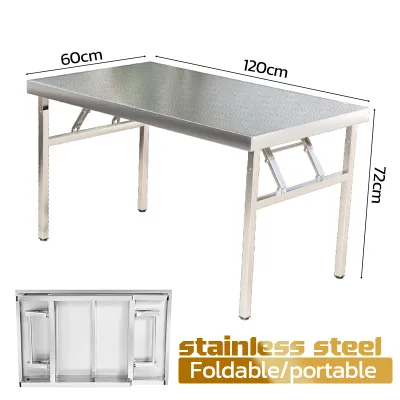
Prices are valid at publication and may change. Please refer to the product page for the latest price.
Round and oval tables offer a more conversational seating arrangement but require a larger overall footprint in the room. A round table designed for 6 people should have a diameter of at least 120 to 140 centimeters. To seat 8 people, the diameter must increase to 150 to 160 centimeters, while a 10-person round table requires a diameter of 180 centimeters or more. Keep in mind that large round tables can make it difficult for diners to reach dishes in the center, often necessitating the addition of a rotating tray or Lazy Susan.
Beyond the physical dimensions of the table, you must calculate the clearance space required for chairs and walkways. A standard dining chair requires approximately 60 to 75 centimeters of depth to be pulled out comfortably. To ensure smooth traffic flow around the table while family members are seated, maintain a minimum clearance of 90 centimeters between the table edge and the nearest wall, sideboard, or doorway. For high-traffic pathways, a clearance of 120 centimeters is highly recommended to prevent bottlenecks during busy meal times.
Finally, before finalizing any purchase, you must verify the delivery path from the transport vehicle to your dining room. Heavy-duty stainless steel tables, especially those with fully welded frames, are incredibly bulky and cannot be easily disassembled. Measure the width and height of all entryways, hallway corners, stairwells, and condominium elevators. If your building’s lift cannot accommodate a 240-centimeter tabletop, you will need to select a model with a demountable frame or arrange for manual transport up the stairs, which may incur additional handling fees.
How to Verify Heavy-Duty Stainless Steel Construction
The term “heavy-duty” is frequently used by sellers, but true durability depends on the specific grade of stainless steel and the thickness of the metal sheets used in construction. When shopping in the Philippines, you will primarily encounter Grade 304 and Grade 201 stainless steel. Grade 304 contains chromium and nickel, making it highly resistant to corrosion, rust, and food acids. This grade is highly recommended for residential dining tables, particularly in humid tropical environments or coastal areas. Grade 201 is a lower-cost alternative that replaces nickel with manganese; while it is strong, it is significantly more susceptible to tea staining and surface rust when exposed to moisture or salty air. Always ask the seller or fabricator to confirm the exact grade of steel used for both the tabletop and the underlying frame.

Metal thickness, often referred to as gauge, is another critical factor in determining structural integrity. For a heavy-duty dining table, the tabletop should be constructed from 16-gauge (approximately 1.5 millimeters thick) or 14-gauge (approximately 2.0 millimeters thick) stainless steel. Avoid thin 18-gauge or 20-gauge sheets for large spans, as they are prone to flexing, denting, and producing a loud, hollow “drumming” sound when items are placed on them. To prevent this flexing, high-quality tables feature a thick plywood or metal channel reinforcement bonded to the underside of the stainless steel sheet, which dampens sound and distributes weight evenly.
The design of the legs and supporting frame determines whether the table will remain stable or wobble under a heavy load. Look for legs constructed from heavy-wall square or round stainless steel tubing with a minimum diameter of 38 to 50 millimeters. For tables exceeding 180 centimeters in length, a robust under-frame with cross-bracing or center support rails is essential to prevent the center of the table from sagging over time. Examine the joints where the legs meet the tabletop frame; these connections should feature thick mounting plates with heavy-duty bolts or, ideally, fully welded gussets for maximum rigidity.
Welding quality and surface finishing are excellent indicators of overall craftsmanship. Inspect all welded joints to ensure they are continuous, smooth, and free of pinholes or discoloration. Poorly executed spot welds can fail under dynamic loads, such as when someone leans heavily on the edge of the table. Additionally, run your hand along the underside edges and corners of the table to check for sharp burrs or rough metal edges. A properly finished heavy-duty table will have all welds ground smooth and polished to match the surrounding surface, eliminating safety hazards and preventing snagged clothing.
Practical Design Features for Large Family Gatherings
When selecting a table for frequent, high-capacity family meals, you must weigh the trade-offs between different structural designs. Fixed, solid-frame stainless steel tables offer the highest level of stability and longevity because they have no moving parts to wear out, bend, or collect food debris. However, if your dining space is multi-functional or occasionally needs to be cleared, a table with a demountable frame—where the legs can be unbolted for transport—provides a practical compromise without sacrificing structural strength. Avoid lightweight folding stainless steel tables for daily family dining, as their hinges and locking mechanisms are prone to loosening and wobbling under heavy, daily use.
Under-table legroom is another crucial comfort factor, especially when seating 8 to 10 people. Some heavy-duty industrial tables feature low-reaching cross-braces or storage shelves beneath the tabletop. While these features add structural rigidity, they can severely restrict legroom and prevent diners from tucking their chairs fully under the table. Opt for a frame design that maximizes vertical clearance, leaving at least 70 to 75 centimeters of open space from the floor to the underside of the table frame. This ensures that taller family members can sit comfortably and that various chair styles, including those with armrests, can be accommodated.
Safety is a paramount consideration in busy households, particularly those with young children or elderly family members. Stainless steel tables with sharp, 90-degree corners pose a significant risk of injury in high-traffic dining areas. Look for tables designed with rounded corners (often called bullnose or eased edges) on both the tabletop and the legs. If you are having a table custom-fabricated by a local metalworking shop, explicitly request a radius corner treatment of at least 10 to 20 millimeters to soften the edges and enhance household safety.
Daily Care and Maintenance for Stainless Steel Surfaces
While stainless steel is incredibly durable, maintaining its sleek, hygienic appearance in a busy household requires adhering to proper cleaning protocols. The material relies on a microscopic, self-healing chromium oxide passive layer to resist corrosion. To protect this layer, avoid using harsh chemical cleaners containing chlorine bleach, hydrochloric acid, or abrasive scouring powders. Instead, clean the table daily using a soft microfiber cloth dampened with warm water and a few drops of mild dishwashing liquid. Always wipe in the direction of the metal’s brushed grain to prevent micro-scratches and maintain a uniform finish.
In the Philippines, hard tap water can leave unsightly white mineral deposits or water spots on stainless steel surfaces if left to air dry. To prevent this, always dry the table thoroughly with a clean, dry microfiber cloth immediately after wiping it down. For stubborn fingerprints, grease smudges, or oil splatters from family meals, you can use a simple solution of equal parts white vinegar and water. Apply the solution sparingly, wipe clean, and buff dry to restore the metal’s natural luster.
Physical maintenance of the table’s structural components is just as important as surface cleaning. Over time, the dynamic forces of people sitting down, leaning, and moving items across a large table can cause mechanical fasteners to loosen slightly. Every six months, perform a quick structural audit of your table. Use the appropriate wrench or hex key to check and tighten any bolts connecting the legs to the frame. If your table features adjustable leveling feet, verify that they are still evenly balanced on the floor to prevent uneven weight distribution and unnecessary stress on the joints.
Pre-Purchase and Delivery Verification Checklist
To ensure a smooth purchasing process and avoid disputes with sellers or custom fabricators, compile a detailed list of specifications to confirm before making a payment. Request written confirmation of the exact stainless steel grade (insist on Grade 304 for maximum rust resistance), the metal gauge thickness of the tabletop, the total weight of the assembled table, and the terms of the manufacturer’s warranty. If you are purchasing from an online marketplace or a local showroom, ask if the price includes delivery, unloading, and assembly, as moving a 50-kilogram metal table into a home requires significant physical effort.
Upon delivery, conduct a thorough visual and physical inspection of the table before signing the receiving documents or releasing final payment. Begin by checking the tabletop for any dents, deep scratches, or warping; because stainless steel is highly reflective, viewing the surface from a shallow angle under bright light will quickly reveal any imperfections. Run your hands along all edges and welded joints to verify they are smooth and free of sharp burrs. Next, place the table in its designated spot and gently shake it from side to side to check for wobbling or misaligned legs, ensuring that all leveling feet are properly adjusted and making solid contact with the floor.
Finally, assess whether professional assembly is required for your specific table model. Many heavy-duty stainless steel tables are shipped flat-packed to reduce shipping costs and facilitate transport through tight spaces. While basic assembly might seem straightforward, aligning heavy metal components and tightening structural bolts to the correct torque can be challenging without the proper tools. If the manufacturer offers professional installation services, investing in this service ensures that the table is assembled safely, stably, and in strict accordance with structural guidelines, protecting both your family and your flooring.
Frequently Asked Questions (FAQ)
Is stainless steel suitable for outdoor or semi-outdoor dining areas?
Yes, stainless steel is highly suitable for outdoor and semi-outdoor dining areas, provided you select the correct grade of metal. Grade 304 stainless steel offers excellent resistance to rain and high humidity, making it ideal for covered patios, verandas, or outdoor kitchens in the Philippines. However, if your home is located near a coastal area with salty air, Grade 304 can still develop surface rust over time; in these environments, Grade 316 (marine-grade) stainless steel is highly recommended due to its superior resistance to chlorides. Regardless of the grade, outdoor tables require more frequent washing with fresh water to remove accumulated dust, pollen, and salt deposits that can compromise the protective oxide layer.
How can I prevent a large stainless steel table from sliding or scratching the floor?
Preventing a heavy stainless steel table from sliding or damaging your flooring requires installing appropriate protective feet. Most heavy-duty tables come equipped with adjustable leveling feet made of hard plastic or metal; while these are excellent for stabilizing the table on uneven tile or concrete floors, they can easily scratch hardwood, laminate, or delicate ceramic tiles. To protect your floors, replace hard plastic glides with heavy-duty rubber or polyurethane leveling feet, which provide excellent grip and cushion the weight of the table. Alternatively, you can apply thick, self-adhesive felt pads or heavy-duty rubber caps to the bottom of the existing feet, checking them periodically for wear and replacing them as needed to maintain floor protection.

Community discussion
Share your experience or ask a question. Comments are reviewed before publication.