
Finding the right work chair for home use in the Philippines involves balancing comfort, durability, and budget. At the entry-level price point of ₱3,000, you can expect basic height adjustments and static support structures. As you scale up toward ₱15,000, the focus shifts to dynamic, multi-point adjustability, synchronized tilt mechanisms, and high-tensile materials that withstand tropical humidity. Understanding what features are realistic at each price tier helps you make an informed investment that protects your posture without overspending.
Setting Realistic Expectations for Your Home Work Chair Budget
When shopping for a work chair for home, it is easy to get overwhelmed by marketing terms like “ergonomic” and “orthopedic.” In reality, the price of a chair is directly tied to its engineering complexity, material quality, and adjustability. Lower-priced chairs rely on static components that force your body to adapt to the chair. Conversely, premium models feature dynamic components designed to adapt to your body’s movements throughout the day.
The primary cost drivers in office seating are the recline mechanism, the density and type of cushioning, and the structural materials of the base and frame. A basic tilt mechanism is inexpensive to manufacture but offers limited movement. A synchronized tilt mechanism, which keeps your feet flat on the floor while you recline, requires precise engineering and higher-quality materials. Additionally, weight capacity ratings and structural certifications often drive up the cost of mid-range and premium chairs.
Products mentioned in this guide
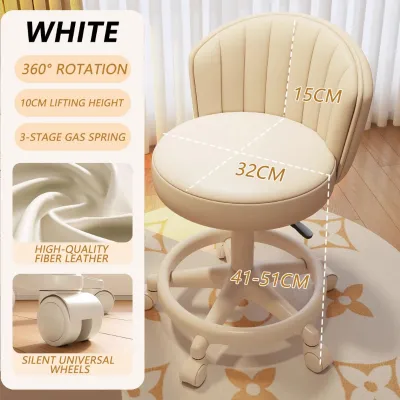
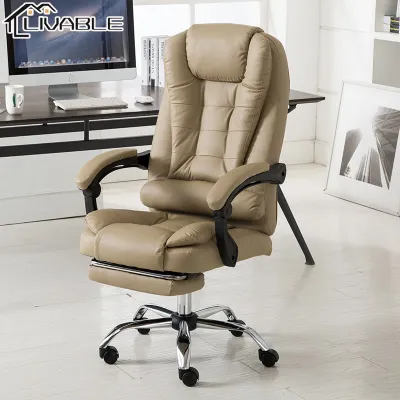
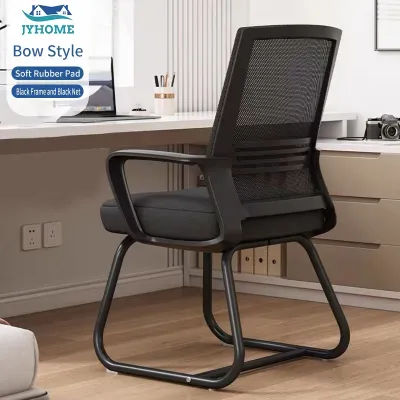
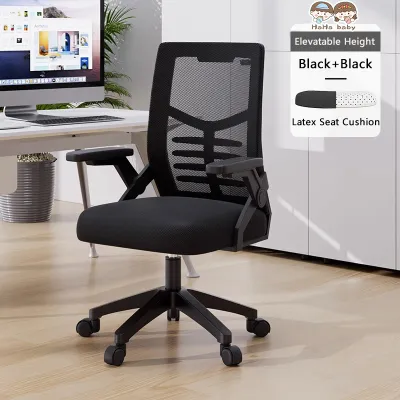
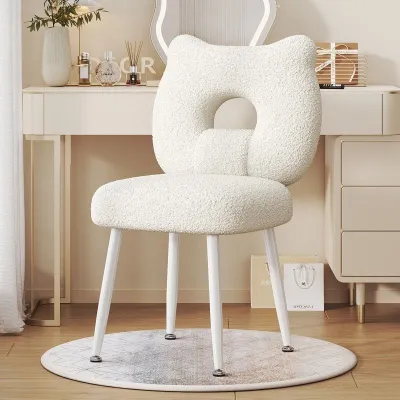
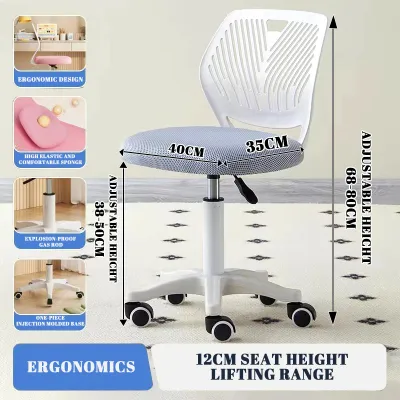
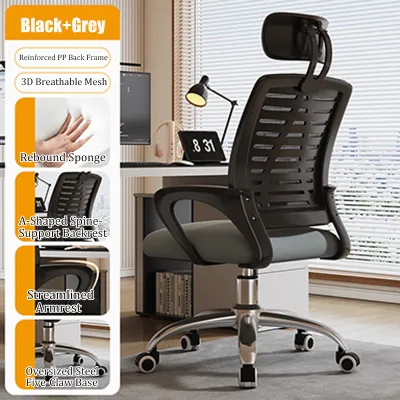
Prices are valid at publication and may change. Please refer to the product page for the latest price.
Because ergonomic comfort is highly subjective, no single chair design works perfectly for everyone. A feature that feels supportive to one person might cause discomfort for another. This subjectivity makes physical testing highly recommended before buying. If you are purchasing online, prioritizing sellers with flexible return policies or clear exchange terms becomes essential to avoid getting stuck with an incompatible chair.
₱3,000 to ₱5,000: Basic Adjustability and Entry-Level Support
In the ₱3,000 to ₱5,000 price range, you are looking at entry-level office chairs that prioritize essential functionality over advanced customization. At this tier, the adjustable features are typically limited to basic seat height via a standard gas lift and a simple tilt-tension knob. The armrests in this bracket are almost always fixed to the frame or seat, meaning you cannot adjust their height, angle, or depth to match your desk level.

Compromises are inevitable at this budget level, particularly regarding materials and long-term durability. Seat cushions in this range often use low-density cut foam, which can flatten out after a few months of continuous use. Furthermore, the upholstery is frequently standard fabric or basic synthetic leather. In the warm, humid climate of the Philippines, synthetic leather in this price bracket can trap heat, cause sweating, and eventually peel or crack if not kept in an air-conditioned room.
To get the best value in this entry-level tier, you must carefully inspect the physical specifications of the chair. Look closely at the base material; a heavy-duty nylon base is generally preferable to thin, lightweight plastic bases, which can flex or crack under pressure. Always check the manufacturer’s stated weight capacity on the product label or specification sheet. If your weight is close to the maximum limit, the gas lift and frame may wear out prematurely, making it wiser to save for a sturdier model.
₱6,000 to ₱10,000: Enhanced Lumbar Support and Better Materials
Stepping up to the ₱6,000 to ₱10,000 mid-range tier introduces a noticeable upgrade in both structural durability and targeted ergonomic support. The most significant improvement in this bracket is the introduction of adjustable lumbar support. Instead of a fixed plastic band, chairs in this range often feature lumbar pads that can be adjusted vertically or depth-wise to align precisely with the curve of your lower spine.
Material quality also receives a substantial upgrade in this price bracket. Manufacturers typically replace low-density foam with high-density molded foam, which retains its shape and supportive properties over years of daily use. You will also find breathable mesh backrests that promote airflow, a crucial feature for home offices without 24/7 air conditioning. Armrests in this tier often transition from fixed designs to multi-directional adjustments, allowing you to modify their height and sometimes their angle (2D or 3D armrests) to support your forearms during typing.
The reclining mechanism in mid-range chairs shifts away from basic upright locking to more responsive tilt systems. These mechanisms allow you to recline smoothly while keeping your feet planted on the floor, reducing pressure on the back of your thighs. When selecting a chair in this range, pay close attention to the connection structures between the seat and the backrest. Metal plates and reinforced brackets are indicators of a stable build. Additionally, check the caster wheels; polyurethane-coated casters are ideal for protecting tile or wooden floors from scratches, whereas standard hard nylon casters are better suited for carpeted areas.
₱11,000 to ₱15,000: Advanced Mechanisms and Premium Build Quality
The ₱11,000 to ₱15,000 price range represents the premium tier for home office seating, where advanced mechanical engineering and high-grade materials come standard. The defining feature of chairs in this bracket is the synchronized tilt mechanism. This system allows the backrest and the seat to recline at a fixed ratio (typically 2:1), ensuring that your torso opens up comfortably while your seat remains relatively level. This movement maintains proper spinal alignment and keeps your feet flat on the floor, improving circulation during long working sessions.
At this level, material compromises are minimized. Backrests and seats often feature high-tensile mesh that is woven to distribute weight evenly and resist sagging over time. The structural frame and base are frequently constructed from reinforced aluminum or heavy-duty steel rather than plastic, providing a solid, wobble-free foundation. You can also expect highly adjustable headrests that tilt and slide to support your neck, as well as fully adjustable 3D or 4D armrests that slide forward, backward, sideways, and rotate.
Given the significant investment required for a premium chair, reviewing the warranty terms is a critical step before purchasing. High-quality chairs in this price range should offer comprehensive warranties covering critical moving parts, such as the gas lift cylinder, the recline mechanism, and the caster wheels. A manufacturer that stands behind their product with a multi-year warranty provides peace of mind and ensures that your investment remains protected against premature mechanical failures.
How to Prioritize Ergonomic Features for Your Daily Routine
To get the most value out of your budget, you should align the chair’s features with your daily work habits. If your routine consists of typing-intensive tasks, your primary focus should be on highly adjustable armrests and a supportive lumbar system that keeps you upright. For those who spend hours in virtual meetings or reading documents, a smooth reclining mechanism with a reliable tilt lock and an adjustable headrest will provide better comfort during passive tasks.
If your budget is tight, you can make strategic compromises without sacrificing core ergonomic support. For instance, you can opt for a model with fixed armrests or skip the headrest entirely if it means you can afford a chair with a high-density molded foam seat or a more robust steel base. A durable foundation and a supportive seat cushion will always contribute more to your physical well-being than flashy, low-quality adjustable accessories.
Before finalizing your choice, it is vital to measure your physical workspace. Check the clearance height under your desk to ensure the chair’s armrests can slide underneath when not in use. Additionally, measure the floor space in your room to confirm that the chair’s base diameter and full recline range do not collide with nearby walls, cabinets, or other furniture. A chair that is physically too large for your room will restrict your movement and make your workspace feel cramped.
Pre-Purchase Checks and Hidden Costs for Online Orders
Buying a work chair for home from an online marketplace requires careful verification to avoid costly mistakes. Always cross-check the manufacturer’s detailed dimension sheets against your own body measurements. Pay close attention to the seat depth and the minimum and maximum seat heights. If a chair’s seat is too deep, the front edge will press against the back of your knees, restricting blood flow; if the seat height cannot adjust low enough, your feet will dangle, causing lower back strain.
When ordering heavy furniture online, keep in mind that the listed price is rarely the final cost. Shipping fees for bulky items can be substantial, especially if you live outside major metropolitan areas. You should also verify the assembly requirements. Some chairs arrive fully assembled, while others require extensive tool-based assembly. If you are not comfortable assembling the chair yourself, check if the seller offers an assembly service, or factor in the time and effort required to do it on your own.
Finally, always verify the seller’s authorized status to ensure you receive a genuine product with a valid warranty. Check the exact process for filing a warranty claim. Some sellers require you to ship the heavy chair back to their warehouse at your own expense for repairs, which can be incredibly costly and inconvenient. Choosing a seller with a local service center or a clear, customer-friendly warranty claim policy is often worth paying a slight premium.

Community discussion
Share your experience or ask a question. Comments are reviewed before publication.