
A vertical metal shoe rack in a small closet typically holds between 10 to 30 pairs of shoes, depending on the number of tiers (usually 5 to 10 tiers) and the types of footwear you own. For instance, a standard 10-tier vertical rack can comfortably accommodate about 20 pairs of flat shoes or sneakers, but this capacity decreases if you store bulky boots, high heels, or wide-soled athletic shoes. To determine the exact capacity for your specific closet, you must balance the physical dimensions of the rack with the profile of your footwear collection and the structural limits of your storage space.
Assessing Your Closet Dimensions and Clearance
Before purchasing a vertical metal shoe rack, you must measure the interior of your small closet to ensure a proper fit. Start by measuring the available floor width, depth, and total vertical height. Remember to account for protruding elements such as baseboards, door hinges, sliding door tracks, and existing low-hanging closet rods that could restrict where the rack can stand. Even a minor obstruction can prevent a tall metal frame from sitting flush against the wall, which compromises its stability.
The door swing radius is another critical factor in tight spaces. If your closet has hinged doors, map out their path to ensure the rack does not block the door from opening fully or prevent you from accessing adjacent hanging clothes. For sliding doors, verify that the rack’s depth does not interfere with the door panels as they glide along the tracks. You should also ensure there is enough clearance for your body to stand comfortably in front of the rack while selecting your shoes.
Products mentioned in this guide

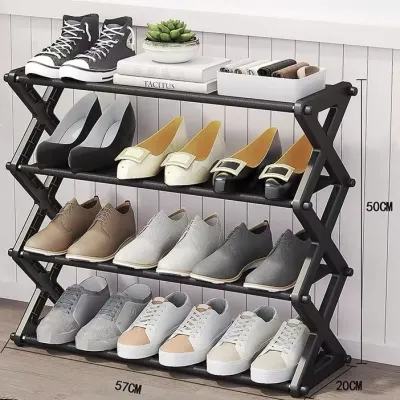
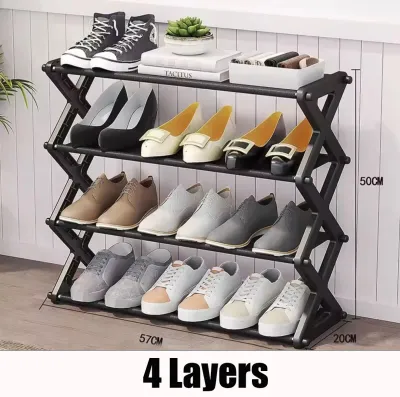
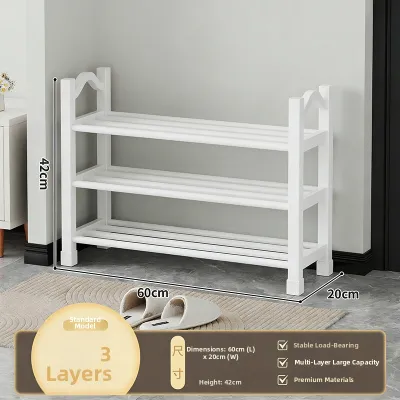
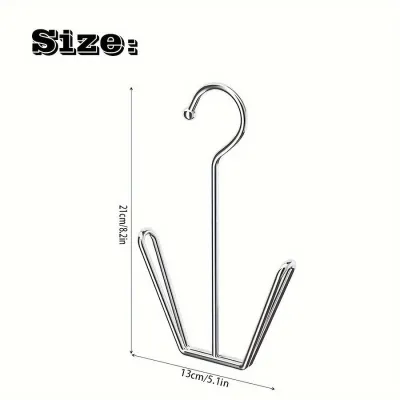
Prices are valid at publication and may change. Please refer to the product page for the latest price.
Floor levelness is equally vital for tall, narrow furniture. Use a spirit level to check the floor surface, especially in older homes or utility closets where concrete or wooden floors might slope. Look out for floor obstructions like ventilation grilles, electrical outlets, or raised thresholds that could force the rack to sit unevenly or prevent it from flushing against the wall.
Estimating Shoe Rack Capacity by Tier and Footwear Type
To calculate how many shoes your vertical metal shoe rack will actually hold, you must look beyond generic marketing claims and analyze the spacing between tiers. Standard vertical racks usually offer a clearance of 15 to 20 centimeters between shelves. This height is ideal for flat sandals, slippers, and low-profile sneakers, but it will not accommodate high heels, ankle boots, or high-top basketball shoes without tilting or bending them. If you have a diverse footwear collection, look for racks with adjustable shelf heights to accommodate taller profiles.

You can estimate your theoretical capacity by multiplying the number of usable tiers by the average number of pairs that can fit side-by-side on a single shelf. A typical narrow vertical rack has a shelf width of about 30 to 45 centimeters, which generally fits only one or two pairs of adult shoes per tier. If you have larger shoe sizes, wide-soled running shoes, or thick platform soles, you may need to dedicate an entire tier to a single pair, effectively cutting the advertised capacity in half. This means a ten-tier rack might only hold ten pairs of bulky shoes instead of the promised twenty.
Always cross-reference the manufacturer’s specification label for the maximum weight limit of each shelf and the entire unit. Metal racks are sturdy, but overloading them with heavy leather boots or safety shoes can cause the shelves to sag or the frame to warp over time. Distribute the weight evenly, placing your heaviest footwear on the lowest shelves to maintain structural integrity and balance.
Adjusting for Real-World Storage and Accessibility
While squeezing as many shoes as possible onto each shelf is tempting, practical daily use requires some breathing room. Leaving a gap of two to three centimeters between pairs prevents shoes from scuffing against each other, which is especially important in humid tropical climates where leather and synthetic materials can stick together and degrade. This small space also allows you to grip each shoe easily without knocking adjacent pairs off the rack.
Organizing your collection by seasonal use and frequency of wear helps maximize accessibility. Keep your daily footwear, such as school shoes, office heels, or casual slip-ons, at eye and hand level where they are easiest to reach. Store off-season footwear, formal shoes, or delicate pairs on the highest or lowest shelves, or consider keeping them in protective boxes elsewhere to free up prime rack space.
If your vertical metal shoe rack features an open frame or extended side hooks, you can utilize these extremities for non-footwear storage. Side hooks are excellent for hanging shoe horns, small umbrellas, or shoe care kits. The very top tier, if it sits below your hanging clothes, can serve as a flat surface for storing cleaning brushes, water-repellent sprays, or small storage baskets for extra laces.
Common Sizing and Placement Mistakes to Avoid
A frequent mistake when planning closet storage is overlooking the extra depth required by the shoes themselves. While a metal rack might have a physical frame depth of only 30 centimeters, men’s athletic shoes or large boots often overhang the front and back of the shelves. This extra overhang can prevent closet doors from closing properly or obstruct your walking path if the rack is placed near the entrance.
Another common oversight is ignoring the structural footprint of the rack’s base. To prevent tall, narrow structures from tipping, manufacturers often design the base feet or bottom stabilizers to be wider or deeper than the actual shelves. Ensure your closet floor has enough uninterrupted space to accommodate these stabilizing feet without forcing the rack to sit at an awkward angle away from the wall.
Finally, remember to leave adequate clearance at the very top of the rack. If you place a tall vertical rack directly under a low closet shelf or the ceiling, you will struggle to lift shoes off the top tier. Always allow at least 20 to 25 centimeters of open space above the highest shelf so you can easily retrieve your shoes without scraping your knuckles or hitting the ceiling.
Frequently Asked Questions (FAQ)
Can I stack two vertical metal shoe racks to double capacity?
You should only stack vertical metal shoe racks if the manufacturer explicitly states that the model is stackable and provides the necessary interlocking hardware. Stacking two standard racks that are not designed to connect can lead to severe instability, causing the top unit to slide off and fall.
Even with compatible models, stacking significantly increases the weight load on the bottom unit’s frame and joints. Always check the manufacturer’s guidelines to ensure the combined weight of the racks and all stored shoes does not exceed the safe load capacity of the base unit.
How do I prevent a tall metal shoe rack from tipping in a narrow closet?
To prevent a tall, narrow metal shoe rack from tipping over, always check the product manual for included wall-anchoring hardware or anti-tip kits. Securing the top of the frame to a wall stud or solid concrete wall is the most reliable way to ensure stability, especially in households with active pets or children.
If wall anchoring is not possible due to rental restrictions or closet material, you must manage the rack’s center of gravity. Place your heaviest footwear, such as boots and heavy sneakers, on the bottom two tiers, and keep lightweight sandals or slippers on the upper shelves. If the rack still feels unstable, consult a professional carpenter to discuss safe mounting alternatives for your specific closet setup.

Community discussion
Share your experience or ask a question. Comments are reviewed before publication.