
Matching a multi layer bookshelf to your home requires balancing your current reading library with the physical limits of your living space. Generally, a 3-tier shelf suits small collections of up to 60 standard books, a 4-tier unit serves as a balanced standard for around 100 books, and a 5-tier tower maximizes vertical space for larger collections exceeding 150 volumes. Choosing the right configuration prevents the frustration of running out of storage space too quickly or crowding a compact room with an imposing piece of furniture.
To make an informed decision, you must look beyond aesthetics and evaluate practical factors like shelf depth, weight limits, and room clearances. In tropical environments like the Philippines, where high humidity can affect both paper and wood, proper placement and air circulation are just as critical as the physical dimensions of the unit.
Assess Your Collection and Space Requirements
Before browsing online marketplaces or local furniture showrooms, take a realistic inventory of your current book collection. You can estimate your total storage requirement by counting your books or measuring their collective spine width. Group your books by size—such as paperbacks, standard hardcovers, and large reference manuals or binders—since different formats require different vertical clearances.
Products mentioned in this guide
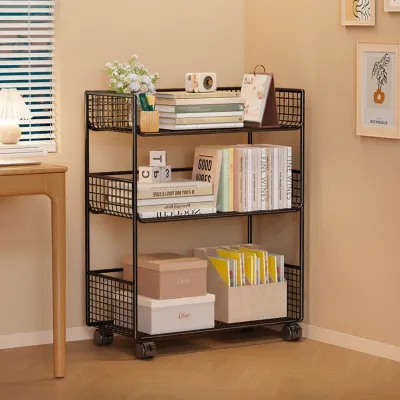
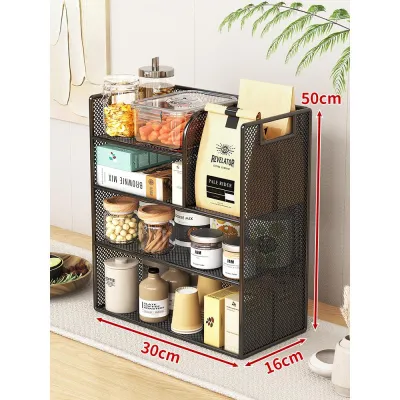
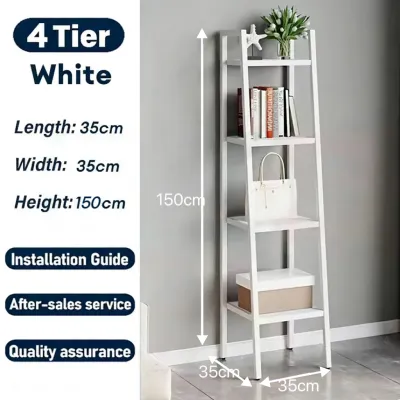
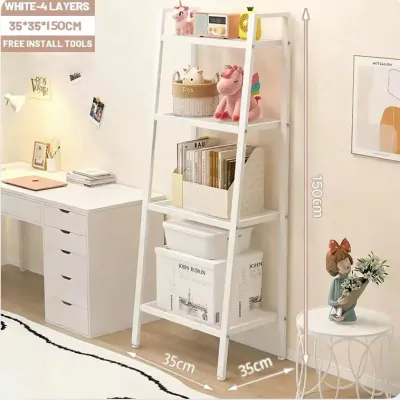
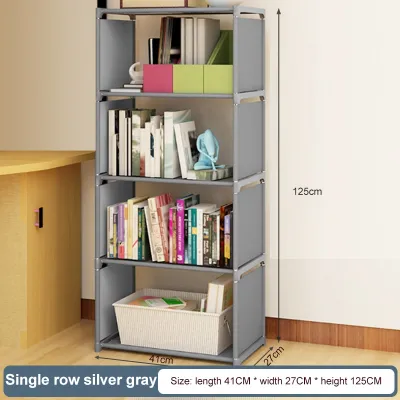
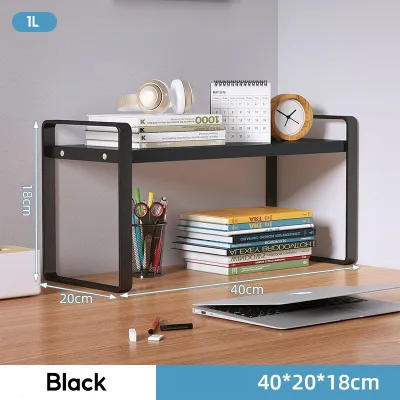
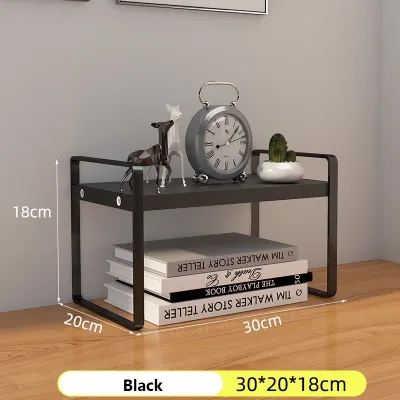
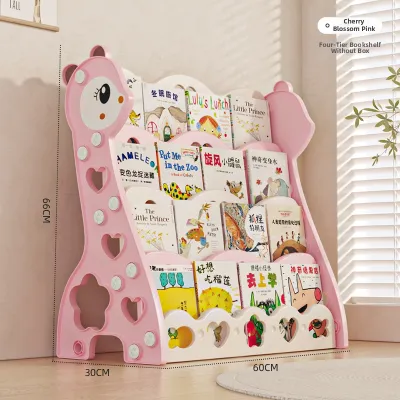
Prices are valid at publication and may change. Please refer to the product page for the latest price.
To calculate the total linear shelf space you need, stack your books horizontally or line them up on a table and measure the total length in centimeters or inches. For example, if your books span a total of 300 centimeters when lined up side-by-side, and the bookshelf you are considering has shelves that are 75 centimeters wide, you will need at least four shelves to accommodate your current collection.
Always account for future acquisitions when choosing your tier count. If you are an avid reader who buys several new volumes each month, selecting a unit with an extra tier or leaving at least twenty percent of your shelf space empty will prevent you from needing another piece of furniture in the near future. Conversely, if you are transitioning to digital reading and only keep a curated selection of physical books, a smaller unit will prevent your room from looking sparse.
Comparing 3-Tier, 4-Tier, and 5-Tier Bookshelves
Multi-layer bookshelves generally fall into three standard configurations, each offering a distinct balance of storage capacity, height, and visual presence. Choosing between them requires comparing how much vertical wall space you are willing to dedicate versus the volume of items you need to store.

A comparison of these configurations reveals distinct trade-offs in room layout. While taller units maximize floor space efficiency, they also exert more visual weight, which can make a small room feel cramped or dark if placed incorrectly.
3-Tier Bookshelves for Compact Spaces
A 3-tier bookshelf is an excellent choice for rooms with limited wall space, low ceilings, or architectural features like low-hanging windows. These shorter units typically stand at a height that allows the top surface to double as an extra display area for lamps, potted plants, or decorative items.
Because of their low center of gravity, 3-tier shelves offer excellent natural stability, making them highly practical for high-traffic areas or homes where wall anchoring is difficult. However, you should still check the manufacturer’s assembly instructions regarding stability and weight distribution to ensure safe daily use.
4-Tier Bookshelves as the Versatile Standard
Standing at an average height that remains easily reachable for most adults, the 4-tier bookshelf serves as a highly versatile middle ground. It provides substantial storage capacity without dominating the visual landscape of a standard-sized living room or home office.
When planning the placement of a 4-tier unit, verify its total height against the location of wall outlets, light switches, and wall-mounted air conditioning units. Ensuring the shelf does not block these fixtures allows for a cleaner installation and prevents inconvenient layout adjustments later.
5-Tier Bookshelves for Maximum Capacity
For dedicated home libraries, study rooms, or extensive book collections, a 5-tier bookshelf offers the maximum storage capacity per square meter of floor space. These tall units utilize vertical space efficiently, making them ideal for rooms with high ceilings where floor area is at a premium.
Because of their height and the significant weight of a fully loaded book collection, 5-tier units have a much higher risk of tipping over. It is essential to check the product manual for mandatory wall-anchoring requirements and use the provided safety hardware, particularly in households with active pets or young children.
Measuring Your Space and Checking Clearances
A successful furniture purchase relies on precise physical measurements of both the final installation site and the path the furniture must travel to get there. Begin by measuring the width, depth, and total vertical height of the wall space where you plan to position the bookshelf.
Do not rely solely on wall-to-wall measurements; remember to account for protruding baseboards, crown moldings, window frames, and light fixtures that might prevent the unit from sitting flush against the wall. A shelf that cannot sit flat against the wall is more difficult to anchor securely and can create unstable gaps.
Additionally, verify the dimensions of your home’s entry points, including doorways, narrow hallways, stairwells, and elevator cabins. This is especially important for residents of high-rise condominiums or apartments where tight corners can make transporting fully assembled furniture or even long flat-pack boxes extremely challenging.
Finally, leave adequate clearance around the bookshelf to ensure comfortable daily use. Ensure there is enough space to open nearby doors and drawers fully, and leave a small gap between the back of the shelf and the wall to promote air circulation, which helps protect your books from moisture buildup in humid tropical climates.
Evaluating Build Quality and Weight Limits
To prevent your shelves from sagging or collapsing under the weight of your collection, you must carefully evaluate the build quality and load limits of the unit. Rather than assuming durability based on material names alone, locate and read the manufacturer’s specified weight capacity per shelf.
Look for structural reinforcements that contribute to long-term stability, such as solid back panels, metal cross-braces, or heavy-duty shelf support pins. Adjustable shelves should fit snugly into their pre-drilled holes without wobbling, and the overall frame should remain rigid when gentle lateral pressure is applied.
Be mindful of how you distribute weight across the tiers, avoiding the temptation to overload individual shelves with dense items like heavy textbooks, encyclopedias, or large binders. Placing your heaviest volumes on the bottom shelf lowers the unit’s center of gravity, which significantly improves stability and reduces the risk of structural failure.
Common Sizing and Placement Mistakes to Avoid
One common mistake when shopping for a multi layer bookshelf is ignoring the depth of the shelves. If the shelves are too shallow, larger books or binders will overhang the edges, creating an untidy appearance and potentially blocking narrow walkways or doorways.
Another frequent error is placing tall, unanchored bookshelves on uneven flooring or thick, plush carpeting. This compromises the unit’s balance and increases the likelihood of tipping, making it critical to verify that the floor surface is level or to use leveling shims as recommended by the manufacturer.
Lastly, avoid making a purchase decision based solely on a low price in ₱ without verifying the internal dimensions of the shelves. A budget-friendly shelf might seem like a bargain, but if the vertical clearance between tiers is too short to accommodate your standard novels or reference books, the unit will fail to serve its primary purpose.
Frequently Asked Questions (FAQ)
Can I combine two 3-tier bookshelves to make a 6-tier unit?
Stacking two independent 3-tier bookshelves to create a taller unit is highly discouraged unless the manufacturer has explicitly designed them for modular stacking and provided the necessary connecting hardware. Attempting to stack standard, non-modular units creates a severe tipping hazard and can cause the lower unit to collapse under loads it was never engineered to support.
How do I prevent a tall multi layer bookshelf from tipping over?
To secure a tall bookshelf, always install the anti-tip safety kit or furniture straps provided by the manufacturer. For the most secure hold, anchor the brackets directly into wall studs rather than relying solely on plastic drywall anchors, which can pull out under the heavy, forward-leaning force of a loaded bookshelf.

Community discussion
Share your experience or ask a question. Comments are reviewed before publication.