
Achieving a serene, clutter-free Japandi living room in the Philippines does not require an extravagant budget. By focusing on a few intentional design choices, you can transform your main seating area into a peaceful sanctuary that balances Japanese minimalism with Scandinavian comfort. The centerpiece of this style is the sofa, which anchors the room’s layout and establishes the overall design tone. Whether you are searching online marketplaces for an affordable sufa or exploring local showrooms for a simple wooden couch, selecting a piece with clean lines and a low profile is the most effective way to start. By pairing a budget-friendly sofa with thoughtful, locally sourced styling elements, you can create a cohesive and inviting space that feels both premium and deeply relaxing.
Defining the Japandi Aesthetic for Your Living Room
The Japandi design style is a harmonious fusion of two distinct yet deeply compatible philosophies: Scandinavian functionality and Japanese rustic minimalism. Scandinavian design contributes a focus on practical utility, clean lines, and cozy warmth, while Japanese minimalism introduces simplicity, organic textures, and an appreciation for natural imperfection. Together, these elements create spaces that feel calm, ordered, and closely connected to nature. In a tropical climate like that of the Philippines, this aesthetic is particularly beneficial because it prioritizes open layouts, light-colored surfaces, and breathable materials that help keep indoor spaces feeling cool and airy.
To establish this look in your living room, you must focus on key design pillars such as uncluttered spatial flow and natural textures. Furniture should be spaced generously to allow air and light to move freely through the room, avoiding the cramped feeling common in over-furnished spaces. The color palette should remain grounded in neutral, earthy tones. Soft creams, warm beiges, muted taupes, and gentle greys serve as your primary canvas, accented by natural wood tones, soft olive greens, or subtle terracotta shades. The sofa serves as the visual anchor for this palette, meaning its color and form will dictate how successfully the rest of the room comes together.
Products mentioned in this guide
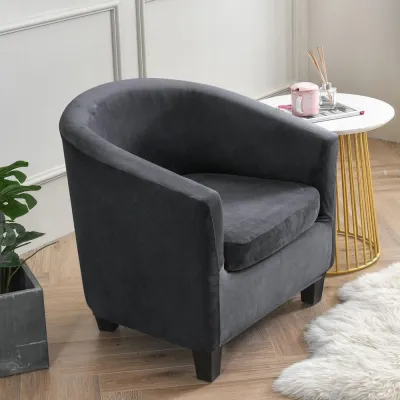
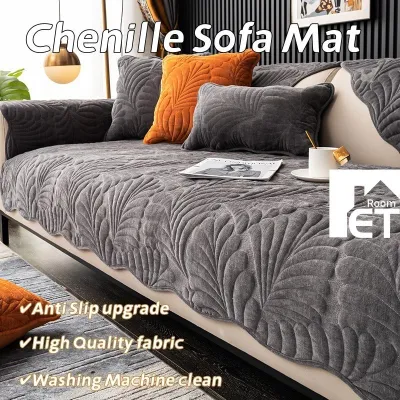
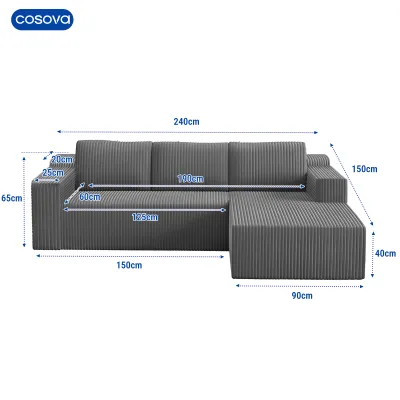
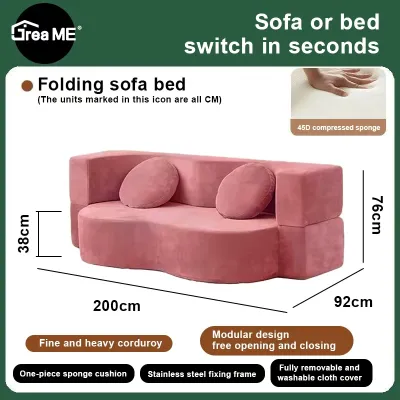
Prices are valid at publication and may change. Please refer to the product page for the latest price.
Setting a Realistic Sofa Budget and Priorities
When furnishing a living room on a budget, allocating your funds wisely requires a clear understanding of where to invest and where to save. For a central piece of furniture like a sofa, structural integrity should always take precedence over trendy aesthetic details or complex modular configurations. A sturdy frame made from solid, kiln-dried wood is essential for long-term durability, especially in the humid climate of the Philippines, where moisture can cause cheaper, untreated woods to warp or degrade over time. Look for robust joinery rather than relying solely on glued or stapled connections, as these structural elements directly impact how well the sofa supports daily use.

While frame stability is a non-negotiable priority, you can easily compromise on premium upholstery options or custom fabric finishes to keep costs low. Standard linen-blend or cotton-blend fabrics often provide the exact textured, natural look required for a Japandi aesthetic at a fraction of the cost of high-end performance textiles. Additionally, when planning your budget, it is crucial to account for hidden expenses that can quickly inflate your total spend. Always calculate delivery fees, assembly charges, and potential return shipping costs in ₱ before making a final decision, as these fees vary significantly depending on your location and the retailer’s policies.
To make an informed choice, establish a simple decision matrix that weighs immediate comfort against long-term durability within your financial limits. A very cheap sofa might feel soft in a showroom but could lose its shape and support within a few months of regular use. Conversely, a slightly firmer, well-constructed sofa might require a small break-in period but will maintain its structural integrity and appearance for years. Investing in a solid foundation allows you to use affordable styling accessories to elevate the overall look over time, rather than needing to replace the entire piece of furniture prematurely.
Choosing the Right Sofa Profile and Materials
Selecting a sofa that fits the Japandi aesthetic involves looking for specific design traits that emphasize simplicity and natural beauty. Low-profile silhouettes are highly suitable for this style, as they sit closer to the ground and create an illusion of higher ceilings and more open vertical space. Look for designs with clean, straight lines and minimal ornamentation. Sofas that feature visible wooden legs or a simple wooden base are particularly effective, as they introduce the warmth of natural timber while keeping the overall profile light and elevated off the floor.
The choice of upholstery material is equally important, especially when considering the tropical warmth and humidity of the Philippines. Heavy, synthetic fabrics or non-breathable faux leathers can trap heat and feel sticky against the skin during warmer months, detracting from the comfort of your living space. Instead, prioritize breathable, natural-looking fabrics such as linen blends or woven cottons. These materials offer a tactile, slightly textured finish that aligns beautifully with the rustic, organic feel of Japanese design while ensuring a comfortable seating experience year-round.
Before purchasing, always verify the fabric composition and review the manufacturer’s care labels. Opt for neutral, earthy tones like oatmeal, sand, light grey, or soft sage, which blend seamlessly into a minimalist color scheme. If you have a busy household with pets or young children, look for fabrics that have been treated for basic stain resistance or those that feature removable, washable cushion covers. This practical step ensures that your light-colored sofa remains clean and presentable without requiring expensive professional cleaning treatments or specialized maintenance routines.
Styling Strategies to Elevate an Affordable Sofa
An affordable sofa can easily look like a high-end designer piece when styled with intention and restraint. The key to elevating a budget-friendly couch is to layer textures rather than colors, creating visual interest without cluttering the physical space. Introduce a lightweight, textured throw blanket made of cotton waffle knit or linen, draping it casually over one corner of the sofa. Pair this with two or three minimalist accent pillows in complementary earthy tones, choosing covers made from natural fibers like canvas, jute, or wool blends to add depth and tactile variety.
To ground the entire seating arrangement, anchor the sofa with a natural fiber area rug. In the Philippines, locally crafted rugs made from abaca, seagrass, or jute are highly accessible, affordable, and perfectly suited to the Japandi aesthetic. These materials bring an organic warmth and texture to the floor, defining the living space while keeping the atmosphere relaxed and breezy. Complement the setup by placing a simple wood or rattan side table next to the sofa, providing a functional surface for a cup of tea or a book without overwhelming the room with heavy furniture.
Achieving a successful Japandi look also relies heavily on the concept of negative space, which means leaving areas of the room intentionally empty. Avoid the temptation to fill every corner with decor or extra seating. By maintaining clear pathways and keeping the walls relatively bare—perhaps featuring a single piece of minimalist artwork or a simple wooden shelf—you allow the eye to rest. This functional simplicity ensures that your affordable sofa remains the comfortable, uncluttered focal point of a peaceful and balanced living environment.
Where to Shop and What to Verify Before Buying
Finding the right sofa requires navigating both local furniture showrooms and online marketplaces with a discerning eye. While online shopping offers convenience and a wide variety of budget-friendly options, it is essential to compare the total checkout cost rather than relying solely on the advertised base price. Some retailers may offer a low initial price but charge substantial shipping fees for bulky items, especially if you live outside major urban centers. Whenever possible, visit local physical stores to test the comfort, frame stability, and fabric texture in person before committing to a purchase.
Before finalizing any order, precise measurement is absolutely critical to avoid costly delivery mishaps. Measure the available floor space in your living room, ensuring there is ample clearance for walking paths and other furniture. Additionally, measure every doorway, hallway, stairwell, and elevator door that the delivery team must navigate to reach your home. A sofa that fits beautifully in your living room is of little use if it cannot pass through the main entrance of your building or house, making these physical checks a vital part of the buying process.
Finally, take the time to thoroughly review the retailer’s warranty terms, return policies, and verified buyer feedback. Look specifically for reviews from customers who have owned the sofa for six months or longer, as these often provide honest insights into how well the cushions hold their shape and whether the fabric is prone to pilling or fading. Understanding the return policy is especially important when buying online, as it gives you a clear path of action if the product arrives with manufacturing defects or does not match the advertised specifications.
Frequently Asked Questions (FAQ)
Can I use a slipcover to update an existing sofa for a Japandi look?
Using a high-quality slipcover is an exceptionally budget-friendly way to transform an existing sofa into a Japandi-style masterpiece without the expense of buying new furniture. To achieve a tailored, intentional look rather than a messy or loose appearance, select a slipcover made from a heavy-weight fabric like linen or a structured cotton blend. Ensure the color matches your neutral palette, opting for shades like off-white, beige, or soft sand, and verify that the dimensions of the cover align closely with your specific sofa model to prevent excess fabric from bunching.
Before applying a new slipcover, always check the manufacturer’s guidelines for both the cover and your original sofa. Some delicate upholstery fabrics, such as certain velvets or faux leathers, can be damaged by the friction of a tight slipcover or may trap moisture underneath in humid tropical climates. Ensuring that the slipcover material is breathable and safe for the underlying fabric will protect your original furniture while giving your living room a fresh, clean, and minimalist aesthetic.
How do I clean and maintain light-colored Japandi sofa fabrics?
Maintaining the pristine appearance of a light-colored Japandi sofa in a tropical environment requires a consistent, gentle cleaning routine. Dust and outdoor pollutants can easily settle into light fabrics, so vacuum the upholstery weekly using a soft brush attachment to prevent dirt from becoming embedded in the fibers. Always refer to the specific care labels and manufacturer instructions attached to your sofa, as different fabric blends require distinct cleaning methods, often designated by standard cleaning codes.
For accidental spills, immediate spot cleaning is essential to prevent permanent staining. Use a clean, dry white cloth to blot away excess liquid, working from the outside of the stain inward to avoid spreading it. Apply only mild, fabric-safe cleaning agents recommended by the manufacturer, and avoid harsh scrubbing, which can weaken the fabric weave and cause pilling. If a stubborn stain persists or if the fabric requires a deep overall clean, it is best to stop and consult a professional upholstery cleaning service to avoid damaging the material.

Community discussion
Share your experience or ask a question. Comments are reviewed before publication.