
Maximizing a compact condominium layout requires shifting your storage strategy from horizontal expansion to vertical utilization. By using a stackable storage box system, you can reclaim valuable floor space while keeping your belongings organized. The key to preventing a cramped, cluttered feel lies in selecting boxes with low visual weight, stacking them safely with proper weight distribution, and placing them in underutilized architectural zones.
Assess Your Space and Select the Right Stackable Storage Boxes
Before purchasing any stackable storage box, it is essential to measure your condo’s physical dimensions and access routes. Narrow hallways, compact elevators, and tight doorways are common in high-rise developments, and failing to account for them can make transporting large containers highly frustrating. Measure the height, width, and depth of the specific areas where you plan to place your stacks, such as inside a built-in wardrobe, under a bed, or within a recessed wall alcove. Remember to account for baseboards, light switches, wall outlets, and door swings, as even a few millimeters of misalignment can prevent a box from fitting perfectly.
When evaluating different storage options, always check the manufacturer’s specifications for stackability, interlocking features, and weight capacity. High-quality stackable boxes feature molded lids with recessed channels or structural lips that lock securely into the base of the container above them. This interlocking design prevents the boxes from sliding or shifting when stacked. Avoid mixing and matching different brands or models unless they are explicitly designed to be compatible, as mismatched lids compromise the stability of the entire stack.
Products mentioned in this guide
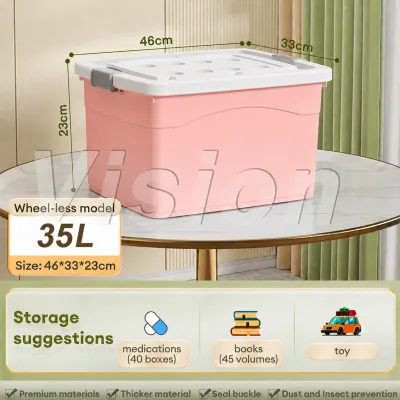
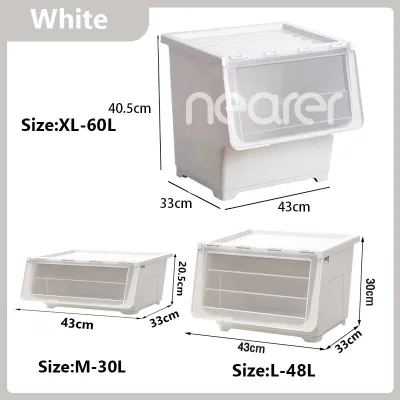
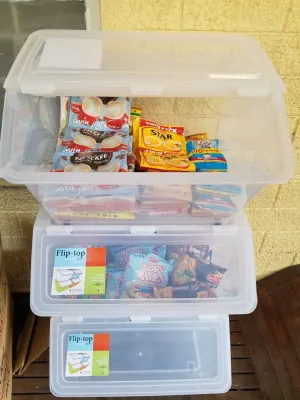
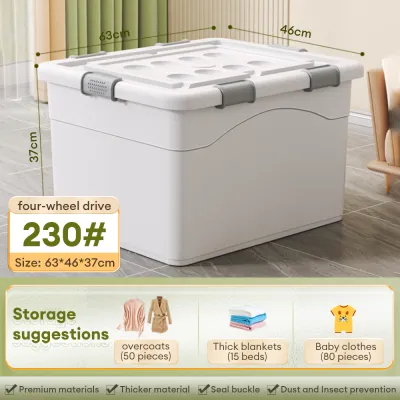
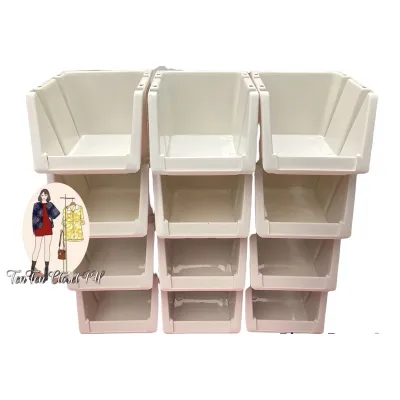
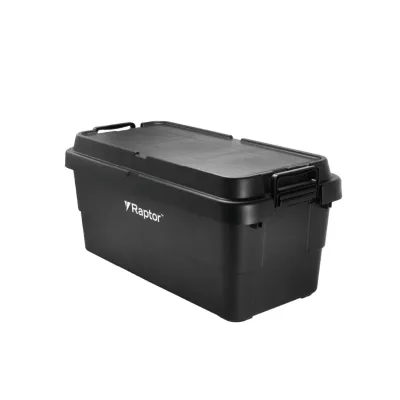
Prices are valid at publication and may change. Please refer to the product page for the latest price.
The visual weight of your storage containers plays a massive role in how spacious your condo feels. Translucent or clear plastic boxes are highly functional because they allow you to identify the contents at a glance, but they can also introduce visual clutter if they are filled with mismatched, colorful items. To maintain a clean, minimalist aesthetic, consider using solid-colored boxes in neutral tones like white, beige, or light gray that match your walls. If you prefer clear boxes, reserve them for enclosed spaces like closets, and use opaque, uniform containers for open areas to create a seamless, built-in look.
Safe and Strategic Stacking Techniques
Building a stable vertical stack requires careful planning and adherence to basic physics. The most critical rule of vertical storage is to distribute weight properly by placing your heaviest, densest items in the bottom boxes. Items such as books, heavy kitchen appliances, or thick blankets should form the base of your stack to lower the center of gravity. As you move higher up the stack, place progressively lighter items, such as seasonal clothing, linens, or lightweight plastic accessories, in the upper containers. This bottom-heavy configuration significantly reduces the risk of the stack tipping over.

Before adding a box to a stack, verify that the interlocking mechanisms are fully engaged. The structural lip of the upper box must sit snugly within the lid groove of the lower box. If a lid is bulging because the container is overfilled, do not attempt to stack another box on top of it. Overfilling forces the weight onto the center of the lid rather than the reinforced outer edges, which can cause the lid to crack and the stack to collapse. Ensure all lids are flat, secure, and locked before building upward.
In high-rise condominiums, safety regulations and environmental factors must dictate your stacking height. Always leave adequate clearance between the top of your stack and the ceiling, light fixtures, and ceiling sprinkler heads. Blocking a fire sprinkler can violate building safety codes and hinder its effectiveness in an emergency. Additionally, leaving space at the top allows for proper airflow, which is crucial in the humid tropical climate of the Philippines to prevent mold and mildew from developing in stagnant air pockets.
Never ignore the physical warning signs of an unstable stack. If you notice any box bowing, leaning, or showing signs of structural fatigue, stop stacking immediately. Dismantle the column and inspect each container for damage. Plastic boxes can degrade or warp over time when subjected to excessive weight or high temperatures. If the manufacturer’s guidelines do not specify a maximum stacking height or weight limit, err on the side of caution and keep your stacks at a conservative, manageable height.
Layout Strategies to Maintain an Open Feel
The way you position your stacked storage boxes determines whether your condo feels like a cozy sanctuary or a crowded warehouse. To maintain an open, airy atmosphere, group your stacks in architectural dead zones rather than scattering them across open walls. Dead zones include the spaces behind doors, empty corners, alcoves, or the unused areas beside large furniture pieces like wardrobes and refrigerators. Consolidating your storage into these natural recesses keeps your main walls clear, preserving the long sightlines that make a small room feel larger.
Maintaining visual symmetry is another powerful technique for reducing visual clutter. When arranging multiple stacks side by side, aim for uniform heights and alignments. A neat row of identical stacks at the same height mimics the clean lines of custom cabinetry, blending into the room’s architecture. If you must use boxes of different sizes, place the tallest stacks in the corners and taper them down toward the center, or keep different sizes grouped together in separate, organized zones to avoid a jagged, chaotic silhouette.
Always prioritize the flow of foot traffic and natural light when planning your layout. Ensure that your stacks do not encroach on primary walkways, leaving at least 60 to 90 centimeters of clear space so you can move comfortably through your condo. Crucially, avoid placing stacks where they block windows, balcony doors, or ventilation paths. Natural light is essential for making small spaces feel bright and open, and blocking it will instantly make your condo feel dark and cramped. Keeping pathways clear also ensures that air can circulate freely, helping to regulate indoor humidity.
Styling and Integrating Stacks Into Your Decor
With a few styling adjustments, you can transform utilitarian storage boxes into attractive design elements that complement your home decor. A highly effective starting point is to implement a consistent, minimalist labeling system. Instead of using messy handwriting or bright, mismatched sticky notes, use a label maker or print uniform labels in a simple, clean font. Place the labels in the exact same position on each box. This not only makes finding your belongings effortless but also contributes to a sense of order and intentional design.
For lower, highly stable stacks, you can use the top surface as a display area to soften the industrial look of the containers. Placing a lightweight decorative tray, a small trailing plant like a pothos, or a couple of art books on top of a stable stack makes it look like a deliberate piece of furniture. Ensure that any decorative items are lightweight and easy to remove so they do not interfere with your ability to access the storage when needed.
If you prefer to keep your storage completely out of sight, utilize room dividers, tension rods, or open shelving frames to visually frame the stacks. Placing stackable boxes inside an open shelving unit provides physical support and structure, preventing the boxes from shifting while creating a polished, organized look. Alternatively, you can install a simple tension rod with a lightweight, neutral-colored curtain to partition off a storage corner, keeping your belongings hidden from view while maintaining a clean, uncluttered living space.
Maintaining and Adjusting Your Storage Setup
A vertical storage system is not a set-it-and-forget-it solution; it requires regular maintenance to remain safe and functional. Schedule a seasonal review every few months to evaluate the contents of your boxes. Take this opportunity to declutter, breaking down any empty boxes you no longer need and donating or recycling items that are no longer useful. Keeping your storage lean prevents your stacks from growing unnecessarily tall and overwhelming your living space.
During your regular reviews, conduct a thorough physical inspection of each storage box. Check for signs of wear, warping, lid fatigue, or structural stress, especially on the bottom containers which bear the most weight. In the Philippines, high humidity can sometimes affect the structural integrity of certain materials, so ensuring that your plastic or fabric containers remain dry and sturdy is essential for long-term safety. Replace any damaged or compromised boxes immediately to prevent accidental collapses.
Finally, practice smart rotation to keep your daily routine seamless. Store frequently used items, such as daily wear, cooking gadgets, or work documents, in the middle boxes of your stacks where they are easiest to reach. Reserve the very bottom and very top boxes for seasonal or rarely used items, such as holiday decorations, travel luggage, or rainy-season gear. This thoughtful arrangement ensures you can access your everyday essentials without having to constantly dismantle and rebuild your vertical stacks.
Frequently Asked Questions (FAQ)
How high is it safe to stack storage boxes without anchoring?
The safe stacking height for unanchored storage boxes depends entirely on the manufacturer’s specifications, the weight of the contents, and the design of the interlocking lids. As a general safety guideline, unanchored stacks should not exceed chest height to ensure they remain stable and easy to manage. Always perform a physical check after building a stack: if the column leans, bows, or shifts slightly when gently nudged, it is unstable and must be shortened. To minimize safety risks, keep tall, unanchored stacks completely away from high-traffic walkways, entryways, and areas where children or pets could accidentally bump into them.
Can I use a stackable storage box as a makeshift table or seat?
You should avoid using standard stackable storage boxes as makeshift tables or seats unless the manufacturer explicitly states that they are rated for load-bearing dynamic weight. Most standard plastic or fabric storage containers are engineered only to support static vertical loads distributed evenly along their reinforced outer edges. Sitting or standing on a storage box concentrates your body weight in the center of the lid, which can lead to immediate structural failure, lid cracking, or a complete collapse. Using storage boxes outside of their intended design parameters also voids any manufacturer warranties and poses a significant risk of personal injury.

Community discussion
Share your experience or ask a question. Comments are reviewed before publication.