
Building an efficient closet system does not require expensive custom renovations. By strategically combining a freestanding metal shoe rack, versatile hangers, and fabric storage bags, you can maximize every inch of your wardrobe. The key to success lies in vertical zoning: placing heavy footwear at the base, daily garments in the middle, and lightweight, seasonal items on top. This approach keeps your daily essentials accessible while protecting your belongings from dust and tropical humidity.
Assessing Closet Dimensions and Storage Requirements
Before purchasing any organizers, you must understand the physical boundaries of your closet. Start by measuring the interior height, width, and depth with a standard tape measure. Pay close attention to how your closet doors open; sliding doors often restrict access to one side at a time, while hinged doors require clearance so they do not strike your metal shoe rack when closed.
Next, take a complete inventory of your wardrobe. Group your items by weight, frequency of use, and sensitivity to moisture. In warm, humid climates, natural fibers like cotton and linen require adequate airflow, whereas delicate fabrics need protection from dust and pests. Knowing exactly how many pairs of shoes, long dresses, and folded items you own prevents overbuying storage components.
Products mentioned in this guide
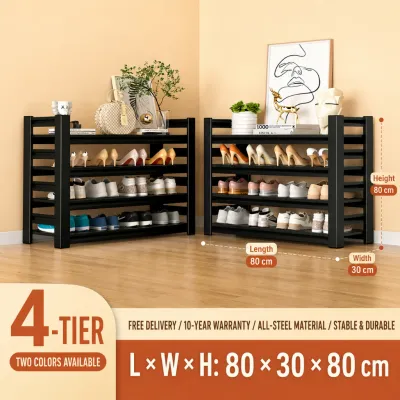
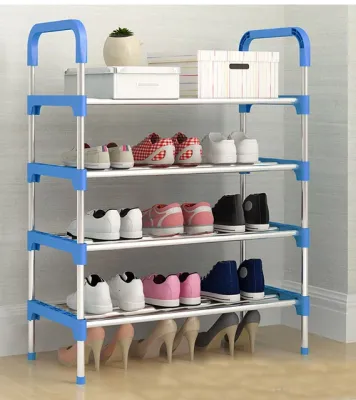
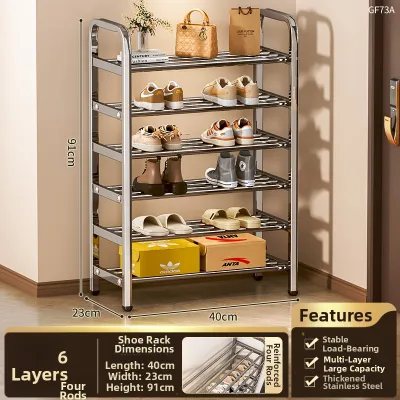
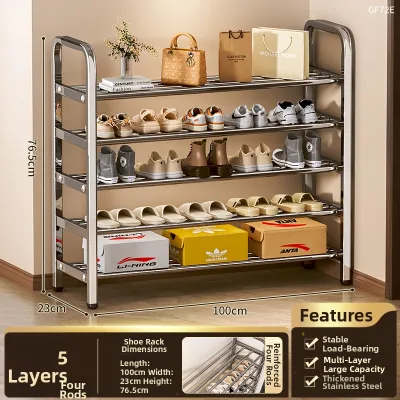
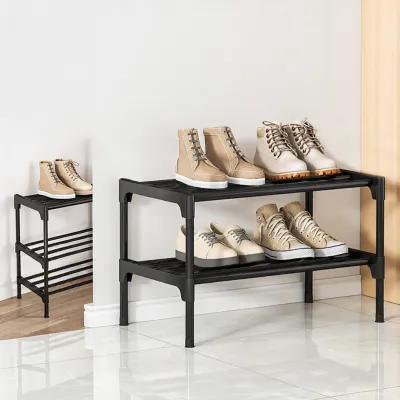
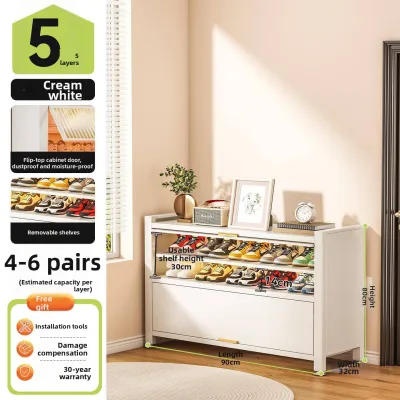
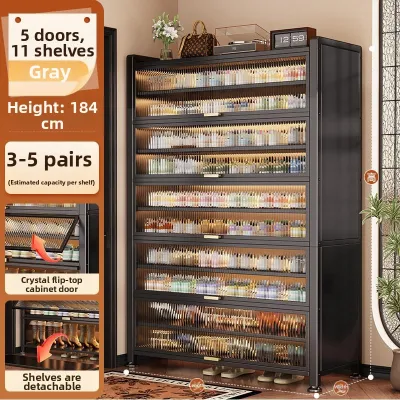
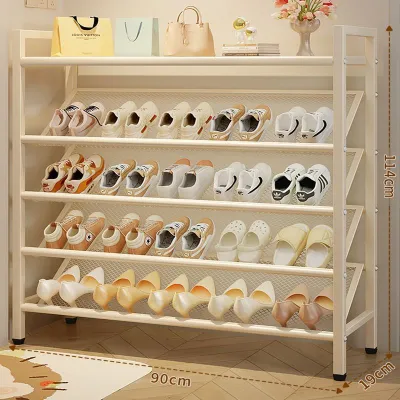
Prices are valid at publication and may change. Please refer to the product page for the latest price.
Finally, inspect the structural integrity of your existing closet. Check the thickness of the closet rod and the stability of the shelf brackets. Hanging organizers concentrate weight on a single point of the rod, so you must verify that the rod is securely anchored to the wall studs or side panels before adding heavy garments.
Zoning Your Closet for Shoes, Garments, and Seasonal Items
A well-zoned closet streamlines your morning routine and preserves the condition of your clothes. The lowest zone, right on the floor, is the ideal home for your metal shoe rack. Placing the rack here utilizes space that often becomes a cluttered pile of footwear. Ensure the depth of the shoe rack allows the closet doors to close completely without pressing against your shoes.

The middle zone is your primary active storage area. This space should be dedicated to hangers and vertical hanging organizers. Group your garments by length—such as shirts on one side and long trousers or dresses on the other—to open up valuable floor space beneath the shorter items. This layout allows you to slide your metal shoe rack directly under your shorter shirts, maximizing vertical efficiency.
The highest shelves and deep, hard-to-reach corners form the upper zone. Reserve these areas for lightweight storage bags filled with off-season apparel, extra bedding, or travel gear. Keeping these items elevated keeps them out of your daily way while ensuring they remain organized and dust-free.
Assembling and Arranging Your Closet Components
When you are ready to assemble your closet system, start from the bottom up. Assemble your metal shoe rack according to the manufacturer’s instructions, checking that all joints are tight and secure. Place it in its designated spot and verify its stability; if the floor is slightly uneven, adjust the leveling feet if your model has them. Ensure no sharp metal edges or exposed screws face inward where they could snag your clothes or scratch your shoes.
Next, address the middle zone by hanging your organizers and hangers. Distribute the weight of your garments evenly across the closet rod rather than clustering heavy jackets in one spot. If you are using fabric hanging shelves, secure the hook-and-loop fasteners tightly around the rod, making sure the shelves hang perfectly vertical to prevent items from sliding out.
Finally, pack your storage bags carefully. Avoid overstuffing them, as bulging bags are difficult to stack and can put unnecessary stress on the zippers. When lifting the packed bags onto high shelves, use a sturdy step stool and lift with your legs to avoid muscle strain. Ensure the bags sit flat on the shelf and do not overhang the edge, which could cause them to fall.
Maintaining Stability and Condition Over Time
To keep your closet system safe and functional, establish a simple maintenance routine. Periodically inspect your metal shoe rack for signs of wear. In humid tropical environments, moisture can compromise low-quality metal finishes; check the joints and corners for any signs of rust or paint chipping. Wipe the rack down with a dry microfiber cloth to remove dust and prevent moisture buildup.
Regularly examine your hanging rods and brackets for any signs of bowing or stress fractures. If you notice a rod starting to sag, immediately redistribute some of the weight to other areas or reinforce the rod with an additional support bracket. Overloading a closet rod can lead to sudden failure, damaging both your organizers and your drywall.
Lastly, rotate the contents of your storage bags seasonally. When opening the bags, check that the zippers and seals remain fully intact to keep out dust, silverfish, and other pests. This rotation also gives you an opportunity to air out garments that have been stored for several months, keeping your wardrobe fresh and ready to wear.
Frequently Asked Questions (FAQ)
Can I place a metal shoe rack on a carpeted closet floor?
Yes, you can place a metal shoe rack on a carpeted floor, but you must take steps to ensure stability. Soft carpet and padding can cause a narrow shoe rack to wobble or tip forward when loaded with shoes. To prevent this, place a solid wooden board or a rigid plastic mat underneath the rack to distribute the weight evenly. Additionally, look for shoe racks with wide, flat feet rather than thin metal posts, which can leave deep, permanent indentations in your carpet fibers.
How do I prevent musty odors in storage bags placed on high shelves?
Preventing musty odors in enclosed storage bags requires keeping moisture out. Always ensure that every item of clothing or bedding is completely dry before packing it away; even a tiny amount of residual humidity can lead to mildew in a sealed environment. Place a few silica gel desiccant packs or charcoal odor absorbers inside each bag before sealing it. Avoid packing the bags so tightly that air cannot circulate at all, and choose breathable fabric bags over airtight plastic ones if your closet is prone to humidity.
What should I do if the hanging organizer sags under the weight of my clothes?
If your hanging organizer begins to sag, it is a clear sign that the weight limit has been exceeded. Start by removing heavy items, such as thick jackets or heavy denim, and transfer them to sturdy hangers directly on the main closet rod. Use the hanging organizer primarily for lightweight items like t-shirts, folded knitwear, or accessories. You can also check if the organizer’s shelves can be reinforced by inserting custom-cut pieces of thick cardboard or thin plastic sheets into the bottom of each compartment to keep them flat.

Community discussion
Share your experience or ask a question. Comments are reviewed before publication.