
To find a family-sized convertible sofa to bed that accommodates three to five people in the Philippines, you must look beyond surface aesthetics and evaluate structural integrity, conversion mechanisms, and spatial clearance. While a large sectional may comfortably seat a full household during a movie night, its sleeping capacity is typically limited to two or three adults. Choosing the right model requires verifying the frame construction, checking the fabric’s resistance to tropical humidity, and measuring your living space to ensure the unit can fully deploy without blocking essential pathways. By focusing on these practical verification steps, you can select a durable, comfortable piece of furniture that serves your household effectively for years.
Key Sizing and Capacity Checks for 3-5 Seater Sofa Beds
When evaluating a convertible sofa to bed, it is vital to distinguish between seating capacity and sleeping capacity. A large sectional or a five-seater L-shaped sofa offers generous space for the family to sit together, but the converted sleeping area is constrained by standard mattress dimensions. Most three-seater sofa beds unfold into a double or queen-size bed, which comfortably sleeps two adults. Even a massive five-seater modular sofa bed rarely provides more than a king-size sleeping surface, meaning it cannot sleep five people. Always check the manufacturer’s specifications for the exact dimensions of the sleeping surface rather than relying on the seating designation.
Structural weight limits are another critical factor for high-traffic family furniture. A family of three to five people, along with occasional guests, can easily exceed 300 kilograms of combined weight. Look for manufacturer specifications that detail the maximum weight capacity for both the seating frame and the extended bed mechanism. High-quality models often feature reinforced steel frames or solid hardwood supports designed to handle heavy, dynamic loads. If a product listing does not specify a weight limit, treat this as a check to perform and contact the seller to verify the structural capacity before purchasing.
Products mentioned in this guide
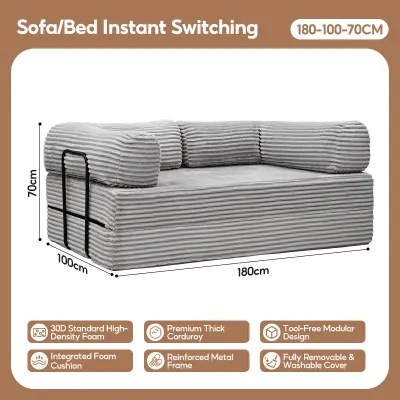
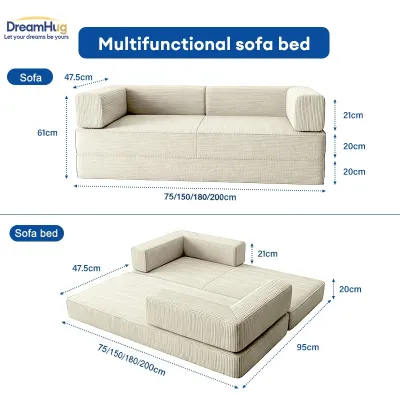
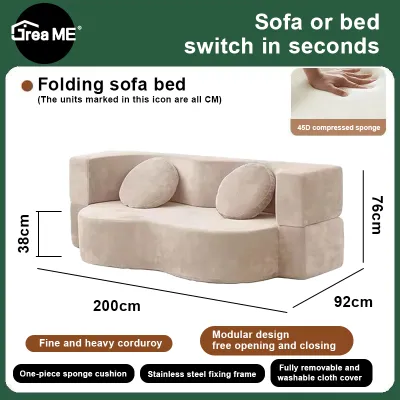
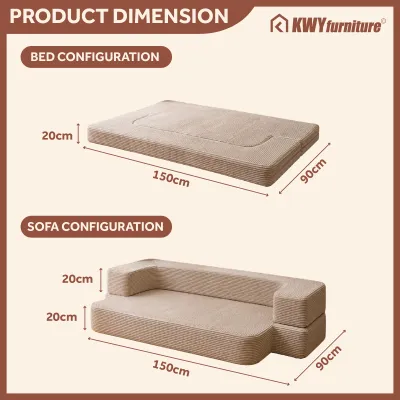
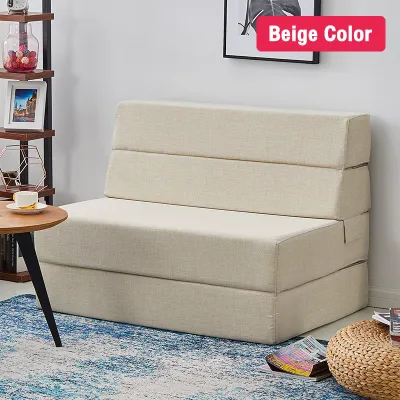
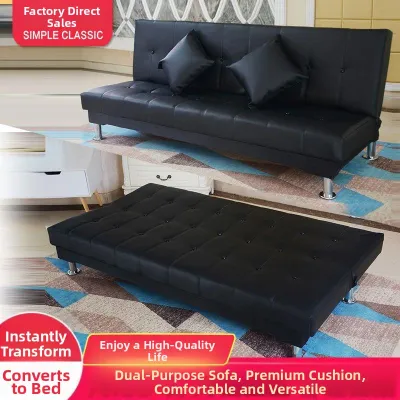
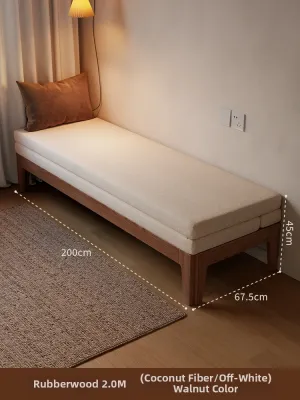
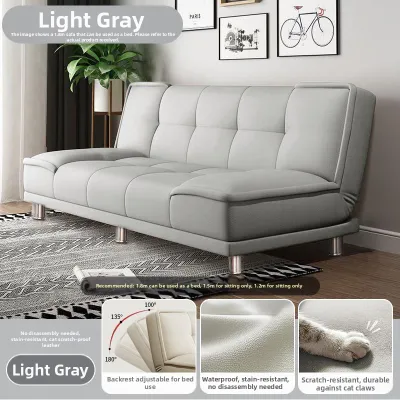
Prices are valid at publication and may change. Please refer to the product page for the latest price.
Daily seating comfort depends heavily on seat depth and cushion density. For a family sofa, a seat depth of 55 to 60 centimeters allows adults to sit comfortably with proper back support, while children can lounge easily. Cushion density is measured in kilograms per cubic meter. Look for high-density polyurethane foam with a rating of 30 kilograms per cubic meter or higher, or pocket spring cores wrapped in foam. Low-density foam cushions will sag within a few months of heavy daily use, leading to an uncomfortable seating experience and a bumpy, unsupportive sleeping surface.
Comparing Conversion Mechanisms for Daily and Occasional Use
The mechanism you choose determines how easily the sofa converts into a bed and how well it withstands frequent use. The click-clack mechanism is a popular, budget-friendly option where the backrest folds down flat to align with the seat. While simple to operate, click-clack sofas require you to leave a gap between the sofa back and the wall, or physically push the sofa forward every time you want to sleep. Because you sleep directly on the seating cushions, these models are best suited for occasional guest use rather than daily sleeping, as the cushions can wear unevenly over time.

For more frequent use, a pull-out trundle or drawer mechanism is highly practical, especially in L-shaped sectionals. With this design, a sleeping platform rolls out from under the main seat cushions on wheels and lifts up to create a large, flat surface. This mechanism is excellent for family movie nights and daily lounging because it is quick to deploy. However, you must ensure your living room floor is level and free of thick, high-pile rugs that can jam the wheels or scratch delicate wooden flooring during operation.
Traditional pull-out sofa beds feature a dedicated mattress folded inside the frame, completely separate from the seating cushions. This design offers a highly consistent and comfortable sleeping surface, making it the preferred choice if the bed will be used regularly. The trade-off is that the metal bi-fold or tri-fold frame is heavy and requires significant physical effort to lift and pull out. If elderly family members or children will need to operate the bed, test the mechanism in-store to ensure it can be handled safely and comfortably.
Modular sofa beds offer the ultimate flexibility for large families. These consist of individual seating blocks and matching ottomans that can be rearranged to form a large sleeping platform. While highly versatile, modular pieces can slide apart during the night if they lack secure connectors. Verify that the modular units feature heavy-duty alligator clips or interlocking metal brackets on the undersides to keep the sections firmly locked together when configured as a bed.
Space Planning and Clearance for Large Convertible Sofas
A common mistake when buying a three-to-five-seater convertible sofa bed is measuring only the space it occupies when folded. A large sofa bed can extend up to 220 centimeters into the room when fully deployed. You must measure your living room carefully and map out the footprint of the sofa in both its closed and open states. Use painter’s tape on the floor to visualize the fully extended bed and ensure it does not block main walkways, hallway entrances, or balcony doors.
In addition to the sofa’s footprint, account for the surrounding clearance and existing furniture. You need at least 60 centimeters of walking space around the sides and foot of the deployed bed to move comfortably. Consider what will happen to your coffee table, side tables, and floor lamps when the bed is open. If you have to move heavy furniture to another room every time you convert the sofa, the setup will quickly become a hassle. Ensure the open bed does not block the airflow from your air conditioning unit or stand too close to wall outlets and light switches.
Delivery access is a critical bottleneck in the Philippines, particularly for residents of high-rise condominiums, townhouses, or subdivisions with narrow streets. A fully assembled three-seater or L-shaped sofa bed is incredibly bulky and heavy. Measure the height, width, and diagonal clearance of your front door, hallway corners, stairwells, and elevator doors. Many large sofa beds cannot fit into standard condo elevators or around tight stairwell turns. To avoid delivery failures, look for models that are delivered flat-packed and assembled directly in your living room, or verify that the sofa can be disassembled into smaller sections.
Upholstery and Frame Verification for High-Traffic Households
The tropical climate of the Philippines, characterized by high humidity and intense heat, demands careful selection of upholstery materials. Synthetic leathers like polyurethane or polyvinyl chloride are prone to cracking and peeling in humid conditions, and they can feel sticky and uncomfortable against the skin when the air conditioning is off. For a family-friendly option, look for breathable woven fabrics, linen-polyester blends, or specialized performance fabrics. These materials allow air circulation, keeping the seating cool and comfortable during the hot summer months.
To verify the durability of the fabric, look for the Martindale or Wyzenbeek rub count in the product specifications. For a busy household with children and pets, a fabric with a rub count of 20,000 to 30,000 double rubs is recommended for heavy domestic use. Additionally, check the cleaning codes on the product label. Fabrics labeled with code “W” can be cleaned with water-based cleaning agents, making them easier to maintain when spills occur. Avoid fabrics that require dry-cleaning only if you have young children or pets, as maintaining them can be costly and inconvenient.
The internal frame is the backbone of your convertible sofa and must withstand constant mechanical stress. Look for frames constructed from kiln-dried hardwoods, such as mahogany, gmelina, or acacia, which are resistant to warping and insect infestation in humid climates. Avoid frames made entirely of cheap particleboard or medium-density fiberboard, as these materials can sag, crack, or strip around screw holes under the weight of multiple users. The joints should be secured with dowels, screws, and corner blocks rather than simple staples or glue.
Removable and washable covers are a lifesaver for high-traffic family sofas. Check if the seat and back cushion covers feature heavy-duty zippers that allow you to remove them for washing. If the entire sofa cover is removable, it makes deep cleaning much easier and allows you to replace the cover entirely if it becomes stained or worn over time, extending the lifespan of your furniture investment.
Building Your Shortlist and Pre-Purchase Verification
Before finalizing your purchase, carefully review the manufacturer’s warranty terms. A standard furniture warranty may cover the wooden frame for several years but offer much shorter coverage for the moving metal parts of the conversion mechanism or the fabric upholstery. Ensure that the mechanical components are covered under a clear warranty policy, as these parts undergo the most physical wear and tear. Keep a copy of the warranty certificate and understand the process for claiming repairs or replacement parts.
Calculate the total cost of ownership, which often includes fees beyond the retail price of the sofa. Oversized and heavy items like three-to-five-seater sofa beds usually incur higher delivery charges, especially if you live outside major metropolitan areas or require manual carrying up multiple flights of stairs. Ask the retailer if professional assembly is included in the price or available for an additional fee ₱. Professional assembly is highly recommended for complex pull-out or modular sofa beds, as incorrect installation can misalign the mechanism, leading to premature wear or operational failure.
Whenever possible, visit a physical showroom to test the sofa bed in person. Sit on the cushions to check the firmness, lie down to evaluate the sleeping support, and personally operate the conversion mechanism several times. If you are purchasing from an online marketplace, rely on detailed customer photos, read verified buyer reviews regarding durability, and check the seller’s return policy. Ensure there is a clear inspection window upon delivery so you can examine the frame, fabric, and mechanism for any transit damage before signing the acceptance receipt.
Frequently Asked Questions (FAQ)
How often should I rotate or flip the mattress on a pull-out sofa bed?
To maintain even wear and prevent sagging, you should rotate the mattress end-to-end every three to six months, especially if the bed is used frequently. If the mattress is double-sided, flip it over as well during this routine. Always consult the manufacturer’s care label first, as some specialized memory foam or zoned mattresses are designed with a specific top layer and should only be rotated, never flipped.
Can a 3-seater convertible sofa comfortably sleep three adults?
No, a standard three-seater convertible sofa bed typically deploys into a double or queen-size sleeping surface, which is designed to comfortably accommodate only two adults. Attempting to sleep three adults on a single sofa bed is highly impractical due to width limitations and weight capacity constraints. For households that regularly need to accommodate three or more sleeping guests, a larger modular sectional or multiple separate sleeping solutions are recommended.

Community discussion
Share your experience or ask a question. Comments are reviewed before publication.