
A 6-10 seater dining table set serves as the social anchor of a large household, hosting everything from daily multi-generational meals to festive family gatherings. In the Philippines, where dining is central to family life and homes often experience high humidity and warm temperatures, selecting the right table with chair set requires balancing spatial constraints with structural resilience. Finding the ideal set is not about chasing a single universal brand, but rather understanding how to evaluate dimensions, material finishes, and structural joints to match your home’s specific layout and environmental conditions.
To make a successful investment, you must look beyond surface aesthetics. A dining set that is too large will disrupt the flow of your home, while one made with delicate materials may quickly deteriorate under the demands of daily use and tropical climates. By systematically assessing your space, comparing configurations, and verifying manufacturing details, you can secure a dining set that offers both comfort and longevity.
Assessing Your Space and Layout Requirements
Before browsing designs, you must establish the maximum physical footprint your dining room can accommodate. Begin by measuring the overall length and width of the room using a steel measuring tape. Note any permanent architectural features such as structural columns, low windowsills, baseboards, or built-in cabinetry that project into the room. Subtract these obstructions from your total measurements to determine the actual usable floor space available for your dining arrangement.
Products mentioned in this guide
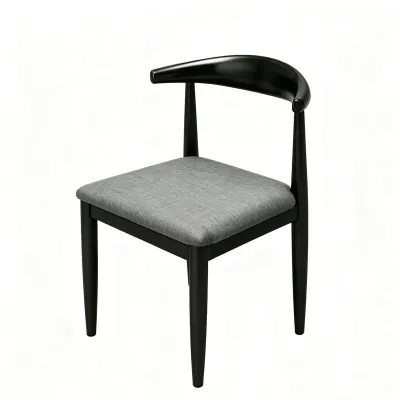
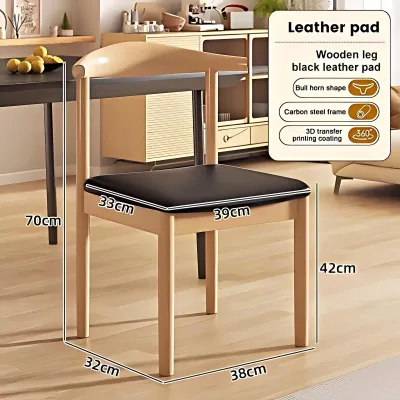
Prices are valid at publication and may change. Please refer to the product page for the latest price.
Clearance around the perimeter of the table is critical for maintaining a functional home. To allow family members to pull out chairs, sit comfortably, and rise without hitting walls, you need a minimum clearance of 90 centimeters between the table edge and the nearest wall or piece of furniture. If the area behind the chairs serves as a primary walkway through the house, increase this clearance to 120 centimeters to prevent bottlenecks during busy meal times.
Delivery logistics are a frequently overlooked bottleneck when purchasing large furniture. A 10-seater table top is exceptionally long and heavy, often requiring careful maneuvering through tight spaces. Measure the width and height of all entry doorways, hallway turns, elevator doors, and stairway landings from your building’s entrance to your dining room. If you live in a multi-story townhouse or a high-rise condominium, confirm these dimensions with your building administration to ensure the packaged furniture can physically reach your unit.
Environmental factors within your dining room also dictate table placement. Identify the locations of air conditioning vents, wall-mounted fans, and large windows. Direct, continuous drafts from air conditioners can cause solid wood tables to dry unevenly and warp over time, while direct sunlight can fade finishes and crack veneers. Additionally, locate nearby wall outlets; if your family enjoys tabletop cooking, such as hotpot or electric grills, positioning the table near safe power sources without creating tripping hazards is a key layout consideration.
Evaluating Table Shapes and Seating Configurations
Table shape directly influences how people interact and how efficiently the furniture utilizes your floor plan. Rectangular tables are the traditional choice for large families, aligning naturally with long, narrow dining rooms and maximizing seating along the straight edges. Oval tables offer similar seating capacities but feature rounded corners that soften the room’s visual lines and improve traffic flow in tighter spaces. Round tables excel at fostering conversation and equal sightlines among all guests, but a round table large enough to seat 10 people requires a massive, square room and can make reaching center dishes difficult without a rotating tray.

For families who host occasionally but prefer more floor space for daily living, an extendable dining table offers the ideal compromise. These tables utilize various mechanisms to expand their surface area when needed. Butterfly leaf mechanisms store the extension panels directly beneath the tabletop, sliding out smoothly on integrated tracks. Removable leaves must be stored separately in a closet or under a bed, where they must be protected from warping due to humidity. Drop-leaf designs feature hinged ends that hang down when not in use, providing a quick way to scale down the table footprint.
Choosing between individual chairs and bench seating involves balancing capacity, comfort, and accessibility. Benches are highly efficient for accommodating children, as they allow multiple kids to sit together without the physical boundaries of individual chair frames. Benches can also be tucked completely under the table when not in use, freeing up valuable floor space. However, they lack back support, making them less suitable for older family members who require ergonomic seating for extended periods. A hybrid configuration—using individual chairs along one side and the heads of the table, paired with a bench on the opposite side—often provides the best of both worlds.
Under-table clearance and leg placement are crucial for guest comfort. Classic four-leg table designs provide excellent stability but limit seating flexibility at the corners, where legs can get in the way of guests’ knees. Pedestal bases, which feature a single or double central support column, eliminate corner obstructions entirely, allowing you to squeeze in extra chairs easily. Trestle bases offer a compromise, utilizing two end supports connected by a central bar, though you must still verify that the trestle legs do not interfere with the feet of guests seated at the ends of the table.
Checking Materials, Structure, and Daily Durability
When evaluating a table with chair set, do not rely solely on generic material names like “hardwood” or “metal.” Instead, inspect the specific surface treatments and protective coatings used by the manufacturer. In tropical climates, high humidity and temperature fluctuations can cause wood to expand and contract. Look for tables finished with polyurethane, acid-catalyzed lacquers, or water-resistant sealants. These coatings protect the underlying material from moisture rings caused by cold drink condensation and prevent liquid spills from penetrating and staining the surface.
Structural integrity lies in the joinery and weight distribution of the frame. Examine the underside of the table to check how the legs connect to the tabletop. High-quality tables utilize mortise-and-tenon joints, corner blocks secured with heavy-duty hanger bolts, or metal-on-metal fasteners. Avoid tables that rely purely on wood screws, staples, or simple glue joints, as these will loosen under the weight of heavy meals and daily leaning. For extendable tables, test the sliding tracks to ensure they operate smoothly without binding or sagging when fully extended.
Different materials require distinct maintenance routines to preserve their appearance. Solid wood offers timeless beauty and can be refinished if damaged, but it requires regular dusting and occasional oiling to prevent drying. Engineered wood, such as medium-density fiberboard (MDF) with wood veneer, is more stable in humid conditions but cannot be easily repaired if deep scratches occur. Glass tabletops are highly resistant to moisture and stains but require frequent wiping to remove fingerprints and can chip if struck by heavy cookware. Metal frames are incredibly durable but must be checked for powder-coated or rust-resistant finishes to prevent corrosion in humid coastal areas.
Pay close attention to potential wear points during your inspection. On engineered wood tables, check the quality of the edge banding; if the banding is thin or poorly adhered, moisture can seep into the core, causing the material to swell and peel. For metal-framed tables and chairs, inspect the weld joints. Welds should be smooth, continuous, and free of pinholes or rough patches, which indicate weak points that could fail under load. If purchasing online, request close-up photos of these structural details from the seller.
Chair Comfort and Ergonomics for Long Gatherings
Dining chairs must provide adequate support to keep family members comfortable through long meals and extended conversations. The relationship between the chair seat height and the table’s lower edge (the apron) is the most critical ergonomic factor. Standard dining tables stand approximately 75 centimeters high, while standard chair seats are about 45 centimeters high. This leaves a 30-centimeter clearance gap. Ensure the table’s apron is not so deep that it compresses the thighs of seated guests or prevents chairs with armrests from sliding fully under the table.
Evaluate the physical shape and cushioning of the chairs. A comfortable dining chair should feature a slightly reclined backrest (around 100 to 105 degrees) to support the natural curve of the spine. The seat depth should allow guests to sit fully back against the backrest with a few centimeters of space between the front edge of the seat and the back of their knees. If selecting upholstered chairs, look for high-density foam cushioning that retains its shape and support over time, rather than soft, low-density foam that bottoms out quickly.
Chair stability and floor protection are essential for preventing accidents and preserving your home’s flooring. Gently rock each chair to ensure all legs are of equal length and do not wobble. Check the bottom of the chair legs for protective glides. Nylon or felt glides are essential for preventing scratches on hardwood, laminate, or polished tile floors as chairs are dragged back and forth. For heavy-duty use, verify the manufacturer’s specified weight capacity for the chairs, ensuring they are rated to safely support adult guests.
Upholstery materials must be chosen with daily wear and tear in mind. While plush fabrics look luxurious, they are highly susceptible to stains from spilled food and drinks. For large families, practical choices include performance fabrics treated with stain-resistant coatings, faux leather (polyurethane), or easily wipeable materials. If you prefer natural fibers, look for removable, washable slipcovers that can be cleaned in a standard washing machine, ensuring your dining set remains hygienic and presentable.
Pre-Purchase Checklist for Delivery and Assembly
Before finalizing your purchase of a 6-10 seater dining table set, complete a thorough verification process with the seller to avoid costly mistakes. Use this checklist to guide your final decision:
- Confirm Assembled Dimensions: Request the exact length, width, and height of the table both when fully collapsed and when fully extended. Verify where the extension leaves are stored when not in use.
- Check Package Dimensions: Ask for the number of boxes, their individual weights, and their dimensions. Compare these with your measured doorway and elevator clearances to ensure delivery is physically possible.
- Assess Assembly Requirements: Determine if the set arrives flat-packed or pre-assembled. If assembly is required, check if all necessary tools and hardware are included, or if you need to prepare specific tools like hex keys, screwdrivers, or a rubber mallet.
- Inquire About Installation Services: For large, heavy tables, ask if the seller offers professional delivery and white-glove assembly services. Having trained professionals handle the heavy lifting and alignment can prevent damage to your home and the furniture itself.
- Review Warranty and Return Policies: Read the manufacturer's warranty terms carefully. Ensure it covers structural defects, joint failures, and transit damage. Understand the exact procedure and time limit for reporting issues upon delivery.
- Verify Seller Support: Choose reputable sellers with established customer service channels. Check customer reviews to assess how responsively they handle missing hardware, damaged parts, or warranty claims.
Frequently Asked Questions (FAQ)
How do I protect a large dining table from heat and moisture damage?
To protect your table surface, always use insulated trivets, heat-resistant pads, or coasters under hot serving dishes, pots, and cold drinks. Condensation from iced beverages can quickly damage wood finishes, so prompt cleanup of spills is essential. For daily meals with young children, consider using a high-quality tablecloth, placemats, or a custom-cut tempered glass top to shield the surface from scratches and spills. Avoid using harsh chemical cleaners or abrasive scrubbers; instead, wipe the table with a soft, damp microfiber cloth and a mild, pH-neutral soap, drying the surface immediately afterward.
Can I mix and match chairs with a 6-10 seater table set?
Yes, mixing and matching chairs can create a dynamic, personalized look, provided you maintain ergonomic consistency. Ensure that all selected chairs have a matching seat height (typically around 45 centimeters) so that everyone sits at a uniform eye level and enjoys the same table clearance. To keep the design cohesive, look for a unifying element, such as matching wood stains, identical metal finishes, or a shared upholstery fabric color palette. A popular approach is to place matching, visually heavier armchairs at the two heads of the table, while using lighter, armless side chairs or a bench along the longer sides.
What is the standard clearance needed between the dining table and walls?
The standard minimum clearance required between a dining table and surrounding walls or adjacent furniture is 90 centimeters. This distance provides enough space for a person to pull out their chair, sit down, and stand up comfortably without feeling restricted. If the space behind the dining chairs also functions as a primary walkway or transition zone between rooms, increase this clearance to 120 centimeters. Before purchasing, you can use painter’s tape to map out the exact footprint of the proposed table and chairs on your dining room floor to visually assess the remaining walking space.

Community discussion
Share your experience or ask a question. Comments are reviewed before publication.