
A buffet cabinet with lockable drawers serves as a highly functional centerpiece in a modern kitchen, blending elegant dining storage with secure utility. In many households, the kitchen is a high-traffic hub where family members, guests, and children constantly gather. Choosing a cabinet with built-in lockable drawers provides an essential layer of security for sensitive items, from sharp culinary tools to valuable heirloom silverware. To find the ideal piece for your home, you must look beyond aesthetics and carefully evaluate structural dimensions, material resilience against tropical humidity, lock mechanism reliability, and delivery logistics.
Navigating the selection process requires a clear understanding of what makes a cabinet durable and secure. By focusing on verifiable product specifications, construction methods, and hardware quality, you can make an informed decision that enhances both the organization and safety of your culinary space. This guide outlines the essential steps to evaluate, shortlist, and verify the best buffet cabinet for your specific kitchen needs.
Why Lockable Drawers Matter in Kitchen Buffet Cabinets
Integrating a lockable drawer into your kitchen buffet cabinet is a practical way to address safety concerns in a busy household. Young children are naturally curious and often explore low-lying storage areas. Storing sharp knives, heavy kitchen shears, delicate glassware, or specialized cleaning agents in a locked drawer keeps these hazards safely out of reach, reducing the risk of accidental injuries.
Products mentioned in this guide
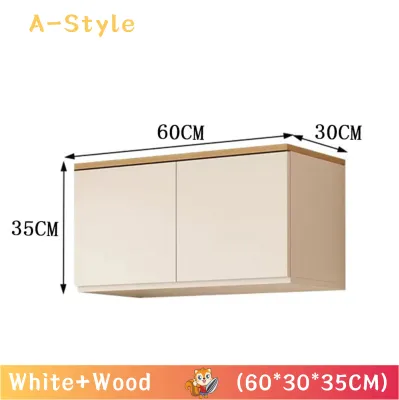
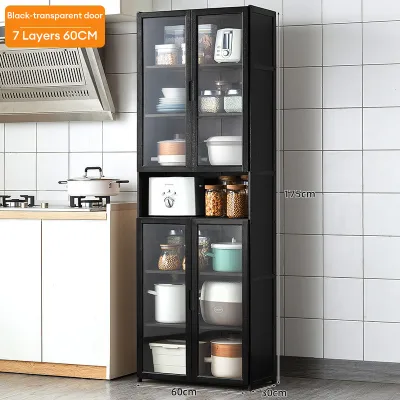
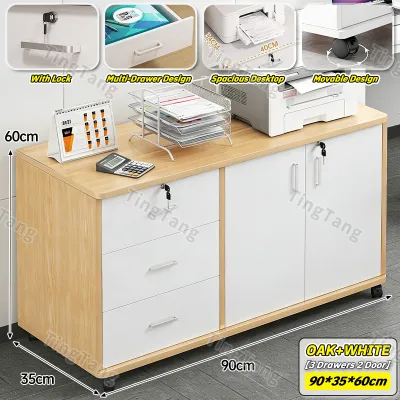
Prices are valid at publication and may change. Please refer to the product page for the latest price.
Beyond safety, secure storage is invaluable for protecting delicate or high-value items. Many families store heirloom silverware, fine bone china, or expensive small appliances like specialized coffee scales and baking accessories in their buffet cabinets. A lockable drawer prevents these items from being misplaced, damaged, or used without supervision during large family gatherings or busy daily routines.
When evaluating your options, it is helpful to compare built-in keyed locks with external childproof latches. Built-in locks offer a clean, seamless aesthetic that preserves the design of your furniture while providing robust physical security. In contrast, external adhesive latches can degrade quickly in warm kitchen environments, leave sticky residues that damage wood finishes, and are often easily bypassed by older children.
Key Dimensions and Space Planning for Your Kitchen
Before browsing online catalogs or visiting local furniture showrooms, you must accurately measure your designated kitchen floor space. Use a metal measuring tape to determine the maximum width, depth, and height the area can accommodate. It is crucial to account for the clearance required to fully extend the drawers and swing open any cabinet doors without obstructing walkways or colliding with dining tables and refrigerators.

Delivery access is another critical factor that is often overlooked. Many residential layouts in the Philippines, such as high-rise condominiums or multi-story townhouses, feature narrow hallways, tight stairwells, and compact doorways. Measure every entry point along the delivery path to ensure the packaged or pre-assembled cabinet can pass through safely without scraping your walls or damaging the furniture itself.
Structural stability and weight capacity are vital for long-term safety. Buffet cabinets are designed to hold heavy ceramic plates, serving platters, and small appliances, which can make them top-heavy. Check the manufacturer’s specifications for weight limits and ensure your kitchen floor is level, as uneven tiles can cause the cabinet to wobble and misalign the lock mechanisms. For added safety, plan to install anti-tip anchoring hardware to secure the cabinet firmly to the wall.
Material and Build Quality Checks for Philippine Kitchens
The tropical climate in the Philippines presents unique challenges for kitchen furniture, primarily due to high relative humidity and temperature fluctuations. When reviewing product labels and manufacturer specifications, look for moisture-resistant finishes and sealed back panels. Untreated wood products can absorb moisture rapidly in non-air-conditioned kitchens, leading to swelling, warping, or mold growth over time.
Inspecting the joint structures of the drawer boxes is essential for assessing durability. Dovetail joints or sturdy dowel-and-screw connections offer superior strength compared to simple stapled or glued joints. Since lockable drawers are often used to store heavier valuables or dense kitchen tools, the drawer bottom and joints must be robust enough to withstand repeated pulling forces without sagging or separating.
Always verify the manufacturer’s care instructions to understand the limitations of the cabinet’s finish. Kitchen environments expose furniture to grease, steam, and heat from cooking appliances. Ensure the surface treatment can be easily wiped clean with a damp cloth without stripping the protective sealant, and avoid placing the cabinet directly adjacent to high-heat zones like stoves or rice cookers.
Evaluating Lock Mechanisms and Drawer Hardware
The reliability of your cabinet’s security depends heavily on the type of lock mechanism installed. Keyed cam locks are the most common and practical choice, offering a straightforward mechanical system that is easy to operate and simple to replace if keys are lost. While electronic or magnetic locks exist, they often require battery maintenance and can be more sensitive to the high humidity levels found in kitchen spaces.
Smooth drawer operation relies on high-quality drawer slides. Look for ball-bearing drawer slides that feature explicit weight ratings on the product specification sheet. Soft-close mechanisms are highly recommended, as they prevent drawers from slamming shut, which can damage delicate items inside, cause the lock cylinder to loosen over time, and create unnecessary noise.
During your inspection, watch out for common hardware red flags. Loose lock cylinders, misaligned strike plates, or drawers that bind and squeak when pulled are signs of poor quality control. A misaligned lock will require you to force the key, which eventually leads to bent keys, jammed mechanisms, or damaged drawer fronts that are costly to repair.
How to Build Your Shortlist and Verify Before Buying
To find the right buffet cabinet, start by filtering options on reputable e-commerce platforms and official brand stores using precise search terms like cabinet with lock drawer kitchen. Avoid relying solely on stylized stock photos; instead, look for listings that provide detailed technical drawings, exact dimensions, and clear material specifications to ensure the product matches your requirements.
Before finalizing your purchase, actively communicate with the seller or manufacturer. Request actual, unedited photos of the locking hardware, drawer interiors, and back panels to verify the build quality. Inquire about the assembly requirements—specifically whether the unit arrives fully assembled or requires professional installation—and clarify the warranty terms covering the lock mechanisms and drawer slides.
Upon delivery, conduct a thorough inspection before signing the receipt or beginning assembly. Test the keys in every lock multiple times to ensure the mechanism turns smoothly without catching. Check the drawer alignment, slide operation, and surface finish for any transit damage, and document any issues immediately with clear photos and videos to secure a prompt return or replacement.
Frequently Asked Questions (FAQ)
Can I add a lock to an existing buffet cabinet drawer?
Yes, retrofitting a lock to an existing drawer is possible, but it requires careful planning and precise execution. You must first measure the thickness of the drawer front to ensure it can accommodate a standard cam lock cylinder without splitting the wood. Keep in mind that drilling into the drawer front will permanently alter the furniture and will likely void any remaining manufacturer warranty. If you prefer a non-invasive option that does not require drilling, consider using high-quality, reversible magnetic child safety locks that mount to the interior of the drawer.
How do I maintain the lock and drawer slides in a humid kitchen?
Regular maintenance is essential to prevent metal hardware from rusting or sticking in a humid kitchen environment. Check the manufacturer’s care label for approved lubricants; generally, a dry graphite lubricant is best for lock cylinders, while a light silicone spray keeps metal drawer slides gliding smoothly. Avoid using harsh chemical cleaners or water-based lubricants like WD-40 inside the lock, as they can attract dust, grease, and grime, eventually gumming up the internal pins and causing the mechanism to fail.
What should I do if the delivered cabinet lock is jammed or missing keys?
If your cabinet arrives with a jammed lock or is missing its keys, do not attempt to force the drawer open or use DIY lock-picking tools, as this can cause permanent physical damage and void your return rights. Immediately document the issue by taking clear photos and videos of the locked drawer and the packaging. Contact the seller or the official store’s customer support right away to request a replacement lock kit, a locksmith allowance, or a full product exchange in accordance with their return policy.

Community discussion
Share your experience or ask a question. Comments are reviewed before publication.