
Finding a covered shoe cabinet that holds 50 pairs of shoes while fitting seamlessly inside your closet is a balancing act between storage capacity and physical space. In tropical climates like the Philippines, where high humidity can lead to mold or musty odors on enclosed footwear, selecting the right cabinet involves more than just matching a capacity label. You must carefully evaluate your closet’s dimensions, understand how manufacturers calculate shoe capacity, and ensure the unit allows for proper airflow to protect your collection. By taking precise measurements and assessing your specific footwear mix, you can find a storage solution that keeps your shoes organized, dust-free, and in excellent condition.
Measure Your Closet Footprint and Clearance Requirements
Before browsing online marketplaces or visiting local furniture showrooms, you must establish the exact physical boundaries of your closet. Start by measuring the clear width, height, and depth of the designated floor area where the cabinet will stand. Do not rely on the general room dimensions; instead, measure the specific nook or wall section inside the closet, taking note of any irregularities in the walls or floor.
Remember to account for architectural details that can obstruct a flush fit. Baseboards along the bottom of the wall can push a cabinet forward by a few centimeters, while door hinges, light switches, and electrical outlets might restrict where a tall unit can safely stand. If your closet has sliding or hinged doors, measure their path of travel to ensure the cabinet will not block them from opening fully or cause collisions when you access your clothes.
Products mentioned in this guide
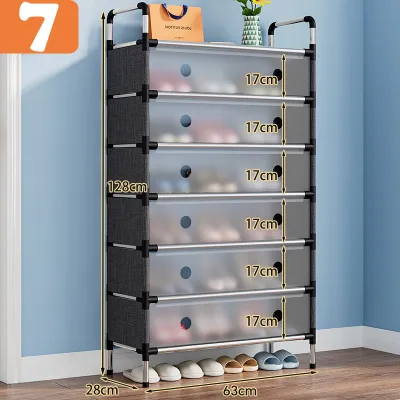
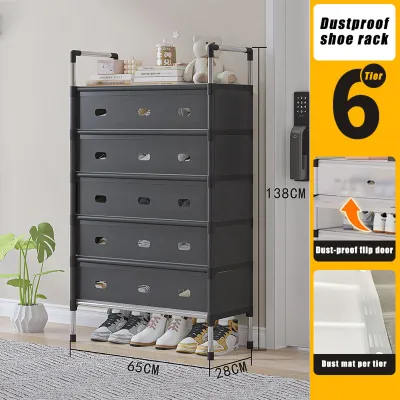
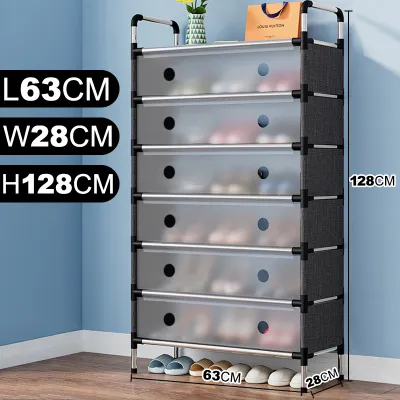
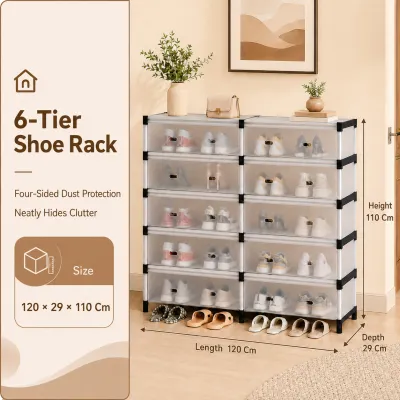
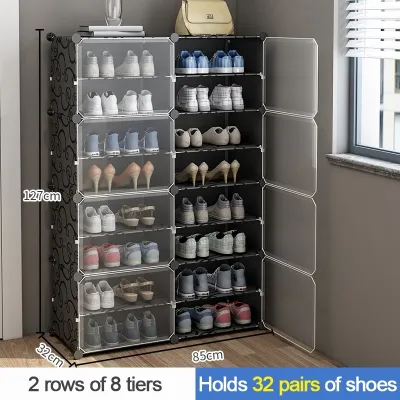
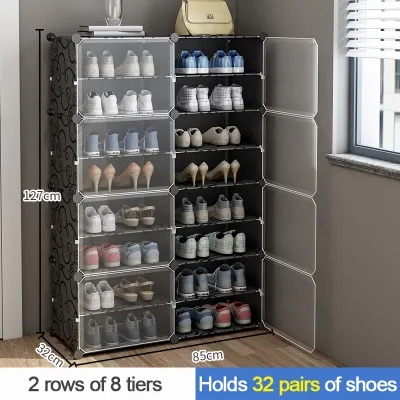
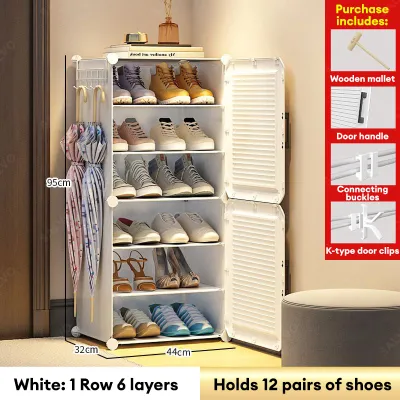
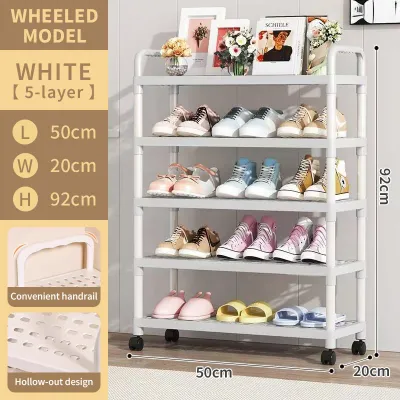
Prices are valid at publication and may change. Please refer to the product page for the latest price.
Clearance is also vital for maintaining the condition of your shoes, especially in humid environments. Leaving a gap of at least two to five centimeters between the back of the cabinet and the closet wall allows air to circulate, reducing the risk of trapped moisture and mold growth. If the cabinet is going into a walk-in closet, ensure there is enough clearance in front of the unit for you to stand comfortably while opening the cabinet doors and retrieving your shoes.
Translate 50-Pair Capacity into Physical Dimensions
A “50-pair” capacity label is a helpful starting point, but the actual physical size of the cabinet can vary dramatically depending on its shape and design. Tall, narrow tower cabinets utilize vertical space, making them ideal for closets with high ceilings but limited floor area. Conversely, wide, low-profile console cabinets spread the storage horizontally, which works well under hanging clothes rods but requires a much larger floor footprint.

It is important to recognize that manufacturer capacity ratings are typically based on standard, low-profile footwear, such as flat sandals, sneakers, or slippers. If your collection includes bulkier items like chunky rubber shoes, high heels, or boots, the actual number of pairs you can fit will be significantly lower. To accommodate 50 pairs of mixed footwear, you may need to look for a cabinet with a larger nominal capacity or plan to store some seasonal items elsewhere.
If a single, massive 50-pair cabinet is too large to fit through your closet door or exceeds your height limits, modular or stackable covered units offer an excellent alternative. By placing two smaller 25-pair cabinets side by side or stacking them securely, you can achieve the same total capacity while customizing the layout to fit your specific closet configuration. This modular approach also makes the furniture much easier to move, clean, and rearrange over time.
Verify Delivery Access and Structural Safety
Choosing the perfect cabinet is only half the battle; you must also ensure the unit can actually reach its final destination. Before finalizing your purchase, check the packaged dimensions of the cabinet against the narrowest points in your home. Measure the width of your hallways, the clearance of stairwells, and the height of room doorways to guarantee the delivery box or pre-assembled unit can be carried into your closet without getting stuck.
The weight of a fully loaded 50-pair cabinet is another critical factor that is often overlooked. A solid wood or heavy engineered wood cabinet filled with 50 pairs of shoes can weigh well over a hundred kilograms. Verify that your closet floor is structurally sound and level enough to support this concentrated load without sagging or tilting, particularly if you live in an older home or are placing the unit on a raised wooden platform.
Safety should always be a priority when installing tall, heavy furniture in a closet. Tall shoe towers have a higher center of gravity, making them susceptible to tipping over if they are front-heavy or if the floor is slightly uneven. Plan to use anti-tip wall anchors to secure the cabinet firmly to the wall studs behind it, providing essential stability and peace of mind, especially in homes with active households.
Align Shelf Adjustability With Your Footwear Collection
The internal configuration of the shoe cabinet determines how efficiently you can use the available space. Check the minimum shelf depth of any cabinet you consider to ensure it can accommodate your longest shoes. Standard cabinets usually offer a shelf depth of around 30 to 35 centimeters, but if you wear larger shoe sizes or have shoes with extended toes, you may need a deeper unit to prevent the cabinet doors from pressing against your footwear.
Prioritize cabinets that feature adjustable or removable shelves rather than fixed compartments. Adjustable shelves allow you to customize the height of each row, creating taller gaps for high-top sneakers, heels, and ankle boots, while keeping tighter spacing for flat sandals and slippers. This flexibility ensures you do not waste valuable vertical space and helps you maximize the actual capacity of the cabinet.
Finally, evaluate the door mechanisms based on the clearance in front of the cabinet. Hinged doors require a clear swing radius to open fully, which can be difficult to manage in tight closet aisles. Sliding doors or rolling fabric covers are excellent alternatives for compact spaces, as they allow full access to your shoes without projecting outward into your walking path.
Frequently Asked Questions (FAQ)
Can I fit 50 pairs of boots in a standard 50-pair covered cabinet?
No, a standard 50-pair cabinet will not hold 50 pairs of boots because manufacturer capacity ratings are calculated using low-profile shoes like flats or sneakers. Boots require significantly more vertical and horizontal space per pair. To store a large collection of boots, look for a cabinet with adjustable shelves that allow you to increase the height of individual rows, keeping in mind that this will reduce the total number of pairs the cabinet can hold.
Do covered shoe cabinets need ventilation inside a closed closet?
Yes, covered shoe cabinets require adequate ventilation, especially when placed inside a closed closet in a humid climate. Trapped moisture can lead to mold, mildew, and unpleasant odors that can damage leather, canvas, and synthetic shoe materials. To protect your footwear, choose a cabinet with built-in back-panel vents, slatted doors, or breathable fabric covers, and leave a small clearance gap between the cabinet and the closet wall to promote continuous airflow.

Community discussion
Share your experience or ask a question. Comments are reviewed before publication.